1-Minute Powdered Sugar Recipe with No Fancy Tools
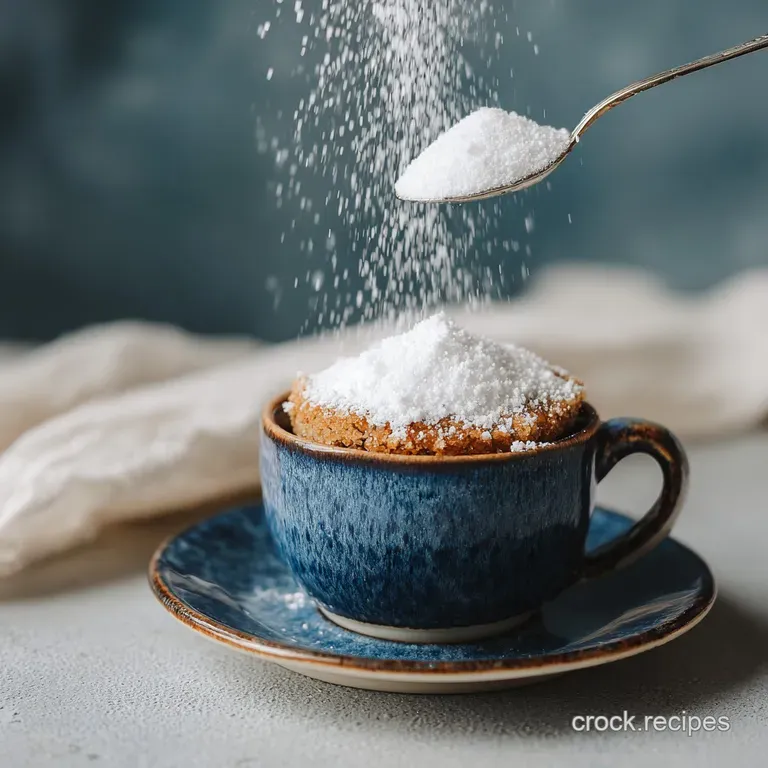
- Time: Active 1 minute, Passive 0 minutes, Total 1 minute
- Flavor/Texture Hook: Silky smooth and airy sweetness
- Perfect for: Last minute frosting, dusting pastries, or emergency baking
- Fast 1 Minute Powdered Sugar Recipe with No Fancy Tools
- Essential Kitchen Stats and Timing
- Core Ingredients for Sweet Success
- Tools for Perfect Pulverized Sugar
- Step-By-Step Path to Silky Sugar
- Solving Common Gritty Texture Issues
- Flavor Tweaks and Dietary Adjustments
- Keeping Your Sugar Cloud Fresh
- Best Ways to Use Your Creation
- Myths About Homemade Sugar
- Recipe FAQs
- 📝 Recipe Card
Nothing halts a baking session faster than reaching for the confectioners' sugar and finding only a few stray white crumbs at the bottom of the bag. I’ve been there butter is already creamed, the kitchen is a mess, and the kids are waiting for those cupcakes.
This 1 Minute Powdered Sugar Recipe with No Fancy Tools will give you perfectly sweet results, fast.
I used to think you needed some heavy duty industrial mill to get that cloud like texture we all love on waffles. Honestly, I wasted so much gas driving to the store for a single bag of "the blue box" sugar before I realized I could just make it myself in the time it takes to find my car keys.
We're talking about a simple transformation that happens right on your countertop with things you already own.
The best part about this DIY method is the cost and the purity. Most commercial brands pack their sugar with extra anti caking agents to survive months on a shelf. When you Make Powdered Sugar at home, you get to decide exactly what goes in.
It's fresh, it's cheap, and it’s honestly a little bit satisfying to watch those hard crystals turn into a snowy mist in under sixty seconds.
Fast 1 Minute Powdered Sugar Recipe with No Fancy Tools
The Science of Why it Works: High speed blades apply mechanical stress that shatters the large sucrose crystals into microscopic particles. Adding a small amount of cornstarch introduces a physical barrier between these tiny grains, preventing them from bonding back together when exposed to humidity.
- Blade Cooling: If you are making a double batch, let the blender base cool for 5 minutes between runs. Heat from the motor can slightly melt the sugar, leading to a gritty, tacky texture rather than a fine powder.
- The Filter Trick: Place a single paper coffee filter over the top of the blender jar before putting the lid on. This creates a gasket that stops the "sugar dust" from escaping through the vents and coating your entire kitchen in a sticky film.
| Feature | DIY 1 Minute Method | Classic store-bought |
|---|---|---|
| Active Time | 1 minute | 15 minutes (commute) |
| Ingredient Control | Total (Additives optional) | Fixed (Cornstarch/Calcium) |
| Texture | Airy and customizable | Standardized and dense |
Essential Kitchen Stats and Timing
Precision is everything when you are working with high speed friction. I’ve found that 45 seconds is usually the sweet spot for a standard blender, but a full 1 minute ensures there isn't a single grain left behind.
If you've ever bitten into a frosting that felt like sand, you'll know why those extra 15 seconds matter so much.
| Original Ingredient | Substitute | Why It Works |
|---|---|---|
| Granulated Sugar (1 cup) | Cane Sugar (1 cup) | Similar crystal hardness. Note: Results in a slightly tan, toasted color. |
| Cornstarch (1 tbsp) | Arrowroot Powder (1 tbsp) | Absorbs moisture effectively. Best for corn free dietary needs. |
| White Sugar | Erythritol (1 cup) | Hard crystalline structure. Allows for a sugar-free, keto friendly version. |
When you’re making a 7 Up Cake recipe, you need that glaze to be absolutely translucent and smooth. If you use a substitute like arrowroot, just know it might set a little faster than traditional cornstarch, so keep your whisk moving.
Core Ingredients for Sweet Success
You only need two items to pull this off, and one of them is actually optional if you’re using the sugar immediately. We are sticking to the basics here because fresh, simple ingredients are the foundation of any good bake. I always keep a big jar of granulated sugar in my pantry for these exact moments.
- 1 cup (200g) granulated white sugar Why this? The hard structure pulverizes into the finest possible powder.
- 1 tablespoon (8g) cornstarch Why this? Prevents clumping by absorbing ambient moisture in the air.
Ratio Stability Factors
The 1:1 ratio isn't just a suggestion; it’s about surface area. When you grind 1 cup of granulated sugar, you increase the surface area by a thousand fold. Without that tablespoon of cornstarch, those new surfaces want to grab onto any moisture in the air, turning your fluffy powder into a brick within hours.
Blade Friction Realities
As the blades spin, they generate heat. This is why we don't blend for five minutes straight. If the sugar gets too warm, it starts to undergo a physical change where it becomes "tacky." Keep your bursts short and powerful to maintain that dry, snowy feel.
Granulated Sugar Benefits
Standard white table sugar is the most reliable choice here. While you can use raw sugar or turbinado, their higher moisture content makes them prone to clumping. This Homemade Powdered Sugar Recipe Using Granulated Sugar works best because the crystals are dry and brittle, making them easy to shatter.
Tools for Perfect Pulverized Sugar
You don't need a professional milling machine to get a great result. Most people think their "regular" blender isn't up to the task, but I've done this in everything from a high end Vitamix to a budget friendly thrift store find. The key is the speed, not the price tag.
Equipment Setup Guide
Before you start, make sure your blender jar is bone dry. Even a single drop of water from a recent wash will turn your sugar into a sticky paste the moment it touches the blades. I like to wipe mine down with a dry paper towel just to be safe before I even think about adding the sugar.
Fixing Low Power Blades
If your blender is on the older side, don't just let it run. Use the pulse setting to get the large crystals moving first. This prevents the motor from straining and ensures that the sugar at the bottom doesn't turn into a puck while the stuff at the top stays whole.
step-by-step Path to Silky Sugar
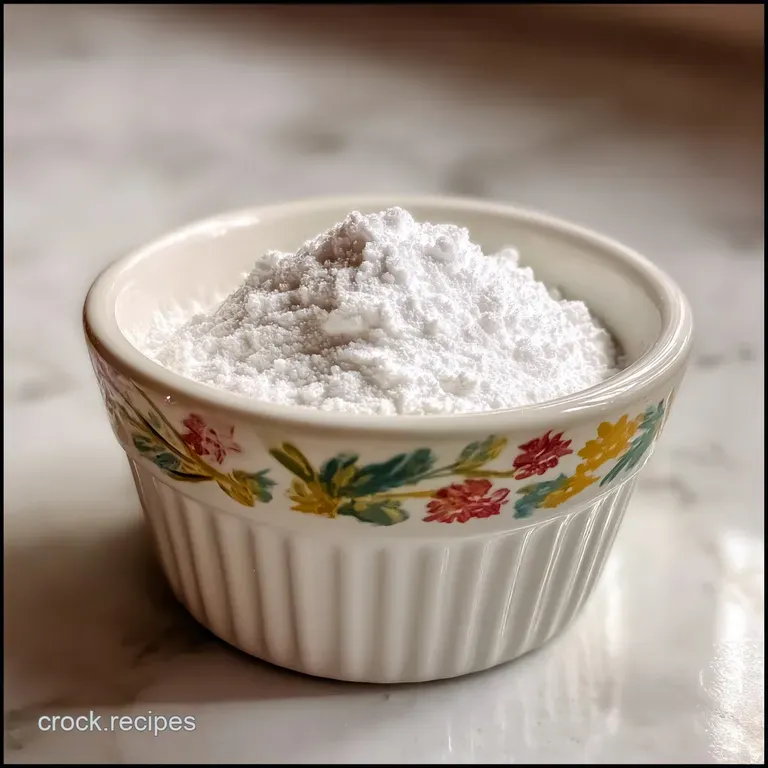
This process is incredibly fast, so I recommend having your storage container ready before you push the start button. It’s also a good idea to let the dust settle for about 30 seconds after the blender stops before you open the lid.
If you open it too fast, you’ll be coughing in a cloud of sugar for the next ten minutes.
- Prep jar. Ensure the blender container is completely dry and free of any lingering food scents. Note: Sugar absorbs odors easily.
- Add sugar. Pour 1 cup of granulated white sugar into the base of the blender.
- Add stabilizer. Measure 1 tablespoon of cornstarch and sprinkle it over the sugar.
- Seal lid. Place the lid on tightly, using a coffee filter as a gasket if you have one.
- Blend high. Start on a low speed for 5 seconds, then flip to the highest setting.
- Monitor time. Run the blender for 45 to 60 seconds until the contents look like a swirling white mist.
- Settle dust. Turn off the motor and wait 30 seconds for the powder to fall back down.
- Test texture. Rub a small amount between your fingers; it should feel like silk, not sand.
- Sift out. Pour the sugar through a fine mesh sieve into a bowl. Note: This removes any stubborn grains.
- Store away. Transfer to an airtight jar or use immediately in your favorite recipe.
Texture Testing Signs
When you're checking your work, look for a matte finish. If the sugar still looks sparkly or reflects light, it means the crystal facets are still too large. We want a flat, dull appearance that indicates the crystals have been completely pulverized into dust.
Solving Common Gritty Texture Issues
Sometimes things don't go perfectly on the first try. I once made a batch where I forgot the cornstarch on a humid day, and it turned into a bowl of sweet pebbles within twenty minutes. If your sugar isn't behaving, it's usually a quick fix that doesn't involve tossing the whole batch.
Avoiding Yellow Clumps
If you notice your sugar taking on a slightly yellow or toasted hue, the blades are likely getting too hot. This is essentially the very beginning of caramelization. It doesn't mean the sugar is bad, but it might change the flavor of a delicate buttercream.
The Sifting Process
Never skip the sifting. Even the best blenders sometimes miss a few tiny granules that hide under the blades. A quick pass through a sieve ensures your Stir Fry Sauce Recipe or your delicate frosting doesn't have any unexpected crunch.
| Problem | Root Cause | Solution |
|---|---|---|
| Gritty Texture | Under blending | Process for another 20 seconds on high speed. |
| Clumping in Jar | Humidity/No Starch | Sift with an extra teaspoon of cornstarch to dry it out. |
| Sugar is Warm | Motor Friction | Spread on a baking sheet to cool before storing. |
Flavor Tweaks and Dietary Adjustments
Once you know How to Make Powdered Sugar at Home with a Regular Blender, you can start getting creative. You are no longer limited to what the grocery store stocks. I love making flavored sugars for holiday gifts or specific dessert themes it’s a small touch that makes a huge difference.
- Spiced Sugar: Add 1/2 teaspoon of cinnamon or nutmeg to the blender before processing. This is incredible for dusting over French toast or snickerdoodles.
- Vanilla Powder: Scrape a fresh vanilla bean into the granulated sugar before blending. The seeds will be pulverized along with the sugar for a deep, aromatic flavor.
- Keto Option: Use monk fruit or erythritol to create an Easy DIY Powdered Sugar Recipe that fits low carb diets without the high cost of pre made "powdered" sweeteners.
Chef's Tip: If you are making a cocoa based frosting, blend 2 tablespoons of cocoa powder directly with the sugar. This ensures the cocoa is perfectly distributed and removes the need for extra sifting later.
Keeping Your Sugar Cloud Fresh
Because this sugar is so fresh, it actually has a tendency to be more "active" than the store-bought stuff. It’s light, airy, and very susceptible to the environment. Proper storage isn't just about keeping it clean; it's about maintaining that specific particle size we worked so hard to achieve.
You can store this sugar in an airtight glass jar for up to a year. However, for the best texture, I recommend making it in smaller batches as you need it. If you find your stored sugar has developed a few lumps, don't worry just give the jar a good shake or run it through your sieve again.
It’ll be as good as new.
When it comes to leftovers, I hate seeing anything go to waste. If you have a few tablespoons of your homemade sugar left over from a bake, toss it into a small shaker. It's perfect for a quick morning dusting on pancakes or even to sweeten a bowl of fresh berries. If you happen to be making a Ham Loaf Recipe, a pinch of this fine sugar in the glaze can help it emulsify even better than regular brown sugar.
Best Ways to Use Your Creation
This Quick Powdered Sugar Recipe for Frosting is a total lifesaver, but its uses go way beyond just cakes. Because it dissolves almost instantly, it's the ideal sweetener for cold liquids where granulated sugar would just sink to the bottom and stay crunchy.
- Whipped Cream: It dissolves much faster than granulated sugar, leading to a more stable, velvety peak that won't weep over time.
- Macarons: Since you control the sifting, you can ensure your macaron shells are perfectly smooth and professional looking.
- Cocktails: Use it to make a "quick" simple syrup or to rim glasses for festive drinks without that heavy, grainy feel.
Decision Shortcut
- If you want a professional finish, always sift the sugar after blending to remove large grains.
- If you are storing long term, increase the cornstarch to 1.5 tablespoons for extra moisture protection.
- If you want a "natural" look, use organic cane sugar for a beautiful off white, rustic powder.
Myths About Homemade Sugar
One of the biggest misconceptions is that a regular blender can't reach the speeds necessary for true powdered sugar. People think you need a "Fancy Tools" setup or a dedicated mill.
The truth is, modern blenders are incredibly powerful, and as long as your blades are sharp, they can handle the physical shearing of sucrose quite easily.
Another myth is that you can't Powdered Sugar Recipe Without Cornstarch. You absolutely can, but you have to use it immediately. Without the starch, the sugar will begin to absorb moisture from the air the second the blender stops. If you're dusting a cake that's being served in ten minutes, skip the starch!
If it's for tomorrow, you'll regret leaving it out.
Finally, some say the flavor is "metallic" from the blades. This only happens if you are using an extremely old, corroded blender. For 99% of us, the flavor is purely determined by the quality of the granulated sugar you start with. Buy a good brand of sugar, and you'll get a high-quality result every single time.
It's really that simple!
Recipe FAQs
How to dust with powdered sugar without a sifter?
Use a fine mesh sieve. Pour the powdered sugar into the sieve and tap the sides gently to release a fine dust.
What to use if you don't have a sifter for powdered sugar?
A fine mesh sieve or a tea strainer works perfectly. These tools allow you to control the flow and break up any small clumps, giving you a smooth finish. This is essential for achieving a professional look on treats like our Louisiana Crunch Cake: The Best Homemade Southern Recipe.
How can I make my own powdered sugar?
Blend granulated sugar with cornstarch. In a high speed blender, combine 1 cup of granulated sugar with 1 tablespoon of cornstarch and process until a fine powder forms.
How to make powdered sugar without a machine?
It's extremely difficult without any powered appliance. While manual methods exist (like a mortar and pestle), they are time consuming and rarely achieve the ultra fine texture needed for most recipes.
Can I make powdered sugar without cornstarch?
Yes, but use it immediately. Cornstarch acts as an anti caking agent. Without it, your homemade powdered sugar will absorb moisture from the air and clump quickly, so it's best for recipes where it's used right away.
How long does homemade powdered sugar last?
Up to one year when stored properly. Keep it in an airtight container in a cool, dry place to maintain its texture and prevent clumping.
What blender speed should I use for powdered sugar?
Start low, then go high. Begin blending on a low speed for a few seconds to break up the initial crystals, then switch to the highest setting for 45-60 seconds until a fine powder forms.
1 Minute Powdered Sugar Recipe

Ingredients:
Instructions:
Nutrition Facts:
| Calories | 29 calories |
|---|---|
| Protein | 0 g |
| Fat | 0 g |
| Carbs | 7.4 g |
| Fiber | 0 g |
| Sugar | 7.1 g |
| Sodium | 0 mg |
