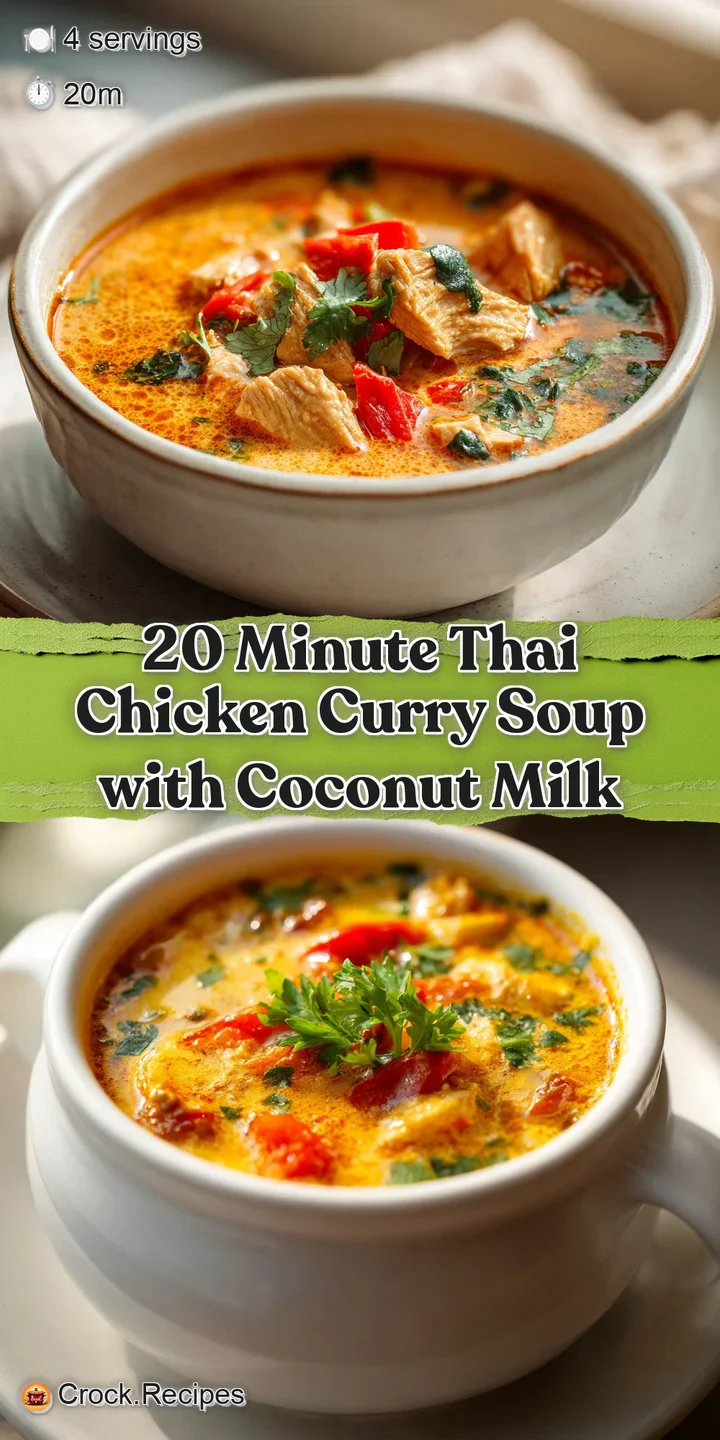
20 Minute Thai Chicken Curry Soup with Coconut Milk
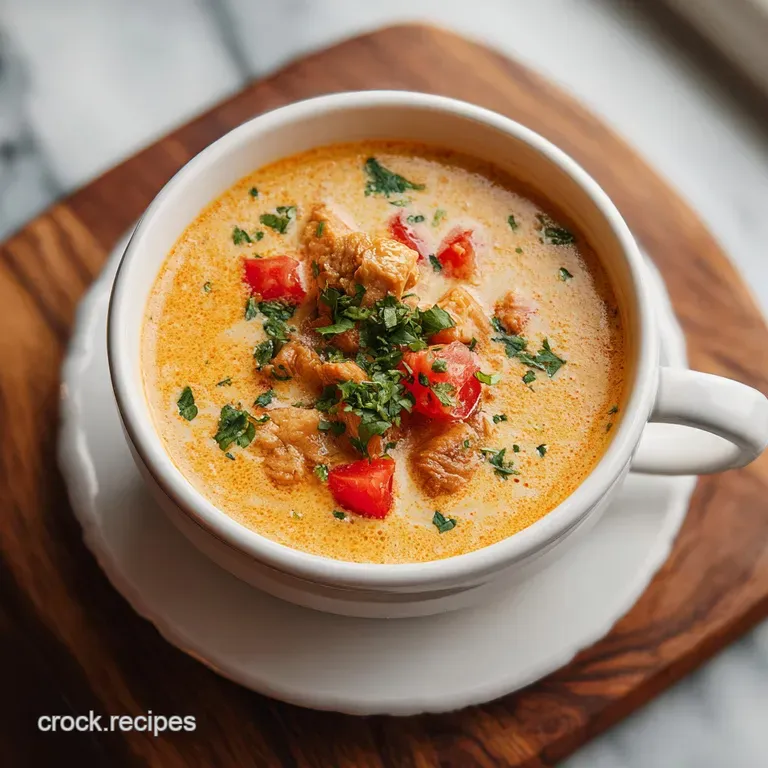
- Time: Active 5 mins, Passive 15 mins, Total 20 mins
- Flavor/Texture Hook: Silky coconut broth with a zesty lime finish
- Perfect for: Busy weeknight recovery or a comforting rainy day lunch
- 20 Minute Thai Chicken Curry Soup with Coconut Milk
- Why This Velvety Soup Works
- Component Analysis for Deep Flavor
- Sourcing Your Fresh Elements
- Tools for Efficient Cooking
- Mastering the Quick Cooking Flow
- Troubleshooting Your Curry Soup
- Adjusting Portions and Sizes
- Debunking Common Kitchen Beliefs
- Storage Solutions and Zero Waste
- Perfect Pairings and Flavor Tweaks
- Recipe FAQs
- 📝 Recipe Card
20 Minute Thai Chicken Curry Soup with Coconut Milk
The first time I tried to make a proper curry soup, I spent two hours roasting bones and hand grinding spices, only to end up with a muddy broth that tasted more like bitter dirt than a Thai getaway. I was trying too hard to be "authentic" and ended up overcomplicating the simple magic of Southeast Asian street food.
It was a Tuesday night, I was starving, and that failed experiment taught me that speed and depth aren't enemies if you know which corners to cut.
Whip up this creamy, flavorful 20 Minute Thai Chicken Curry Soup with Coconut Milk for a fast and satisfying weeknight dinner. We've all been there staring at the fridge after a long day, tempted to just order takeout.
But honestly, by the time the delivery driver finds your house, you could be sitting down to a steaming bowl of this velvety, fragrant soup. It’s about working smart, not hard, using high-quality paste and bone broth to do the heavy lifting for you.
You'll notice the second the red curry paste hits the hot coconut oil. That sharp, spicy sizzle fills the kitchen, smelling of lemongrass and dried chilis. It’s an instant mood lift. This isn't just a "fast" meal; it's a sensory experience that happens to fit into a twenty minute window.
We are focusing on fresh, punchy ingredients that wake up your palate without requiring a culinary degree.
Why This Velvety Soup Works
I used to think "quick" meant "thin" when it came to soup, but that’s a total myth. The secret here lies in how we handle the fats and the aromatics before any liquid even touches the pan. It's a method I've leaned on for years when I want that slow simmered taste in a fraction of the time.
- Aromatic Blooming: Sautéing the curry paste in coconut oil releases fat soluble flavor compounds that stay trapped if you just stir the paste into cold liquid.
- Protein Poaching: Cooking the chicken breast strips directly in the simmering broth ensures they stay tender rather than getting rubbery from a over high heat sear.
- Sugar Acid Balance: The brown sugar and lime juice work together to neutralize the heavy heat of the red chilis, creating a rounded, professional grade finish.
- Starch Integration: Adding glass noodles at the very end allows them to hydrate using the flavorful soup liquid rather than plain water, intensifying every bite.
| Protein Thickness | Internal Temp | Rest Time | Visual Cue |
|---|---|---|---|
| 1/4 inch strips | 165°F (74°C) | 2 mins | Opaque and firm to touch |
| 1/2 inch cubes | 165°F (74°C) | 3 mins | No pink in the center |
| Shredded (pre cooked) | Warm through | 0 mins | Steam rising from meat |
Because we are working so quickly, the way you slice your chicken really matters. If you go too thick, you'll be waiting ten minutes for the centers to cook through, and by then, your red bell peppers will have turned to mush. Aim for those thin, one inch strips they cook in the time it takes for the broth to reach a rolling boil. If you find yourself enjoying this style of cooking, you might also love the texture of my Creamy Chicken Breast recipe which uses similar heat management to keep the meat juicy.
Component Analysis for Deep Flavor
When we talk about soup, we aren't just talking about wet food. We are talking about a balance of salt, fat, acid, and heat. Each ingredient in this recipe serves a specific functional purpose to make that 20 minute window feel like an eternity of flavor development.
| Ingredient | Science Role | Pro Secret |
|---|---|---|
| Coconut Oil | Flavor Carrier | Use virgin coconut oil for a boost of tropical aroma that refined oils lack. |
| Red Curry Paste | Flavor Base | Always bloom the paste until it darkens slightly to remove the raw, "canned" aftertaste. |
| Full fat Coconut Milk | Emulsifier | The high fat content prevents the broth from splitting when you add the acidic lime juice. |
| Fish Sauce | Umami Anchor | This provides a deep, fermented saltiness that sea salt simply cannot replicate. |
Using full fat coconut milk is non negotiable for that velvety mouthfeel. low-fat versions are basically coconut scented water and won't give you the body needed to coat the noodles.
The fish sauce might smell pungent in the bottle, but trust me, it disappears into the broth, leaving behind a savory richness that makes people ask, "What is in this?"
Sourcing Your Fresh Elements
I always keep a jar of red curry paste in the back of my fridge. It's my secret weapon for nights when I can't think of what to cook. For this recipe, we are using specific quantities to ensure the balance is just right.
Don't be tempted to skip the lemongrass even if you can't find it fresh, the bruised stalk adds a citrusy floral note that defines the dish.
- Coconut oil (1 tbsp): This is our frying medium. It stands up to the heat and matches the flavor profile.
- Substitute: Avocado oil or any neutral vegetable oil.
- Red curry paste (3 tbsp): This provides the heat, color, and spice.
- Substitute: Panang curry paste for a nuttier, slightly sweeter vibe. Why this? Concentrated aromatics provide instant depth without long simmering.
- Garlic (2 cloves) & Fresh ginger (1 tbsp): The holy trinity of Thai cooking base.
- Substitute: 1 tsp garlic powder and 1 tsp ground ginger in a pinch, but fresh is vastly superior.
- Lemongrass (1 stalk): Bruise it with the back of your knife to release the oils.
- Substitute: 1 tsp lemon zest if you absolutely cannot find it.
- Full fat coconut milk (13.5 oz can): Provides the creamy texture.
- Substitute: Heavy cream mixed with coconut extract (not ideal, but works).
- Low sodium chicken bone broth (4 cups): The liquid base.
- Substitute: Vegetable broth for a lighter, though less rich, version.
- Fish sauce (1 tbsp): The salt component.
- Substitute: Soy sauce or Tamari if you have a seafood allergy. Why this? Fermented depth adds a "hidden" savory layer.
- Brown sugar (1 tbsp): To balance the spice.
- Substitute: Coconut sugar or honey.
- Chicken breast (1 lb): Sliced into thin 1 inch strips.
- Substitute: Sliced chicken thighs or even shrimp (shrimp will cook in 3 mins).
- Glass noodles (4 oz): These cook almost instantly.
- Substitute: Rice vermicelli or even thin linguine in a total emergency.
- Red bell pepper (1): For crunch and color.
- Substitute: Snap peas or thinly sliced carrots.
- Fresh cilantro, Green onions, & Lime: The "bright" finish.
- Substitute: Fresh Thai basil is a fantastic alternative to cilantro.
While we are using the stovetop today for speed, I’m a huge fan of how flavors meld in a slower environment. If you’re ever looking for a set it and forget it version of comfort, my Homemade Chicken Noodle recipe is a masterclass in building broth slowly. But for tonight, we are all about that 20 minute finish.
Tools for Efficient Cooking
You don't need a professional kitchen, but a few specific tools will make this go much faster. Efficiency is the name of the game when you're trying to get dinner on the table in twenty minutes.
- Heavy bottomed pot: Something like a Dutch oven or a large saucepan (3-4 quarts) ensures even heat distribution so your curry paste doesn't burn.
- Microplane or fine grater: This is essential for the ginger and garlic. It turns them into a paste so they melt into the oil instantly.
- Chef’s knife: A sharp blade makes quick work of the chicken and bell peppers.
- Tongs or a slotted spoon: Useful for handling the noodles and checking the chicken doneness.
Chef's Tip: If your ginger is looking a bit shriveled, keep it in the freezer. It actually grates much easier when frozen, and you don't even have to peel it first!
Mastering the Quick Cooking Flow
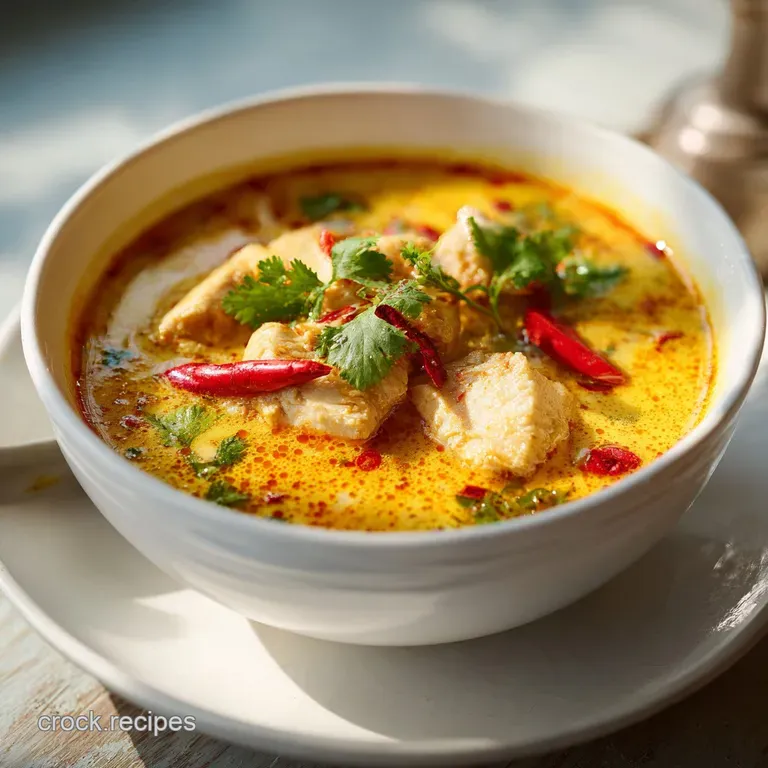
Let's get into the actual rhythm of the kitchen. This recipe moves fast, so have all your ingredients chopped and ready to go before you turn on the burner. We are going to build layers of flavor in a specific order to maximize the 15 minutes of actual cook time.
- Sauté the aromatics. Heat the coconut oil in your pot over medium heat. Add the red curry paste, microplaned garlic, grated ginger, and bruised lemongrass. Note: This "blooms" the spices and wakes them up.
- Deglaze the pot. Pour in 1 cup of the chicken bone broth, scraping the bottom to get all those toasted bits of paste. Cook for 2 minutes until the oil starts to separate.
- Build the liquid base. Add the remaining bone broth, fish sauce, and brown sugar. Bring the mixture to a gentle simmer.
- Poach the protein. Carefully drop the sliced chicken breast and the thinly sliced red bell pepper into the broth. Simmer for 5-7 minutes until the chicken is opaque and firm.
- Hydrate the noodles. Submerge the glass noodles into the bubbling broth. Note: These only need a few minutes to become translucent and tender.
- Incorporate the cream. Pour in the full fat coconut milk. Stir gently to combine. Heat for 2 minutes until the soup is velvety and steaming.
- Season and brighten. Remove the pot from the heat. Squeeze in the juice of half a lime and stir.
- The final garnish. Remove the lemongrass stalk and discard. Ladle the soup into bowls and top generously with cilantro, green onions, and extra lime wedges.
Troubleshooting Your Curry Soup
Even the simplest recipes can hit a snag. The most common issue people have with coconut based soups is the broth "breaking" or the noodles becoming a giant, gummy ball. Don't panic; it's usually an easy fix.
The Broth Looks Split
Sometimes the oil from the curry paste and the coconut milk don't want to play nice, leading to little orange droplets on top. This is actually a sign of a traditional Thai curry, but if you want it smoother, it’s usually because the heat was too high.
The Soup Is Too Salty
Fish sauce is powerful stuff. If you went a little overboard, or if your bone broth was saltier than expected, the soup can taste like the ocean.
| Problem | Root Cause | Solution |
|---|---|---|
| Gummy Noodles | Overcooked or sat too long | Add noodles last and serve immediately. If already gummy, add a splash of hot broth to loosen. |
| Broth Is Thin | low-fat milk or too much broth | Simmer without a lid for 5 mins or whisk in a tsp of cornstarch slurry. |
| Lack of Depth | Paste didn't bloom enough | Sauté a tsp of paste in a separate pan with oil until dark, then whisk into the soup. |
Common Mistakes Checklist
- ✓ Don't skip the blooming: If you don't sauté the paste in oil first, the soup will taste "raw" and flat.
- ✓ Pat the chicken dry: If the chicken is dripping with water, it will lower the broth temperature and steam rather than poach cleanly.
- ✓ Use full fat milk: low-fat versions lack the emulsifiers needed to keep the soup creamy and rich.
- ✓ Watch the noodles: Glass noodles turn into mush if left in a boiling pot for more than 5 minutes.
- ✓ Remove the lemongrass: It’s for flavor, not for eating. It stays woody and tough even after boiling.
Adjusting Portions and Sizes
Cooking for one? Or trying to feed the whole neighborhood? This soup is incredibly forgiving when it comes to scaling, provided you keep a few chemical ratios in mind.
Scaling Down (1-2 Servings) If you're cutting this in half, use a smaller saucepan to keep the liquid depth high enough to submerge the chicken. You can reduce the cook time for the chicken by about 20% since there's less mass to heat up.
If you have half a can of coconut milk left, freeze it in an ice cube tray for your next batch or a morning smoothie.
Scaling Up (8+ Servings) When doubling the recipe, do not double the salt or fish sauce right away. Start with 1.5x the amount and taste. Liquids don't always scale linearly because of evaporation rates, so keep an extra cup of broth nearby.
You'll need a large stockpot to ensure the chicken strips aren't overcrowded, which helps them cook evenly without sticking together.
| Feature | Stovetop (Recommended) | Oven/Dutch Oven |
|---|---|---|
| Total Time | 20 minutes | 45 minutes |
| Texture | Bright and fresh | Deeply melded and soft |
| Best For | Quick weeknights | Weekend meal prep |
Debunking Common Kitchen Beliefs
There are so many "rules" about Thai cooking that actually hinder home cooks. Let's clear the air so you can cook with confidence.
First, many people believe that you must make your own curry paste from scratch for it to be "real." While fresh paste is lovely, high-quality commercial pastes (like Mae Ploy or Maesri) are used by professional chefs all over the world.
They provide a consistent heat level that is actually easier to work with when you're in a hurry.
Second, the idea that coconut milk shouldn't be boiled is a half truth. While rapid, violent boiling for a long time can cause the fat to separate (split), a gentle simmer is perfectly fine and often necessary to integrate the flavors. If your soup splits, it still tastes great it’s just a visual thing!
Finally, don't think you need "soup bones" to get a rich broth in 20 minutes. A good store-bought bone broth has already done that work for you. We are using the chicken breast to add protein, not flavor the water, which is why the quality of your broth matters so much.
Storage Solutions and Zero Waste
This soup is a dream for leftovers, though the noodles do require a little bit of strategy. If you know you're going to have leftovers, try to store the noodles separately from the broth.
- Fridge: Store in an airtight container for up to 3 days. The flavors actually develop further overnight, making day two even better.
- Freezer: You can freeze the broth base (including the chicken and peppers) for up to 3 months. Do not freeze the noodles; they will turn to mush upon thawing. Just add fresh noodles when you reheat.
- Reheating: Warm gently on the stovetop over medium low heat. If the soup has thickened too much (the noodles will absorb liquid even in the fridge), add a splash of broth or water to bring it back to the right consistency.
Zero Waste Tip: Don't throw away those cilantro stems! They actually have more flavor than the leaves. Finely mince the stems and sauté them with the garlic and ginger at the beginning.
If you have leftover lime wedges that are starting to dry out, zest them into a jar of sugar or salt for a citrusy seasoning later in the week.
Perfect Pairings and Flavor Tweaks
While this 20 Minute Thai Chicken Curry Soup with Coconut Milk is a complete meal on its own, sometimes you want a little something extra on the side.
- Crunchy Add ons: A handful of crushed roasted peanuts or some fried shallots adds a much needed textural contrast to the soft noodles and velvety broth.
- Vegetarian Pivot: Swap the chicken for extra firm tofu cubes and use vegetable broth. Ensure you use a vegan friendly curry paste (some contain shrimp paste) and use soy sauce instead of fish sauce.
- Extra Heat: If the 3 tablespoons of paste aren't hitting the spot, add a sliced Thai bird's eye chili to the sauté step.
- The Rice Swap: If you aren't a fan of glass noodles, this broth is incredible served over a bowl of fluffy jasmine rice. For a different take on Asian flavors, you could even serve a side of the Classic Pad Thai recipe if you're hosting a larger dinner party.
If you find the soup too spicy, a dollop of Greek yogurt or extra coconut cream swirled in at the end can help mellow out the chilis. It’s all about making it work for your specific taste buds. Right then, let's get that pot on the stove you're only twenty minutes away from the best meal of your week.
Trust me on this, once you master the "bloom and poach" method, you'll never look at store-bought canned soup the same way again.
Recipe FAQs
Can I substitute full fat coconut milk with light coconut milk?
No, the texture will suffer significantly. Light coconut milk lacks the necessary fat content to create the signature velvety emulsion, resulting in a watery broth.
How to bloom the red curry paste correctly for maximum flavor?
Sauté the paste in hot coconut oil until it darkens slightly. This essential step releases the fat-soluble aromatic compounds trapped in the chilis and spices, deepening the overall flavor profile.
Is it true that I must use chicken breast for this recipe?
No, chicken thighs are an excellent substitute. Thighs retain moisture better during poaching, offering a richer flavor, though they might take one minute longer to fully cook.
How to prevent the soup from becoming overly salty when using fish sauce?
Add fish sauce incrementally and use low-sodium broth. Start with half the recommended amount, simmer, then taste before adding more, as fish sauce is very concentrated.
What is the quickest way to ensure the thin chicken strips cook evenly?
Slice the chicken uniformly to about one-quarter inch thickness. This ensures the protein poaches through in the same time it takes for the broth to simmer, preventing some pieces from drying out. If you're interested in maximizing tenderness in fast cooked proteins, see how we manage heat in our creamy chicken breast recipe.
Do I need to pre-soak the glass noodles before adding them to the soup?
No, do not pre-soak them. Drop the dry glass noodles directly into the simmering broth; they will hydrate perfectly in about three to five minutes using the residual heat and flavorful liquid.
Why does my soup taste flat despite using high-quality curry paste?
You likely skipped the critical acid/sweet balance step. The final addition of fresh lime juice and brown sugar is essential to round out the heat and saltiness from the paste and fish sauce.
20 Min Thai Chicken Curry Soup
Ingredients:
Instructions:
Nutrition Facts:
| Calories | 564 kcal |
|---|---|
| Protein | 45.2 g |
| Fat | 27.5 g |
| Carbs | 34.5 g |
| Fiber | 1.8 g |
| Sugar | 5.2 g |
| Sodium | 785 mg |
