The Most Addictive Garlic Bread You'll Ever Eat
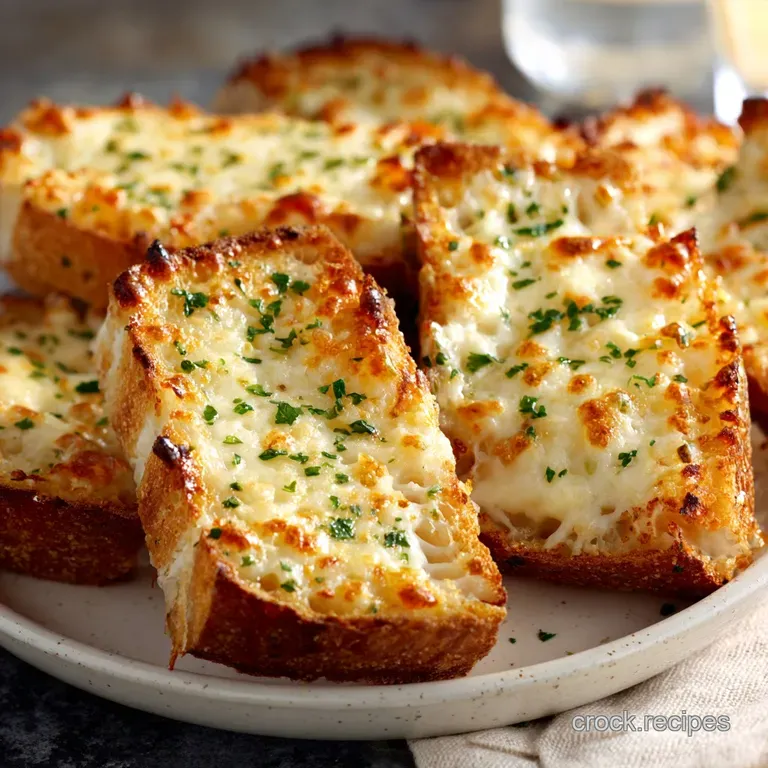
- Time: Active 30 mins, Passive 1 hours 35 mins, Total 2 hours 5 mins
- Flavor/Texture Hook: Shatter crisp crust with a velvety, garlic soaked crumb
- Perfect for: Hearty family dinners or impressing guests at a Sunday roast
- Making The Most Addictive Garlic Bread You'll Ever Eat
- The Chemistry of Toasted Aromatics
- Component Analysis for Peak Flavor
- Premium Components for Deep Flavor
- Essential Tools for Success
- Your Path to Golden Garlic Bliss
- Solving Your Garlic Bread Woes
- Adjusting for Different Batch Sizes
- Debunking Common Bread Myths
- Storage Guidelines and Zero Waste
- Serving Guidelines for a Hearty Meal
- Recipe FAQs
- 📝 Recipe Card
Making The Most Addictive Garlic Bread You'll Ever Eat
The first time the scent of this bread filled my kitchen, I knew I’d never go back to the store-bought stuff. It starts with that low, nutty rumble of blooming yeast, followed quickly by the sharp, punchy aroma of garlic hitting warm butter.
I remember standing by the oven, watching the mozzarella bubble and turn those gorgeous shades of amber, while the smell of toasted parsley practically pulled the rest of the family into the kitchen from three rooms away.
Get ready to discover "The Most Addictive Garlic Bread You'll Ever Eat," a recipe that will redefine your definition of delicious. We are moving past the dry, dusty garlic bread of the past and into something truly satisfying.
This is comfort food in its purest form thick slices that feel heavy with butter and cheese, yet stay airy enough to soak up every last drop of pasta sauce. It’s a labor of love, but one that rewards you with a texture that is both soft and shatteringly crisp in the same bite.
You can expect a dough that is forgiving and supple, a topping that doesn't just sit on the surface but sinks deep into the bread, and a finished product that earns its name with every single bite. Honestly, don't even bother with a side salad; once this hits the table, it becomes the main event.
We’ve all had mediocre bread that’s either too hard or too soggy, but we're fixing all of those mistakes today.
The Chemistry of Toasted Aromatics
Enzymatic Release: Microplaning the garlic breaks more cell walls than chopping, releasing the maximum amount of allicin for a sharper, more intense flavor profile.
Maillard Reaction: The combination of honey and high heat (400°F / 200°C) encourages rapid browning on the crust, creating that signature toasted aroma and complex sweetness.
Fat Insulation: Coating the dough in an olive oil and butter mixture prevents the interior moisture from evaporating too quickly, keeping the crumb velvety and soft.
| Servings | Flour Weight | Pan Type | Rise Time |
|---|---|---|---|
| 6 people | 187g | 8 inch round | 60 mins |
| 12 people | 375g | 9x13-inch | 90 mins |
| 24 people | 750g | Two 9x13-inch | 95 mins |
The chart above helps you scale for a crowd, which trust me, you’ll need to do once people taste this. If you are feeding a larger group, working in batches is key to keeping the oven temperature stable.
Component Analysis for Peak Flavor
| Ingredient | Science Role | Pro Secret |
|---|---|---|
| Active Dry Yeast | Leavening agent | Bloom it in 105°F water to ensure maximum gas production for a light crumb. |
| Honey | Yeast fuel | Provides a tender crumb and helps the crust caramelize faster than granulated sugar. |
| Sea Salt | Gluten regulator | Tightens the gluten structure, preventing the bread from becoming overly crumbly or weak. |
| Extra Virgin Olive Oil | Moisture barrier | Creates a flexible dough that can stretch without tearing during the final rise. |
Choosing the right ingredients makes a massive difference in the final aroma. If you are a fan of deep garlic notes, you might also want to check out my Flavorful Garlic recipe which uses a slow roasting technique that would be a brilliant addition to this bread.
Premium Components for Deep Flavor
- 375g All purpose flour: The foundation of the loaf. Why this? Provides enough protein for structure without being as tough as bread flour.
- Substitute: Bread flour (results in a chewier, more artisanal texture).
- 240ml Warm water (105°F/40°C): The hydration for our yeast. Why this? The exact temperature ensures yeast activity without killing the cultures.
- Substitute: Warm milk (adds a richer, more brioche like flavor).
- 7g Active dry yeast: Our rising power. Why this? Reliable leavening for a consistent 90 minute rise.
- Substitute: 1:1 Instant yeast (skip the blooming step).
- 10g Honey: The sweetener. Why this? Adds a subtle floral note that pairs perfectly with roasted garlic.
- Substitute: Maple syrup (adds a deeper, woodsy sweetness).
- 8g Sea salt: The flavor enhancer. Why this? Mineral rich salt improves the overall depth of the dough.
- Substitute: Kosher salt (use 1.5x the volume).
- 15ml Extra virgin olive oil: For the dough. Why this? Softens the crust and adds a hint of Mediterranean fruitiness.
- Substitute: Avocado oil (neutral flavor but same fat content).
- 45g Unsalted butter, softened: The base of the spread. Why this? Allows us to control the salt levels while providing a rich mouthfeel.
- Substitute: Salted butter (omit the extra flaky salt later).
- 30ml Extra virgin olive oil: For the spread. Why this? Keeps the butter from burning too quickly in the hot oven.
- Substitute: Garlic infused oil for even more intensity.
- 4 cloves Garlic, microplaned: The star of the show. Why this? Creates a paste that melts into the butter for total coverage.
- Substitute: Roasted garlic cloves mashed into a paste.
- 1 tsp Garlic powder: For layered flavor. Why this? Reaches the parts of the bread where fresh garlic might not penetrate.
- Substitute: Onion powder for a savory, rounded profile.
- 1/4 cup Fresh parsley, finely chopped: For brightness. Why this? Cuts through the richness of the fat with a fresh, peppery finish.
- Substitute: Fresh basil or oregano.
- 60g Shredded low moisture mozzarella: For the pull. Why this? Melts better than fresh mozzarella for this specific application.
- Substitute: Provolone for a sharper, more satisfying bite.
- 30g Freshly grated Parmesan cheese: The salty finish. Why this? Adds a nutty, umami crust to the top of the bread.
- Substitute: Pecorino Romano for a saltier, funkier punch.
Essential Tools for Success
You don't need a high end bakery to make this happen, but a few specific tools will make your life much easier. I highly recommend using a digital scale for the 375g of flour; volume measurements for flour are notoriously inaccurate and can lead to a dry loaf.
A microplane is also non negotiable here. Chopping garlic with a knife is fine for a stew, but for this spread, we want a paste. A microplane turns those 4 cloves into a velvety mash that emulsifies perfectly with the 45g of softened butter.
If you enjoy the process of making dough from scratch, you'll find the technique here is quite similar to my The Speedy Sourdough recipe, which focuses on developing gluten through time and hydration.
Your Path to Golden Garlic Bliss
- Bloom the yeast. Combine the 240ml warm water, 10g honey, and 7g yeast in a small bowl. Note: Wait 5-10 mins until it looks foamy and smells like a fresh brewery.
- Mix the dough. In a large bowl, whisk the 375g flour and 8g sea salt together before adding the yeast mixture and 15ml olive oil. Note: Mix by hand or with a wooden spoon until a shaggy mass forms.
- Knead for elasticity. Turn the dough onto a floured surface and knead for 8 minutes. Note: Keep going until the dough feels smooth and springs back when poked.
- First rise. Place the dough in a lightly oiled bowl, cover with a damp cloth, and set in a warm spot. Note: Let it sit for 60 minutes until it has doubled in size and looks puffy.
- Prepare the spread. While the dough rises, mix the 45g butter, 30ml olive oil, microplaned garlic, garlic powder, and parsley. Note: Mash it with a fork until it is a uniform, pale green paste.
- Shape the loaf. Punch down the dough to release air and press it into a greased 9x13-inch baking pan. Note: Stretch it to the corners; it may snap back, so give it a few minutes to rest if it's stubborn.
- Second rise. Cover the pan and let the dough rise again for 30 minutes. Note: This ensures the interior stays light and airy rather than dense.
- Infuse and dimple. Use your fingertips to create deep dimples across the surface of the dough, then spread 2/3 of the garlic mixture on top. Note: Make sure the garlic paste sinks into those holes for maximum flavor pockets.
- The final bake. Preheat your oven to 400°F (200°C) and bake for 10 minutes. Note: Bake until the edges just start to turn golden and the garlic smells toasted.
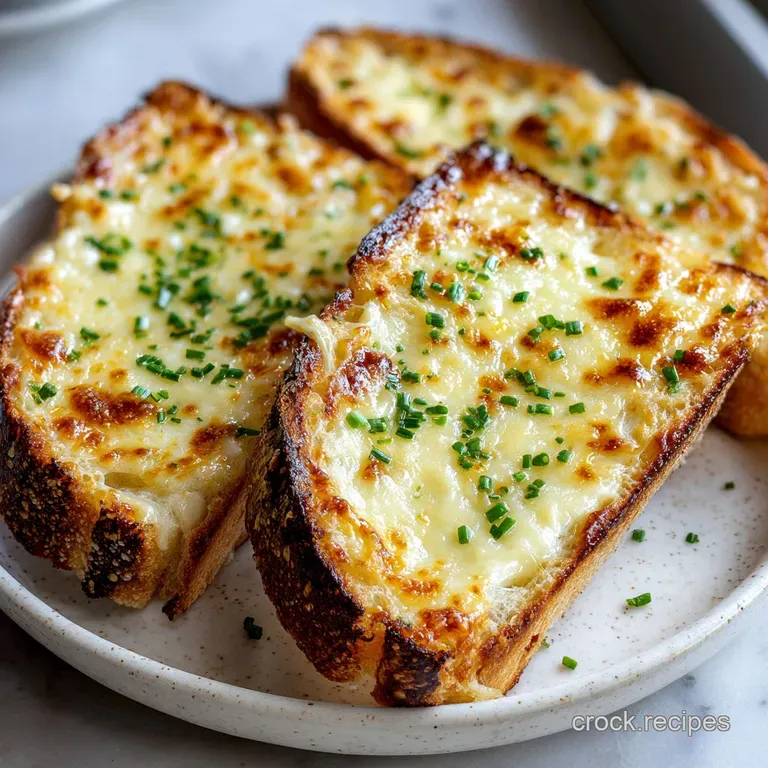
- Add the cheese. Remove from the oven, top with the 60g mozzarella and 30g Parmesan, then return to the oven for 5 minutes. Note: Bake until the cheese is bubbling and has small golden brown spots.
Chef's Tip: Freeze your butter for 10 minutes before mixing the spread. This prevents it from melting too fast in the oven, allowing the bread to rise slightly more before the fat fully saturates the crumb.
Solving Your Garlic Bread Woes
Why Your Bread Is Soggy
If your bread feels heavy or wet in the middle, it’s usually because the butter was applied too early or the oven wasn't hot enough. When we use 45g of butter and 30ml of oil, that's a lot of fat. If the dough hasn't set its structure through heat, that fat just soaks in and collapses the air bubbles.
Fixing a Burnt Garlic Bitter Taste
Fresh garlic is delicate. If it turns dark brown or black, it becomes incredibly bitter. This is why we mix it with olive oil and butter the fats act as a heat buffer. If you're still having trouble, try placing the baking sheet on a higher rack to move the garlic away from the bottom heating element.
| Problem | Root Cause | Solution |
|---|---|---|
| Tough/Hard Crumb | Too much flour (over measured) | Use a scale for exactly 375g flour. |
| No Rise | Water too hot or cold | Ensure water is exactly 105°F (40°C). |
| Pale Crust | Oven temp too low | Verify oven with a thermometer; use 400°F (200°C). |
Common Mistakes Checklist ✓ Never skip the second rise; it's the difference between a brick and a cloud. ✓ Pat the parsley dry after washing to prevent adding extra moisture to the spread. ✓ Don't use pre shredded Parmesan; the anti caking agents prevent a silky melt.
✓ Let the bread rest for 5 minutes before slicing so the cheese sets slightly. ✓ Microplane the garlic into the oil first to let the flavors marry before adding butter.
Adjusting for Different Batch Sizes
If you want to cut the recipe in half for a quick snack, use a smaller 8 inch round cake pan. You'll want to reduce the baking time by about 3 minutes, but keep the temperature at 400°F (200°C).
When scaling down, beat one egg and use only half for any egg washes (though this recipe uses oil/butter for the same effect).
Scaling up is easy, but remember that 750g of flour is a lot for a standard stand mixer. Work in two separate batches of dough to ensure the gluten is developed properly. For the spices and salt, don't just double them increase by 1.5x first and taste the spread.
Often, the saltiness of the Parmesan (30g) is enough to carry a larger batch without doubling the added sea salt.
| Fresh Ingredients | Shortcut Version | Flavor Impact |
|---|---|---|
| Freshly Kneaded Dough | store-bought Pizza Dough | Less yeasty depth; much faster. |
| Microplaned Fresh Garlic | Jarred Minced Garlic | Jarred can be "tinny" or acidic. |
| Fresh Parsley | Dried Parsley | Dried lacks the vibrant green aroma. |
If you find yourself in a rush, a great alternative is my Homemade Garlic Knots recipe, which uses a slightly different dough handling technique that's perfect for smaller, individual portions.
Debunking Common Bread Myths
A common misconception is that "more garlic always equals more flavor." In reality, raw garlic contains harsh compounds that can overwhelm the bread if used in excess. Using 4 cloves is the "sweet spot" because it provides intensity without that lingering, acrid burn that ruins the palate.
Another myth is that you need a pizza stone for a crispy bottom. While a stone helps, the 30ml of olive oil in our spread actually fries the bottom of the dough against the metal pan, creating a "focaccia style" crunch that is incredibly satisfying.
Storage Guidelines and Zero Waste
Fridge Storage: Wrap any leftovers tightly in foil. It will stay fresh for up to 4 days. To reheat, don't use the microwave it turns the bread into rubber. Use a 350°F (180°C) oven for 5-8 minutes until the cheese sizzles again.
Freezer Instructions: You can freeze the baked bread for up to 2 months. I recommend slicing it first, then freezing with parchment paper between slices. You can pop a single slice directly into a toaster oven for an easy snack.
Zero Waste Tip: If you have scraps that have gone completely stale, don't toss them! Pulse them in a food processor to make the most incredible garlic butter breadcrumbs you've ever had. Use them to top a mac and cheese or as a coating for chicken cutlets.
Even the parsley stems can be saved toss them into a bag in the freezer for your next batch of vegetable stock.
Serving Guidelines for a Hearty Meal
This bread is designed to be the ultimate companion. Because it’s so satisfying and heavy on the garlic, it pairs beautifully with high acid tomato sauces. Think of it as a tool for cleaning your plate.
If you want to go the extra mile, serve this alongside a bowl of my Dreamy Creamy Garlic recipe. Dipping garlic bread into more garlic sauce might sound extreme, but for true garlic lovers, it’s a match made in heaven.
- For a spicier kick
- Add 1 tsp of red pepper flakes to the butter spread.
- For a softer crust
- Brush the edges with a little extra olive oil immediately after taking it out of the oven.
- For a smokier flavor
- Swap the mozzarella for a smoked provolone or gouda.
Whether you're serving this with a giant bowl of spaghetti or just eating a warm slice standing over the kitchen counter (we've all been there), this recipe is the one that will stick with you. The aroma alone is enough to make it a permanent resident in your recipe box.
Enjoy the sizzle, the scent, and that perfect, buttery crunch.

Recipe FAQs
Can I substitute instant yeast for the active dry yeast required?
Yes, but adjust the method. Instant yeast does not require blooming in warm water, so mix it directly into the dry ingredients before adding the liquid components.
Why is my garlic bread crumb dense instead of airy and soft?
No, this usually indicates insufficient rising time or over measured flour. Ensure you kneaded the dough long enough to develop gluten and allowed the full 60-minute first rise to complete.
How to achieve the deep, toasted flavor in the butter spread without burning the garlic?
Combine the microplaned garlic paste with the olive oil first. The oil buffers the raw garlic's sharpness and prevents the fresh solids from scorching before the butter fully melts in the oven.
Is it true that using pre-shredded mozzarella results in a greasy topping?
Yes, this is common. Pre-shredded cheeses contain anti caking agents that prevent them from melting smoothly and often cause excess oil separation.
How to scale this recipe down for just two people?
Halve all ingredients and use an 8 inch round pan. Reduce the initial dough rise time slightly, aiming for about 45 minutes instead of the full hour for the smaller mass.
Can I make the dough entirely ahead of time and proof it overnight in the refrigerator?
Yes, cold fermentation enhances flavor significantly. After kneading, place the dough in an oiled container, let it rise at room temperature for 30 minutes, then refrigerate for up to 24 hours.
What is the best way to reheat leftover bread to restore the crust crispness?
Bake uncovered at 350°F (180°C) for 5 to 8 minutes. Avoid the microwave, which steams the bread, turning the crispy crust soft and chewy.
Addictive Garlic Bread Recipe
Ingredients:
Instructions:
Nutrition Facts:
| Calories | 201 kcal |
|---|---|
| Protein | 5.4g |
| Fat | 8.5g |
| Carbs | 25.2g |
| Fiber | 1.1g |
| Sugar | 1.2g |
| Sodium | 425mg |
