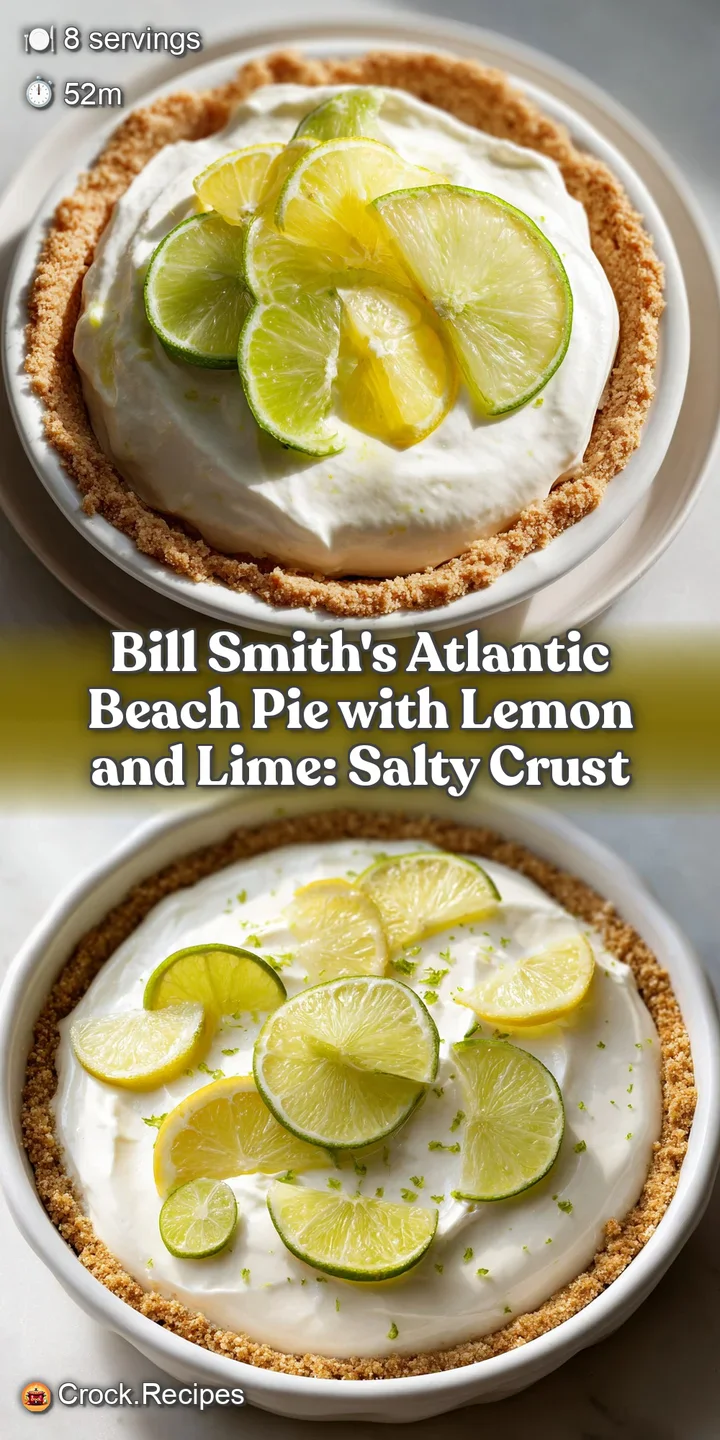
Bill Smith's Atlantic Beach Pie with Lemon and Lime
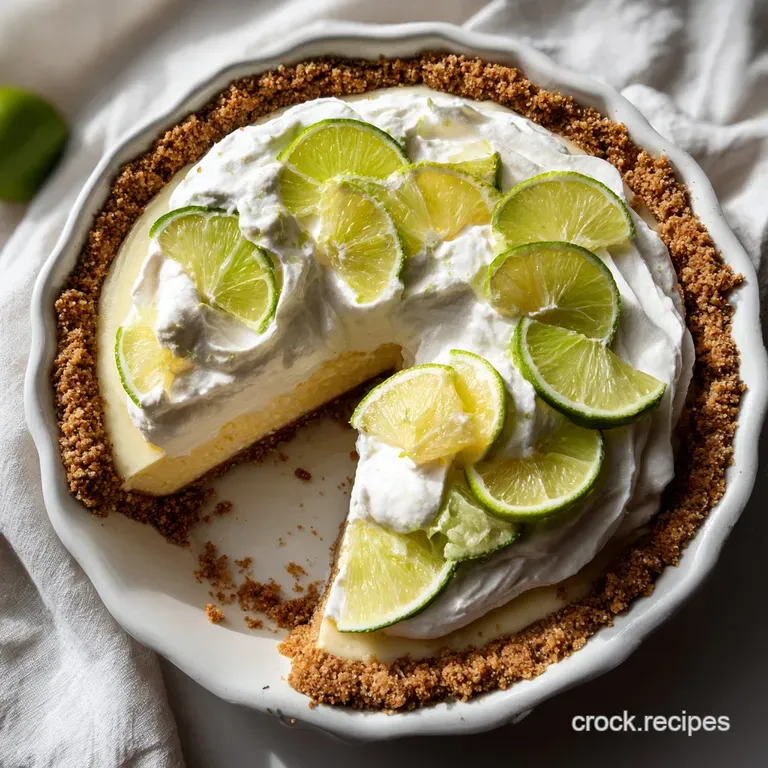
- Time: Active 20 minutes, Passive 32 minutes, Total 52 minutes
- Flavor/Texture Hook: Shattering saltine crust with velvety citrus
- Perfect for: Summer cookouts, Sunday supper, or impressing pie skeptics
- Bill Smith's Atlantic Beach Pie with Lemon and Lime
- Why This Tangy Custard Works
- Component Analysis for Pie Success
- Essential Components and Smart Swaps
- Tools for a Perfect Crust
- Step-by-Step Coastal Baking Guide
- Solving Common Baking Hurdles
- Creative Twists on This Classic
- Debunking Kitchen Myths
- Storing and Keeping it Fresh
- Perfect Pairings for This Dessert
- Recipe FAQs
- 📝 Recipe Card
Bill Smith's Atlantic Beach Pie with Lemon and Lime
Imagine sitting on a weathered wooden porch in Morehead City, the air thick with the scent of salt spray and blooming jasmine. The first time I bit into a slice of this Atlantic Beach pie, I actually stopped talking mid sentence. It wasn't just the bright, puckering punch of the citrus; it was that crust.
It’s thick, golden, and has this incredible crunch that reminds you of childhood snacks but feels completely grown up when paired with a cold glass of sweet tea. Indulge in Bill Smith's Atlantic Beach Pie with Lemon and Lime, a uniquely tangy and unforgettable dessert.
Honestly, I used to be a total snob about pie crusts always obsessed with cold butter and "perfect" flaky layers. Then I tried this saltine version and realized I'd been working way too hard for years. This recipe is the hero of Crook's Corner for a reason.
It’s humble, it’s honest, and it hits every single flavor note our brains crave: sweet, sour, salty, and creamy.
We've all been there where a lemon pie ends up tasting like a cleaning product or, worse, has a soggy bottom that ruins the whole experience. This isn't that pie. The saltines stay structural and snappy, providing a rugged contrast to the dense, luscious filling.
It’s the kind of dish that makes people ask for the recipe before they've even finished their first slice, and trust me, you'll want to keep the secret of the crackers close to your chest until the very end.
Why This Tangy Custard Works
- Alkaline Contrast: The salt in the crackers reacts with the high acid citrus, neutralizing harsh metallic notes and highlighting the fruit's natural sweetness.
- Emulsification Stability: Sweetened condensed milk acts as a powerful emulsifier, binding the egg yolks and citrus juice into a stable, velvety matrix that won't weep.
- Maillard Magic: Pre baking the saltine and sugar crust allows for deep caramelization, creating a barrier that prevents the custard from soaking into the base.
| Cooking Method | Time | Texture Result | Best For |
|---|---|---|---|
| Conventional Oven | 32 minutes | Crisp, browned edges | Traditional crunch |
| Convection Oven | 26 minutes | Extra shattering crust | Speed and maximum snap |
| Toaster Oven | 35 minutes | Softer, chewier base | Small batches/Solo cooks |
The choice of oven really dictates how much "snap" you get in that first bite. If you're using a convection setting, keep a close eye on the crust during that initial bake, as those thin cracker shards can go from golden to burnt in a heartbeat.
I personally prefer the standard oven setting because it gives the custard time to set gently without over browning the delicate whipped cream topping.
Component Analysis for Pie Success
| Ingredient | Science Role | Pro Secret |
|---|---|---|
| Saltine Crackers | Structural Base | Pulse into coarse crumbs, not a fine powder, for better "shatter." |
| Egg Yolks | Fat & Binding | Room temperature yolks blend more smoothly into the heavy milk. |
| Citrus Juice | Protein Denaturation | Use a 50/50 lemon and lime mix to provide a complex acid profile. |
| Condensed Milk | Sugar & Texture | This provides the "body" of the pie, ensuring it slices cleanly. |
Choosing the right components is half the battle when you're aiming for that classic North Carolina lemon pie vibe. Much like the base of The Homemade Eggnog recipe, the richness here depends entirely on the quality of your dairy and the freshness of your eggs. Don't even think about using the bottled juice from a plastic lemon; you need the real deal to get that bright, zippy finish.
Essential Components and Smart Swaps
- 1.5 sleeves (approx. 6 oz) saltine crackers: These provide the signature salty crunch. Why this? They stay crisp under moisture better than graham crackers.
- Substitute: Ritz crackers for a more buttery, less salty finish.
- 0.5 cup unsalted butter, softened: Binds the cracker crumbs into a moldable dough. Why this? Using unsalted lets you control the final salt level perfectly.
- Substitute: Salted butter (just skip the extra sea salt garnish later).
- 3 tbsp granulated sugar: Helps the crust caramelize and stick together. Why this? Adds just enough sweetness to balance the saltines.
- Substitute: Light brown sugar for a hint of molasses depth.
- 1 can (14 oz) sweetened condensed milk: The sweet, creamy backbone of the filling. Why this? It provides a dense texture that doesn't require flour or cornstarch.
- Substitute: Coconut condensed milk for a dairy-free attempt (note: it will be softer).
- 4 large egg yolks: Essential for the custard set and golden color. Why this? Yolks provide a much richer mouthfeel than whole eggs.
- Substitute: 3 whole eggs if you want a lighter, more "soufflé" texture.
- 0.5 cup fresh citrus juice (lemon and lime mix): The acid that sets the milk and adds flavor. Why this? This specific ratio is the hallmark of Bill Smith's recipe.
- Substitute: All lemon or all Key lime juice.
- 1 cup heavy whipping cream: For the fluffy, cloud like topping. Why this? The fat content ensures the cream holds its peak.
- Substitute: Full fat Greek yogurt (whisked with honey) for a tangy twist.
- 2 tbsp powdered sugar: Sweetens the whipped cream without adding grittiness. Why this? Dissolves instantly into the cold cream.
- Substitute: Maple syrup for an earthy sweetness.
- 1 tsp flaky sea salt: The final flavor enhancer. Why this? Provides little "pops" of salt that wake up the citrus.
- Substitute: Regular kosher salt (use half the amount).
- 1 tsp fresh citrus zest: For aroma and visual appeal. Why this? The oils in the zest carry more flavor than the juice.
- Substitute: Candied lemon peel.
Tools for a Perfect Crust
You don't need a high tech kitchen to pull this off, but a few specific items make it much easier. A standard 9 inch pie plate is non negotiable glass or ceramic works best so you can see the color of the crust as it bakes.
You’ll also want a sturdy whisk to ensure the yolks and condensed milk are fully integrated; any streaks of yolk will cook into "scrambled eggs" in the oven, which is definitely not the goal.
Chef's Tip: Freeze your butter for 10 minutes before mashing it into the cracker crumbs. This keeps the butter from melting too quickly, ensuring the crust stays "short" and crisp rather than greasy.
If you don't have a food processor, don't worry. Just toss the saltines into a large gallon sized bag and go at them with a rolling pin. You want some pieces to be the size of coarse sand and others a bit larger, like oats. This variety in texture is what makes the Atlantic Beach pie recipe so famous. For another classic with a great crust, you might want to try the Classic Cherry Pie Recipe, though that one uses a traditional pastry.
step-by-step Coastal Baking Guide
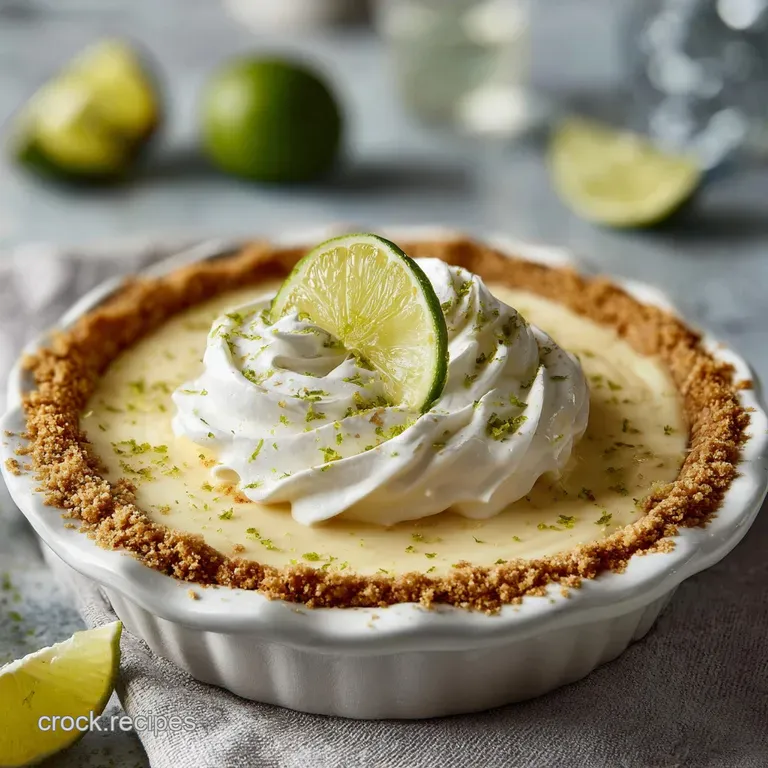
- Prep the base. Crush 1.5 sleeves of saltines by hand or in a processor until they are coarse crumbs. Note: Don't turn them into dust; we want texture.
- Mix the dough. Combine crumbs with 3 tbsp sugar and 0.5 cup softened butter using your hands or a fork. Mix until the dough holds together like wet sand.
- Form the shell. Press the mixture into a 9 inch pie pan, pushing it firmly up the sides. Note: Use the bottom of a flat glass to get an even thickness.
- Initial bake. Place the crust in a 350°F (180°C) oven for 18 minutes. Bake until the edges are deep golden and smell like toasted crackers.
- Whisk the filling. While the crust cools slightly, beat 4 egg yolks into 14 oz sweetened condensed milk. Whisk until the mixture is thick and pale yellow.
- Add the zing. Slowly pour in 0.5 cup citrus juice while continuing to whisk. Note: The mixture will thicken almost instantly as the acid reacts with the milk.
- Final bake. Pour the filling into the warm crust and bake for 16 minutes. Cook until the center has a slight jiggle but is mostly set.
- Chill thoroughly. Allow the pie to cool at room temperature, then refrigerate for at least 4 hours. Note: This is crucial for the custard to reach its final density.
- Whip the topping. Beat 1 cup heavy cream with 2 tbsp powdered sugar until stiff peaks form. Whip until the cream is voluminous and holds its shape.
- Garnish and serve. Spread the cream over the chilled pie, then sprinkle with 1 tsp flaky sea salt and 1 tsp citrus zest. Top just before serving for the best texture.
Solving Common Baking Hurdles
Why Your Crust Is Crumbly
The most common mistake is not pressing the crumbs hard enough into the pan. If the butter isn't acting as a strong enough glue, the crust will simply collapse when you try to slice it. You really have to put some muscle into it!
Another culprit is crumbs that are too large; if the pieces are massive, they won't lock together.
To Avoid "Egginess" in the Filling
If your pie tastes like a sweet omelet, you likely overcooked the filling or didn't whisk the yolks well enough into the milk before adding the juice. The acid in the lemon and lime juice actually starts the "cooking" process of the proteins before the pie even hits the oven.
Ensure your oven is calibrated correctly so it doesn't run too hot.
| Problem | Root Cause | Solution |
|---|---|---|
| Soggy Crust | Filling added to cold crust | Pour filling while crust is still warm to "sear" the surface. |
| Runny Filling | Not enough chilling time | Chill for a full 4 hours; the custard sets as it cools. |
| Whipped Cream Collapsing | Over beating or warm cream | Use a chilled bowl and stop as soon as peaks are stiff. |
Common Mistakes Checklist ✓ Use a 50/50 mix of lemon and lime for the most authentic North Carolina lemon pie flavor. ✓ Don't skip the pre bake of the crust; it's the only way to get that mahogany color.
✓ Use fresh squeezed juice only; the bottled stuff lacks the necessary enzymes for a proper set. ✓ Let the pie reach room temperature before putting it in the fridge to avoid condensation. ✓ Apply the whipped cream only when the pie is cold to the touch.
Creative Twists on This Classic
For a Tropical Twist
Replace the heavy cream topping with a layer of toasted coconut flakes and use 100% lime juice in the filling. This leans into the "beach" theme even harder and adds a lovely chewiness to the overall experience. You could even swap the butter in the crust for solid coconut oil for a subtle nutty aroma.
For the Perfect Juice Blend
While Bill Smith's classic uses lemon and lime, I've had great success adding a splash of grapefruit juice to the mix. It adds a sophisticated bitterness that cuts the sweetness of the condensed milk even further.
Just make sure your total juice volume stays at exactly 0.5 cup so you don't mess up the hydration of the custard.
| Premium Option | Budget Shortcut | Flavor Impact | Savings |
|---|---|---|---|
| Maldon Sea Salt | Standard Kosher Salt | Less "crunch" in the salt | Save $5.00 |
| Organic Heavy Cream | Store Brand Topping | Less rich mouthfeel | Save $3.00 |
| Fresh Vanilla Bean | Vanilla Extract | Milder aroma | Save $10.00 |
Adjusting the recipe for your budget is easy. While fresh citrus is a must, you can certainly use store brand crackers and milk without losing much of the soul of the dish. The most important thing is the technique and the contrast between the salt and the citrus.
Debunking Kitchen Myths
"You have to use Key limes for it to be authentic." Actually, Bill Smith chef Atlantic Beach Pie was originally designed with regular grocery store lemons and limes. Key limes are delicious but can be overly floral; the sharp acidity of standard Persian limes is what really makes this recipe sing.
"The crackers will get soggy overnight." Total myth! Because the saltine crust is high in fat and sugar, and it's pre baked until quite dark, it holds its crunch remarkably well for 2 or 3 days in the fridge. In fact, some people argue the flavor improves on day two as the citrus mellows out.
Storing and Keeping it Fresh
Storage: Keep the pie in the refrigerator, loosely covered with plastic wrap or a pie dome. It will stay fresh and delicious for up to 3 days. If you've already topped it with whipped cream, the cream might start to "weep" after 24 hours, so I recommend topping individual slices if you aren't serving the whole pie at once.
Freezing: You can freeze the pie (without the whipped cream) for up to 2 months. Wrap it tightly in a double layer of plastic wrap and then foil. To thaw, leave it in the fridge overnight. Do not thaw at room temperature, or the crust may lose its signature snap.
Zero Waste: If you have leftover saltines that didn't make it into the crust, crush them up and use them as a topping for a mac and cheese bake. Leftover egg whites can be used for a healthy morning omelet or frozen for a future batch of meringues.
Even the citrus rinds can be tossed into a jar of white vinegar to create a natural, fresh smelling kitchen cleaner!
Perfect Pairings for This Dessert
This pie is quite rich, so you want to pair it with something that offers a bit of contrast. A strong, dark roast coffee is my go to, as the bitterness of the beans balances the sugary condensed milk.
If you're serving this at a summer party, a crisp glass of Prosecco or a dry Rosé works beautifully, highlighting the bright citrus notes.
For a full coastal spread, serve this after a main course of grilled shrimp or a low country boil. The lightness of the seafood makes the decadence of the Atlantic Beach pie feel like the perfect, satisfying conclusion to the meal. It truly is the taste of summer in every single bite.
Recipe FAQs
Can I substitute graham crackers for the saltine crackers?
No, you should stick with saltines for authenticity. Graham crackers have a sweeter, honeyed flavor profile that competes with the citrus, and they don't provide the same necessary salty counterpoint.
How to prevent the custard filling from curdling or weeping after baking?
Chill the pie for a minimum of four hours, completely undisturbed. The acid in the citrus requires this long, slow cooling period in the refrigerator to fully set the proteins in the condensed milk and egg yolks into a stable matrix.
Is it necessary to use both lemon and lime juice?
Yes, the 50/50 blend is crucial for balancing flavor. Using only lemon can be too sharp, while using only lime can taste too floral; the combination provides the complex, traditional sweet tart punch this pie is known for.
How long can the pre-baked saltine crust be stored before adding the filling?
You can safely store the baked crust for up to 24 hours at room temperature. Ensure it is completely cooled and covered tightly, though I find the best texture is achieved if you fill and chill it the same day.
How do I ensure the whipped cream topping stays stiff and doesn't collapse?
Use very cold heavy cream and a pre-chilled mixing bowl. Beat until medium stiff peaks form, and avoid adding the powdered sugar too early, as it can sometimes deflate the aeration. If you enjoy mastering emulsion stability, the same cold whisking principle applies when making our Frozen Peanut Butter Pie recipe.
What is the best way to achieve a perfectly set custard without scrambling the yolks?
Whisk the yolks completely into the condensed milk before introducing the citrus juice. The acid should be added last, slowly, while whisking continuously to prevent localized curdling. This method ensures the even distribution of the thickening agents.
Can I make this pie dairy-free by substituting coconut milk?
Yes, you can substitute with coconut condensed milk, but expect a softer final set. Coconut milk is less dense than traditional dairy, so the custard will be looser; consider using a small amount of cornstarch if you desire a firmer slice, similar to how we adjust thickeners in our Classic Shepherd's Pie recipe.
Atlantic Beach Pie Recipe
Ingredients:
Instructions:
Nutrition Facts:
| Calories | 442 calories |
|---|---|
| Protein | 7.2 g |
| Fat | 27.1 g |
| Carbs | 43.5 g |
| Fiber | 0.6 g |
| Sugar | 34.2 g |
| Sodium | 282 mg |
