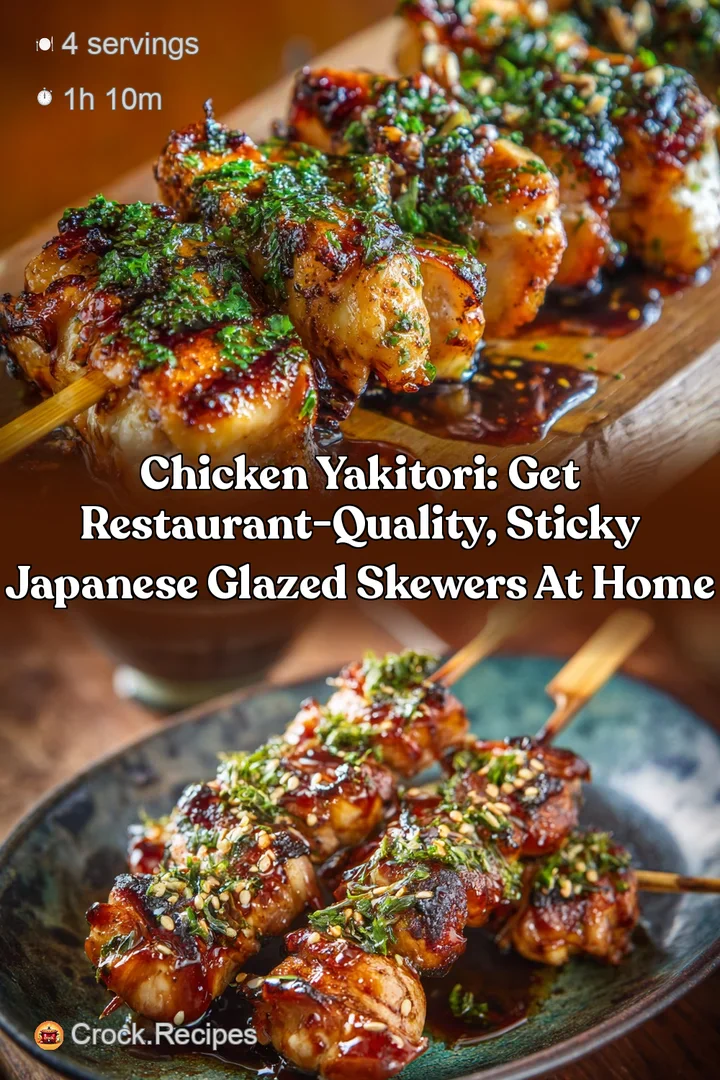
Chicken Yakitori: the Ultimate Authentic Izakaya Skewers (Tori Momo)
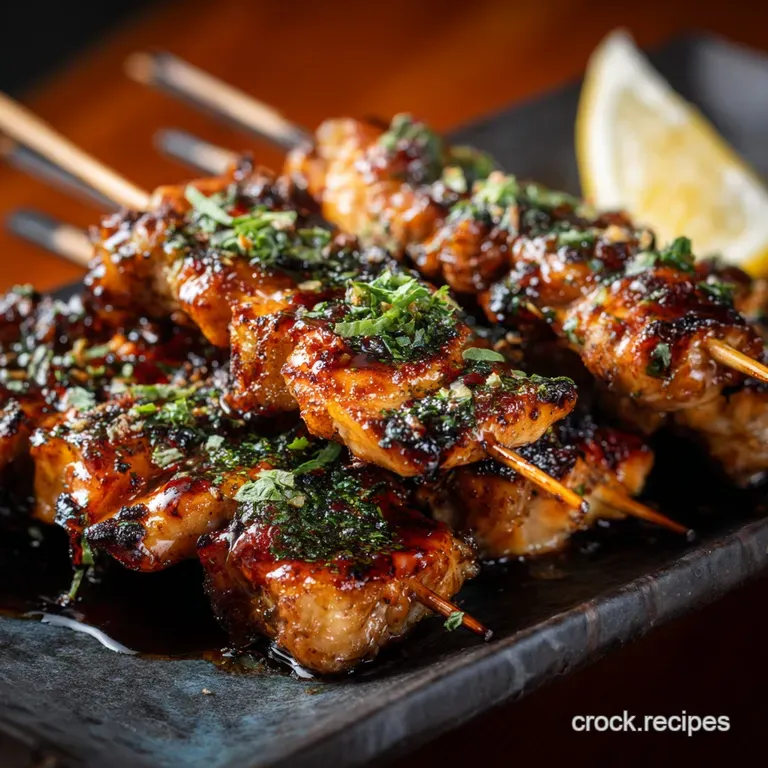
- Elevating Home Cooking: The Art of Authentic Chicken Yakitori
- Flavor Science: Achieving the Perfect Texture and Umami Balance
- Essential Components for Superior Chicken Yakitori
- Mastering the Technique: Your Guide to Grilling Yakitori
- Elevating Your Home Grill Game: Perfect Chicken Yakitori Results
- Meal Prep and Preservation: Storing Cooked Yakitori
- Complete the Izakaya Experience: Serving Your Chicken Yakitori
- Recipe FAQs
- 📝 Recipe Card
Elevating Home Cooking: The Art of Authentic Chicken Yakitori
That smell. It’s smoky, sweet, and sticky all at once, totally intoxicating. When I grill these Authentic Chicken Yakitori skewers, the neighborhood basically lines up at my back door waiting for a bite. The caramelized tare glaze mixed with that high heat char is utterly addictive, seriously.
People often think Yakitori is complicated, but honestly, this recipe is a weeknight lifesaver if you plan ahead. You can prep the diced chicken and the glaze ahead of time, making dinner assembly fast and stress free.
Plus, using cheap, flavourful chicken thighs means this recipe is incredibly budget friendly for feeding a crowd or just satisfying a craving.
Forget those dry, pale skewers you get at mediocre take out joints. We are making the real deal here, the classic tori momo you’d find in a smoky Tokyo izakaya .
Trust me, mastering the grill technique is the only tricky bit, and I’ve broken down exactly how to nail it perfectly every single time. Let's crack on!
Flavor Science: Achieving the Perfect Texture and Umami Balance
Defining Tori Momo: Why Thigh is the Key to Succulence
Chicken thigh, or tori momo , is non-negotiable for superior Yakitori, so don't even think about breast meat. The higher inherent fat content is absolutely essential for preventing the meat from drying out when subjected to intense, direct heat.
This allows the exterior to crisp and the glaze to caramelize beautifully without ruining the internal moisture.
The Cultural Significance of Yakitori in Izakayas
Yakitori is far more than just chicken on a stick; it’s the very heart of the Japanese izakaya experience. These are casual pubs where salty, flavourful foods like these sweet and savory skewers are specifically designed to be enjoyed alongside a cold beer or sake.
Understanding this context helps you appreciate why we make the skewers small, quick cooking, and packed with strong umami flavors.
Understanding Tare: The Backbone of the Glaze
Tare is the secret sauce here, and it’s surprisingly simple. It’s essentially a reduction of soy sauce, mirin, sake, and sugar, and it gives the dish its signature glossy finish.
The slow, controlled reduction concentrates the sugars and creates a sticky, syrupy consistency that adheres perfectly to the hot chicken once it hits the grill.
The Maillard Reaction on the Grill
The Maillard reaction is just the scientific term for why browned food tastes so spectacular, creating hundreds of complex flavor compounds. When we apply the high sugar tare to the already mostly cooked chicken over intense heat, the sugars caramelize rapidly.
This fast browning adds complex roasted and savory notes that are absolutely essential for achieving authentic flavour depth.
Maximizing Moisture Retention with Tori Momo
We dice the tori momo uniformly, which is crucial, and thread it snugly onto the skewer. This slight compression helps the meat hold onto its precious juices during the aggressive grilling process.
I learned this the hard way when my first batch of loosely packed skewers came out sadly dry and disappointed me greatly.
The Balance of Sweet, Salty, and Savory (The Tare Principle)
The best tare hits all the key flavor notes at once, creating a genuinely craveable profile. Sake and mirin provide deep, subtle sweetness and aromatic depth, while the soy sauce brings that essential saltiness and umami punch.
It’s a flawless harmony that makes these skewers nearly impossible to stop eating.
Essential Components for Superior Chicken Yakitori
Primary Ingredients: Cuts and Quality Notes
Always start with fresh, boneless, skinless chicken thighs for this recipe. You should trim off any huge, floppy chunks of fat, but please don't obsess over making the meat lean; the fat is flavour.
Fresh spring onions provide that necessary sharp, clean contrast to the rich, dark glaze, which is a key component of the classic tori negima style.
Building the Tare Glaze: Soy Sauce, Mirin, and Sake Ratios
The ratio is totally key here; my recommended half cup each of soy sauce and mirin creates the perfect balance of savory and sweet. Using quality Japanese soy sauce makes a huge, noticeable difference in the final product's complexity.
Remember: use low-sodium soy sauce if you are sensitive to salt, as the reduction concentrates the sodium.
Essential Tools: Skewering Techniques and Grill Setup
Bamboo skewers must be soaked thoroughly in water for at least 30 minutes, seriously, just do it so they don't combust. If you have a small, dedicated Japanese charcoal grill (a konro ), that is amazing, but a regular gas grill or even the oven broiler works perfectly fine for home use.
The broiler is actually my favorite cheater tool for this recipe.
Ingredient Deep Dive: Can I Substitute Mirin?
Yes, you can, but it changes the flavour slightly. Here is what I keep on hand for when I run out of the proper stuff:
| Ingredient | Recommended Substitution | Why it Works |
|---|---|---|
| Chicken Thigh | Pork Belly | Higher fat content mimics the juiciness of the thigh under high heat. |
| Mirin | Dry White Wine + 1 tsp Sugar | Mimics the mild sweetness and necessary alcohol content. |
| Sake | Dry Sherry or Rice Vinegar (use less) | Provides the alcoholic base; vinegar adds acidity, so use sparingly. |
| Soy Sauce | Tamari or Coconut Aminos | Tamari is gluten-free; Aminos are a great low-carb alternative. |
Mastering the Technique: Your Guide to Grilling Yakitori
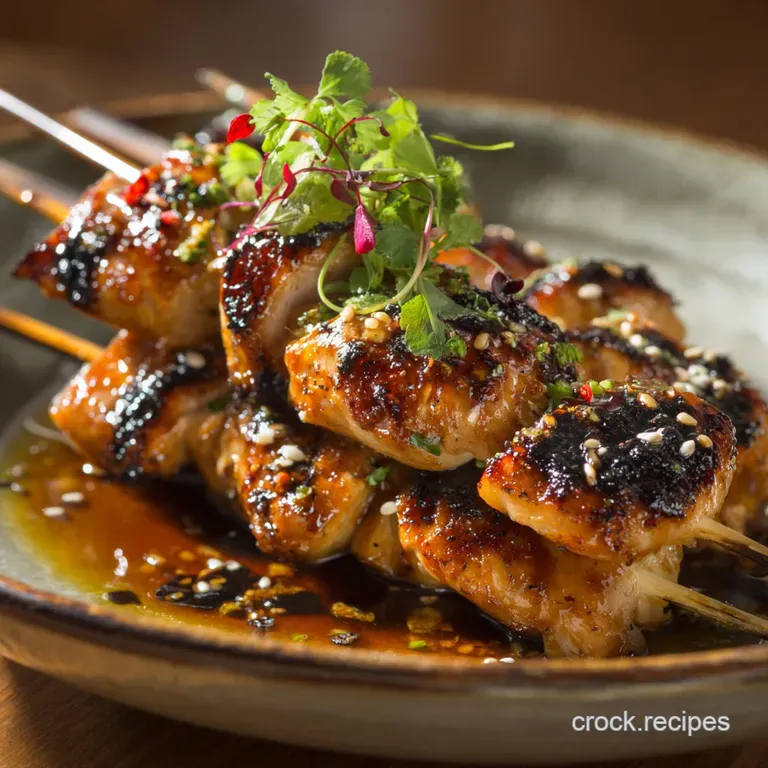
Preparation: Cutting and Skewering the Tori Momo
Take your time cutting the chicken into uniform one-inch cubes; this is absolutely crucial for uniform cooking. We are making the classic tori negima style, so alternate the chicken with the one-inch pieces of spring onion.
Pro Tip: Remember to push the pieces together snugly but don't smoosh them into a solid block.
Crafting the Tare Glaze from Scratch
Do not rush the reduction process! You need that simmer time for the tare to thicken enough to beautifully coat the chicken. When the sauce coats the back of a spoon and looks dark, rich, and syrupy, you’re finally ready.
Don't forget to divide your glaze one for dipping/cooking, one for serving!
The Grilling Sequence: Applying Heat vs. Applying Glaze
This is the most important rule: Cook the chicken almost all the way through before the first glaze application. If you glaze raw chicken, the sugar will burn and turn black and bitter before the internal temperature hits 165°F. Glaze quickly, cook quickly, and repeat.
Resting and Final Brush: Ensuring Maximum Shine
A quick rest off the heat, followed by a final, clean brush of the reserved tare sauce (the serving sauce that never touched raw meat), adds incredible shine and flavour. This final brush is completely safe and gives that rich, deep colour we all want on the plate.
Elevating Your Home Grill Game: Perfect Chicken Yakitori Results
Avoiding the Burn: Glazing Strategy on the Grill
The biggest blunder I ever made was glazing my skewers too early; the high sugar content in the tare needs protection from intense heat. Only apply the glaze for the last 5- 6 minutes of cooking, and keep rotating the skewers constantly to prevent scorching.
We want sticky caramelization, not burnt disaster.
The Right Coal: Using Binchotan vs. Gas Grills
Authentic yakitori-ya use specialized, smokeless Binchotan charcoal, which gives amazing pure heat. If you use a gas grill, make sure your burners are cranked as high as they can go to mimic that necessary intensity.
If you are using your oven broiler, just accept that it’s fast and furious, so never walk away for a second.
Ensuring Uniform Cooking: The Importance of Skewer Density
If your chicken pieces are too sparse on the skewer, they will dry out instantly. If they are too crowded, the middle pieces won't cook all the way through before the outside burns. Pack them snugly, leaving small gaps for heat circulation, much like how you need to ensure even thickness when prepping the meat for my Lemon Garlic Butter Chicken Tenders Speedy 30 Minute Skillet Dinner .
Meal Prep and Preservation: Storing Cooked Yakitori
Safe Refrigeration Guidelines
Cooked Chicken Yakitori keeps beautifully in the fridge for 3 to 4 days in an airtight container. Make sure they cool completely before sealing them up; otherwise, steam will make the precious glaze soggy and sticky in a bad way.
Freezing Uncooked Skewers
You can absolutely prep these ahead and freeze the raw, unglazed skewers for future feasts! Lay them flat on a baking sheet, freeze them until solid, then transfer them to a freezer bag for up to 2 months. Thaw them overnight in the fridge before you proceed with the glazing and grilling steps. This makes future meal prep quick and simple, almost as effortless as making the base for my Crock Pot BBQ Chicken The Effortless Sticky Slow Cooker Recipe .
Reheating Tips for Maximum Crispness
To reheat, avoid the microwave at all costs it turns the glaze rubbery and the chicken chewy (the ultimate tragedy). Instead, pop them into a toaster oven or standard oven set to 350°F (175°C) for 5- 7 minutes.
This gentle heat reactivates the sugars in the glaze and restores that lovely, addicting stickiness.
Complete the Izakaya Experience: Serving Your Chicken Yakitori
Serving these sticky, glorious skewers immediately is essential, fresh off the heat is always best. We always keep a shaker of Shichimi Togarashi nearby that Japanese seven spice blend adds such a necessary burst of heat and citrus complexity right at the end.
Chef's Note: For an authentic Izakaya feel, serve a small, reserved amount of the tare sauce on the side for dipping, alongside a tiny dish of flaky sea salt (for those who prefer the shio style).
Pair this with a simple bowl of steamed rice or perhaps try a light, contrasting side dish. This simple but perfect pairing is much like the pure comfort found in a hearty bowl of Keto Chicken Noodle Soup: The Ultimate Low Carb Comfort Bowl Recipe , simple flavors done exceptionally well. Enjoy!
Recipe FAQs
Why does the tare glaze burn before my chicken is fully cooked?
The Yakitori tare contains high sugar content (from sugar and mirin), which caramelizes quickly and burns easily over direct, high heat. To prevent this, only start brushing the glaze onto the skewers during the last 2 to 3 minutes of grilling.
Also, move the skewers away from the hottest part of the grill during the glazing process to allow for gentle caramelization.
Can I use chicken breast instead of thigh (Tori Momo)?
While chicken breast can be used, we highly recommend the thigh (Tori Momo) as its fat content guarantees maximum succulence and prevents drying out under high heat. If you choose breast, ensure the pieces are generously cubed and monitor the cooking time very closely, pulling them off the heat the moment they reach 165°F (74°C) internal temperature.
Do I need to soak the bamboo skewers before grilling?
Yes, soaking bamboo skewers is absolutely essential. Submerge them in water for at least 30 minutes prior to use to prevent them from catching fire or severely charring during the grilling process. If you forget to soak, you can wrap the exposed ends of the skewers in aluminum foil as a quick protective measure.
How can I make the Yakitori sauce (tare) less sweet?
To reduce the sweetness of the tare, you should slightly decrease the amount of added sugar and mirin specified in the recipe. Compensate for the reduced liquid volume by increasing the amount of soy sauce or adding a dash more cooking sake.
You can also thicken the sauce using a small cornstarch slurry instead of relying on sugar reduction.
What is the best alternative to a traditional Japanese charcoal grill (Konro)?
If a charcoal Konro grill isn't available, the best alternatives are a high heat gas grill or a broiler (oven grill). When using a broiler, place the skewers about six inches beneath the heating element on high heat, turning frequently to ensure even cooking and proper glaze caramelization.
A cast iron grill pan can also provide excellent results on a stovetop.
How should I store and reheat leftover cooked Yakitori?
Leftover cooked Yakitori should be stored in an airtight container in the refrigerator for up to 3 to 4 days. For reheating, the best method is a toaster oven or under a broiler for a few minutes until heated through.
Avoid using a microwave, as it tends to steam the chicken, making the texture rubbery and softening the crisp glaze.
Can this Yakitori recipe be adapted for a gluten-free diet?
Yes, this adaptation is straightforward since the main source of gluten is the soy sauce used in the tare glaze. Simply replace the regular soy sauce with Tamari or a certified gluten-free soy sauce alternative. All other traditional ingredients, like mirin and sake, are typically naturally gluten-free.
Authentic Chicken Yakitori Recipe
Ingredients:
Instructions:
Nutrition Facts:
| Calories | 265 kcal |
|---|---|
| Protein | 27.0 g |
| Fat | 3.0 g |
| Carbs | 27.0 g |
