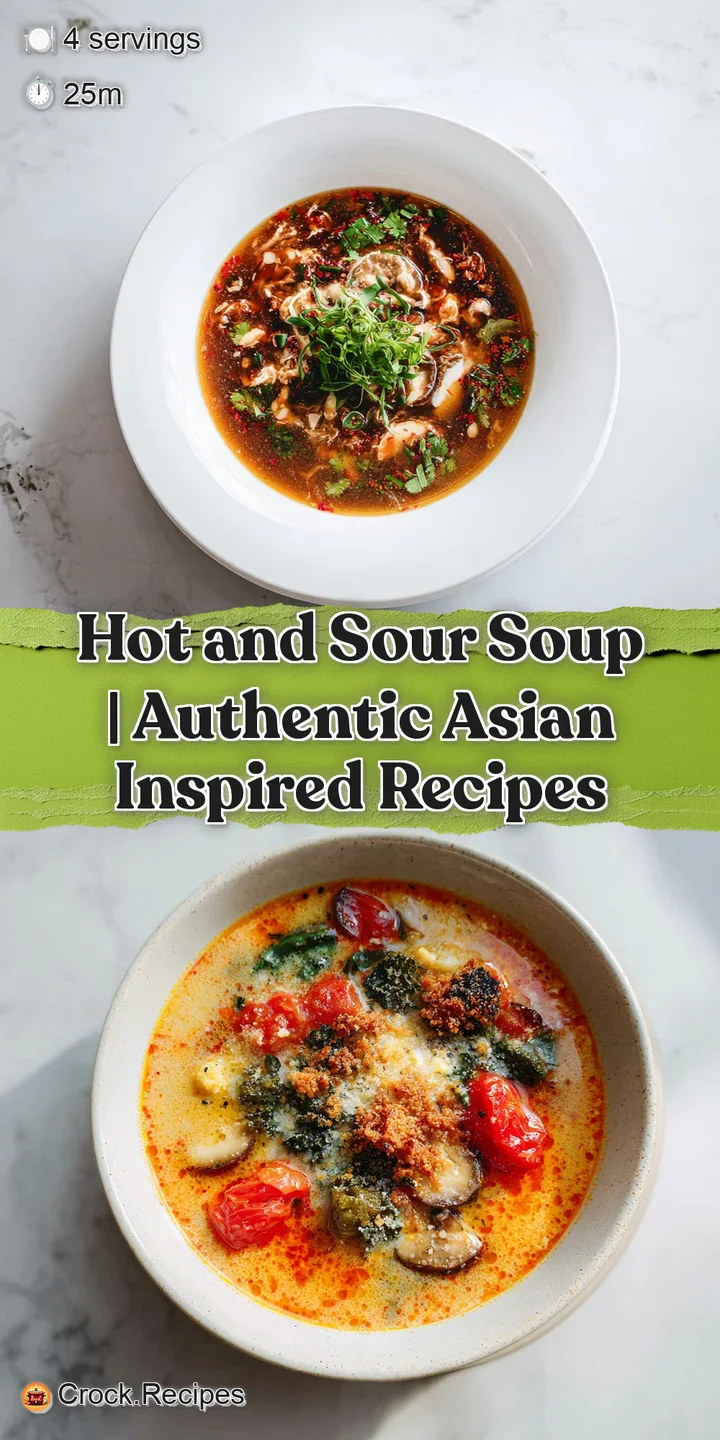
Hot and Sour Soup: Savory and Silky
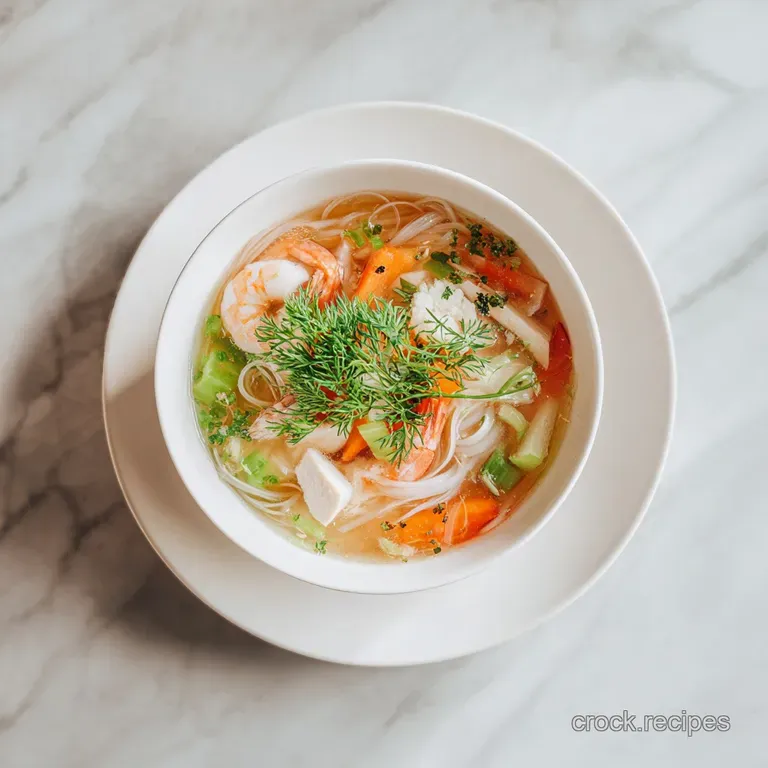
- Time: Active 15 minutes, Passive 10 minutes, Total 25 minutes
- Flavor/Texture Hook: Velvety broth with crunchy wood ears and spicy undertones
- Perfect for: Rejuvenating weeknight dinners or a bold starter for a global inspired feast
- Authentic Hot and Sour Soup Masterclass
- Science of the Broth
- Choose Your Cooking Path
- Ingredient Component Analysis
- Essential Ingredients and Substitutions
- Detailed Cooking Instructions
- Solving Common Issues
- Scaling and Adjustments
- Plating for Visual Impact
- Debunking Common Myths
- Storage and Zero Waste
- CRITICAL: Very High in Sodium
- Recipe FAQs
- 📝 Recipe Card
Authentic Hot and Sour Soup Masterclass
The first time the steam from a proper bowl of Hot and Sour Soup hit my face, I nearly fell off my stool. It was a tiny, windowless spot in a Chinatown basement, and the air was thick with the scent of fermented black vinegar and the sharp, floral sting of white pepper.
I remember watching the chef through a grease streaked window; his movements were a blur, swirling a massive ladle in a rhythmic circle as he drizzled eggs into a bubbling copper colored sea.
That first spoonful was a revelation it wasn't just "hot" or "sour," it was a complex architecture of textures that somehow felt both healing and electrifying.
Since that afternoon, I've been obsessed with recreating that specific vibrancy in my own kitchen. I used to think the heat came from chili oil (it doesn't, really) or that the sourness was just rice vinegar (wrong again).
The secret is in the interplay between the malty depth of Chinkiang vinegar and the unique, nose tickling heat of ground white pepper. When you get the starch slurry just right, the broth becomes a translucent, velvety stage for the "matchsticks" of pork and tofu to dance in.
It’s an irresistible bowl that wakes up every single one of your taste buds.
We’re going for a version that respects the global roots of this street food classic while making it achievable in a standard kitchen. Forget the gloppy, cornstarch heavy versions you might find in a lukewarm buffet tray.
We’re building layers of flavor from scratch, starting with a humble chicken stock and transforming it into a sophisticated, mahogany hued broth. It’s about precision in the prep and timing in the finish. Let’s get your mise en place ready, because once the heat is on, this dish moves fast.
Science of the Broth
- Starch Suspension: Mixing the cornstarch slurry into the boiling broth before adding the eggs creates a thick enough "matrix" to keep the egg ribbons from sinking or clumping.
- Volatile Acidity: Chinkiang black vinegar loses its punch if boiled for too long, so adding it off the heat preserves the complex, malty top notes.
- Protein Denaturation: Slicing the pork into tiny matchsticks increases surface area, allowing the residual heat of the broth to cook the meat in under 3 minutes without it becoming tough.
- Piperine Punch: Unlike the capsaicin in chilies, the heat in this soup comes from white pepper’s piperine, which provides a "back of-the throat" warmth that doesn't mask the sourness.
Choose Your Cooking Path
| Method | Time | Texture | Best For |
|---|---|---|---|
| Authentic Stovetop | 25 minutes | Silky and translucent | Recreating a restaurant style finish with perfect egg ribbons |
| Quick Shortcut | 18 minutes | Hearty and thick | Using pre shredded rotisserie chicken and canned mushrooms for speed |
| Vegetarian Pivot | 25 minutes | Earthy and light | Swapping pork for extra shiitakes and using a rich vegetable base |
If you are looking for something with a bit more of a garden fresh feel, you might enjoy this Hearty Homemade Vegetable Soup recipe as a lighter alternative. However, for those craving the specific umami sour balance of this dish, sticking to the stovetop method is the only way to get those legendary silk like ribbons.
The stovetop method allows you to control the exact moment the starch activates. If you add it too late, the soup remains watery; too early, and it can become a jelly. By following the 25 minute timeline, you ensure the wood ear mushrooms have enough time to soften while the bamboo shoots retain their signature snap.
Ingredient Component Analysis
| Ingredient | Science Role | Pro Secret |
|---|---|---|
| Chinkiang Vinegar | Provides complex acidity and deep color | Always add this at the very end to prevent the flavor from "flattening" |
| White Pepper | Primary heat source | Bloom it in a tiny bit of warm broth before adding to prevent clumps |
| Wood Ear Mushrooms | Structural crunch | These don't have much flavor but are essential for the "crunchy chewy" contrast |
| Cornstarch Slurry | Viscosity agent | Ensure the water is ice cold to prevent lumps before it hits the hot pot |
Essential Ingredients and Substitutions
To achieve that irresistible restaurant finish, your knife work is just as important as the ingredients themselves. Everything should be uniform in size think matchsticks to ensure every spoonful has a bit of everything.
- 6 cups low sodium chicken stock: The foundation of the soup. Why this? Allows you to control the saltiness while providing a rich, savory backbone.
- Substitute: Vegetable broth (best with a splash of mushroom liquid for depth).
- 2 tbsp soy sauce: Provides salt and that essential mahogany hue. Why this? Adds fermented depth and umami without needing extra salt.
- Substitute: Tamari (use for a gluten-free version).
- 1/4 cup Chinkiang black vinegar: The star of the show. Why this? Offers a malty, woody acidity that white vinegar can't touch.
- Substitute: 3 tbsp balsamic vinegar mixed with 1 tbsp rice vinegar.
- 1 tsp ground white pepper: The "hot" in Hot and Sour. Why this? Provides a sharp, floral heat that lingers in the throat.
- Substitute: Freshly cracked black pepper (though the flavor will be more "earthy" and less "sharp").
- 1/2 cup pork loin: Sliced into matchsticks. Why this? A lean protein that stays tender when cooked quickly in broth.
- Substitute: Firm tofu strips or shredded chicken breast.
- 1/4 cup dried wood ear mushrooms: Rehydrated and sliced. Why this? Provides an incredible, gelatinous yet crunchy texture.
- Substitute: Sliced fresh shiitake or additional bamboo shoots.
- 2 large eggs: Well beaten for the ribbons. Why this? Adds richness and creates the iconic visual swirl.
- Substitute: A silken tofu "crumble" (though you lose the ribbon effect).
Chef's Tip: To make slicing the pork loin into perfect matchsticks much easier, put the meat in the freezer for about 15-20 minutes before cutting. It firms up the fat and muscle fibers so your knife glides through without the meat sliding around.
Detailed Cooking Instructions
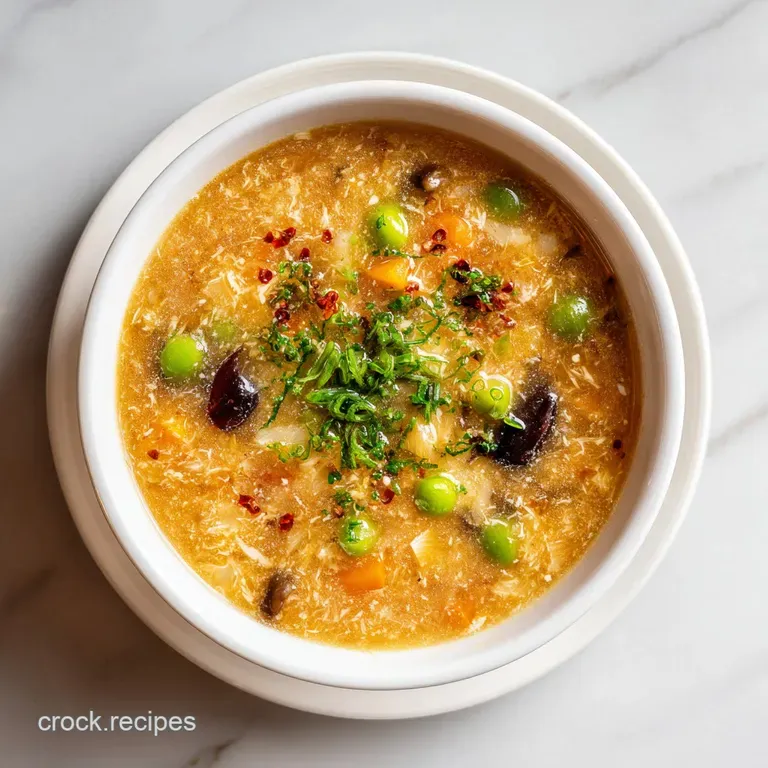
- Hydrating the Earthy Aromatics: Place the dried wood ear mushrooms in a small bowl of warm water. Let them soak for 20 minutes until supple and fully expanded. Drain, pat dry, and slice into thin matchsticks.
- Simmering the Base: In a large heavy bottomed pot, bring the 6 cups of chicken stock to a gentle boil over medium high heat. Note: Using a heavy bottomed pot prevents the bottom of the soup from scorching once the starch is added.
- Adding the Solids: Stir in the soy sauce, sliced shiitake mushrooms, rehydrated wood ears, bamboo shoots, and the pork matchsticks. Simmer for 3 to 5 minutes until the pork turns opaque and is cooked through.
- Integrating the Tofu: Carefully drop the tofu matchsticks into the pot. Return the liquid to a gentle simmer, being careful not to break the delicate tofu strips.
- Creating the Translucent Body: In a small cup, whisk together the 3 tbsp cornstarch and 3 tbsp cold water. Slowly pour this slurry into the boiling soup while stirring the pot constantly until the liquid thickens and looks glossy.
- Weaving the Silk Ribbons: Turn the heat down to low so the soup is barely shimmering. Slowly drizzle the beaten eggs in a very thin, steady stream while moving your spoon in a slow "S" pattern through the broth. Note: Moving too fast creates "egg drop" clouds; moving slowly creates long, elegant ribbons.
- Final Seasoning: Remove the pot from the heat immediately. Stir in the Chinkiang black vinegar, ground white pepper, and 1 tsp toasted sesame oil. Wait for the aroma of the toasted sesame to bloom before moving to the next step.
- Plating and Garnishing: Ladle the steaming soup into deep bowls. Garnish generously with the sliced green onions and chopped fresh cilantro for a pop of vibrant green color.
Solving Common Issues
Getting the texture of a starch thickened soup right can be tricky the first few times. If things go sideways, don't panic; most issues in Hot and Sour Soup are easily fixed with a little heat adjustment or a splash of liquid.
Correcting a Thin Base
If your soup feels more like a watery broth than a velvety restaurant version, your starch likely didn't reach its "gelatinization point." Cornstarch needs to hit a near boil to actually thicken.
If it's still thin, whisk another tablespoon of cornstarch with cold water and add it to the boiling soup, stirring for at least a full minute.
Preventing Rubbery Pork
Pork loin can go from tender to "eraser like" in a matter of seconds. This usually happens if the pork is boiled aggressively for too long. To fix this next time, ensure your matchsticks are truly thin no thicker than a wooden match so they cook through almost instantly when they hit the hot stock.
Improving Egg Ribbon Texture
If your eggs turned into a chunky scrambled mess instead of wispy threads, the broth was likely boiling too hard. The "swirl" method works best when the liquid is at a very low simmer.
If this happens, you can't really "undo" the chunks, but you can strain them out and try again with a fresh egg once the temperature is lowered.
| Problem | Root Cause | Solution |
|---|---|---|
| Grit in the broth | White pepper wasn't whisked in | Whisk the pepper into a small amount of vinegar first to dissolve lumps |
| Mushy mushrooms | Overcooking shiitakes | Add mushrooms only after the stock has reached a boil; don't simmer for over 5 mins |
| Flat flavor | Vinegar boiled off | Note: Always add vinegar at the very end, after the heat is turned off |
Common Mistakes Checklist:
- ✓ Always use low sodium stock; the soy sauce and vinegar provide plenty of saltiness.
- ✓ Pat the rehydrated mushrooms dry before slicing to prevent excess water from diluting the broth.
- ✓ Use cold water for the slurry; warm water will cause the cornstarch to clump instantly.
- ✓ Don't skip the white pepper; black pepper provides a completely different flavor profile.
- ✓ Slice everything into uniform matchsticks to ensure a consistent texture in every bite.
Scaling and Adjustments
If you are cooking for a larger crowd, scaling this recipe is relatively straightforward, but you need to be careful with the thickeners. Doubling the recipe works well, but I usually recommend only using 1.5 times the amount of white pepper and vinegar at first.
You can always add more at the end, but it’s hard to "cool down" a soup that has become an accidental fire hazard.
When cutting the pork for a double batch, keep your matchsticks consistent. If you find the prep work is taking too long, you might want to try this Chicken Noodle Soup which is a bit more forgiving with larger, rustic cuts of meat. For the Hot and Sour Soup, use a larger pot than you think you need to allow plenty of room for the egg swirling motion.
- Scaling Down (1/2 batch): Use 1 large egg and half the slurry. The cooking times remain the same since the thickness is the goal.
- Scaling Up (2x batch): Use a wide pot. Add the egg ribbons in two separate stages to prevent the temperature from dropping too fast.
- Baking/Slow Cooker: This recipe is not recommended for a slow cooker as the egg ribbons and vinegar require precise stovetop control.
Plating for Visual Impact
The presentation of this dish can range from a cozy weeknight bowl to a high end restaurant experience. Because the soup is naturally a dark, moody brown, adding vibrant garnishes is key to making it look as good as it tastes.
| Plating Level | Key Technique | Visual Hook |
|---|---|---|
| Simple | Standard cereal bowl with a heavy ladle | Rustic and chunky with green onions piled in the center |
| Polished | Shallow wide bowl with precisely sliced matchsticks | Floating cilantro leaves and a visible "egg swirl" pattern |
| Restaurant | Wide rimmed white porcelain bowl | A drizzle of bright red chili oil and a nest of crispy wonton strips |
For the Simple approach, focus on the warmth. A deep, heavy bowl keeps the soup hot longer. Simply scatter the green onions over the top and serve with a wide ceramic Chinese spoon. It's unpretentious and focuses entirely on the flavor.
The Polished version requires a bit more care during the egg dropping stage. Use a shallow bowl so the ingredients don't all sink to the bottom. Carefully place a few sprigs of cilantro in a circle and ensure your pork and tofu matchsticks are visible on the surface.
To reach the Restaurant level, it’s all about contrast. The dark broth looks stunning against a bright white bowl. Add a few drops of bright red chili oil around the edges to create a "halo" effect.
You can also fry up some very thin strips of wonton wrappers until they shatter between your teeth, placing a small nest of them right in the center for a crunch that complements the silky broth.
Debunking Common Myths
One of the biggest misconceptions is that the "hot" comes from hot sauce. In an authentic version, the heat is entirely driven by white pepper. While you can add chili oil for color and extra kick, the base heat should be that floral, stinging warmth that white pepper provides.
Adding Sriracha or buffalo sauce will completely change the flavor profile and make it taste like a different soup entirely.
Another myth is that you must sear the pork before adding it to the soup. In this recipe, we actually want the pork to "poach" in the stock. Searing creates a crust that can become tough and chewy once it sits in the liquid.
By simmering the raw matchsticks directly in the stock, the meat stays velvety and tender, absorbing the flavors of the broth as it cooks.
Finally, don't believe the idea that all vinegar is created equal. Using standard white vinegar will give the soup a harsh, one dimensional sourness. Chinkiang black vinegar is fermented and aged, providing a mellow, smoky quality that is essential for the soul of this dish.
Storage and Zero Waste
Storage: This soup stays fresh in the fridge for up to 3 days. However, be aware that the cornstarch thickened broth may "weep" or thin out as it sits. When reheating, do it slowly on the stovetop.
You might need to add a tiny bit more slurry (1 tsp cornstarch to 1 tsp water) to bring back that velvety texture.
Freezing: I don't recommend freezing this soup. The tofu becomes porous and spongy, and the egg ribbons lose their delicate texture, becoming somewhat rubbery upon thawing. It’s a dish best enjoyed fresh or within a few days of making.
Zero Waste Tips: Don't toss those cilantro stems! Finely mince them and add them to the pot along with the mushrooms for an extra punch of flavor. If you have leftover bamboo shoots, they are incredible when sautéed with a little soy sauce and sugar as a side dish for rice.
Any leftover pork loin can be sliced thin and used for a quick stir fry the next day. Even the soaking liquid from the wood ear mushrooms can be strained and used to replace a bit of the chicken stock for an earthier, deeper flavor profile.
CRITICAL: Very High in Sodium
1180 mg 1180 mg of sodium per serving (51% 51% of daily value)
The American Heart Association recommends limiting sodium intake to less than 2,300mg per day, with an ideal limit of less than 1,500mg for most adults.
Tips to Reduce Sodium
-
Switch to No-Salt Added Broth-30%
Replace the low-sodium chicken stock with a no-salt added chicken broth. This is the largest source of sodium in the recipe.
-
Halve the Soy Sauce-20%
Reduce the soy sauce from 2 tbsp to 1 tbsp. Soy sauce is very high in sodium.
-
Substitute Black Vinegar-10%
Replace the Chinkiang black vinegar with an equal amount of rice vinegar or apple cider vinegar, as Chinkiang vinegar can contain added sodium.
-
Rinse Canned or Dried Mushrooms-5%
If your wood ear mushrooms or shiitake mushrooms were canned, rinse them thoroughly under cold water before slicing. If using dried, ensure they were not pre-seasoned.
-
Boost Flavor with Aromatics
Increase the use of fresh garlic, ginger, and the green onions. These ingredients add significant flavor without adding sodium.
Recipe FAQs
What is Chinese hot and sour soup made of?
This soup relies on a base of chicken stock, pork loin, and firm tofu. The signature texture and flavor come from wood ear mushrooms, bamboo shoots, shiitake mushrooms, Chinkiang black vinegar, white pepper, and a cornstarch slurry to thicken the broth.
Is Chinese hot and sour soup healthy?
Yes, it is a relatively light and nutrient dense option. At only 194 kcal per serving, it offers protein from pork and tofu alongside fiber from various mushrooms and bamboo shoots.
What soup is good for gastritis?
No, this soup is generally not recommended for those with gastritis. The combination of white pepper and acidic black vinegar can be highly irritating to an inflamed stomach lining.
What is the best soup for kidney patients?
False, this is not a suitable choice for kidney patients. The recipe contains high levels of sodium from soy sauce and chicken stock, which are typically restricted in renal diets.
How to keep the egg ribbons from becoming rubbery?
Reduce the heat to low before drizzling the beaten eggs in a thin stream. Gently swirl the broth while adding them to ensure delicate ribbons rather than large, clumpy masses. If you enjoyed mastering this technique, see how we apply similar careful heat control to our creamy broccoli soup for a smooth finish.
How to fix soup that has thinned out in the fridge?
Reheat the soup slowly on the stovetop and whisk in a fresh cornstarch slurry. Mix one teaspoon of cornstarch with one teaspoon of cold water and add it to the simmering liquid to restore the original velvety consistency.
How to properly prepare the wood ear mushrooms?
Hydrate the dried mushrooms in warm water for 20 minutes until they become supple. Once fully softened, drain the excess water and slice them into thin matchsticks to match the other ingredients.
Authentic Hot And Sour Soup
Ingredients:
Instructions:
Nutrition Facts:
| Calories | 194 kcal |
|---|---|
| Protein | 16.9 g |
| Fat | 7.8 g |
| Carbs | 14.2 g |
| Fiber | 2.1 g |
| Sugar | 1.8 g |
| Sodium | 1180 mg |
