Authentic Mexican Tres Leches Cake
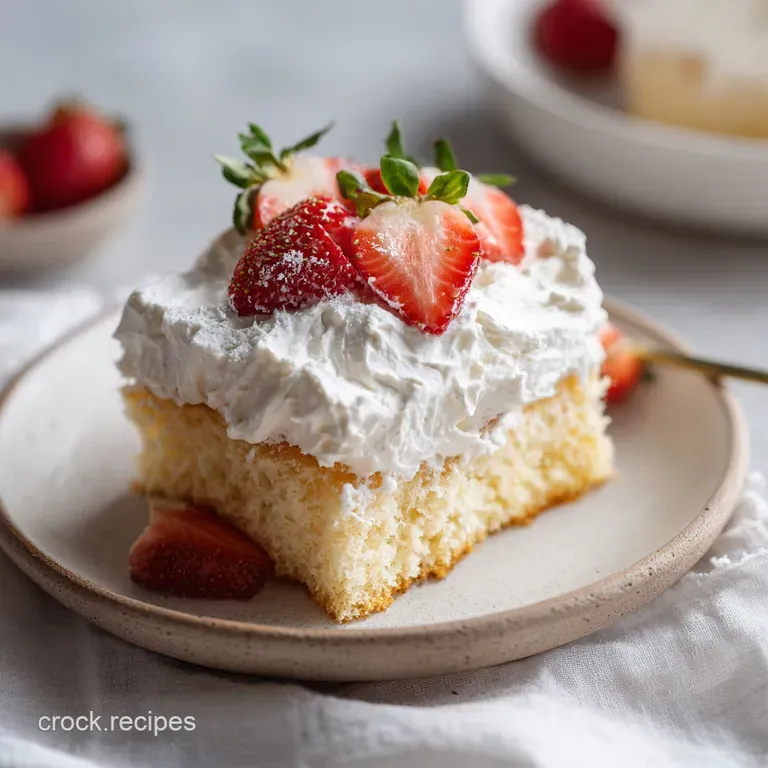
- Time: Active 25 minutes, Passive 30 minutes, Total 55 minutes
- Flavor/Texture Hook: Cloud like sponge drenched in a silky, triple dairy nectar with a cinnamon dusted finish.
- Perfect for: Vibrant celebrations, festive family gatherings, or an irresistible weekend treat.
- Master the Vibrant Authentic Tres Leches Cake
- The One Thing That Changes Everything
- Essential Recipe Specifications
- The Fundamental Building Blocks
- Necessary Tools For Success
- Executing Every Critical Step
- Avoiding Common Baking Disasters
- Creative Flavor Swaps
- Storage And Freshness Rules
- Elevated Plating For Service
- Truths Behind The Soak
- Recipe FAQs
- 📝 Recipe Card
Master the Vibrant Authentic Tres Leches Cake
Close your eyes and imagine a bustling kitchen in the heart of Nicaragua, where the air is thick with the sweet, floral aroma of Mexican vanilla and the comforting scent of toasted flour.
I remember the first time I saw a traditional pastel de tres leches being prepared; the cook didn't just bake a cake, she engineered a vessel for liquid gold. The sound of the whisk rhythmically hitting the bowl, transforming humble egg whites into a lustrous, snowy peak, was like a heartbeat for the upcoming celebration.
When the warm cake was finally pierced, the way it inhaled the shimmering milk mixture was nothing short of magic.
This isn't just a dessert; it's a cultural icon that has traveled across Latin America, evolving from 19th-century European soaked cake traditions into the irresistible masterpiece we crave today.
The vibrant history of this dish is rooted in the ingenuity of home cooks who used shelf stable evaporated and condensed milks to create something luxurious in tropical climates. Every bite offers a contrast between the airy, structural sponge and the heavy, decadent soak, creating a harmony that feels both light and deeply indulgent.
You aren't just making a cake; you're crafting a centerpiece that carries the weight of generations of festive joy.
We are going to dive deep into the mechanics of this bake to ensure your crumb is sturdy enough to hold the milk but soft enough to yield to a fork. Forget those heavy, leaden cakes you might have seen at grocery stores.
We are aiming for a refined, professional result that looks as stunning on the plate as it tastes on the tongue. By the time we’re done, you’ll understand exactly how to manipulate egg proteins and milk fats to achieve that legendary "squish" that defines a truly world class Tres Leches Cake.
The One Thing That Changes Everything
Protein Scaffolding: The 5 large eggs provide a structural framework through denaturation, allowing the cake to support the weight of the milk without collapsing. This ensures the crumb remains distinct rather than turning into a puddle of mush.
Capillary Saturation: Poking holes while the cake is warm creates channels for the milk to penetrate the core via surface tension and absorption. This mechanism allows the liquid to replace the air pockets trapped during the whipping process.
Lipid Emulsification: The combination of heavy cream and condensed milk creates a stable, viscous liquid that clings to the starch molecules. This prevents the milk from simply pooling at the bottom of the pan.
Thermal Absorption: Adding the cold milk mixture to a slightly warm sponge triggers a thermal contraction that pulls the liquid into the center. This specific temperature delta is the secret to a fully saturated, uniform bite.
| Method | Total Time | Texture Profile | Effort Level |
|---|---|---|---|
| The Classic Soak | 55 minutes | Velvety, structured sponge | High (Egg separation) |
| Fast Mix Hack | 40 minutes | Softer, more fragile crumb | Low (One bowl base) |
| Double Baked | 75 minutes | Toasted, caramelized edges | Medium (Longer bake) |
The classic method provides the most vibrant results because the hand whipped egg whites create a durable "sponge" that won't disintegrate. If you're in a rush, a simple tres leches cake with cake mix can work, but you'll lose that artisanal, airy lift that makes the original so special.
Essential Recipe Specifications
Getting the ratios right is the difference between a soggy bread pudding and a sophisticated pastry. This cake relies on the specific gravity of the egg foam and the viscosity of the three milks to achieve its signature mouthfeel.
We aren't just guessing here; we are working with precise measurements to ensure every square inch of that 9x13 pan is treated with the same level of care.
| Component | Science Role | Pro Secret |
|---|---|---|
| Separated Eggs | Provides leavening and structural integrity through air entrapment. | Use room temperature eggs for maximum volume during the whipping phase. |
| Condensed Milk | Adds sugar and creates a thick, syrupy consistency for the soak. | Whisk thoroughly with the other milks to ensure a uniform emulsion. |
| All purpose Flour | Forms a moderate gluten network to hold the milk without becoming tough. | Sift the flour with baking powder to ensure an even, fine textured crumb. |
While some might suggest using cake flour, I’ve found that the slightly higher protein content in all purpose flour is necessary. It provides the "backbone" required to withstand the 12 oz of evaporated milk and 14 oz of condensed milk we're about to pour over it.
Without that gluten strength, the cake would simply crumble under the weight of the dairy.
The Fundamental Building Blocks
For the best homemade tres leches cake, you need ingredients that are fresh and high in fat content. Don't even think about using low-fat alternatives here; the fat is what carries the flavor and provides that luxurious, velvety coating on the palate.
- 1.5 cups All purpose flour: Why this? Provides the essential gluten structure to support the heavy milk soak.
- Substitute: 1:1 gluten-free baking flour (note: will be denser).
- 1 tsp Baking powder: Why this? Acts as a secondary leavener alongside the whipped egg whites.
- Substitute: 1/4 tsp baking soda + 1/2 tsp cream of tartar.
- 0.5 tsp Sea salt: Why this? Sharpens the sweetness of the condensed milk and balances the dairy.
- Substitute: Table salt (use slightly less).
- 5 Large eggs, separated: Why this? The whites provide lift while the yolks add richness and color.
- Substitute: Liquid egg whites (only for the white portion, use 2 tbsp per egg).
- 1 cup Granulated sugar: Why this? Stabilizes the egg foam and sweetens the sponge base.
- Substitute: Superfine sugar for faster dissolving in the meringue.
- 0.33 cup Whole milk: Why this? Hydrates the yolk mixture to create a smooth, pourable batter.
- Substitute: 2% milk (though whole milk is preferred for richness).
- 1.5 tsp Pure vanilla extract: Why this? Infuses the sponge with a deep, floral aromatic profile.
- Substitute: Vanilla bean paste for visible black flecks and intense flavor.
- 12 oz Evaporated milk: Why this? Provides a concentrated dairy flavor without the excess water of regular milk.
- Substitute: Nut milks (note: will significantly change the flavor profile).
- 14 oz Sweetened condensed milk: Why this? The primary sweetener and thickener for the soaking liquid.
- Substitute: Dulce de leche for a deeper, caramelized, "burnt" sugar taste.
- 1.5 cups Heavy whipping cream: Why this? Creates the voluminous, cloud like topping that finishes the dish.
- Substitute: Coconut cream (chilled overnight) for a tropical, dairy-free twist.
Necessary Tools For Success
- 9x13 Inch Baking Pan: The standard size for this cake, ensuring the liquid reaches a specific depth for even soaking.
- Stand Mixer or Hand Mixer: Essential for achieving stiff, glossy peaks in the egg whites; doing this by hand is a workout you don't want.
- Large Spatula: For the "delicate fold." You need a wide surface to incorporate the whites without popping the air bubbles.
- Whisk: To combine the dry ingredients and the three milk mixture until perfectly smooth.
- Skewer or Large Fork: To create the "pores" in the cake for the soak.
Chef's Tip: Freeze your mixing bowl and whisk attachment for 10 minutes before whipping the heavy cream. This ensures the fat stays stable, resulting in a much more voluminous and sturdy whipped topping.
Executing Every Critical Step
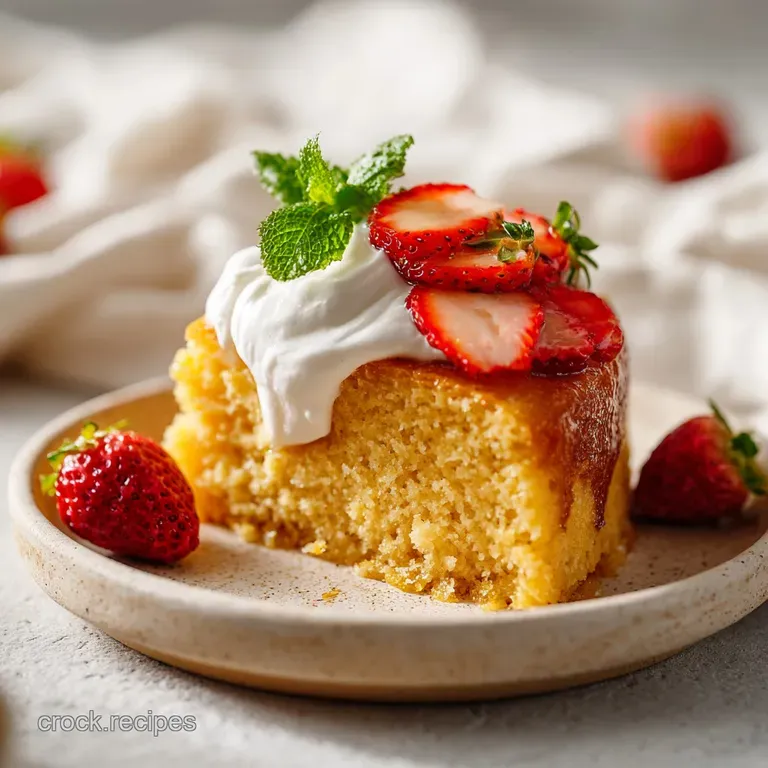
- Preheat and Prep. Set your oven to 350°F (175°C). Grease your 9x13 inch pan thoroughly. Whisk the 1.5 cups flour, 1 tsp baking powder, and 0.5 tsp salt in a medium bowl until no clumps remain.
- Yolk Transformation. In a large bowl, beat the 5 egg yolks with 3/4 cup granulated sugar. Continue until the mixture is pale yellow and doubled in volume, then stir in the 1/3 cup whole milk and 1.5 tsp vanilla.
- The Meringue Phase. Whip the 5 egg whites in a clean bowl to soft peaks. Gradually rain in the remaining 1/4 cup sugar and whip until stiff, glossy peaks form that stand straight up.
- Integrate the Dry. Gently fold the flour mixture into the yolk base. Use a "cut and fold" motion to ensure the flour is fully hydrated without overworking the gluten.
- The Final Fold. Incorporate the whipped whites into the batter in three separate batches. Use a slow, circular motion until the batter is light, airy, and uniform in color.
- The Golden Bake. Pour into the pan and bake for 30 minutes. The cake is ready when a toothpick comes out clean and the top is golden and springy.
- The Saturation Point. Mix the 12 oz evaporated milk, 14 oz condensed milk, and 1/4 cup heavy cream. Pierce the slightly cooled cake all over with a skewer and pour the liquid until the cake is shimmering and submerged.
- The Cold Cure. Refrigerate for at least 4 hours. This wait time is non negotiable until the sponge has completely absorbed the milk nectar.
- The Whipped Finish. Whip 1.5 cups cold heavy cream with 3 tbsp powdered sugar and vanilla until stiff, velvety peaks form. Spread this across the cake.
- The Aromatic Dusting. Sprinkle 0.25 tsp ground cinnamon over the top. Serve immediately until the last luscious crumb is gone.
Avoiding Common Baking Disasters
The most frequent heartbreak with a traditional pastel de tres leches is a cake that turns into a soggy puddle. This usually happens because the sponge didn't have enough "lift" or the milk wasn't absorbed correctly.
If you find your cake is too wet, it’s likely because you didn't whip the egg whites to a true stiff peak, or you used a cake mix that was too tender to hold the liquid.
The Dense Sponge Syndrome
If your cake comes out flat and heavy, you likely deflated the egg whites during the folding process. This air is the only thing keeping the cake light once the milk is added. Always use a gentle hand and a large spatula, moving in a "J" motion from the bottom of the bowl to the top.
The "Dry Center" Problem
Occasionally, you might find a dry patch in the middle of your slice. This happens if the cake is too cold when you pour the milk, or if your holes aren't deep enough. Make sure you pierce all the way to the bottom of the pan and pour the liquid slowly, letting it pool and sink in naturally.
| Problem | Root Cause | Solution |
|---|---|---|
| Soggy Bottom | Excess liquid pooling without absorption. | Let the cake rest for the full 4 hours; ensure the sponge was fully baked. |
| Grit in Topping | Powdered sugar not fully incorporated. | Sift the powdered sugar before whipping it into the cream. |
| Rubbery Texture | Overmixing the flour into the yolks. | Fold only until the last streak of flour disappears; do not stir aggressively. |
Common Mistakes Checklist
- ✓ Ensure the egg white bowl is completely grease free (even a drop of yolk prevents stiff peaks).
- ✓ Use room temperature eggs to ensure the proteins expand to their maximum capacity.
- ✓ Don't skip the "warm soak" pouring milk on a warm cake is better than a cold one.
- ✓ Pierce the cake at least 50 times to ensure even distribution of the three milks.
- ✓ Let the cake chill for the full duration; the flavor matures as it sits.
Creative Flavor Swaps
One of the best things about this recipe is how easily it adapts to different vibes. If you're looking for something deeper, a chocolate tres leches cake recipe simply requires swapping 1/4 cup of the flour for high-quality cocoa powder. It adds a vibrant, bitter edge that cuts through the sweetness of the condensed milk.
For those who want a lighter, sugar-free version, you can look into a Keto Texas Sheet Cake as a starting point for a low carb sponge, though the "three milks" would need to be replaced with heavy cream and allulose based syrups to keep the carb count low. If you're feeling adventurous, adding a splash of dark rum or coffee liqueur to the milk mixture creates a "boozy" version that is absolutely legendary at dinner parties.
| Ingredient Swap | Substitute | Outcome Disclosure |
|---|---|---|
| Whole Milk | Coconut Milk | Adds a tropical, nutty finish; slightly thinner consistency. |
| Cinnamon | Nutmeg or Cardamom | Changes the aroma to something more autumnal or exotic. |
| Vanilla Extract | Almond Extract | Provides a bold, cherry like floral note; use half the amount. |
Storage And Freshness Rules
Tres Leches Cake is one of the few desserts that actually gets better with age. The sponge needs that time in the fridge to truly bond with the milk. However, once the whipped cream is applied, the clock starts ticking.
Fridge Life: Store the cake, covered tightly with plastic wrap or a lid, in the refrigerator for up to 4 days. After day 2, the whipped cream may start to weep slightly, but the cake itself will be incredibly moist and flavorful.
Freezing: I don't recommend freezing the fully assembled cake with the whipped topping. However, you can freeze the baked sponge (before soaking) for up to 3 months. Thaw it in the fridge overnight before proceeding with the milk soak.
Zero Waste Tip: If you have leftover milk mixture that didn't fit in the pan, don't throw it away! Stir it into your morning coffee or use it as a base for an irresistible French toast soak the next day. The concentrated dairy is pure liquid gold.
Elevated Plating For Service
Presentation is where you can truly show off. Since this is a moist cake, it can sometimes look a bit messy when sliced. The key is to use a very sharp, thin knife and wipe it clean between every single cut. This ensures those beautiful, clean layers stay visible.
| Level | Technique | Visual Result |
|---|---|---|
| Simple | Square cut directly from the pan. | Homestyle, cozy, and generous. |
| Polished | Neat rectangles with piped whipped cream borders. | Sharp, professional, and symmetrical. |
| Restaurant | Individual rounds cut with a ring mold, topped with fresh berries. | High end, vibrant, and sophisticated. |
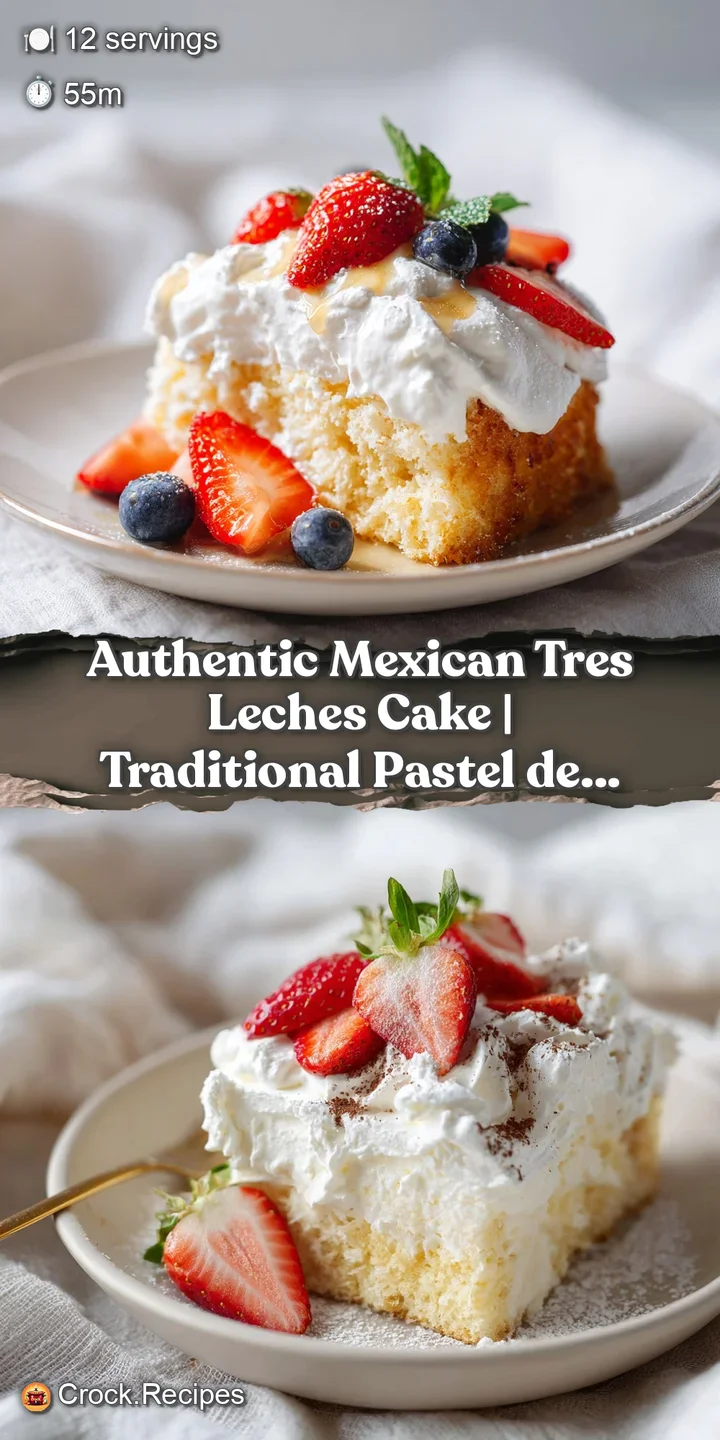
For a truly irresistible finish, try "The Restaurant" approach. Use a circular cookie cutter to punch out individual portions. Place a dollop of whipped cream on top, then garnish with a single, perfectly ripe strawberry or a few raspberries.
The tartness of the fruit provides a necessary contrast to the deep sweetness of the three milks. Dust the entire plate with a very fine mist of cinnamon for that final, aromatic touch that hits the guest before they even take their first bite.
Truths Behind The Soak
There’s a common misconception that you should use "light" or skim milk to make this cake healthier. Let’s be honest: that is a recipe for disaster. This cake relies on the fat content to create that velvety mouthfeel. Skim milk will simply make the cake watery and thin.
Another myth is that you have to use a cake mix to get the right texture. While it's easier, a cake mix is designed to be very soft, which can lead to it falling apart once the milk is added.
The traditional egg foam method we used here provides a much more resilient, "bouncy" crumb that stands up to the liquid while remaining incredibly light. Trust the process of whipping those eggs it's the scientific secret to the perfect "squish."
Recipe FAQs
Is tres leches cake soggy?
No, it is intentionally moist. The cake is designed to be a heavy, milk soaked sponge rather than a dry dessert, which provides its signature creamy texture.
Is it true that Tres Leches Cake originated in Spain?
No, this is a common misconception. While it has roots in European sponge cakes, the dish as we know it today is firmly rooted in Latin American culinary tradition, specifically Mexico and Nicaragua.
How long should Tres Leches cake soak in the fridge?
Refrigerate for at least 4 hours. Allowing the cake to sit overnight is ideal, as this extended time ensures the sponge fully absorbs the evaporated milk, sweetened condensed milk, and heavy cream mixture.
What are the ingredients in tres leches?
Use a base of flour, baking powder, sea salt, eggs, sugar, whole milk, and vanilla. The signature soak requires evaporated milk, sweetened condensed milk, and heavy cream, finished with whipped cream, powdered sugar, and a dusting of cinnamon.
How to ensure the cake does not deflate during mixing?
Fold the whipped egg whites into the batter gently in three distinct batches. This technique preserves the air pockets essential for a light sponge; if you enjoyed this airy crumb, you will appreciate how we use similar folding methods in our moist chocolate cake to maintain lift.
How to guarantee a perfect soak throughout the sponge?
Pierce the warm cake at least 50 times using a fork or skewer. Pouring the milk mixture while the cake is warm helps the liquid penetrate deep into the crumb before it cools and sets in the refrigerator.
How to achieve stiff peaks when whipping the cream?
Use cold heavy whipping cream and a clean, chilled bowl. Beat the cream with the powdered sugar and vanilla until the mixture holds its shape firmly without collapsing.
Authentic Mexican Tres Leches Cake
Ingredients:
Instructions:
Nutrition Facts:
| Calories | 429 calories |
|---|---|
| Protein | 9.9g |
| Fat | 20.1g |
| Carbs | 53.2g |
| Fiber | 0.5g |
| Sugar | 44.8g |
| Sodium | 194mg |
