Sour Cream Raisin Pie: the Ultimate Comfort Custard
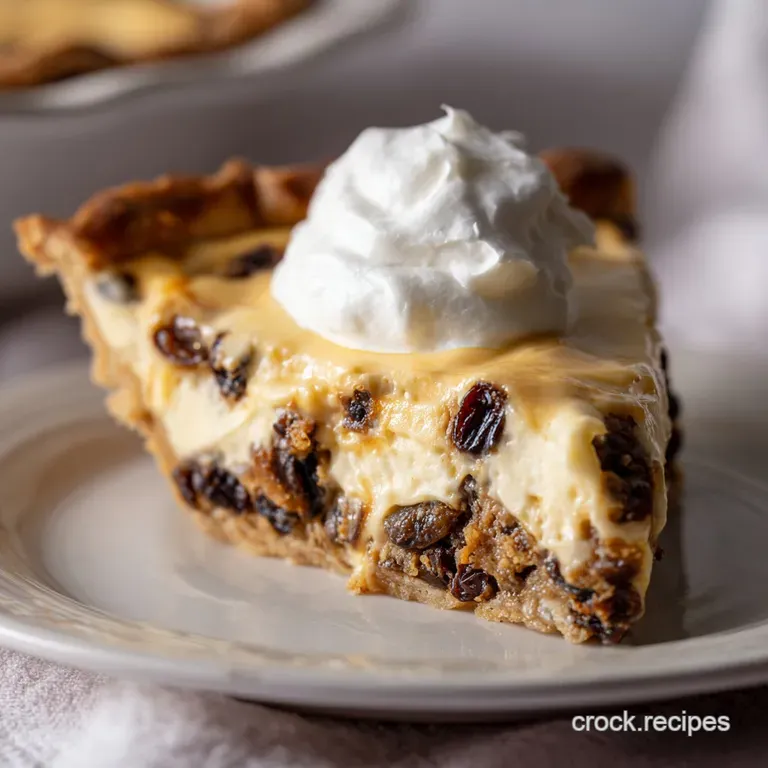
- Grandma's Sour Cream Raisin Pie: The Ultimate Comfort Custard
- Embracing Culinary Nostalgia: What Makes This Pie a Classic?
- The Culinary Science Behind the Perfect Pie Texture
- Sourcing Your Components: Essential Ingredients for Pie Success
- Ingredient Swaps and Alternatives for Dietary Needs
- Preparation Phase: Setting Up Your Crust and Plumping the Fruit
- Assembling the Sour Cream Custard and Achieving a Stiff Meringue
- Troubleshooting Common Baking Pitfalls and Chef’s Secret Tips
- Maximizing Shelf Life: Storage and Freezing This Raisin Pie
- Recipe FAQs
- 📝 Recipe Card
Grandma's Sour Cream Raisin Pie: The Ultimate Comfort Custard
Embracing Culinary Nostalgia: What Makes This Pie a Classic?
When you pull this Sour Cream Raisin Pie from the oven, your kitchen is instantly transported to Sunday dinner at Grandma’s house. The aroma is pure, comforting magic: warm cinnamon and nutmeg mingling with that distinctive, tangy sweetness only a perfect custard can deliver.
This pie is a velvety blanket of texture, resting inside a perfectly crisp, flaky crust. It's truly heaven.
Forget complicated, finicky desserts that require eighteen steps and rare ingredients. This classic, old-fashioned Sour Cream Raisin Pie relies on staples you likely already have in your fridge and pantry.
It’s cheap, satisfying, and requires minimal active cooking time, making it my go-to lifesaver when I need a spectacular finish to a weeknight meal or a casual gathering.
We are diving deep into how to execute this heirloom recipe flawlessly, addressing all the little pitfalls that can turn a luscious custard into a grainy mess. Stick with me, and I’ll walk you through making the absolute Best Sour Cream Raisin Pie you have ever tasted.
Let’s crack on and master this creamy, tangy delight.
The Culinary Science Behind the Perfect Pie Texture
This isn't just baking; it’s a delicate dance of fat and acid. If you want that perfect slice of Sour Cream Raisin Pie , you need to understand why sour cream is the star, not just another dairy filler.
It provides two essential elements: high fat content for richness and lactic acid for structure and flavor complexity.
The Midwestern Origins of the Creamy Custard
The Old Fashioned Sour Cream Raisin Pie is an undeniable product of the American Midwest, where staples like eggs, dairy, and dried fruit were always available, even through the harsh winters. It’s a resourcefulness dish!
Many classic American pies are either heavy on sugar (like pecan) or fruit (like apple), but this one stands out. It celebrates the creamy richness of dairy, transforming humble ingredients into something truly elegant.
Why Sour Cream is the Secret to the Perfect Tang
If you just used heavy cream and milk, you’d have a bland, boring custard. The genius of the Sour Cream Raisin Pie lies in its central ingredient: sour cream. The mild acidity in the sour cream slightly denatures the egg proteins before baking.
This helps the eggs set beautifully at a lower temperature, resulting in an incredibly smooth, velvety texture instead of a rubbery one. That tangy bite also perfectly cuts through the intense sweetness of the plump raisins.
Defining the "Ultimate Comfort Custard"
A truly great custard should be smooth, like liquid silk, and firm enough to slice without oozing everywhere once fully chilled. To achieve this in your Sour Cream Raisin Pie , we use both whole eggs (for structure) and extra egg yolks (for richness and color).
This balance ensures the pie doesn't wobble uncontrollably but also doesn't feel like dense cheesecake.
The Essential Role of Acidity in Custard Setting
As I mentioned, the acid is key. Too little acid, and the custard can taste flat. Too much, and the filling might curdle or separate during baking. The specific ratio of sour cream, sugar, and egg in this Sour Cream Raisin Pie Filling is meticulously balanced to guarantee a gentle set.
We’re aiming for soft coagulation, not a harsh, rapid set.
Balancing Sweetness: Plumping the Raisins for Optimal Flavor
I once skipped the plumping step and my Grandma's Sour Cream Raisin Pie tasted oddly dry and chewy. Never again! Plumping the raisins in hot liquid isn't just about texture; it’s about flavor concentration.
They absorb the liquid, becoming juicy little explosions of sweetness that contrast beautifully with the tangy sour cream custard. It makes a huge difference to the whole experience of eating the Best Sour Cream Raisin Pie .
Achieving that Velvety Mouthfeel
The critical ingredient for velvetiness, besides the acid/fat combo, is cornstarch. Many traditional recipes use flour, but cornstarch yields a clearer, silkier, and ultimately more stable custard.
Two tablespoons of cornstarch whisked thoroughly into the room temperature sour cream mixture is the insurance policy for a perfect slice of this wonderful Sour Cream Raisin Pie .
Sourcing Your Components: Essential Ingredients for Pie Success
You don’t need a huge list for an amazing dessert. The key to success here is quality over quantity, especially when it comes to the dairy and the spices in your Old Fashioned Sour Cream Raisin Pie . Do not skimp on the fat content.
- Full Fat Sour Cream: This is non-negotiable for the texture. low-fat or non-fat sour cream has too much moisture, which will make your custard runny. We need that high fat percentage to provide richness and stability.
- Eggs and Extra Yolks: Use large, high-quality eggs. The extra yolks are the secret to that deep, buttery color and luxurious mouthfeel.
- Cornstarch: Your binding agent. Make sure it's fresh; old starches can lose their thickening power.
- Spices (Nutmeg & Cinnamon): Freshly grating the nutmeg takes two extra seconds and provides ten times the flavor impact compared to the stuff from a jar. Seriously, try it.
- Raisins: Dark, seedless raisins are traditional, but they must be plumped!
Ingredient Swaps and Alternatives for Dietary Needs
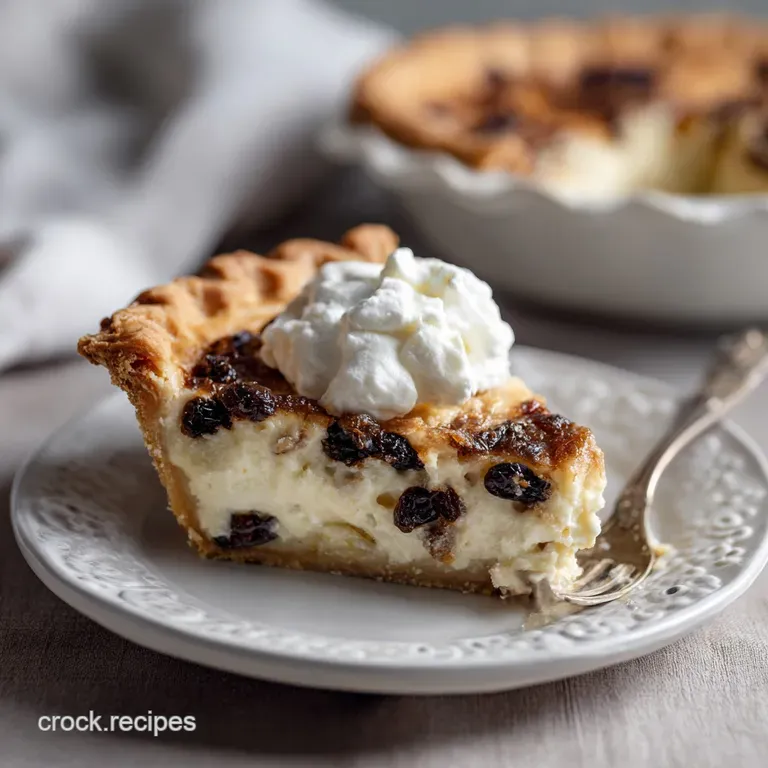
I always get asked about substitutions, especially for dairy. While I recommend sticking to the original formula for the purest taste of Grandma's Sour Cream Raisin Pie , here are some viable swaps if you’re in a pinch or navigating dietary restrictions.
| Original Ingredient | Recommended Substitute | Notes on Outcome |
|---|---|---|
| Full Fat Sour Cream | Full Fat Crème Fraîche | Milder tang, slightly richer texture. |
| Dark Raisins | Golden Raisins or Dried Currants | Brighter flavor; may require less plumping liquid. |
| Granulated Sugar | Monkfruit or Erythritol Blend | Use volumetric ratio (1:1), but watch baking time as it may brown faster. |
| Pie Crust (Butter) | Vegetable Shortening | Flakier, but less flavor complexity. |
Selecting the Right Raisins (And Why Size Matters)
I prefer the standard dark, seedless variety for this particular Sour Cream Raisin Pie . They have that classic, slightly caramelized flavor. Avoid using overly large, super moist specialty raisins (like Flame raisins) as they might release too much water back into the custard during baking, potentially throwing off the set.
The Best Dairy Fat Content for Richness
Again, go full fat or go home. The fat is what prevents the custard from becoming watery and allows it to slice cleanly. If you try to use a 5% milkfat yogurt or light sour cream, you’ll end up with a sloshy mess that needs far more cornstarch, changing the delicate balance of your Sour Cream Raisin Pie .
Spice Blend Secrets: Nutmeg, Cinnamon, and Cloves
While my core recipe only calls for cinnamon and nutmeg, sometimes I add the smallest whisper of ground clove, especially for a winter bake. A small pinch of clove is incredibly potent.
It adds depth and warms up the whole flavor profile of the Easy Sour Cream Raisin Pie Recipe . Trust me, just a pinch.
dairy-free Alternatives That Maintain the Tang
If you must go dairy-free, substitute the sour cream with a high-quality, full fat dairy-free yogurt alternative that has a distinct tang, like one based on coconut cream or cashew milk.
You might need to slightly increase the cornstarch, as these products often have a higher water content than true sour cream. It won't be identical to the classic Sour Cream Raisin Pie , but it will work.
Sugar Alternatives for the Filling and Meringue
For those avoiding refined sugar, substitutes like allulose or erythritol blends work well in baked goods like this, though they can sometimes result in a slightly cooler mouthfeel. If using a sugar substitute, make sure you use a reliable 1:1 substitute designed for baking to maintain the bulk of the filling.
This is especially true if you plan on adding a meringue topping, as those rely heavily on sugar for structure.
Can I Use a store-bought Crust?
Absolutely! Listen, we all have busy days. While I highly recommend making your own butter crust (because truly, nothing beats the flavor), a high-quality, deep dish store-bought crust will save you significant time.
If you use a pre-made crust, just ensure you still blind bake it that crucial step prevents a soggy bottom on your precious Sour Cream Raisin Pie .
Preparation Phase: Setting Up Your Crust and Plumping the Fruit
The secret to a stunning pie is preparation. Getting the crust right and the raisins plumped makes the final assembly a breeze. Don't rush these preliminary steps!
Blind Baking Your Pie Shell for a Crisp Base
A soggy bottom is the tragic flaw of many home baked pies. We fight it with blind baking! After fitting your dough into the pie plate and crimping the edges, line it with parchment and fill it completely with pie weights or dried beans.
Bake until the edges are golden, then remove the weights and bake briefly again until the base looks dry and set. This creates a waterproof barrier for your creamy Sour Cream Raisin Pie Filling .
The Hot Soak Method for Perfectly Softened Raisins
To get those fat, juicy raisins, combine them with hot water (or dark rum if you're feeling fancy) and bring them to a bare simmer. Remove it from the heat immediately and let them sit for 15 minutes. They’ll swell up beautifully. Drain them completely afterward.
Excess liquid will ruin the set of your Best Sour Cream Raisin Pie .
Assembling the Sour Cream Custard and Achieving a Stiff Meringue
The custard itself is incredibly simple, provided you follow one rule: slow, steady mixing and correct temperature. Getting the filling right ensures the final texture is truly worthy of being called Grandma's Sour Cream Raisin Pie .
Tempering Techniques for a Smooth Custard Consistency
The term "temper" just means bringing ingredients to the same temperature slowly. The most important tip for this specific pie is ensuring your sour cream and eggs are at room temperature before mixing.
This prevents lumps, ensures seamless emulsification, and stops the eggs from scrambling when they hit the hot oven. Mix your dry ingredients (sugar, cornstarch, spices) first, then whisk in the wet ingredients (sour cream, eggs, yolks). Whisk until absolutely smooth.
This is the foundation of a glorious Sour Cream Raisin Pie .
Piping and Torching the Meringue Top
While many people prefer the crust only version, the classic way to finish an Old Fashioned Sour Cream Raisin Pie is with a cloud of beautiful, toasted meringue. I prefer Swiss meringue for this, as it’s denser and holds its shape better than French meringue.
Once the pie is completely cooled, top it with stiff peaked meringue and use a kitchen torch to toast it golden brown. If you don't have a torch, a quick blast under a broiler works, but watch it like a hawk!
Baking Timelines: When Is the Filling Truly Set?
Reduce the oven temperature to 325°F (160°C) after blind baking. Low and slow is the mantra for any custard. If you bake it too hot, the eggs seize up, causing the filling to crack and become rubbery. Bake for 40– 45 minutes.
The pie is done when the edges are firm and lightly puffed, but the very center (about a 1 inch diameter) still has a slight, gentle jiggle. This slight jiggle is your signal to pull it out! Don't worry, the residual heat will finish cooking the Sour Cream Raisin Pie as it cools.
Troubleshooting Common Baking Pitfalls and Chef’s Secret Tips
We all make mistakes, but usually, those mistakes teach us the most. My goal is to save you the heartache I experienced when my very first Sour Cream Raisin Pie looked beautiful but tasted like rubbery eggs.
Preventing Meringue Weeping and Shrinkage
Meringue weepage (that sad puddle of syrup that forms at the base) usually happens because the meringue wasn’t cooked fully or because it was put onto a warm pie. The pie must be completely chilled before adding the meringue.
Also, make sure your sugar is fully dissolved into the egg whites before whipping.
How to Fix a Cracked or Runny Custard Filling
If your filling cracks, it means you likely overbaked it or the oven temperature was too high. The outside cooks too fast, shrinks, and splits the center. There is no real fix once it’s cracked, unfortunately.
If it’s runny after chilling, it means you didn't cook it long enough, or you used too much liquid (perhaps from under drained raisins). If it’s only slightly runny, pop it back in a 300°F oven for 10- 15 minutes and try the jiggle test again.
You have to be patient with this Sour Cream Raisin Pie .
Judging Doneness: The Center Jiggle Test
I mentioned the jiggle test, but let’s be specific. Give the pie plate a gentle nudge. If the entire filling ripples like a lake, it’s not done. If the outer two-thirds are stable and only the very center has a tiny, almost hesitant wobble, pull it immediately. It’s perfect!
You’ll soon become a master of the Sour Cream Raisin Pie wobble.
Maximizing Shelf Life: Storage and Freezing This Raisin Pie
The downside of fresh custard is that it requires refrigeration. But the good news is that the flavor of the Grandma's Sour Cream Raisin Pie actually deepens overnight. It truly is better the next day.
Ideal Refrigeration Times for Serving
This Sour Cream Raisin Pie must be fully chilled to slice cleanly. A minimum of 3 to 4 hours in the refrigerator is essential. If you try to cut it warm or even at room temperature, it will collapse and run everywhere.
Keep it loosely covered plastic wrap touching the surface might pull off some of the top layer. The pie will keep beautifully in the fridge for up to 5 days.
Can You Successfully Freeze Sour Cream Pie?
Yes, but with caveats. If you top your Sour Cream Raisin Pie with meringue, do NOT freeze it. Meringue absolutely hates freezing and will weep uncontrollably upon thawing.
If you are freezing the crust only version (no meringue), wrap the completely cooled pie tightly in several layers of plastic wrap, then foil. It will last up to 2 months. Thaw it overnight in the refrigerator.
Note that the texture might be slightly softer after thawing, but the flavor of this Sour Cream Raisin Pie remains wonderful.
Elegant Serving Suggestions and Flavor Pairings
While this Sour Cream Raisin Pie stands perfectly alone, a light topping elevates it beautifully. A simple dollop of freshly whipped, barely sweetened heavy cream is all you need. If you’re a fan of rich custards, you might also adore my recipe for Rice Pudding: Best Creamiest Leftover Rice Recipe — it shares that same velvety satisfaction.
Alternatively, pair a slice of your stunning Sour Cream Raisin Pie with a strong cup of dark coffee, or even a tiny glass of spiced rum. The warm spice notes complement the tang perfectly. This Best Sour Cream Raisin Pie is ready to be the star of your next gathering.
Go forth and bake!
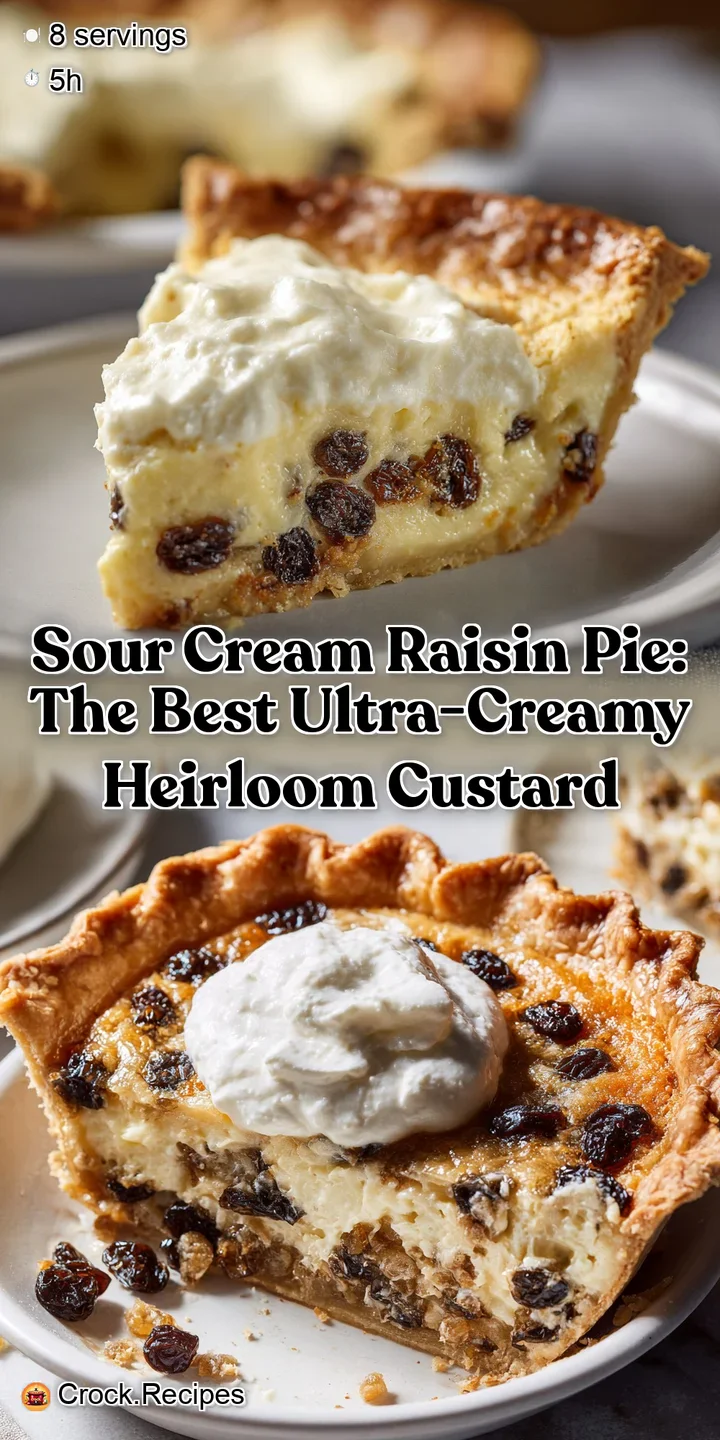
Recipe FAQs
Why is my Sour Cream Raisin Pie filling runny and failing to set?
A runny filling is usually a sign of underbaking or insufficient binder, such as cornstarch or flour. Ensure the center of the pie only jigglers slightly when gently shaken, like firm gelatin, before removing it from the oven.
If the issue persists, ensure you are using a full fat sour cream, as the lower fat content in substitutes can interfere with the setting process.
Should I soak the raisins before incorporating them into the filling?
Yes, soaking the raisins is highly recommended for optimal texture. Soaking prevents the raisins from drawing essential moisture out of the custard as it bakes, which can cause the surrounding filling to dry out or crack.
Soak them in hot water, brandy, or even spiced tea for 15 20 minutes, then drain and pat them completely dry before mixing.
Can I substitute Greek yogurt or crème fraîche for the sour cream?
While you can substitute full fat Greek yogurt, it has a slightly different consistency and may require a small increase in the starch binder (e.g., 1 extra teaspoon of cornstarch) to guarantee a stable set.
Crème fraîche is too high in fat and too low in lactic acidity for this specific recipe, and it generally produces a less tangy, overly rich custard. Always stick to full fat dairy for the best results.
How do I prevent the bottom crust from becoming soggy?
Soggy bottom crusts are common in custard pies due to the high moisture content of the filling. To prevent this, you should partially or fully blind bake your pie shell until the bottom is pale golden and firm.
For added protection, you can brush the warm, blind baked shell with a thin layer of egg white or melted butter just before adding the filling, which creates a waterproof seal.
My filling cracked as it cooled. What caused this?
Cracking in a custard filling is typically caused by overbaking or cooling too rapidly. Overbaking causes the egg proteins to seize and contract violently upon removal from the heat source.
Ensure you pull the pie from the oven when the internal temperature reaches 175°F (80°C) and the edges are just set, then allow it to cool slowly on a wire rack away from cold drafts.
How should I store this pie, and can I freeze leftovers?
Due to the high content of dairy and eggs, Sour Cream Raisin Pie must be stored in the refrigerator, covered loosely with plastic wrap or foil. It keeps well for 3 to 4 days, though the crust is best consumed within the first two days.
Freezing is not recommended for this custard pie, as the texture will become weeping and grainy once thawed.
Can I use a pre-made graham cracker crust instead of a traditional pastry crust?
Yes, a graham cracker crust is a beautiful and common alternative that pairs excellently with the creamy, tangy filling. Because graham cracker crusts do not require blind baking, this substitution also cuts down significantly on prep time.
Simply press the crust mixture into the pan and proceed with filling and baking as directed.
Best Sour Cream Raisin Pie
Ingredients:
Instructions:
Nutrition Facts:
| Calories | 381 kcal |
|---|---|
| Protein | 5.0 g |
| Fat | 15.0 g |
| Carbs | 58.0 g |
