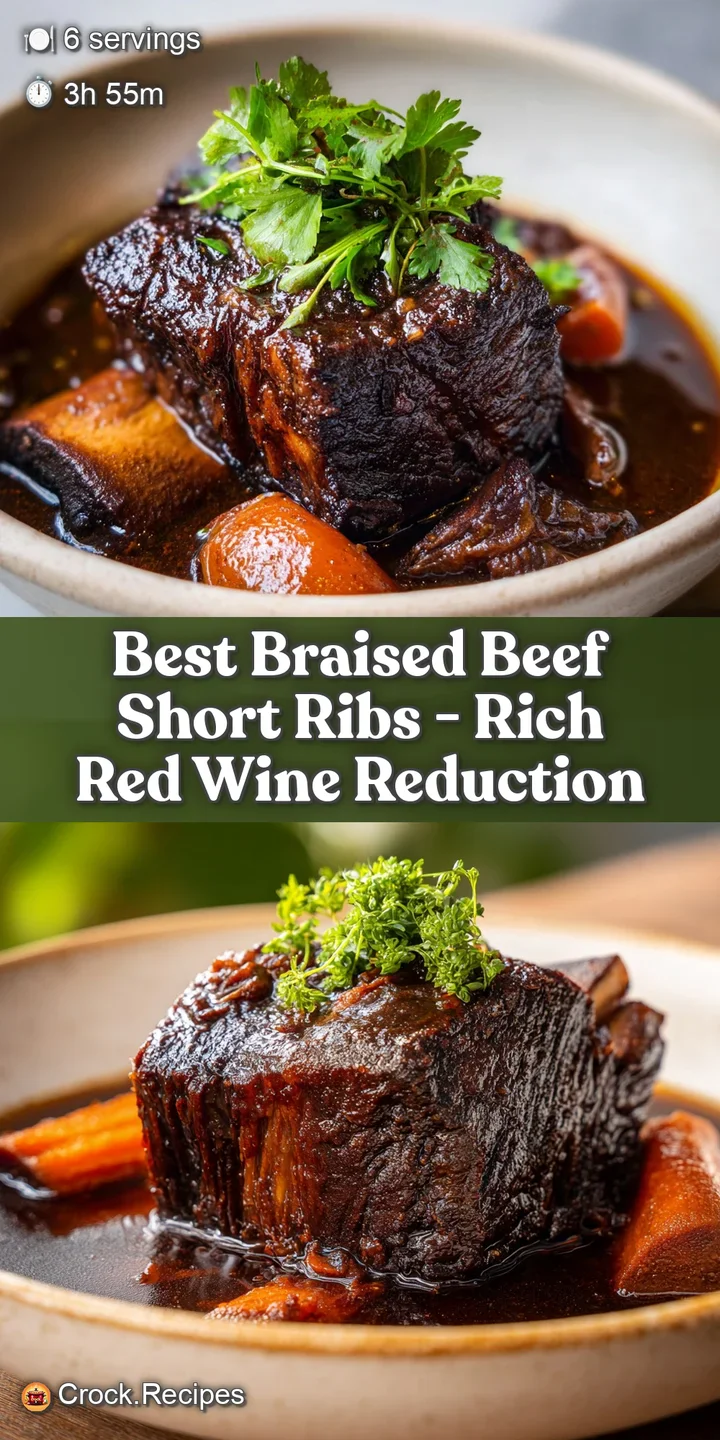
Best Braised Beef Short Ribs
- Time: Active 25 minutes, Passive 3 hours 30 mins, Total 3 hours 55 mins
- Flavor/Texture Hook: Succulent, fall apart beef in a rich, silken red wine reduction
- Perfect for: Sunday family dinners, cold weather entertaining, or high end meal prep
- Mastering the Most Tender Beef Short Ribs
- The Collagen Transformation Secret
- Analyzing the Essential Flavor Components
- Elements for a Rich Braise
- Necessary Tools for Success
- Executing the Perfect Braise
- Solving Common Braising Issues
- Adjustments for Specific Dietary Needs
- Proper Storage and Waste Reduction
- Plating and Finishing Your Masterpiece
- Recipe FAQs
- 📝 Recipe Card
Mastering the Most Tender Beef Short Ribs
The second those 5.5 lb bone in beef short ribs hit the hot avocado oil, the kitchen fills with a heavy, primal sizzle that tells you something special is happening. It's that deep, nutty aroma of browning meat that always brings my family wandering into the kitchen, asking when dinner will be ready before the braise has even started.
I used to be terrified of overcooking these, but honestly, the real danger is undercooking them and ending up with something chewy instead of buttery.
We've all been there: you follow a recipe, but the meat just feels "tough" despite hours in the heat. I learned the hard way that you can't rush the breakdown of connective tissue.
This recipe is my tried and true method for getting that glossy, dark sauce and beef that practically melts when your fork even looks at it. We're going to build layers of flavor, starting with a crust that's almost crunchy and ending with a sauce so concentrated it coats the back of a spoon like liquid gold.
Trust me, your house is about to smell like a high end French bistro, and the payoff is worth every single minute of waiting. This isn't just a meal; it's the kind of cooking that makes people stay at the table a little longer just to soak up every last drop of sauce with a piece of crusty bread.
The Collagen Transformation Secret
The Collagen Melt: At around 160°F, the tough connective collagen in the beef begins transforming into silky gelatin, which provides that signature mouthfeel. This process requires sustained, gentle heat and moisture to ensure the fibers separate without becoming dry and stringy.
| Meat Thickness | Target Internal Temp | Rest Time | Visual Finished Cue |
|---|---|---|---|
| 2 inch Bone in | 203°F to 205°F | 15 minutes | Meat pulls away from bone easily |
| 3 inch Bone in | 203°F to 205°F | 20 minutes | Bone slides out with zero resistance |
| 1.5 inch Boneless | 200°F to 203°F | 10 minutes | Shreds easily with two blunt forks |
The long cooking time isn't just a suggestion; it is the physical requirement for the protein fibers to relax and the fat to render completely. If you pull them out too early, they might be "cooked" through, but they won't have that luxurious, buttery texture we're after.
Analyzing the Essential Flavor Components
| Ingredient | Science Role | Pro Secret |
|---|---|---|
| 750 ml Red Wine | Acidity and Tannins | Use a dry Cabernet or Merlot; the acid tenderizes fibers while tannins add structural "grip" to the sauce. |
| 2 tbsp Tomato Paste | Umami Booster | Sauté it until it turns a rusty brick red to caramelize the sugars and deepen the savory profile. |
| 5.5 lb Short Ribs | Main Protein/Gelatin | Choose English cut (rectangular) for the best meat to fat ratio and maximum collagen release. |
Selecting the right wine is just as important as the beef itself, much like the balance required in a Hearty PubStyle Beef recipe where the liquid base defines the final character. A cheap "cooking wine" will leave your sauce tasting flat or overly salty, so pick something you'd actually enjoy drinking.
Elements for a Rich Braise
- 5.5 lb bone in beef short ribs, English cut: Why this? The bone provides marrow and structure to the sauce during the long simmer.
- 2 tbsp avocado oil: Why this? High smoke point allows for a hard sear without the oil burning.
- 2 large yellow onions, diced: Why this? They provide a sweet, foundational base as they melt into the liquid.
- 3 large carrots, sliced into thick rounds: Why this? Added for sweetness and texture; thick rounds won't disintegrate.
- 2 stalks celery, diced: Why this? Completes the aromatic mirepoix for a balanced, savory background.
- 4 cloves garlic, smashed: Why this? Smashed cloves release oils slowly without burning during the sauté.
- 2 tbsp tomato paste: Why this? Adds concentrated tomato flavor and helps thicken the final reduction.
- 750 ml dry red wine: Why this? The primary braising liquid that provides acidity and deep color.
- 2 cups low sodium beef bone broth: Why this? Adds body and richness without making the dish overly salty.
- Fresh Herbs & Seasoning: 3 sprigs thyme, 2 sprigs rosemary, 2 bay leaves, 1 tsp kosher salt, 0.5 tsp black pepper.
| Original Ingredient | Substitute | Why It Works |
|---|---|---|
| Avocado Oil | Grapeseed Oil | Similar high smoke point and neutral flavor profile. |
| Red Wine | Beef Broth + 1 tbsp Balsamic | Provides liquid volume and necessary acidity. Note: Results in a less complex, brighter sauce. |
| Fresh Thyme | 1 tsp Dried Thyme | Concentrated herb flavor. Note: Add earlier in the process than fresh herbs. |
Using the right fat for searing is a trick I learned after smoking out my kitchen with olive oil one too many times. Avocado oil is a champion here because it lets you get that pan screaming hot, which is the only way to get a crust that will hold up inside the braising liquid.
Necessary Tools for Success
You'll definitely want a heavy bottomed Dutch oven for this, specifically something like a 6 or 7 quart Le Creuset or Lodge. The thick cast iron walls hold onto heat better than stainless steel, which prevents the temperature from plummeting when you add the cold meat.
You'll also need a pair of sturdy tongs to flip the ribs don't use a fork, or you'll lose those precious juices before the braise even begins.
A fat separator is a nice to have but not strictly necessary if you have a large spoon and a little patience. If you're planning to serve this for a dinner party, I actually recommend making it a day early and chilling it.
The fat solidifies on top, making it a breeze to lift off, and the flavors actually get more cohesive and complex after a night in the fridge.
Executing the Perfect Braise
- Prep the beef. Pat the 5.5 lb short ribs bone dry with paper towels and season generously with salt and pepper. Note: Dry meat sears; wet meat steams.
- Sear the ribs. Heat avocado oil in the Dutch oven over medium high until shimmering, then brown the ribs for 3 minutes per side until a dark, mahogany crust forms.
- Remove and rest. Set the ribs aside on a plate. Note: They won't be cooked through yet.
- Sauté aromatics. Add onions, carrots, and celery to the pot, stirring for 6 minutes until the onions are translucent and slightly golden.
- Develop umami. Stir in the smashed garlic and tomato paste, cooking for 2 minutes until the paste smells sweet and looks dark red.
- Deglaze the pan. Pour in the 750 ml red wine, scraping the bottom with a wooden spoon until all the browned bits (the fond) are dissolved.
- Combine liquids. Add the 2 cups beef bone broth and herbs, then return the ribs and any juices to the pot.
- The long simmer. Cover and bake at 325°F (160°C) for 3 hours 30 mins until the meat is tender and starting to shred.
- Reduce the sauce. Remove the ribs and herbs, then simmer the liquid on the stove for 10 minutes until it looks velvety and coats a spoon.
- Final assembly. Return the meat to the sauce to glaze it before serving.
Chef's Note: If your sauce feels a bit too thin after the braise, don't panic. Just keep the lid off and let it bubble away on the stovetop for a few extra minutes. The flavors will concentrate and the texture will turn from "soup" to "glaze" very quickly.
Solving Common Braising Issues
Why Your Beef is Still Tough
If the meat is resisting the fork, it simply hasn't been in the heat long enough. Connective tissue is stubborn and doesn't care about your timer; it only cares about reaching that magic temperature where collagen breaks down.
Why Your Sauce is Too Greasy
Short ribs are naturally fatty, and that fat renders into the liquid. If you didn't trim the ribs or use a fat separator, you might see a shimmering oil slick on top of your sauce.
| Problem | Root Cause | Solution |
|---|---|---|
| Tough Meat | Under cooking or low temp | Return to heat for 30-45 mins until fork tender. |
| Thin Sauce | Too much liquid/no reduction | Simmer uncovered on high for 10-15 mins to reduce. |
| Bitter Aftertaste | Burned garlic or tomato paste | Add 1 tsp of sugar or honey to balance the acidity. |
Common Mistakes Checklist
- ✓ Never crowd the pan while searing; work in batches to keep the heat high.
- ✓ Don't skip the deglazing step; those browned bits are where the flavor lives.
- ✓ Avoid using "cooking wine" from the grocery aisle; use a real bottle of dry red.
- ✓ Ensure the liquid only comes halfway up the ribs; don't drown them or they'll boil instead of braise.
- ✓ Let the meat rest for 15 minutes before serving to keep it succulent.
Adjustments for Specific Dietary Needs
Korean Beef Short Ribs Recipe Twist
To flip the script on this classic, swap the red wine for a mix of soy sauce, pear juice, and ginger. You'll get a salty sweet profile that pairs beautifully with white rice. This technique is similar to the bold flavors found in a Shredded Beef Enchiladas recipe, where the sauce provides the primary punch.
Keto & Paleo Adjustment
The base of this recipe is naturally very keto friendly if you watch the onions and carrots. To keep it strictly Paleo, ensure your beef bone broth is homemade or has no added sugar, and replace the red wine with more broth plus 2 tablespoons of apple cider vinegar for that necessary hit of acid.
Proper Storage and Waste Reduction
Storage Guidelines: You can keep these in an airtight container in the fridge for up to 4 days. In fact, they are better on day two! For the freezer, place the meat and sauce in a heavy duty freezer bag for up to 3 months.
When reheating, do it slowly on the stovetop with a splash of extra broth to keep the meat from drying out.
Zero Waste Tips: Don't you dare throw away those leftover veggie scraps or bones! The bones can be simmered again with water and aromatics to make a "remouillage" (a second run stock) for your next soup. Any leftover sauce is basically liquid gold toss it with some wide pappardelle pasta or use it as a base for a Classic beef bourguignon recipe later in the week.
Plating and Finishing Your Masterpiece
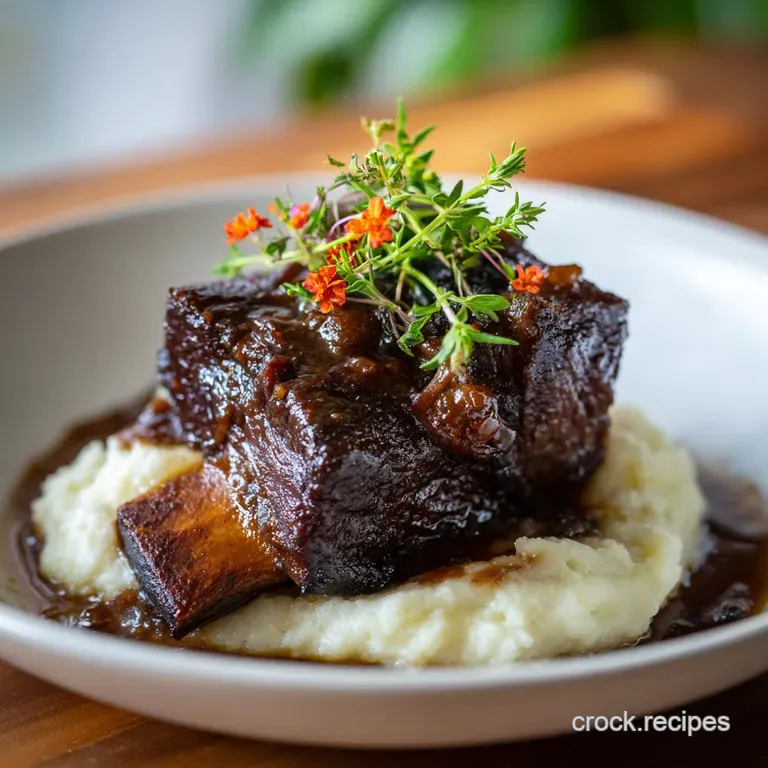
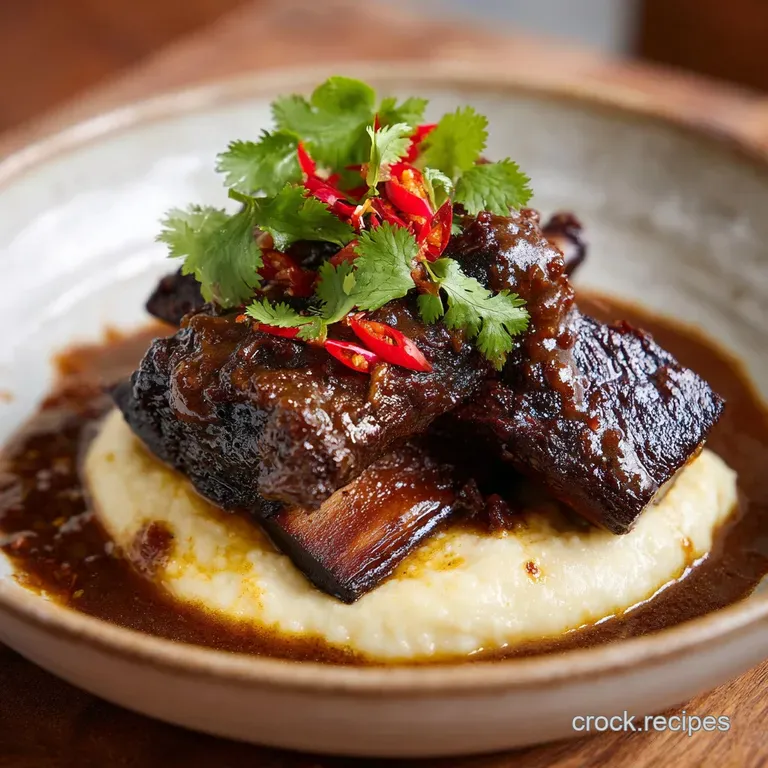
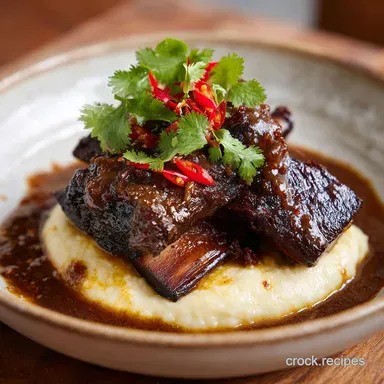
When you're ready to serve, I love putting a big scoop of buttery mashed potatoes or creamy polenta in a wide, shallow bowl. Place one or two ribs right in the center, ensuring the bone is standing tall for a bit of drama.
Then, use a ladle to pour that glossy red wine reduction right over the top until it pools around the base.
For a final touch, a sprinkle of fresh parsley or a little lemon zest (gremolata style) adds a pop of brightness that cuts through the richness of the beef. It’s all about that contrast between the dark, heavy braise and something fresh.
It turns a "brown" dish into something that looks like it belongs on a magazine cover.
Scaling the Recipe
- To Scale Down (1/2): Use a smaller 3 quart Dutch oven. Keep the vegetable sizes the same but reduce the wine and broth by half. Start checking for doneness 30 minutes earlier.
- To Scale Up (2x): Use two separate Dutch ovens or a very large commercial sized pot. Increase salt and spices by 1.5x rather than doubling to avoid over seasoning. You will likely need to sear the meat in 4 or 5 batches.
- Baking Adjustment: If doubling, ensure your oven rack is sturdy enough for the weight, and expect the total cook time to increase by about 45 minutes as the oven works harder to maintain the internal temperature of the larger volume.
Debunking Braising Myths
One common myth is that searing "seals in the juices." Science tells us that's not true moisture is lost during searing regardless. However, we sear because of the Maillard reaction, which creates hundreds of new flavor compounds that give the sauce its incredible depth.
Another myth is that you need to completely submerge the meat. In reality, "braising" is half steaming and half simmering; if you submerge the meat entirely, you're just boiling it, and you'll lose that wonderful roasted flavor on the top of the ribs.
Recipe FAQs
What's the best way to cook beef short ribs?
Braising low and slow in liquid. This method utilizes moist, sustained heat over several hours to convert tough connective tissue (collagen) into tender gelatin.
Are beef short ribs a good cut of meat?
Yes, they are excellent, especially for rich dishes. They have a high fat and collagen content which breaks down during braising, creating intensely flavorful and moist meat.
What's the secret to flavorful short ribs?
Deep caramelization before braising. Searing the ribs hard on all sides creates the Maillard reaction flavors that form the base of the final sauce.
Is beef short rib a cheap cut?
Generally, no, they trend toward the higher end. While historically affordable, demand for slow cooked comfort food has raised prices; however, the payoff in flavor justifies the cost.
How long should I cook short ribs to ensure they are fall apart tender?
Bake at 325°F (160°C) for 3.5 to 4 hours. The actual cooking time depends on bone-in vs. boneless and thickness; the goal is an internal temperature of 203°F 205°F (95°C 96°C) for complete collagen breakdown.
How do I thicken the braising liquid into a glossy sauce?
Reduce the strained liquid aggressively on the stovetop. After removing the meat, simmer the remaining liquid uncovered until it coats the back of a spoon; this concentrates flavor and removes excess water.
Can I use a different liquid instead of red wine for braising?
Yes, but you must compensate for the acid. Substitute wine with extra broth plus 1 tablespoon of balsamic vinegar to ensure the necessary acidity remains to aid in tenderizing the beef fibers, similar to the balancing technique used in our Hearty PubStyle Beef recipe.
Braised Beef Short Ribs
Ingredients:
Instructions:
Nutrition Facts:
| Calories | 604 kcal |
|---|---|
| Protein | 53 g |
| Fat | 32 g |
| Carbs | 11 g |
| Fiber | 2 g |
| Sugar | 4 g |
| Sodium | 580 mg |
