Cinnamon Sugar Knots: the Ultimate Weekend Treat
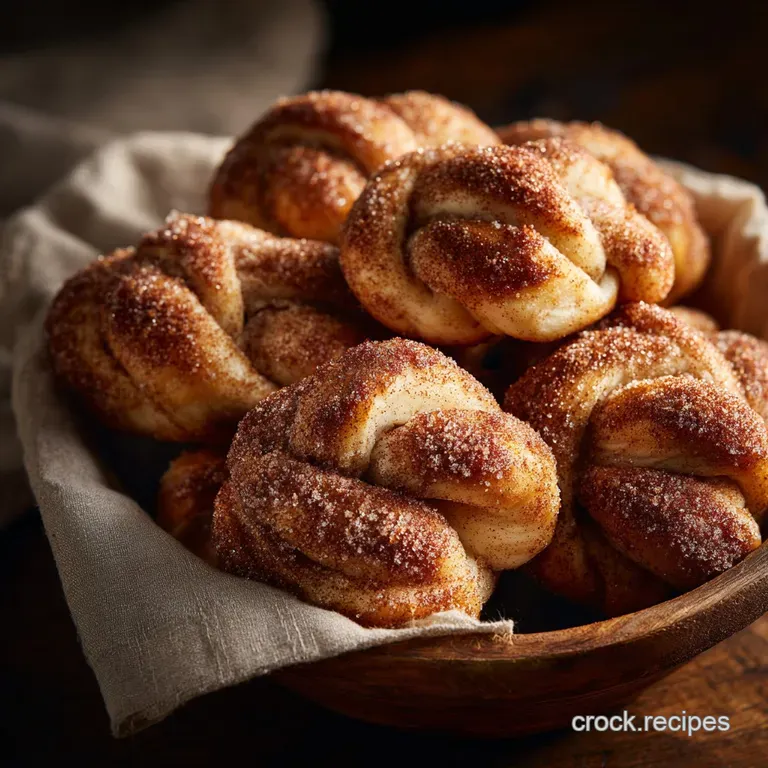
- Buttery Cinnamon Sugar Knots: The Ultimate Weekend Treat
- The Science of Comfort: Why This Dough Rises Above the Rest
- Essential Components for the Perfect Spice Blend and Dough
- Tying the Knot: Step-by-Step Baking Method
- Expert Knotsmithing: Tips, Tricks, and Troubleshooting
- Keeping Them Fresh: Storage and Make-Ahead Baking
- Pairing Perfection: How to Serve and Enjoy Your Cinnamon Swirls
- Recipe FAQs
- 📝 Recipe Card
Buttery Cinnamon Sugar Knots: The Ultimate Weekend Treat
Can we just take a moment to appreciate that smell? You know the one. That warm, spicy, slightly caramelized cloud that engulfs your kitchen and instantly makes everything feel right with the world.
That’s the magic of pure, unadulterated cinnamon sugar , and today, we are giving it the royal treatment. We’re not just sprinkling it on toast; we are baking it right into a fluffy, buttery dream of a yeast knot.
Seriously, this recipe is a lifesaver. You get all the incredible flavour and texture of a fussy cinnamon roll, but the knots are faster to shape, easier to manage, and somehow feel a bit more refined for a weekend brunch.
Plus, the components are cheap: flour, yeast, and that irreplaceable homemade cinnamon sugar blend.
Stop settling for those dry, bland, store-bought buns, friend. Let's make something truly spectacular, something that tastes like a proper bakery treat, all thanks to the right ratio of sugar to spice and a few tricks I learned the hard way.
Grab your stand mixer; it’s time to crack on with the ultimate cinnamon sugar recipe for baking.
The Science of Comfort: Why This Dough Rises Above the Rest
The secret sauce here literally is how we treat the yeast and the butter. Unlike many quick bread recipes, we're developing strong gluten structure here so the knots can hold all that delicious filling without collapsing into sad little puddles.
A properly kneaded dough is vital for achieving that signature soft, pillowy interior.
Decoding the Ultimate Spice-to-Sugar Ratio
Making the perfect cinnamon sugar is deceptively simple, but the ratio matters immensely, especially when it’s going inside a dough. Too much sugar, and it melts completely, leaking out and hardening into a crusty mess on your pan. Too much cinnamon, and it tastes aggressively powdery.
My tried and true formula, which incorporates brown sugar for moisture and depth, uses a slight pinch of salt to amplify the flavour profile of the spices. This specific cinnamon sugar mix ratio ensures a thick, spreadable paste that stays put during baking, giving you pockets of gooey richness.
The Difference Between a Roll and a Knot (And Why It Matters)
Cinnamon rolls are lovely, but they require precise cutting and often end up sticking together in the pan, leading to raw edges or uneven baking. The knot, or twist, is brilliant because it exposes more surface area to the oven’s heat, guaranteeing a golden colour and an even bake.
It also allows the cinnamon sugar filling to caramelize slightly on the outside edges, which is truly heavenly.
A Brief History of Comfort Baking
There's something deeply therapeutic about kneading dough, don't you think? Historically, yeast breads like these buttery swirls were reserved for special occasions or feast days, requiring time and patience.
Now we can whip them up any Saturday morning, turning a simple mix of flour and our best homemade cinnamon sugar into an immediate comfort food.
Achieving the Signature Soft, Pillowy Texture
This specific dough recipe uses a technique called enrichment. We load it up with fat (butter) and eggs, which inhibits gluten development slightly, resulting in a softer crumb texture that’s less chewy than a traditional bread loaf.
This enriched dough, combined with a proper second proofing, is what makes these cinnamon sugar knots so ridiculously tender.
The Maillard Reaction on Buttery Surfaces
When the butter laden dough and the buttery cinnamon sugar filling hit the hot oven, the Maillard reaction goes wild. This isn't just browning; it's flavour development. The sugars caramelize, the dairy solids toast, and the cinnamon deepens from sharp spice to warm, complex aroma.
That deep golden brown colour isn’t just aesthetic; it tells you the flavour is maximized.
Activating Yeast for Maximum Fluff
Yeast needs two things: food (sugar) and warmth (milk). I use instant dry yeast, which is fast and reliable. If your milk is too cold (below 105°F), the yeast sleeps; if it’s too hot (above 115° F), the yeast dies.
Trust me, I learned this the hard way, once killing an entire batch of dough because I was too impatient to wait for the milk to cool down. Instant yeast should bloom quickly, telling you that your buttery cinnamon sugar knots are destined for fluffiness.
Essential Components for the Perfect Spice Blend and Dough
Every single component plays a role in the final texture and flavor. Don't skimp on quality here; we're building an edifice of comfort, not just a quick snack.
Selecting the Right Cinnamon Variety
Okay, controversial topic time: Ceylon vs. Cassia. Most grocery stores carry Cassia, which is sharp, robust, and spicy great for intense flavour, but easy to overdo. Ceylon is milder, sweeter, and more floral.
For this particular, deeply aromatic cinnamon sugar mix, I actually prefer a high-quality Cassia. It stands up beautifully against the rich butter and caramelized sugar without getting lost.
Butter vs. Oil: Flavor and Structure Notes
We use melted butter in the dough for flavour, giving it that classic richness. For the cinnamon sugar filling, however, the butter must be soft .
This allows it to cream properly with the sugars, creating an emulsion that stays soft and gooey inside the knot, rather than running out. Never substitute oil for the butter in the filling; you won't get that dreamy texture.
Flour and Gluten Development Breakdown
All-purpose flour works perfectly for these knots, providing enough protein to develop that necessary elasticity. I always weigh my flour (it's the only way to be sure!), but if you are using cups, spoon it lightly into the measuring cup and level it off.
Too much flour results in dense, dry knots, which defeats the entire purpose of a glorious cinnamon sugar treat.
Smart Substitutions for Dairy and Yeast
Need to make a quick change? Here are some simple swaps that won't compromise your baking success.
| Ingredient | Viable Substitution | Key Adjustment |
|---|---|---|
| Whole Milk | Oat or Soy Milk (Plain) | Ensure it’s warmed properly for yeast activation. |
| Unsalted Butter | high-quality Vegan Butter Sticks | Avoid margarines; stick to sticks with high fat content. |
| Instant Yeast | Active Dry Yeast | Must be proofed separately in the warm milk for 10- 15 minutes. |
| Brown Sugar | Date Sugar or Muscovado | Muscovado adds a stronger molasses note; date sugar needs slightly more moisture. |
> Chef’s Note: If you want to dive into other great low-carb recipes, you could try using a low-carb sugar substitute in your cinnamon sugar, though it may change the texture slightly when baked.
If you're going that route, check out my recipe for [Keto Cinnamon Bread: The Proper, Moist Low Carb Swirl Loaf Recipe].
Tying the Knot: step-by-step Baking Method
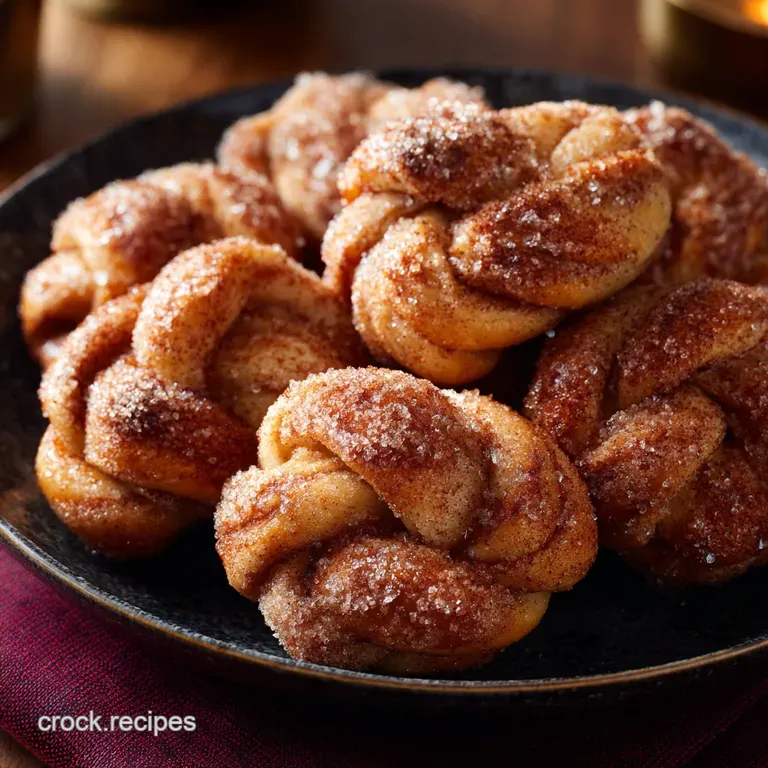
This recipe is structured into three manageable stages. Patience during the proofing stages is absolutely mandatory for that tender crumb.
Mixing and First Proofing: Achieving the Windowpane Stage
Get your yeast activated first; you want that glorious foam within ten minutes! Once the wet ingredients are mixed, add the flour and salt. Knead the dough for a full 6- 8 minutes until it is smooth and no longer sticky.
The dough should pass the windowpane test , meaning you can stretch a small piece until it is translucent without tearing. This strong gluten structure supports the rich cinnamon sugar filling.
After kneading, let the dough bulk ferment in a warm, draft free spot until it’s doubled, usually about 90 minutes.
Rolling, Filling, and Shaping the Knots Precisely
Once the dough has risen, punch it down gently and roll it out smoothly onto a lightly floured surface. We’re aiming for an 18x12 inch rectangle. Now, spread that dreamy cinnamon sugar filling, ensuring you go edge-to-edge. Roll it up tightly from the long side.
When slicing, use dental floss if you can it gives the cleanest, least squashed cut compared to a knife. To shape, take each strip, unroll it slightly, twist it gently like a rope, and then loop it into a loose knot.
Place these lovely little buttery cinnamon sugar twists onto your parchment lined sheet trays.
The Critical Second Proofing Temperature
The second proof is where the knots get their final puffiness. This usually takes 30- 45 minutes. DO NOT RUSH THIS STEP. If you bake the knots before they are adequately puffed, they will be dense and heavy.
Place them somewhere slightly warm but not hot; a slightly cracked oven (turned off!) or on top of the fridge often works well.
Glaze Application Timing
The glaze is simple but essential. Whisk together the powdered sugar, a little milk, and vanilla. You want it thick enough to coat, but thin enough to drizzle. The best time to apply the glaze is when the knots are warm, but not scorching hot (about 10 minutes out of the oven).
If they are too hot, the glaze will melt into the knot completely, and if they are fully cool, it won't absorb properly. We want that shiny, slightly tacky top layer to finish off our perfect cinnamon sugar bake.
Expert Knotsmithing: Tips, Tricks, and Troubleshooting
I’ve had enough flat, hard, or leaky attempts to write a book on what not to do. Learn from my mistakes!
Solving Common Dough Handling Issues
If your dough is too sticky after kneading, add a teaspoon of flour at a time until it cleans the sides of the bowl. If it’s too tough and resists rolling, cover it and let it rest for 10 minutes; this allows the gluten strands to relax, making rolling much easier.
Never use too much flour for dusting, or it will create dry spots and inhibit the final rise of your beautiful cinnamon sugar knots.
When Is the Interior Perfectly Baked?
We bake these at 375°F (190°C). The knots should be deep golden brown across the top. If you use a thermometer (highly recommended for yeast breads), the internal temperature should register between 195°F and 205°F (90°C 96°C). Pale knots mean a raw, doughy centre.
Avoiding Leaky Cinnamon Filling
This is the big one! Leaky filling happens when the butter is too warm and runny when you spread it, or when there is too much sugar without enough binding fat. Use butter that is genuinely soft, almost like spreadable mayo, but not melted.
And ensure you use brown sugar, as its molasses content helps hold the whole cinnamon sugar mixture together, preventing excessive leakage.
High Altitude Adjustments for Yeast Bakes
If you live at high altitude (5,000 feet plus), yeast works overtime, causing the dough to over proof quickly and potentially collapse. Solution: reduce the yeast slightly (use 2 teaspoons instead of 2 ¼ tsp) and increase the liquid slightly (add 1 2 extra tablespoons of milk).
Reduce proofing times by about 15- 20 minutes, too.
Keeping Them Fresh: Storage and make-ahead Baking
Can you make these ahead of time? Absolutely. Do they keep well? Better than most baked goods, thanks to the high fat content.
Freezing Unbaked Dough vs. Baked Knots
Freezing the unbaked dough is my favourite trick. Complete all steps up to the second proofing (Stage 2, Step 10). Arrange the shaped, un-proofed cinnamon sugar knots on a parchment lined tray and freeze until solid. Once frozen, transfer them to a large freezer bag.
They keep for up to 3 months. To bake, pull them out, place them on a tray, cover, and let them thaw and proof overnight in the fridge, or for about 3- 5 hours at room temperature, then bake as directed.
Best Practices for Room Temperature Storage
Once baked and glazed, these knots are best on day one. But they stay delicious for 2 3 days if stored properly. Keep them in an airtight container at room temperature. If they start to feel dry, simply microwave one for 10 15 seconds or wrap it in foil and refresh in a 300°F (150° C) oven for a few minutes.
This revives the glorious, gooey texture of the cinnamon sugar filling perfectly.
Pairing Perfection: How to Serve and Enjoy Your Cinnamon Swirls
These knots are magnificent on their own, but a few simple additions can take them completely over the top.
We already added a simple powdered sugar glaze, but sometimes you need extra richness. A proper, tangy cream cheese frosting is always the move; it pairs perfectly with the spiced sweetness of the cinnamon sugar .
You can find my recipe for the perfect texture here: [Cinnamon Roll Icing: The Proper Bakery Cream Cheese Frosting Recipe].
Serve them alongside strong, black coffee or a milky chai tea to balance the sweetness. For a truly decadent finish, try serving them with a small bowl of warm salted caramel dipping sauce. Whatever you choose, these homemade cinnamon sugar knots are guaranteed to make your morning feel special.
Enjoy every single bite!
Recipe FAQs
What is the ideal ratio for basic cinnamon sugar, and why does this recipe use more cinnamon?
The standard culinary ratio for cinnamon sugar is typically 4 parts granulated sugar to 1 part cinnamon by volume. Our knot recipe increases the cinnamon slightly (closer to a 3:1 ratio) to ensure the flavor stands up robustly against the rich butter and yeast dough.
This prevents the spice from becoming muted or lost during the baking process.
Can I substitute Ceylon cinnamon for the standard Cassia cinnamon?
Yes, you can certainly use Ceylon cinnamon, but please note the significant difference in flavor profile. Ceylon is considered milder, sweeter, and more floral, whereas the widely available Cassia is known for being robust, spicy, and potent.
If you opt for Ceylon, you may need to increase the quantity by about 25% to achieve the desired punch in the baked knot.
How should I store leftover homemade cinnamon sugar, and what is its shelf life?
Store the mixture in an opaque, airtight container, keeping it away from heat, steam, and direct sunlight, such as in a cool pantry. While the sugar content ensures it never truly "spoils," the cinnamon’s volatile oils will gradually diminish in potency.
For optimal flavor, plan to use your batch within 1 to 2 years.
The recipe calls for granulated sugar, but can I use brown sugar or raw sugar instead?
Using brown sugar will introduce molasses notes and moisture, which may cause it to melt too quickly and create a sticky, uneven caramelization on the knots. Raw turbinado or demerara sugar offers an incredible textural crunch, making it an excellent finishing topping.
However, for the internal swirl or a smooth coating, we recommend sticking primarily to granulated white sugar.
My cinnamon sugar topping often clumps up and doesn't sprinkle evenly. How can I prevent this?
Clumping is almost always caused by residual moisture or high humidity being absorbed by the sugar. To prevent this, ensure both your sugar and cinnamon are completely dry before mixing, and use a bone dry container for storage.
If humidity is severe, storing the mixture with a small food safe desiccant packet can help absorb environmental moisture.
Is there a lower sugar or sugar-free substitute I can use for the knot topping?
You can substitute the granulated sugar with a baking specific, measure for-measure erythritol or monk fruit blend, combined with the required cinnamon. Be aware that these substitutes do not caramelize in the same way as cane sugar and may require a slightly heavier application of butter to ensure the mixture adheres properly to the dough before baking.
Besides the Knots, what are some great uses for my leftover cinnamon sugar mix?
Cinnamon sugar is fantastically versatile and deserves to be used liberally in your kitchen. Try generously dusting it over fresh buttered toast, hot oatmeal, or yogurt parfaits for a quick flavor boost.
It is also perfect for shaking over homemade popcorn, coating baked donuts, or stirring into your morning coffee or hot chocolate.
Buttery Cinnamon Sugar Knots
Ingredients:
Instructions:
Nutrition Facts:
| Calories | 280 kcal |
|---|---|
| Protein | 5.0 g |
| Fat | 12.0 g |
| Carbs | 38.0 g |
