Snickerdoodle Cookies: Classic, Chewy, and Perfectly Tangy
- The Definitive Guide to Snickerdoodle Cookies: Tangy, Chewy, and Perfect
- Mastering the Snickerdoodle Science: The Role of Cream of Tartar
- Essential Ingredients for Authentic Snickerdoodle Cookies and Key Substitutions
- The Step-by-Step Method: Mixing, Rolling, and Baking Your Snickerdoodles
- Troubleshooting and Expert Tips for Flawless Snickerdoodles
- Proper Storage and Freezing: Keeping Snickerdoodles Fresh and Soft
- Elegant Serving Suggestions and Perfect Pairings
- Recipe FAQs
- 📝 Recipe Card
The Definitive Guide to Snickerdoodle Cookies: Tangy, Chewy, and Perfect
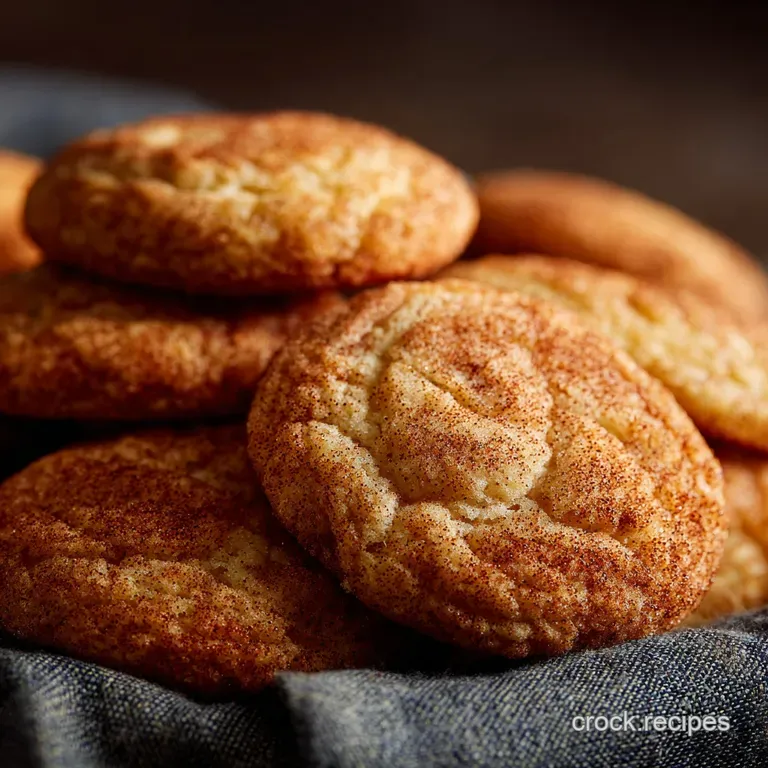
Gosh, when that first batch of Soft Chewy Snickerdoodle Cookies slides out of the oven, the smell alone could solve world peace. The aroma of warm cinnamon mingling with buttery, sweet dough is instantly transportive.
You get that tell tale crinkle on top, glistening sugar crystals, and a center that promises perfect, cloud like softness.
If you’re anything like me, you need a reliable, fast recipe that delivers massive flavor without needing 17 different steps. This classic Snickerdoodle cookies recipe is honestly the best lifesaver for last minute bake sales or a sudden, overwhelming urge for comfort food.
They use pantry staples and come together shockingly fast.
This isn’t just another cookie recipe, though; this is the definitive guide to getting that signature tangy flavor absolutely spot on. We’re diving deep into the science behind the perfect crackle, the role of cream of tartar, and all the little tricks I learned the hard way (so you don't have to).
Let’s get these baking sheets ready.
Mastering the Snickerdoodle Science: The Role of Cream of Tartar
The History and Unique Flavor Profile of the Snickerdoodle
Snickerdoodles are often lumped in with sugar cookies, but that is simply an insult to their glorious complexity. They originate from Dutch or German baking traditions and their name might even be derived from the German word Schneckennudeln , meaning "snail noodles," due to their rolled shape.
What really sets them apart is that perfect balance of sweetness and acidity. They have a fantastic, subtle tang that prevents them from tasting overwhelmingly sugary.
Texture Triumphs: Achieving the Signature Crinkled Top
If your Snickerdoodles don't have those beautiful, deep surface cracks, we need to talk. The signature crinkled texture is actually a result of two things: the high level of chemical leavening and the sugary coating.
The dough expands rapidly in the hot oven, stretching the surface layer of cinnamon sugar until it cracks dramatically. Remember this: a perfectly chewy Snickerdoodle requires a thick profile, not a flat disc.
Equipment Checklist for Successful Baking
You don't need a lot of fancy gear to make the best Easy Snickerdoodle Cookies , but having the right tools makes a huge difference.
- Stand Mixer (or a very powerful hand mixer)
- Parchment paper (absolutely non-negotiable for cleanup and preventing sticking)
- A reliable 1.5 tablespoon cookie scoop (uniform size ensures uniform baking!)
- Wire cooling rack
How Cream of Tartar Creates the Signature Tang and Lift
This is the secret sauce! Cream of tartar is an acidic powder, specifically potassium bitartrate, which is a byproduct of winemaking. In this recipe, it serves two critical functions: first, it provides that distinctive, almost citrusy tang we associate with Snickerdoodles.
Second, it reacts aggressively with the baking soda to give the cookies a massive, quick lift, resulting in that pillowy soft texture and the dramatic surface crackle.
Chef's Note: Cream of tartar prevents the sugar in the dough from fully crystallizing. This is the true reason your cookies stay gorgeously soft and chewy for days.
The Importance of Chilling the Dough for Optimal Texture
I know, I know. Waiting is the hardest part of baking. But skipping the minimum 45 minute chill time is the number one reason people end up with thin, overly crispy, sad cookies. Chilling allows the fats to firm up, preventing excessive spreading in the oven.
It also lets the flour fully hydrate, meaning you get a richer, more concentrated flavor, perfect for those deep, delicious Christmas Cookie Recipes .
Why Specific Leavening Agents Matter in This Recipe
You might be thinking, "Can't I just use baking powder?" Nope. Baking powder is usually baking soda plus an acid already mixed in. This recipe requires the specific combination of baking soda and cream of tartar to get the precise pH balance needed for that unique flavor and tender crumb structure.
They must work as separate partners!
Essential Ingredients for Authentic Snickerdoodle Cookies and Key Substitutions
For optimal results, ensure your eggs and butter are genuinely at room temperature. Trust me on this.
| Ingredient | Measurement | Why It Matters | Substitution Options |
|---|---|---|---|
| Unsalted Butter | 1 cup (2 sticks) | Controls the final salt content. Must be soft. | high-quality vegan butter baking sticks (1:1). |
| All-Purpose Flour | 2 ¾ cups | The structure. Use the spoon and level method. | Measure for-measure GF blend (add 1 tsp xanthan gum if necessary). |
| Cream of Tartar | 2 tsp | The essential tangy acid component. | 2 tsp Baking Powder + ½ tsp white vinegar/lemon juice (tang will be milder). |
| Granulated Sugar | 1 ½ cups | Used for both dough and coating. | Cane sugar. Do not substitute with brown sugar here it adds too much moisture. |
| Large Eggs | 2 | Binds the ingredients and adds richness. | Flax eggs (2 Tbs ground flax mixed with 6 Tbs water, rest 5 min) for vegan. |
Choosing the Right Fats: Why Unsalted Butter is Non-Negotiable
We use unsalted butter specifically so we can control the amount of salt going into the dough. Since every brand of salted butter has a different sodium content, sticking to unsalted allows for consistency. Plus, make sure it’s softened, but not melted.
You should be able to press into it easily, leaving an indentation.
The Perfect Cinnamon Sugar Coating Ratio
Do not be timid here! The coating is crucial for flavor and texture. My go-to ratio is 4 parts sugar to 1 part cinnamon. That usually translates to ¼ cup sugar and 2 tablespoons of ground cinnamon. Use a good quality, fragrant cinnamon.
This mix should be waiting in a shallow bowl before you even start the dough!
Detailed Notes on Cream of Tartar Alternatives (and Why Caution is Advised)
If you are staring down a recipe and realize you are out of cream of tartar, don't panic, but proceed with caution. The easiest substitute is using 1 teaspoon of baking soda and 2 teaspoons of baking powder in place of the cream of tartar/baking soda combo, but you will lose the signature tangy flavor.
If you want some tang back, use the suggested baking powder plus vinegar/lemon juice. Just know that purists will notice the difference.
Flour Guide: Weighing vs. Measuring for Consistent Results
I made this mistake for years: scooping flour straight out of the bag. This compacts the flour, adding way too much, leading to dry, crumbly dough. For consistent baking results, please, please weigh your flour.
If you don’t have a scale, gently spoon the flour into the measuring cup, then level the top off with a straight edge.
The step-by-step Method: Mixing, Rolling, and Baking Your Snickerdoodles
The 'Creaming Stage': Incorporating Air for Maximum Softness
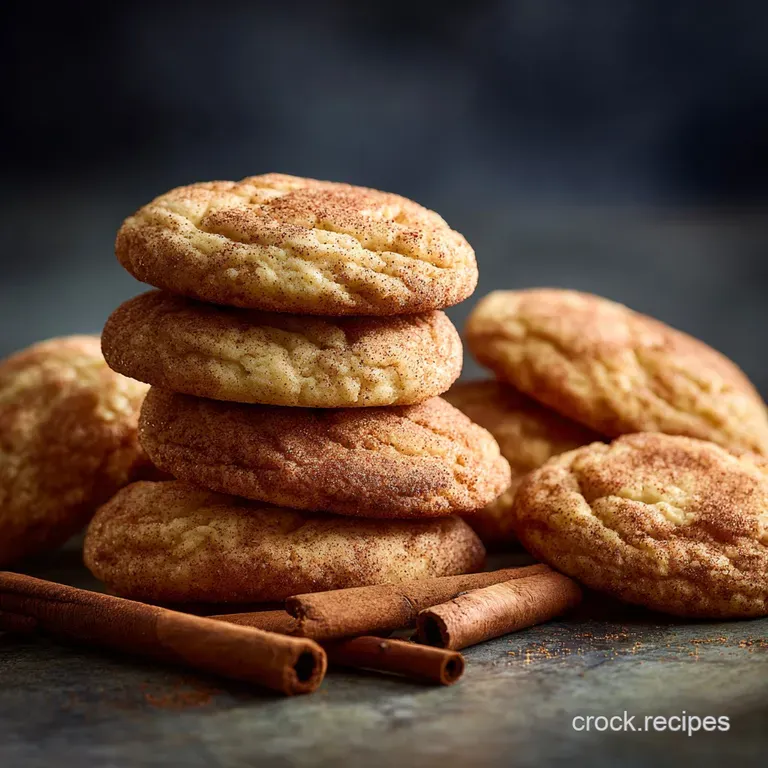
Start by beating the softened butter and the granulated sugar in your stand mixer on medium speed. This step, known as creaming, needs to last a full 3 to 5 minutes . I’m not kidding.
The mixture should transform from dense, yellowish butter to a pale, fluffy, nearly white cloud. This is when air is whipped in, giving your cookies their incredible lift and softness. After that, add the eggs one at a time, mixing fully, then stir in the vanilla.
Rolling Uniform Dough Balls and Coating Techniques
Once your dough is mixed (only until the flour streaks disappear!), chill it for at least 45 minutes. When you're ready, use your cookie scoop to make uniformly sized balls. This is vital because different sizes bake at different speeds. Roll each ball completely in the cinnamon sugar mixture.
Be generous! The entire surface should be coated. Place the coated balls about two inches apart on your parchment lined baking sheet.
Baking Time Calibration for Chewy Centres vs. Crisp Edges
Preheat your oven to 375°F (190°C). Bake for 10 to 12 minutes. Pay attention to the look, not just the timer. The edges should look just set, slightly golden, but the center of the cookie should still look puffy and slightly underbaked.
If the centers look completely dry, you've gone too far. Underbaking slightly is the key to that Soft Chewy Snickerdoodle Cookies texture.
The Essential Cooling Rack Transfer (Don't Overbake!)
When they come out, those cookies are fragile, but we need the residual heat from the baking sheet to finish setting them. Leave them on the sheet for 5 minutes. After that, carefully transfer them to a wire rack to cool completely.
This prevents the bottoms from getting soggy and finishes the perfect crisp edge.
Troubleshooting and Expert Tips for Flawless Snickerdoodles
Solving the Flat Cookie Problem: Temperature and Ingredient Fixes
If your cookies spread into thin puddles, there are usually two culprits: your butter was too warm, or you skipped the chilling step. If the butter was too soft when creaming, it lacked the structure to hold air. Fix it by making sure the butter is simply softened , not greasy. And always, always chill the dough. If you need a fast fix for warm dough, check out my tips for Buckeye Brownie Cookies: Fudgy, Ultra Creamy, No-Fail Recipe , as those techniques apply here too!
Why Do They Taste Metallic? Addressing Ingredient Balance Issues
A metallic or soapy taste almost always means you have too much baking soda in your recipe, or the leavening agents are stale. Baking soda is highly alkaline, and if it doesn't get fully neutralized by the cream of tartar, you taste that harsh, soapy residue.
Make sure your leavening agents are fresh (replace them every six months!) and measure them accurately.
Achieving the Ideal Crinkle: Dough Preparation Secrets
Beyond the cream of tartar, the key to the ideal crinkle is making sure the coating is heavy and the dough is cold. When the cold dough hits the hot oven, the exterior layer cooks faster than the interior, forcing those cracks. For the best coating, ensure you use fine granulated sugar, not superfine or powdered sugar.
Proper Storage and Freezing: Keeping Snickerdoodles Fresh and Soft
Freezing Snickerdoodle Dough Balls for Future Use
This is my favorite trick for having fresh cookies on demand. Prepare the dough, roll the balls, and coat them in the cinnamon sugar as directed. Place them in a single layer on a sheet tray and freeze for about an hour until solid. Transfer the frozen dough balls to a zip-top freezer bag.
They will keep for up to 3 months. When ready to bake, just place them on the tray and add 2– 4 minutes to the total baking time.
Maintaining Freshness: Airtight Storage Solutions
Once baked, store your Snickerdoodles in an airtight container at room temperature. They usually stay wonderfully soft for 3 to 4 days. Want a pro tip? Throw a slice of plain white bread into the container with the cookies. The cookies will absorb moisture from the bread, keeping them incredibly soft.
Just remember to replace the bread slice every day or two!
Elegant Serving Suggestions and Perfect Pairings
Beverage Pairings: The Best Coffee and Milk Complements
Snickerdoodles are the quintessential comforting bite, so they pair perfectly with simple, cozy beverages. A tall glass of ice-cold milk is classic, especially if the cookies are still slightly warm. If you’re serving these as part of a larger spread of Holiday Baking Ideas (maybe alongside some festive Candy Cane Cookies: The Ultimate Peppermint Swirl Shortbread Recipe ), try them with a strong coffee or a lightly spiced chai latte. The slight bitterness of the coffee beautifully contrasts the sweet cinnamon coating.
Recipe FAQs
Why is Cream of Tartar absolutely essential for a true Snickerdoodle?
Cream of tartar serves two crucial functions in this recipe: it provides the signature tangy, bright flavor that distinguishes a Snickerdoodle from a standard sugar cookie. Secondly, as an acid combined with baking soda, it helps the cookies achieve that initial puff followed by the desirable crackled, chewy collapse.
My cookies spread too much and are flat and greasy. What went wrong?
This common issue is typically due to the butter being too soft or warm before mixing, or insufficient chilling time. Ensure your butter is merely room temperature (cool to the touch, not melted) and that the scooped, rolled dough balls are fully chilled for at least 30 minutes before entering the oven.
Can I substitute baking powder if I don't have Cream of Tartar?
While you can substitute the combined leavening agents with approximately two teaspoons of baking powder, the resulting cookie will lack the authentic Snickerdoodle tang. Baking powder also results in a softer, less crackled texture, fundamentally changing the classic profile of the cookie.
How do I know when the Snickerdoodles are perfectly baked for maximum chewiness?
For the best chewiness, pull the cookies out when the edges are set and lightly golden, but the very centers still look slightly pale and puffed. They will continue to set on the hot baking sheet for the requisite five minutes, achieving that perfect soft middle and crispy edge.
My cookies came out tough and dry. How do I troubleshoot the texture?
A tough texture usually stems from overmixing the flour, which develops too much gluten, or simply baking them too long. Ensure you mix the dry ingredients only until just combined stop stirring as soon as the last streaks of flour disappear and adhere strictly to the lower end of the baking time.
What is the best way to store the dough or the finished cookies?
Baked Snickerdoodles should be stored in an airtight container at room temperature for up to five days. For dough, you can roll the balls, place them on a tray to firm up, and then freeze them for up to two months, baking directly from frozen but adding a few extra minutes to the bake time.
Are there any recommended flavor variations to elevate the classic Snickerdoodle?
For a subtle gourmet twist, try adding 1/4 teaspoon of freshly ground nutmeg or cardamom to the dough mixture for depth. Alternatively, substitute half of the granulated sugar in the exterior coating with light brown sugar for a richer, more molasses forward cinnamon crust.
Chewy Classic Snickerdoodle Cookies
Ingredients:
Instructions:
Nutrition Facts:
| Calories | 101 kcal |
|---|---|
| Protein | 1.0 g |
| Fat | 4.0 g |
| Carbs | 5.0 g |
