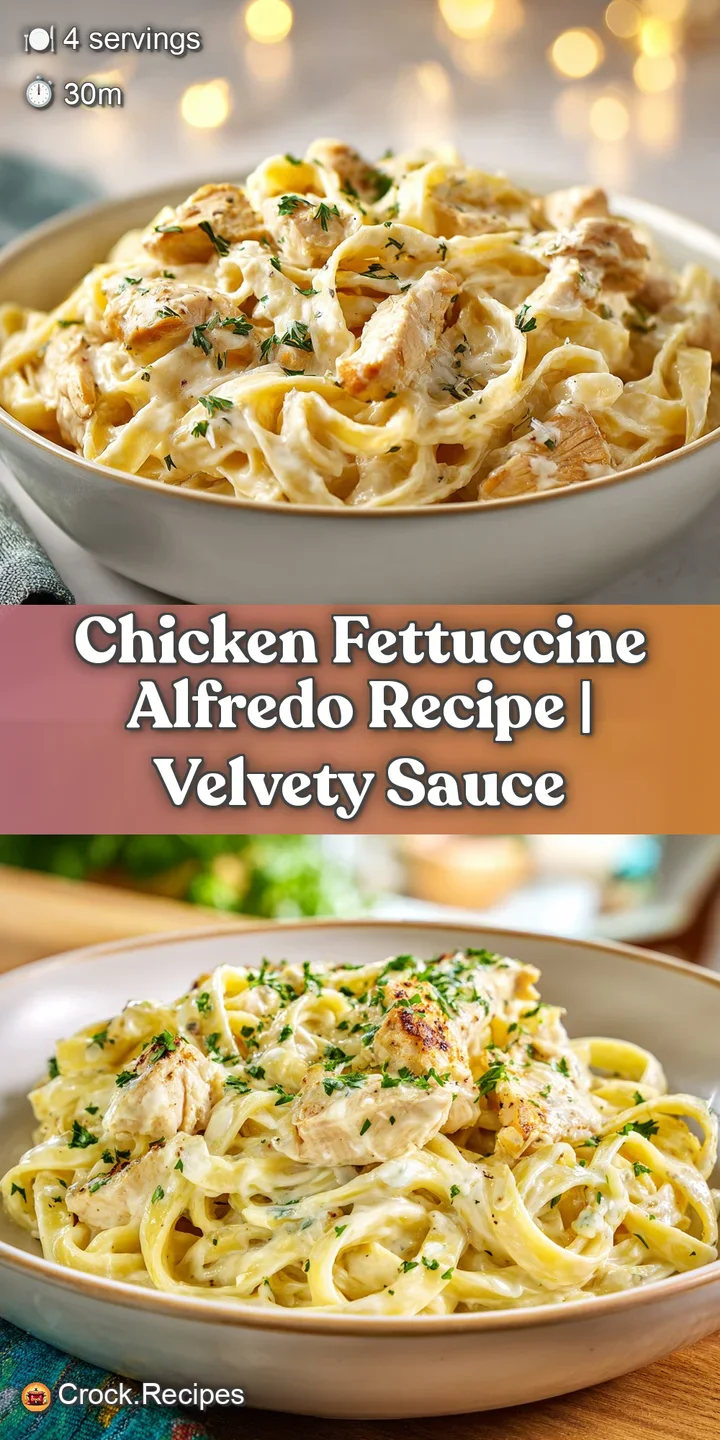
Chicken Fettuccine Alfredo: Velvety Sauce
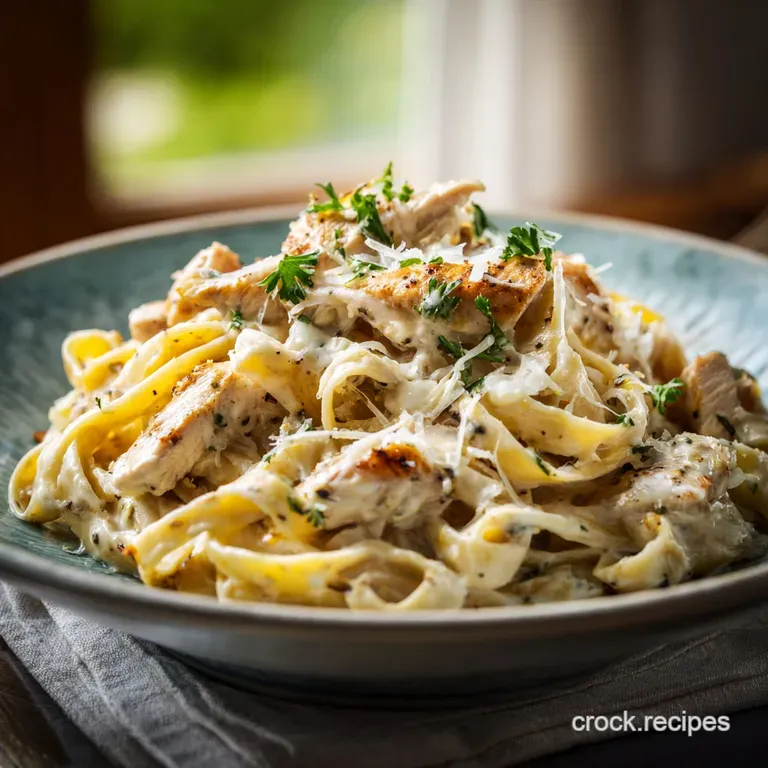
- Time: Active 20 mins, Passive 10 mins, Total 30 mins
- Flavor/Texture Hook: Velvety cream sauce with golden seared chicken
- Perfect for: A satisfying weeknight dinner that feels like a celebration
- Master the Ultimate Chicken Fettuccine Alfredo
- The Secret Behind Achieving a Velvety Sauce Texture
- Essential Metrics for Your Creamy Pasta Success
- Selecting the Finest Elements for Rich Flavor
- The Minimal Tools Needed for Professional Results
- Step-by-Step Guide to Perfecting Your Pasta Meal
- Common Hurdles and How to Avoid Them
- Creative Ways to Customize Your Alfredo Base
- Effective Storage and Waste Reduction Strategies
- Ideal Pairings for a Truly Satisfying Meal
- Very High in Sodium
- Recipe FAQs
- 📝 Recipe Card
Master the Ultimate Chicken Fettuccine Alfredo
The first time I tried making this, I ended up with a ball of stringy cheese and a puddle of oil. It was a disaster, honestly. I remember standing over the stove, staring at my clumped up pasta, wondering where I went wrong. I had used the stuff in the green can and cold cream straight from the fridge.
Total amateur move, but we’ve all been there. Now, when I drop the butter into the pan and it starts that nutty, foamy sizzle, I know exactly what’s coming: pure comfort.
The kitchen fills with this incredible aroma of toasted garlic and sweet cream that honestly makes the neighbors jealous. There is something about the way the heavy cream starts to bubble and thicken, turning into a silky blanket for the pasta, that just feels right.
This version of Chicken Fettuccine Alfredo isn't about shortcuts; it is about the right techniques that make a simple meal taste like it cost fifty bucks at a bistro. We are going for that golden sear on the chicken and a sauce so smooth it practically glows.
The Secret Behind Achieving a Velvety Sauce Texture
Getting that silky finish isn't magic, it's chemistry. Understanding how fats and starches play together is the difference between a broken sauce and a masterpiece. When you're making Chicken Fettuccine Alfredo, you're essentially creating a stable emulsion where the fat from the butter and cheese is suspended in the liquid from the cream and pasta water.
- Starch Binding: The pasta water contains released starches that act as a bridge, helping the fatty sauce stick to the slippery noodles rather than sliding off to the bottom of the bowl.
- Protein Suspension: Using room temperature cream prevents the thermal shock that often causes dairy to curdle or "break" when it hits a hot pan.
- Casein Management: Freshly grated Parmigiano Reggiano contains natural emulsifiers that melt smoothly, whereas pre shredded cheese is coated in potato starch that prevents melting and causes graininess.
- Maillard Reaction: Searing the chicken at a high temp creates a flavorful crust that releases savory compounds into the pan, which are then picked up by the sauce for deeper complexity.
| Chicken Thickness | Internal Temp | Rest Time | Visual Cue |
|---|---|---|---|
| 1/2 inch cutlet | 165°F | 5 mins | Juices run clear |
| 1 inch breast | 165°F | 8 mins | Firm to the touch |
| Sliced strips | 165°F | 3 mins | Opaque throughout |
You might find that your chicken cooks faster or slower depending on the pan you use. If you want a similar flavor profile but in a different format, you should definitely try this Marry Me Chicken recipe. It uses a similar creamy base but adds a tangy sun dried tomato kick that works beautifully with the poultry.
Essential Metrics for Your Creamy Pasta Success
Success in the kitchen often comes down to the details we overlook. This table breaks down the "why" behind our core components so you can cook with confidence instead of just following a list.
| Ingredient | Science Role | Pro Secret |
|---|---|---|
| Heavy Cream | Primary Fat Source | Use 36% milkfat for the most stable, silky emulsion. |
| Unsalted Butter | Flavor & Silkiness | Use European style butter for higher fat and less water. |
| Pasta Water | Emulsification Aid | Scoop it out just before draining while it is at its starchiest. |
| Nutmeg | Flavor Contrast | A tiny pinch cuts through the heavy fat for a balanced finish. |
It is amazing how a few simple ingredients can transform when you treat them with a bit of respect. If you are looking for another way to use these techniques, my Creamy Chicken Breast recipe uses a very similar method to create a spinach infused sauce that is just as satisfying.
Selecting the Finest Elements for Rich Flavor
To get the best Chicken Fettuccine Alfredo, you have to start with quality. Here is what you need to grab from the store.
- 1.5 lbs chicken breasts: Sliced thin for even cooking. Why this? Thin cutlets sear faster and stay juicer.
- 1 tsp kosher salt: For seasoning the bird.
- 1/2 tsp cracked black pepper: Freshly cracked is always better.
- 1 tsp Italian seasoning: Adds an earthy herb backnote.
- 2 tbsp extra virgin olive oil: For the over high heat sear.
- 1 lb dry fettuccine pasta: The classic wide shape for holding sauce.
- 1/2 cup unsalted butter: Gives us total control over the salt levels. Why this? Salted butter varies too much by brand.
- 3 cloves garlic: Grated so it melts into the sauce.
- 2 cups heavy whipping cream: Must be room temperature.
- 1.5 cups Parmigiano Reggiano: Grate it yourself from the block. Why this? Blocks don't have anti clumping wood pulp.
- 1/4 tsp ground nutmeg: The "secret" ingredient.
- 1/2 cup reserved pasta water: Our liquid gold binder.
- 1 tbsp fresh parsley: For a pop of color and freshness.
| Original Ingredient | Substitute | Why It Works |
|---|---|---|
| Heavy Cream | Half and Half | Lower fat means the sauce will be thinner and less stable. |
| Parmigiano Reggiano | Pecorino Romano | Salty and sharper flavor. Note: Use less salt in the recipe. |
| Fettuccine | Penne | Ridges hold the sauce well. Note: Texture is less traditional. |
The Minimal Tools Needed for Professional Results
You don't need a professional kitchen to make this, but a few specific tools make the job much easier. I always reach for my large stainless steel skillet because it develops a better "fond" (those tasty brown bits) than non stick pans. You will also want a Microplane or a fine grater for the cheese and garlic.
Grating the garlic instead of mincing it ensures you don't get any bitter, burnt chunks in your silky sauce.
A pair of tongs is essential for tossing the long fettuccine strands without breaking them. If you try to use a spoon, you'll likely just mash the pasta. Also, make sure you have a glass measuring cup handy to snag that pasta water before you dump it all down the drain.
I can't tell you how many times I've forgotten that step and had to resort to plain tap water, which just isn't the same.
step-by-step Guide to Perfecting Your Pasta Meal
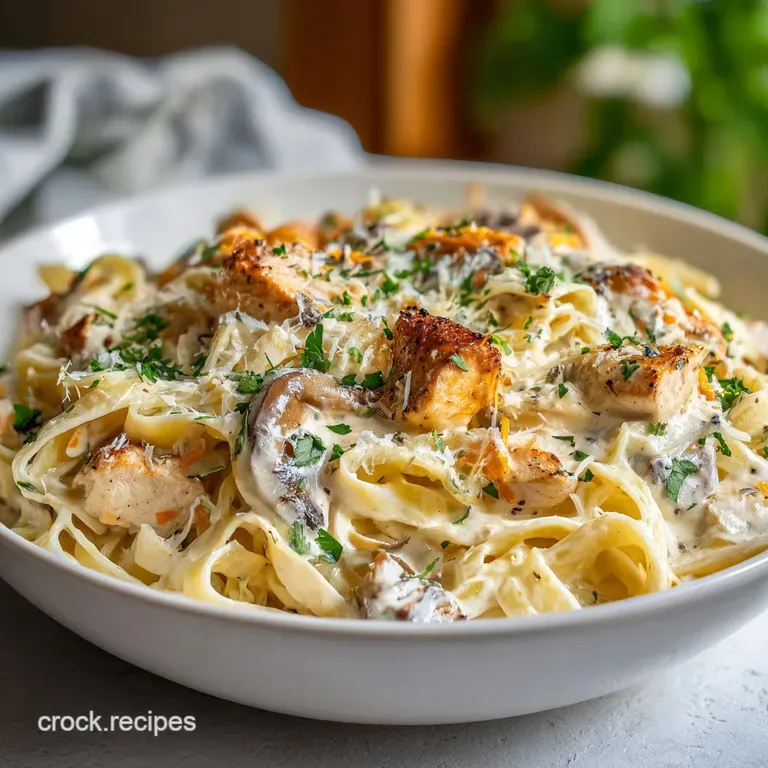
1. Prep the Chicken
Pat the 1.5 lbs of chicken breasts completely dry with paper towels. Season both sides with 1 tsp salt, 1/2 tsp pepper, and 1 tsp Italian seasoning. Note: Drying the meat is the only way to get a proper golden sear instead of gray, steamed meat.
2. Sear for Flavor
Heat 2 tbsp olive oil in a large skillet over medium high heat. Add the chicken and cook for about 5-7 minutes per side until deep golden brown and the internal temp hits 165°F.
Chef's Tip: Don't move the chicken for the first 4 minutes. Let that crust build!
3. Let it Rest
Remove the chicken from the pan and set it aside on a cutting board. Let it rest for at least 5 minutes before slicing into strips. Smell Check: You should notice a savory, roasted aroma from the caramelized spices.
4. Boil the Fettuccine
Bring a large pot of salted water to a boil and add the 1 lb of fettuccine. Cook for 1 minute less than the package directions until it has a firm bite (al dente).
5. Melt the Butter Base
In the same skillet you used for the chicken, reduce heat to medium and add 1/2 cup unsalted butter. Watch for it to foam and turn slightly nutty.
6. Fragrant Garlic
Add the 3 grated cloves of garlic to the melted butter. Sauté for only 30-60 seconds until the kitchen smells intensely aromatic but the garlic is still pale.
7. Build the Cream Base
Slowly pour in the 2 cups of heavy whipping cream. Use a whisk to scrape up any brown bits from the chicken. Let it simmer gently for 3-5 minutes until the sauce slightly coats the back of a spoon.
8. Emulsify the Cheese
Reduce heat to low. Whisk in the 1.5 cups of Parmigiano Reggiano in three batches, waiting for each to melt. Add the 1/4 tsp nutmeg. Smell Check: The scent will shift from sharp garlic to a rich, nutty, and slightly sweet aroma.
9. The Final Toss
Add the cooked fettuccine and the sliced chicken back into the skillet. Pour in 1/4 cup of the reserved pasta water. Toss everything together until the sauce turns glossy and clings to every strand. Add more pasta water if it looks too thick.
10. Garnish and Serve
Sprinkle with 1 tbsp fresh parsley and extra black pepper. Serve immediately while the sauce is at its peak silkiness.
Common Hurdles and How to Avoid Them
Fixing a Broken Sauce
If your sauce looks oily or grainy, it has "broken," meaning the fat has separated from the liquid. This usually happens if the heat was too high when you added the cheese. To fix it, remove the pan from the heat and whisk in a tablespoon of very hot pasta water. The starch will help pull the emulsion back together.
Rescuing Over thickened Pasta
Fettuccine is like a sponge; it will keep absorbing liquid even after you turn off the stove. If your Chicken Fettuccine Alfredo looks like a dry clump by the time it hits the table, you need more moisture. Always keep extra pasta water on standby.
| Problem | Root Cause | Solution |
|---|---|---|
| Grainy texture | Pre shredded cheese | Use block Parmigiano Reggiano |
| Bland flavor | Not enough salt in water | Use 1 tbsp salt per gallon of water |
| Thin sauce | Cream not reduced enough | Simmer for 2 more minutes before cheese |
Common Mistakes Checklist
- ✓ Never rinse your pasta after boiling; you need that starch for the sauce.
- ✓ Don't use "Parmesan" in a green shaker bottle; it won't melt.
- ✓ Ensure your cream is at room temperature to prevent curdling.
- ✓ Slices of chicken should be against the grain for maximum tenderness.
- ✓ Always reserve your pasta water before you drain the pot.
Creative Ways to Customize Your Alfredo Base
If you want to change things up, this recipe is a fantastic canvas. You can lean into a "Chicken Fettuccine Alfredo with broccoli" vibe by tossing in steamed florets at the very end. The crunch of the broccoli against the velvety sauce is a classic for a reason.
- The Spicy Kick: Add a teaspoon of red pepper flakes to the butter when you sauté the garlic for a subtle heat.
- Mushroom Earthiness: Sauté 8 oz of cremini mushrooms in the butter before adding the cream for a deeper, umami rich flavor.
- Lighter Touch: While I don't recommend low-fat dairy, you can use half the butter and add a squeeze of lemon juice at the end to brighten the heavy fats.
For those who want to skip the stovetop prep next time, my Slow Cooker Orange Chicken recipe offers a totally different flavor profile with that same "easy weeknight" energy.
Effective Storage and Waste Reduction Strategies
Leftover Chicken Fettuccine Alfredo is tricky because the sauce likes to break when reheated. Store it in an airtight container in the fridge for up to 3 days. When you're ready to eat, don't just microwave it on high.
Put it in a small skillet with a splash of milk or cream and heat it over low, stirring constantly to bring the emulsion back to life.
I don't recommend freezing this dish. The cream and cheese will separate during the thawing process, leaving you with a grainy, oily mess that just isn't pleasant. If you have leftover Parmigiano Reggiano rinds, don't toss them! Throw them into a plastic bag in your freezer.
You can drop them into soups or stews later to add a massive punch of salty, savory flavor.
Ideal Pairings for a Truly Satisfying Meal
Because this dish is so rich and hearty, you want sides that provide a sharp contrast. A crisp arugula salad with a lemon vinaigrette is my go to. The peppery bite of the greens cuts through the heavy cream perfectly.
Alternatively, a side of roasted asparagus or sautéed green beans with a bit of garlic and lemon works wonders. If you are feeling extra indulgent, a piece of crusty sourdough bread is essential for mopping up every last drop of that velvety sauce. Just remember, this recipe is about satisfaction, so don't be afraid to lean into the comfort of it all. If you're planning a full themed night, these skewers from The Homemade Yakitori recipe make a fun, protein heavy appetizer that contrasts the Italian main perfectly.
Debunking Popular Pasta Myths
The idea that you should add oil to your pasta water is a total myth. All it does is coat the noodles in grease, which prevents that beautiful Alfredo sauce from sticking to them. Just use plenty of salt and give it a stir every few minutes. Another big one is that "Alfredo" in Italy uses cream.
Historically, it was just butter and cheese, but the version we've perfected here with heavy cream is what creates that reliable, velvety texture we all crave at home. Cream adds stability that butter alone often lacks for the home cook.
Very High in Sodium
1178 mg mg of sodium per serving (51% of daily value)
The American Heart Association recommends limiting sodium intake to about 2,300mg per day.
Tips to Reduce Sodium in Your Fettuccine Alfredo
-
Reduce Cheese Quantity-15%
Parmigiano Reggiano is a significant source of sodium. Reduce the amount from 1.5 cups to 3/4 cup, and consider using a lower sodium cheese option.
-
Reduce Added Salt-12%
The recipe calls for 1 tsp of kosher salt. Reduce this by half or eliminate it entirely and taste as you go. You can always add more, but you can't take it away!
-
Use Unsalted Butter-5%
Ensure you are using unsalted butter as indicated in the recipe. Even a small amount of salt from the butter can contribute to the overall sodium content.
-
Avoid Brined Chicken-5%
Make sure your chicken breasts are not pre-brined or injected with a sodium solution. Choose fresh, natural chicken.
-
Boost Flavor with Herbs
Enhance the flavor with fresh herbs like basil, oregano, or thyme. They add depth without increasing sodium.
Recipe FAQs
What is the difference between chicken alfredo and chicken fettuccine?
They are usually the same dish. "Chicken Alfredo" refers to the sauce and protein, while "Chicken Fettuccine Alfredo" specifies the exact pasta shape used (fettuccine). If a recipe simply says "Chicken Alfredo," it often defaults to fettuccine, but could use linguine or penne.
What ingredients do I need for chicken alfredo pasta?
You require high-quality heavy cream, unsalted butter, fresh Parmigiano Reggiano, fettuccine, chicken breast, and a pinch of nutmeg. The secret is using freshly grated cheese, as pre-shredded varieties contain starches that prevent the sauce from emulsifying properly.
What makes chicken alfredo taste better?
Searing the chicken properly and utilizing reserved starchy pasta water makes the biggest flavor and texture impact. Searing builds a savory crust (Maillard reaction) on the chicken, and the pasta water binds the sauce to the noodles instead of letting it slide off. If you enjoyed the flavor balancing from the nutmeg here, see how we use acid in our Proper Sour Cream recipe to cut richness.
What are common mistakes when making Alfredo?
The most common mistake is adding cold cream or cheese over high heat, causing the sauce to curdle or break. Always bring your heavy cream close to room temperature before adding it, and keep the heat on low when incorporating the cheese to maintain a smooth, stable emulsion.
How do I prevent the sauce from becoming grainy or clumpy?
Grate the Parmigiano Reggiano yourself just before using it. Pre-shredded cheeses are coated with cellulose or starch to prevent caking in the bag, which prevents them from melting smoothly into the sauce. If you master stable emulsion here, you can apply the same fat-suspension skill to dishes like our Decadent Maggianos Style recipe.
Can I substitute heavy cream for a lighter dairy option?
No, you should avoid substituting heavy cream if you want traditional richness. Lighter dairy like half and-half or milk has less fat, meaning your sauce will likely become too thin and separate easily under heat. The high fat content in heavy cream is critical for achieving a velvety, clingy coating.
How long should I cook the fettuccine noodles?
Cook the fettuccine for one minute less than the package directions recommends for al dente. Since the pasta will finish cooking in the hot sauce, undercooking it slightly ensures it doesn't turn mushy when you toss everything together in the final step.
Chicken Fettuccine Alfredo Silky Sauce
Ingredients:
Instructions:
Nutrition Facts:
| Calories | 1532 kcal |
|---|---|
| Protein | 84.1 g |
| Fat | 91.8 g |
| Carbs | 89.2 g |
| Fiber | 3.1 g |
| Sugar | 4.2 g |
| Sodium | 1178 mg |
