Chicken Paprikash: Comfort Food Classic
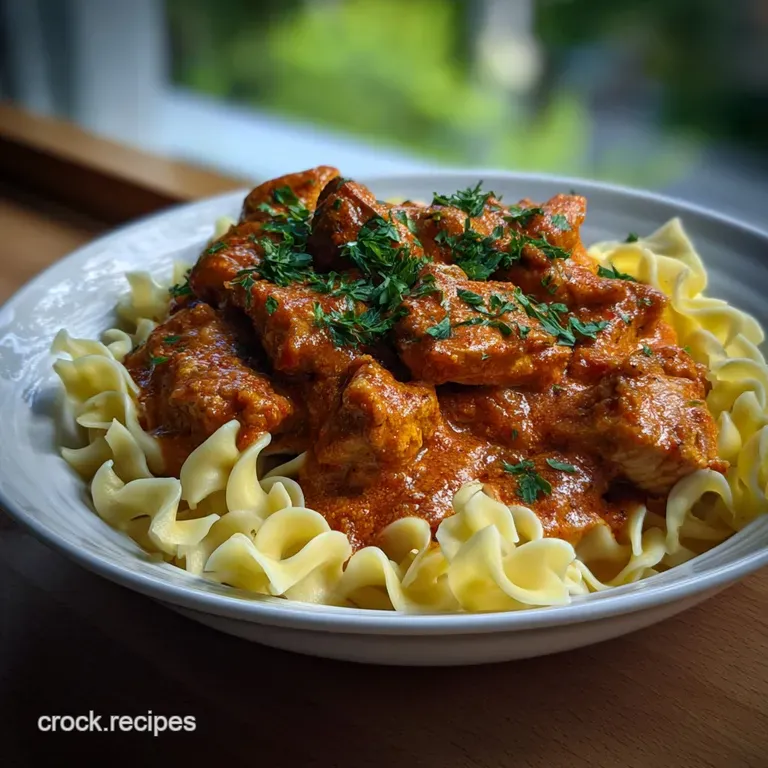
- Time: Active 15 minutes, Passive 30 minutes, Total 45 minutes
- Flavor/Texture Hook: Velvety, smoky sweet sauce with tender, fall off-the bone chicken
- Perfect for: Cozy Sunday family dinners or impressive weeknight meal prep
- Making the Most Comforting Bowl of Chicken Paprikash
- Understanding the Secret to a Velvety Hungarian Sauce
- A Deep Dive Into Essential Paprika Components
- Everything You Need for a Hearty Authentic Base
- Choosing the Right Tools for Even Heat Distribution
- How to Braise Your Way to Tender Perfection
- Avoiding Common Mistakes for a Flawless Finish
- Adjusting Portions Without Losing Flavor Balance
- Exploring Regional Variations and Ingredient Alternatives
- Handling Leftovers and Reducing Kitchen Waste
- Debunking Braising Myths
- Serving Traditions for the Ultimate Family Feast
- HIGH in Sodium
- Recipe FAQs
- 📝 Recipe Card
Making the Most Comforting Bowl of Chicken Paprikash
The moment that vibrant, ruby red paprika hits the shimmering oil in your pan, your kitchen transforms. There’s this specific, earthy aroma that’s somewhere between toasted nuts and sun dried peppers, and honestly, it’s the best part of the whole process.
I’ve tried the shortcut versions with pre cooked chicken or bland powders, but nothing beats the real deal, bone in braise.
We’ve all had those stews where the chicken is dry or the sauce feels thin and greasy, right? I used to make those mistakes constantly until I realized the secret isn't just the spice it's how you treat the fat.
By browning the skin on thighs first, you’re not just cooking the meat; you’re rendering out liquid gold that carries the paprika's flavor into every fiber of the dish.
This version of Chicken Paprikash is exactly what I crave when the weather turns chilly and I need something that feels like a warm hug. It’s rich, satisfying, and has that signature velvet texture that only comes from properly tempered sour cream.
Let's get into the nitty gritty of how to nail this classic every single time.
Understanding the Secret to a Velvety Hungarian Sauce
The magic of this dish lies in how we manipulate fats and pigments to create that iconic mahogany color. It isn't just about throwing ingredients in a pot; it's a sequence of chemical reactions that turn simple pantry staples into something legendary.
- Carotenoid Release: Fat soluble pigments in the paprika dissolve into the oil when heated, creating a deeper color and more intense flavor than water based simmering ever could.
- Maillard Reaction: Searing the chicken skin creates complex flavor molecules that dissolve into the braising liquid, adding savory depth to the sweet pepper base.
- Protein Denaturation: The gentle simmer slowly breaks down collagen in the bone in thighs, thickening the sauce naturally while keeping the meat succulent.
Before we start chopping, you need to decide which cooking method fits your schedule. While the stovetop is traditional for that perfect sear, sometimes you just need to set it and forget it.
| Method | Time | Texture | Best For |
|---|---|---|---|
| Stovetop | 45 minutes | Crispiest skin potential | Traditionalists wanting maximum flavor control |
| Slow Cooker | 6 hours | Fall apart tender meat | Busy weekdays with zero evening prep time |
| Dutch Oven | 1 hours | Most even sauce reduction | Weekend cooking with deep caramelization |
Each approach yields a slightly different result, but the soul of the dish remains the same. If you’re looking for a faster weeknight fix with a similar creamy profile, you might want to try this Creamy Chicken Breast recipe which hits many of the same satisfying notes in a shorter window.
A Deep Dive Into Essential Paprika Components
Not all ingredients are created equal when you're building a braise this thick and hearty. Understanding the role of each element helps you troubleshoot on the fly and ensures you aren't just making "chicken in red sauce" but an authentic Chicken Paprikash.
| Ingredient | Science Role | Pro Secret |
|---|---|---|
| Bone in Thighs | Collagen Source | Leave the skin on during browning to render fat for the onions. |
| Hungarian Paprika | Flavor Foundation | Always use "Sweet" (Édesnemes) rather than smoked or hot for the base. |
| Full fat Sour Cream | Emulsification | The fat content prevents curdling when hitting the hot acidic sauce. |
Choosing the right paprika is non negotiable here. If you use the dusty tin that’s been in your cabinet since the Obama administration, the dish will taste like cardboard. Fresh, high-quality Hungarian sweet paprika should smell like a sun drenched garden, not a dry attic.
Everything You Need for a Hearty Authentic Base
Gathering your components beforehand is the key to a stress free kitchen. This recipe relies on high-quality fat and fresh spices to achieve that signature satisfying finish.
- 3 lbs bone in skin on chicken thighs: Trim excess fat but keep the skin for the initial sear. Why this? The bone adds body and gelatin to the sauce while simmering.
- 4 tbsp Hungarian sweet paprika: Use the best quality you can find. Why this? This is the primary flavor and color driver of the entire dish.
- 1 cup full fat sour cream: Don't even think about using low-fat or fat free versions. Why this? High fat prevents the sauce from breaking and provides the velvety mouthfeel.
- 2 large yellow onions: Finely diced to the point of almost being a paste.
- 1 Italian frying pepper: Diced small for a subtle, sweet vegetal backbone.
- 2 cups low sodium chicken stock: Provides the liquid for the braise without over salting.
- 12 oz wide egg noodles: The classic vessel for soaking up every drop of sauce.
- 2 tbsp neutral oil: For over high heat searing (grapeseed or avocado oil work best).
- 1 tbsp tomato paste: Adds a hint of umami and acidity to balance the cream.
- 3 cloves garlic: Minced fresh; skip the jarred stuff for better aroma.
- 2 tbsp all purpose flour: To thicken the sour cream before it joins the pot.
- 1 tsp sea salt & 0.5 tsp black pepper: For basic seasoning.
- 1 tbsp fresh parsley: For a pop of color and freshness at the end.
If you happen to have leftovers or want to experiment with different braising styles later, this Mums Magic Chicken recipe uses a similar technique but focuses on tomatoes and wine for a different flavor profile.
Choosing the Right Tools for Even Heat Distribution
You don't need a professional kitchen, but a heavy bottomed pan is your best friend here. A thin skillet will hot spot and scorch your paprika, which turns the whole dish bitter in seconds.
I highly recommend a large cast iron skillet or a Dutch oven (like a Lodge or Le Creuset). These hold heat beautifully, which is essential for that first sear. You’ll also need a whisk for the sour cream mixture and a large pot for the noodles.
A microplane is great for the garlic, but a sharp knife works just as well.
How to Braise Your Way to Tender Perfection
This process is all about layers. We start with high heat for texture and move to low heat for tenderness. Follow the aromatic cues your nose will tell you exactly when the dish is ready for the next step.
Phase 1: The Golden Sear
- Season the chicken. Rub the 3 lbs of thighs with the sea salt and cracked black pepper. Note: Seasoning early helps the salt penetrate the meat.
- Sear the thighs. Heat 2 tbsp neutral oil in your pan over medium high heat. Place chicken skin side down and cook 6 minutes until the skin is shatter crisp and golden.
- Flip and brown. Turn the chicken and cook for another 3 minutes. Remove the chicken to a plate, leaving the rendered fat in the pan.
Phase 2: Building the Mahogany Base
- Sauté the aromatics. Add the diced yellow onions and Italian frying pepper to the hot fat. Cook 8 minutes until softened and starting to brown around the edges.
- Add the garlic. Stir in the minced garlic and 1 tbsp tomato paste. Cook 1 minute until you smell a rich, toasted aroma.
- Bloom the paprika. Remove the pan from the heat. Stir in the 4 tbsp Hungarian sweet paprika. Note: Taking the pan off the heat prevents the delicate spice from burning.
Phase 3: The Flavor Braise
- Deglaze the pan. Return to heat and pour in 2 cups chicken stock. Scrape the bottom of the pan to release the flavorful brown bits (the fond).
- Simmer the chicken. Place the chicken thighs back into the liquid, skin side up. Simmer 25 minutes until the chicken is tender and registers 165°F internally.
- Boil the noodles. While the chicken braises, cook the 12 oz wide egg noodles according to package directions. Drain and set aside.
Phase 4: The Velvety Finish
- Temper the cream. In a small bowl, whisk 1 cup sour cream with 2 tbsp flour. Ladle half a cup of the hot braising liquid into the cream and whisk until smooth.
- Final sauce assembly. Remove chicken to a clean plate. Stir the tempered cream mixture back into the pan. Simmer 3 minutes until the sauce thickens and looks silky.
- Garnish and serve. Return the chicken to the sauce to coat. Serve over the egg noodles and sprinkle with 1 tbsp fresh parsley.
Chef's Note: If the sauce feels too thick, splash in a little extra chicken stock or a spoonful of the noodle cooking water to loosen it up.
Avoiding Common Mistakes for a Flawless Finish

Even experienced cooks can hit a snag with this recipe. Usually, it comes down to temperature control or the quality of the dairy.
Fixing a Broken Sauce Texture
If your sauce looks curdled or "grainy," the sour cream likely hit the boiling liquid too fast. This is why tempering mixing hot liquid into cold cream first is vital.
If it happens, you can sometimes save it by vigorously whisking in a teaspoon of warm water, but it's hard to fully reverse once the proteins have clumped.
Fixing a Bitter Sauce Flavor
Bitter notes usually mean the paprika scorched. Paprika has a high sugar content and burns faster than you’d think. If the sauce tastes "burnt," you can try adding a pinch of sugar or more tomato paste to mask it, but the best fix is prevention: always pull the pan off the burner before adding the spice.
| Problem | Root Cause | Solution |
|---|---|---|
| Thin Sauce | Not enough reduction | Simmer without the lid for 5 extra minutes before adding cream. |
| Tough Chicken | Under cooked | Ensure the braise is a gentle bubble; 25-30 mins is usually the sweet spot. |
| Bland Flavor | Old paprika | Add a tiny splash of apple cider vinegar at the end to wake up the spices. |
Common Mistakes Checklist
- ✓ Pat the chicken dry with paper towels before searing (damp skin won't crisp).
- ✓ Do not use "Smoked Paprika" unless you want a completely different, non traditional dish.
- ✓ Never boil the sauce after the sour cream has been added (it will break).
- ✓ Use a heavy bottomed pan to prevent the onions and spices from scorching.
- ✓ Let the chicken rest for 3 minutes before serving to keep the juices inside.
Adjusting Portions Without Losing Flavor Balance
Scaling Chicken Paprikash is relatively straightforward because it’s a one pot braise, but there are some "chef math" rules you should follow to keep the sauce perfect.
Scaling Down (Feeding 2-3 people): If you’re cutting the recipe in half, use a smaller pan (like a 10 inch skillet). Use 1.5 lbs of chicken and half the liquid. You can still use a full onion, as it provides the body of the sauce.
Reduce the simmering time by about 5 minutes since there's less mass to heat up.
Scaling Up (Feeding 10-12 people): When doubling the recipe, you must work in batches. Don't crowd the pan when searing the chicken, or it will steam instead of browning. For the spices and salt, use 1.5x the amount instead of a full double, then taste and adjust.
Too much paprika can sometimes make a massive batch taste slightly "gritty" if not balanced with enough stock and cream.
| Original Servings (6) | Double (12) | Triple (18) |
|---|---|---|
| 3 lbs Chicken | 6 lbs Chicken | 9 lbs Chicken |
| 4 tbsp Paprika | 6 tbsp Paprika | 9 tbsp Paprika |
| 2 cups Stock | 3.5 cups Stock | 5 cups Stock |
Exploring Regional Variations and Ingredient Alternatives
While the traditional recipe is hard to beat, sometimes your pantry has other plans. You can swap some elements without losing the "soul" of the dish, though the texture might change slightly.
| Original Ingredient | Substitute | Why It Works |
|---|---|---|
| Sour Cream | Greek Yogurt (Full fat) | Similar tang. Note: Much higher risk of curdling; temper very carefully. |
| Egg Noodles | Nokedli (Dumplings) | The traditional Hungarian choice. Dense and chewy texture. |
| Frying Pepper | Red Bell Pepper | Adds sweetness. Note: Lacks the subtle spice of the Italian pepper. |
If you want a Spicy Kick, swap 1 tablespoon of the sweet paprika for "Hot Hungarian Paprika" (Erős Pista). Be careful, though Hungarian hot paprika doesn't play around!
For a Low Carb Option, serve the chicken and sauce over steamed cauliflower or roasted cabbage wedges instead of noodles.
Handling Leftovers and Reducing Kitchen Waste
Chicken Paprikash is one of those rare dishes that actually tastes better the next day. As it sits, the fat and spices continue to meld, creating a more complex flavor profile.
- Fridge
- Store in an airtight container for up to 4 days. The sauce will thicken into a gel like consistency; this is normal gelatin from the chicken bones.
- Freezer
- You can freeze the chicken and sauce for up to 3 months. However, the sour cream may separate slightly upon thawing.
- Reheating
- Reheat gently on the stovetop over low heat. Add a splash of water or stock to loosen the sauce. Avoid the microwave if possible, as it can make the chicken rubbery.
Zero Waste Tips: Don't throw away the parsley stems! Finely chop them and add them into the pot with the onions and peppers for extra flavor. If you have leftover sauce but no chicken, it makes an incredible base for a "Paprika Shakshuka" just poach some eggs directly in the warmed up sauce for breakfast.
Debunking Braising Myths
There are a few "old wives' tales" in the kitchen that often lead people astray when making this dish.
First, many people think searing meat "seals in the juices." This isn't true moisture loss happens regardless. We sear specifically for the Maillard reaction, which creates the deep, savory flavors that make the sauce taste "meaty." Without that brown crust, your sauce will taste flat.
Second, there's a myth that all paprika is spicy. In reality, Hungarian sweet paprika is almost entirely mild. It’s prized for its sugar content and floral notes, not its heat. If your dish is too spicy, it’s likely because you used a "Spanish Pimentón" or a hot variety by mistake.
Serving Traditions for the Ultimate Family Feast
To serve this like a pro, don't just plop a thigh on top of dry noodles. I like to toss the cooked egg noodles with a little bit of butter and extra fresh parsley first. This creates a base layer of flavor that complements the sauce.
Ladle a generous amount of the velvety sauce over the noodles, then place the chicken on top. I always serve this with a side of cold, crisp cucumber salad (Uborkasaláta) dressed in vinegar and dill.
The acidity and crunch of the cucumbers cut through the richness of the sour cream perfectly, making every bite feel fresh.
Right then, you're all set to make a bowl of Chicken Paprikash that would make a Hungarian grandmother proud. Trust me on the tempering don't skip it, and you'll have a gorgeous, silky meal that everyone will be asking for again next week. Let's crack on!

HIGH in Sodium
845 mg mg of sodium per serving (37% % of daily value)
The American Heart Association recommends limiting sodium intake to about 2,300mg per day.
Sodium Reduction Strategies for Chicken Paprikash
-
Low-Sodium Broth-30%
Substitute the regular low-sodium chicken stock with no-salt added chicken broth or homemade broth. This simple switch can drastically cut down on sodium content.
-
Reduce Added Salt-25%
Halve the amount of sea salt used in the recipe, reducing it from 1 tsp to 0.5 tsp. Taste and adjust seasoning at the end, if needed.
-
No-Salt Added Tomato Paste-10%
Use no-salt added tomato paste. This eliminates any extra sodium coming from tomato paste itself. Many brands offer this option now.
-
Lower Sodium Sour Cream-10%
Opt for a lower sodium sour cream. Check nutrition labels and choose one with less sodium per serving than your usual brand. Greek yogurt is also a lower sodium option.
-
Spice It Up!
Enhance the flavor with fresh herbs and spices like garlic powder, onion powder, smoked paprika (in moderation), and extra black pepper. These additions will boost taste without adding sodium.
Recipe FAQs
What is the primary spice used in Chicken Paprikash?
Hungarian sweet paprika. This provides the dish's signature color and mild, sweet flavor. Always use fresh, high-quality paprika for the best results.
Can I use chicken breast instead of thighs?
Yes, but it will change the texture. Chicken breast cooks faster and is leaner, leading to a less rich sauce and potentially drier meat. Thighs are preferred for their fat content and collagen, which creates a more tender result and velvety sauce. If you prefer a quicker chicken dish, consider our Creamy Chicken Breast recipe.
Why does my sour cream sauce look curdled?
The sour cream likely hit the hot liquid too quickly. Always temper the sour cream by whisking in a little warm braising liquid before adding it to the pot. This slowly raises its temperature and prevents the proteins from seizing and curdling.
How do I prevent the paprika from burning?
Remove the pan from the heat before adding paprika. Paprika has a high sugar content and can burn very quickly, turning bitter. Stirring it in off the heat allows its flavor to bloom gently in the residual warmth.
What's the secret to a truly velvety sauce?
Using full fat sour cream and tempering it properly is key. The fat content helps stabilize the emulsion, preventing it from breaking. Tempering ensures a smooth incorporation into the hot braising liquid.
Can I make Chicken Paprikash in a slow cooker?
Yes, a slow cooker is a convenient option. Brown the chicken and sauté the aromatics on the stovetop first for best flavor development, then transfer everything to the slow cooker. The cooking time will be significantly longer, typically 6-8 hours on low.
What is the best way to serve Chicken Paprikash?
Traditionally served over wide egg noodles. For a rich, comforting meal, toss the cooked noodles with butter and parsley before spooning on the paprikash. A side of crisp cucumber salad complements the richness beautifully.
Chicken Paprikash 2

Ingredients:
Instructions:
Nutrition Facts:
| Calories | 758 kcal |
|---|---|
| Protein | 44.2 g |
| Fat | 42.1 g |
| Carbs | 48.5 g |
| Fiber | 3.8 g |
| Sugar | 5.9 g |
| Sodium | 845 mg |
