Ham Loaf: the Sticky Classic Baked Recipe with Tangy Brown Sugar Glaze
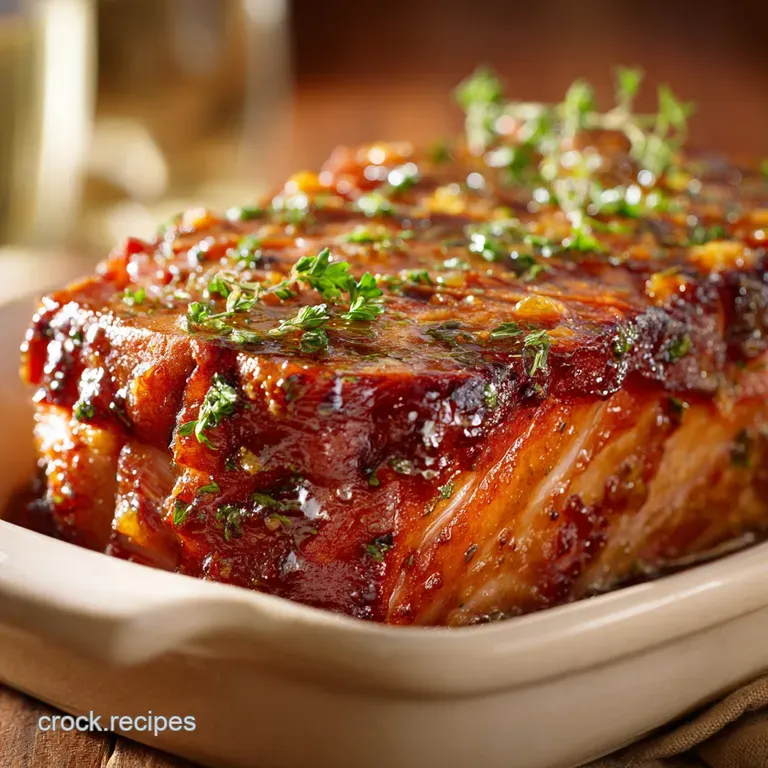
- Reclaiming the Classic: Why Ham Loaf Deserves a Spot in Your Rotation
- The Culinary Science of a Perfectly Moist Ham Loaf
- Essential Components for the Ultimate Ham Loaf Mixture
- The Classic Ham Loaf Method: Shaping, Baking, and Glazing
- Mastering Your Bake: Troubleshooting and Pro Tips for Ham Loaf Success
- Handling Leftovers: Keeping Your Ham Loaf Fresh
- What to Serve Alongside Savory-Sweet Ham Loaf
- Recipe FAQs
- 📝 Recipe Card
Reclaiming the Classic: Why Ham Loaf Deserves a Spot in Your Rotation
When that Ham Loaf hits the oven, something truly magical happens. The aroma of browning sugar, tangy cider vinegar, and savory pork starts drifting through the house, pulling everyone right into the kitchen, often before the timer even buzzes.
Honestly, it smells like the best parts of Christmas dinner and Sunday lunch had a wonderfully cozy baby.
This isn’t just a simple baked dish; it’s a brilliant way to handle those large quantities of leftover ham after a holiday feast. It's incredibly fast to mix up, ridiculously cheap if you're using scraps, and instantly satisfies that deep craving for comforting, sticky, savory food.
This mid-century classic is a lifesaver on a chilly weekday night when you need something hearty on the table immediately.
Forget any dry, crumbly versions you might have encountered in the past. We are making the ultimate version of this Classic Baked Ham Loaf with a gorgeous, thick brown sugar glaze that caramelizes perfectly in the oven. Trust me, once you try this method, you'll be baking Ham Loaf all year long.
The Culinary Science of a Perfectly Moist Ham Loaf
The Secret to the Savory Sweet Balance
The flavor profile here is everything, right? You need that robust, salty punch from the cured ham, but it needs a counterpoint. That’s where the sticky, tangy glaze comes in, utilizing brown sugar and cider vinegar.
The acid in the vinegar cuts through the richness of the meat, ensuring every bite is complex and never too heavy.
Using Up Leftover Holiday Ham Efficiently
If you have a mountain of pre-cooked holiday ham that needs repurposing, the Ham Loaf Recipe is your absolute best friend. Unlike just frying it up, grinding the ham allows you to introduce fat and binding agents, transforming dry shreds into a luxurious, moist supper. This is one of my favorite Leftover Ham Recipes , next to making a quick Ham Salad Classic Recipe for the Best Deli Sandwich Filling .
The History of This Beloved Mid-Century Dish
Ham Loaf feels wonderfully nostalgic, reminding me of church potlucks and my grandmother’s kitchen. This type of hearty loaf surged in popularity during the 1940s and 50s, especially in the Midwest, because it was economical and easy to prepare in advance.
It’s a testament to simple, wholesome cooking that truly stands the test of time, proving that sometimes, classic comfort is exactly what we need.
The Panade Principle: Maximizing Moisture and Texture
A panade is just a fancy name for wet breadcrumbs, and it’s non-negotiable for a truly moist loaf. When breadcrumbs soak up milk, they swell and expand, creating microscopic pockets that trap moisture within the meat mixture as it bakes.
This prevents the Ham Loaf from getting dry and provides a wonderfully tender texture, totally unlike a tough, dense block of baked meat.
Achieving the Ideal 50/50 Ham and Pork Ratio
While the recipe calls for 1.5 lbs of ham and 0.5 lbs of pork, the principle is using lean ham and balancing it with fatty ground pork. Ham is inherently very lean, and if you use 100% ham, your loaf will be crumbly and dry, I promise.
The pork brings in the necessary fat content to keep everything velvety and tender throughout the long cook time.
How the Glaze Caramelizes for Ultimate Flavor Depth
The beauty of the Ham loaf glaze recipe is that it sets hard and sticky, thanks to the high sugar content. When you apply the glaze halfway through the cook time, the heat of the oven causes the sugar to caramelize slightly, deepening the flavor from simply sweet to rich, complex, and molasses like.
That sticky crust is honestly the best part of the whole meal.
Essential Components for the Ultimate Ham Loaf Mixture
Sourcing Ground Ham vs. Grinding Leftovers
If you’re making a Ham Loaf Recipe on demand, you can ask the butcher for coarse ground pre-cooked ham, which saves tons of time. If you’re using holiday leftovers, you absolutely must run the cooked ham through a meat grinder or pulse it in a food processor until it looks like ground meat.
Big chunks of ham will make the loaf fall apart when you slice it.
Chef’s Note: Remember, ham is pre-salted during curing. Always taste a tiny raw amount of your mixture before baking (spit it out, of course!) to gauge the salt level. You usually won't need to add any more.
Liquid Binder Options: Milk vs. Cream
I always use whole milk for my panade; it’s cheap and delivers plenty of moisture without adding too much fat. You need enough liquid to fully hydrate those breadcrumbs so they do their job properly.
If you are aiming for an incredibly decadent loaf, swapping the milk for half and half (light cream) will certainly enrich the flavor profile.
Deconstructing the Tangy Brown Sugar Glaze
This glaze is intentionally simple: brown sugar, cider vinegar, and mustard. The brown sugar provides depth and stickiness, while the mustard (Dijon or even spicy brown mustard) adds a crucial savory warmth that complements the pork.
If you want a fun variation, you can always add 1/4 cup of crushed pineapple to the glaze for a true retro vibe.
Best Breadcrumb Choices for the Binding Agent
You have a choice here, but they behave differently. Fresh, soft breadcrumbs (just toss stale bread in the food processor) make for an incredibly tender loaf. Panko breadcrumbs, while great for coating, are too large and dry for a panade.
If you only have dried Italian breadcrumbs, use them, but increase the milk by one tablespoon, as they absorb more liquid.
| Ingredient | My Recommendation | Substitution |
|---|---|---|
| Ground Ham | Fully cooked, coarse ground | Smoked turkey or prosciutto trimmings |
| Ground Pork | Medium fat ground pork | Ground veal and beef mixture (80/20) |
| Whole Milk | Dairy whole milk | Unsweetened almond milk or half and half |
| Cider Vinegar | Apple Cider Vinegar | Red wine vinegar or fresh lemon juice |
| Mustard | Dijon Mustard | Yellow prepared mustard or dry English mustard |
The Classic Ham Loaf Method: Shaping, Baking, and Glazing
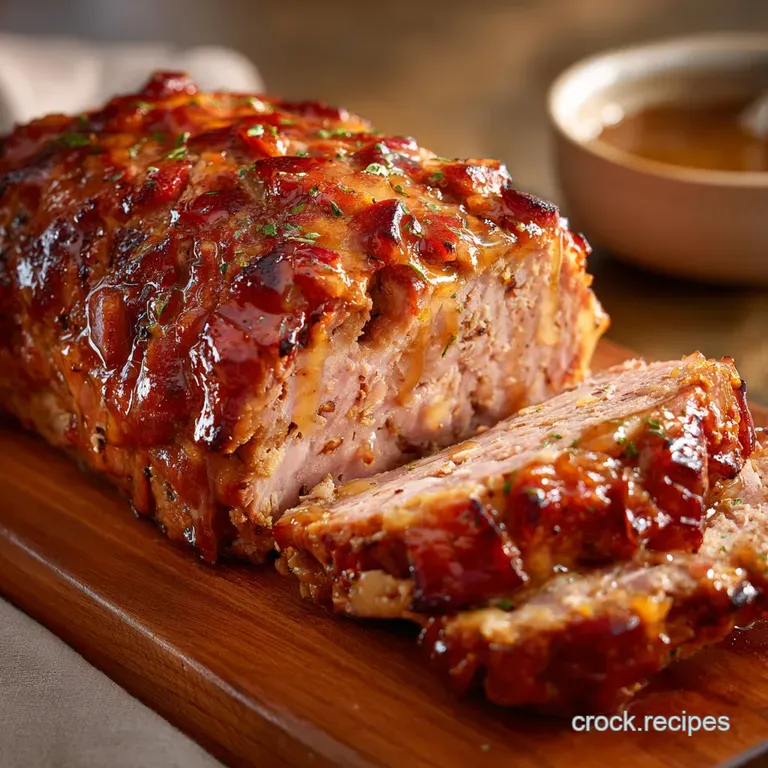
Preparation: Crafting the Velvety Meat Mixture
Start by gently combining your milk and breadcrumbs in a big bowl; let them rest while you grate the onion. Seriously, grate the onion! Big chunks of onion won't cook down enough and will make your loaf look weird. Once the panade is ready, add the egg, seasoning, and finally, the ground ham and pork.
Use your hands to combine everything until it just holds together. Overmixing causes toughness.
The Form Factor: Shaping the Loaf and Avoiding Cracks
Transfer the mixture to your 9x5 inch loaf pan. Press the mixture down gently, ensuring the edges are filled, but don't compact it aggressively. I like to smooth the top lightly with the back of a spoon to prepare it for the glaze later.
If you want a free form loaf (which looks fantastic), shape it on a parchment lined baking sheet, but increase the cook time slightly, as it will dry out faster.
Initial Bake: Setting the Structure Before the Glaze
We start the bake at 350°F (175°C) without the glaze. This initial 30 minutes is critical; it allows the loaf to set its structure, developing a light crust around the outside.
If you apply the sticky glaze right away, the high sugar content can cause the edges of the loaf to scorch before the inside is cooked through.
Applying the Sticky Glaze and Finishing the Bake
While the loaf is baking, whisk together your brown sugar, cider vinegar, and mustard until smooth. After 30 minutes, pull the loaf out and carefully brush about two-thirds of the glaze right over the top. This is the moment where the sweet, sticky crust starts to form.
Return it to the oven for the remaining time, until your thermometer hits 160°F.
Mastering Your Bake: Troubleshooting and Pro Tips for Ham Loaf Success
Preventing a Dry Loaf: Don't Overmix the Panade
This is the number one cause of cranky Ham Loaf. When you mix the meat, those proteins start to tighten up. If you mix for too long, your loaf becomes dense, dry, and chewy. Mix until combined, then stop immediately. A moist, slightly loose mixture before baking is your friend, not your enemy.
How to Ensure the Glaze Stays Put
Sometimes, the fat and moisture render out of the loaf and make the surface greasy, causing the glaze to slide right off. My trick? When you pull the loaf out for the mid-bake glaze application, lightly blot the top of the loaf with a paper towel to remove any pooling fat. Then, brush on that glaze.
It will adhere beautifully and create a deeper, shinier crust.
Checking for Doneness: The Critical Internal Temperature
Please, please use a thermometer. You want the loaf to reach an internal temperature of 160°F (71° C) . Since this contains pre-cooked ham but raw pork, hitting that number ensures food safety while guaranteeing a perfectly moist texture.
Once it hits 160°F, remove it and let it rest; the carryover heat will take it the rest of the way.
Handling Leftovers: Keeping Your Ham Loaf Fresh
Reheating Slices Without Drying Them Out
This is the hardest part! Ham Loaf slices dry out instantly in the microwave. The absolute best way to reheat is in a covered skillet over medium low heat with a tablespoon of water or ham stock added to the pan. Cover it tightly and steam the slices gently until hot, which takes about 5 minutes. Alternatively, slices make the best possible leftovers for a sandwich like our ultimate Hot Ham and Cheese: Ultimate Baked Croque Style Sandwich Melts .
Freezing Raw vs. Cooked Ham Loaf (Best Practices)
You can absolutely freeze this recipe, and I prefer freezing it raw!
- Raw Loaf: Mix the ingredients, form the loaf, and wrap it tightly in plastic wrap, then aluminum foil. Label and freeze for up to 3 months. Thaw overnight in the fridge before baking as directed, adding 10 minutes to the initial bake time.
- Cooked Loaf: Cool the loaf completely, then slice it. Wrap individual slices tightly in plastic wrap before sealing them in a freezer bag. This prevents freezer burn and allows you to grab only what you need.
Safe Storage Duration in the Refrigerator
Cooked Ham Loaf should be stored in an airtight container in the refrigerator and is best consumed within 3 to 4 days . If you notice any weird moisture or odor, toss it immediately.
What to Serve Alongside Savory Sweet Ham Loaf
Ham Loaf is the ultimate comfort dish, so it pairs perfectly with other simple, classic sides. I almost always serve it with a pile of creamy mashed potatoes they are mandatory for soaking up the glaze!
For a nice, sharp contrast, go for a vinegar based slaw or a side of crisp, roasted Brussels sprouts. A simple side of corn pudding also complements the sweetness of the glaze beautifully. Don’t forget a simple green salad; that fresh crunch cuts through the richness and makes the whole meal feel balanced.
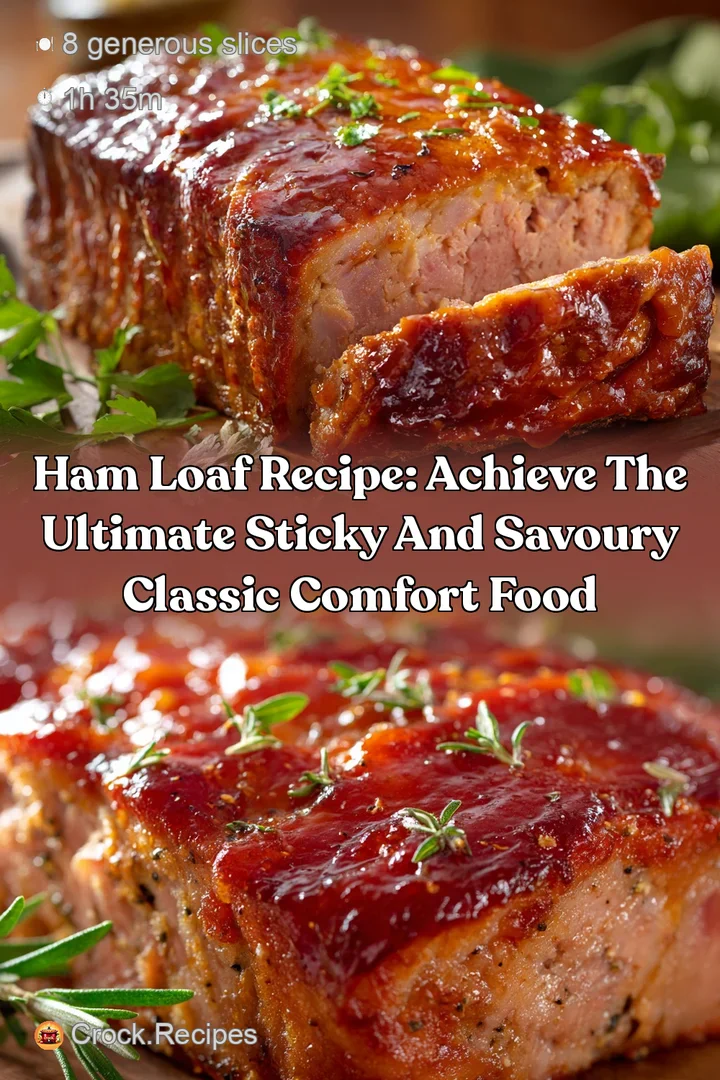
Recipe FAQs
Why did my Ham Loaf turn out dry?
Dryness usually occurs if the loaf is overbaked or if the ratio of meat to binder is incorrect. Ensure you use an instant read thermometer, as the internal temperature should not exceed 160°F (71°C) to prevent drying out the meat.
Using the 50/50 mixture of ground ham and lean ground pork is essential, as the pork provides necessary fat content for moisture retention.
Can Ham Loaf be frozen, and how long does it keep?
Yes, Ham Loaf freezes exceptionally well, both in cooked and uncooked forms. To freeze the cooked loaf, let it cool completely, then wrap it tightly in plastic wrap followed by aluminum foil, and store it for up to 3 months. Thaw it overnight in the refrigerator before reheating gently in the oven or microwave.
Can I use only leftover cooked ham instead of mixing it with ground pork?
While possible, using 100% pre-cooked ham often results in a drier, much saltier loaf, as cooked ham lacks the essential fat needed for binding during baking. It is highly recommended to stick to the half and-half ratio with ground pork or even ground veal to achieve the signature moist and tender texture.
If you must use all ham, consider adding an extra tablespoon of milk or cream to the panade for moisture.
When is the best time to apply the brown sugar glaze?
Apply the initial layer of glaze when the loaf is approximately halfway through the baking process, typically around the 30 to 35-minute mark. Reserve about half of the mixture, applying the final generous coating in the last 15 minutes of baking.
This prevents the sugars from burning too quickly while guaranteeing a thick, sticky caramelization.
How do I know when the Ham Loaf is fully cooked?
The surest and safest way to confirm doneness is to use an instant read meat thermometer inserted into the center of the loaf. The Ham Loaf must reach a safe internal temperature of 160°F (71°C). Additionally, the loaf should look deeply caramelized on top, and the juices running out should be clear.
My Ham Loaf fell apart when I sliced it. What went wrong?
Crumbling is usually caused by either insufficient binder (ensure you used the correct amount of egg and panade) or failing to let the loaf rest adequately after baking. It is crucial to allow the finished loaf to rest for 10-15 minutes after removing it from the oven.
This resting time allows the internal proteins to set properly before slicing.
Classic Brown Sugar Ham Loaf
Ingredients:
Instructions:
Nutrition Facts:
| Calories | 831 kcal |
|---|---|
| Protein | 85.2 g |
| Fat | 41.5 g |
| Carbs | 25.3 g |
