Peter Luger Steak Sauce Copycat Relish Recipe
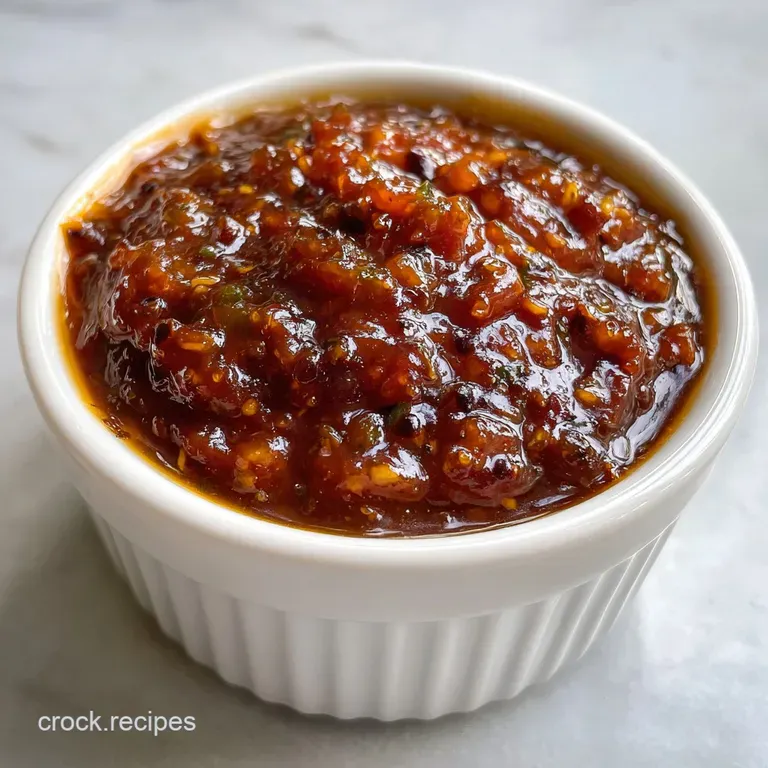
- Decoding the Legendary Peter Luger Steak Sauce
- The Science of Tang: Why Chilling is Non-Negotiable
- Sourcing Your Arsenal: Essential Ingredients for the Signature Relish
- Crafting the Cold Condiment: Step-by-Step Assembly Guide
- Mastering the Relish: Expert Tips and Troubleshooting
- Maximizing Freshness: Storage and Shelf Life
- The Ultimate Pairing Guide: How to Serve the Peter Luger-Style Relish
- Recipe FAQs
- 📝 Recipe Card
Decoding the Legendary Peter Luger Steak Sauce
Okay, friend, let’s talk legendary condiments. You know the one that vibrant, chunky, cold relish they serve at the iconic New York steakhouse? This incredible peter luger steak sauce is unlike anything you find bottled; it’s chunky, beautifully bright, and hits your sinuses in the absolute best way possible.
It has a remarkable sharp tang that instantly tells you this isn't just thickened brown liquid from a store shelf.
Honestly, I love this specific copycat recipe because it’s a zero cook miracle. Seriously, you literally just measure, chop, and mix everything together in one bowl. This process saves a serious amount of cash compared to buying the pricey jarred version and, I promise, it tastes ten times fresher and more punchy.
Ready to skip the store-bought stuff and make the ultimate steakhouse accessory at home? Grab your measuring cups and your biggest spoon; let’s get this legendary peter luger steak sauce mixed up right now.
The Secret History of the Signature Cold Condiment
It’s hilarious how many people mistake this for a standard Worcestershire based sauce. It’s not! This condiment is proudly ketchup forward, leaning into the sweet, acidic base, but the real magic comes from the immense volume of horseradish.
They have stuck to this specific formula for decades because it works perfectly.
Is It a Sauce or a Relish? Defining the Peter Luger Style
Here’s my hill to die on: this is a relish. A relish, by definition, is a cooked or pickled condiment made of chopped ingredients that delivers strong flavor. While we aren't cooking it, the texture is chunky, and the vinegar does a fantastic job of "pickling" and mellowing the minced shallot and spices during the mandatory rest time.
When you make your homemade peter luger steak sauce , expect a delightful, chunky texture, not a smooth puree.
Why This Condiment Stands Apart from Bottled Varieties
Have you ever noticed how bottled steak sauces are usually thin and sometimes a little bit bitter? They rely on molasses and thickeners. The brilliance of this peter luger steak sauce recipe is that it relies on simple, fresh ingredients namely, fresh horseradish and vibrant vinegar.
The acidity is necessary to cut through the richness of whatever main you’re serving, and this homemade version delivers that acidic punch beautifully.
The Science of Tang: Why Chilling is Non-Negotiable
This is where my friends always mess up the first time they make this. They mix it and try to serve it immediately. Don't do that. The "science" here is simple: vinegar and raw shallot are harsh when they first meet the ketchup base.
We need time for flavor migration and mellowing . Chilling the mixture overnight allows the acids (lemon juice, vinegar) to work on the shallot, softening its bite.
On top of that,, the prepared horseradish has to fully infuse the ketchup, turning that sweetness into something deep, complex, and fiery. If you serve it immediately, it will taste harsh and unbalanced.
Sourcing Your Arsenal: Essential Ingredients for the Signature Relish
This recipe is simple, but the quality of your ingredients matters hugely. I tried making this once with cheap, watery ketchup, and it was a disaster. Use the good stuff, trust me.
Balancing the Acid and Heat Profile
The two main drivers here are the white vinegar and the prepared horseradish. The vinegar provides the high, sharp note that is characteristic of the peter luger steak sauce experience.
Meanwhile, the horseradish delivers the heat that clears your sinuses, balancing the sweetness from the ketchup and the brown sugar.
The Flavor Marriage: How Ingredients Evolve During Rest Time
The brown sugar and Worcestershire are the unsung heroes of this recipe. The Worcestershire sauce provides the deep, funky umami depth you can't get otherwise. The brown sugar is essential for countering the intense acidity, not just adding sweetness.
After a night in the fridge, those secondary flavors weave together beautifully, creating a unified profile.
Ingredient Deep Dive: Choosing the Right Horseradish
I cannot emphasize this enough: Ditch the shelf stable jar! You must use refrigerated prepared horseradish. It retains far more of its volatile compounds, meaning it’s much stronger and hotter, which is exactly what we need for this punchy, authentic peter luger steak sauce .
Make sure you drain it well before measuring, or your sauce will be soupy.
Practical Swaps: Ingredient Substitutions That Work
If you are missing something, don't panic. There are easy ways to make this work without running to the store, though the closer you stick to the original list, the better the final relish will be.
| Ingredient to Substitute | Recommended Substitution | Notes |
|---|---|---|
| Shallot | Very finely grated Red Onion | Use half the amount of red onion; it’s stronger. |
| White Vinegar | Apple Cider Vinegar (ACV) | ACV adds a slightly fruitier, softer acidity. |
| Ketchup | Heinz Chili Sauce | This already contains background spices and provides a more complex base flavor. |
| Brown Sugar | Honey or Maple Syrup | Use a slightly smaller amount, as these liquid sweeteners dissolve instantly. |
Crafting the Cold Condiment: step-by-step Assembly Guide
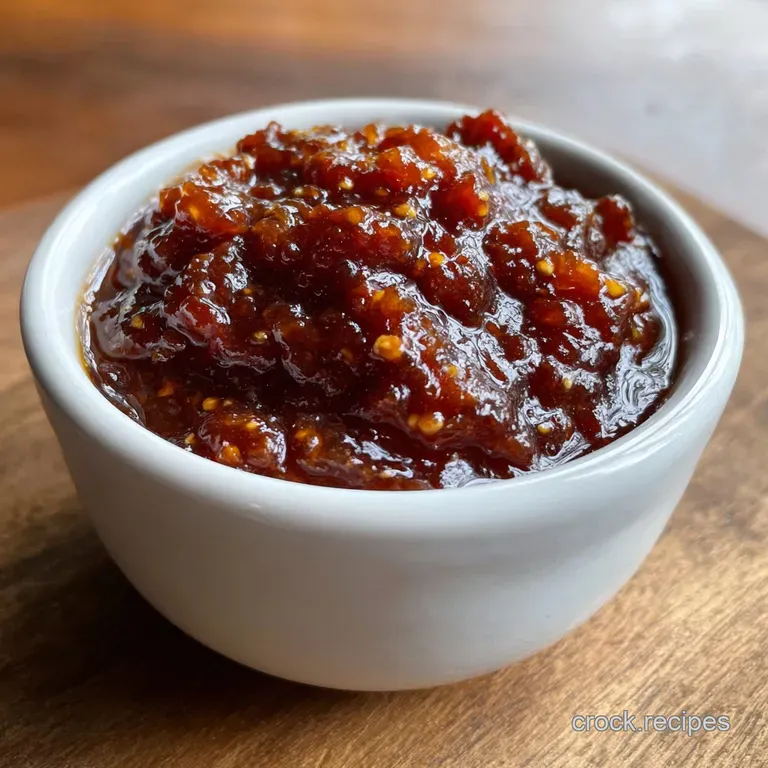
This is truly the easiest part of the whole process. There is no baking, no boiling, and no fancy technique required.
Initial Combination: Mixing Wet and Dry Components
- Prep and Drain: First things first, put your prepared horseradish in a fine mesh sieve and gently press out any excess liquid. We are aiming for pulp, not brine. Next, mince your shallot so finely that it almost disappears a microplane works wonders here.
- Wet Base: In a non-reactive glass bowl, combine the ketchup, white vinegar, Worcestershire sauce, and fresh lemon juice. Give it a quick, brisk whisk until everything looks uniform.
- The Kickers: Now, stir in the drained horseradish and the super fine minced shallot.
- Seasoning: Add the brown sugar, coarse sea salt, black pepper, and the mandatory pinch of ground allspice (do not skip this; it adds classic warming depth). Mix everything vigorously for a full minute to ensure the salt and sugar fully dissolve into the liquid base.
Mastering the Relish: Expert Tips and Troubleshooting
Even simple recipes have pitfalls! Here are the places I’ve watched friends (and myself, once upon a time) mess this up.
The Critical Taste Test and Seasoning Adjustment
After mixing, take a small taste. It should be aggressive. If it tastes dull, you probably need more salt or a little more vinegar for brightness. If it tastes too sweet, you definitely need more horseradish to balance it out.
Chef's Note: If you want a lower carb option, you can definitely swap the brown sugar for a dash of allulose or monk fruit sweetener. I use the same trick when I make my sugar-free Keto Cranberry Sauce: Easy, Jammy, Low Carb Perfect . Just remember that artificial sweeteners are much stronger, so start slow.
Mandating the Rest: Why 24 Hours is the Minimum Chill Time
We talked about the science earlier, but seriously, the 24 hour mark is where the magic happens for this specific luger steak sauce . At 2 hours, it's edible but sharp. At 8 hours, it's respectable.
At 24 hours, the flavors are unified, round, and absolutely perfect. Plan ahead for maximum flavor payoff.
Preventing a Watery Relish: Texture Optimization
If your finished homemade peter luger steak sauce is watery, you did one of two things wrong: you used watery ketchup, or you forgot to drain your prepared horseradish.
If it’s already too watery after chilling, you can thicken it slightly by stirring in half a teaspoon of tomato paste, which absorbs some moisture without changing the flavor too much.
Adjusting the Pungency: Controlling the Horseradish Kick
Maybe you used a particularly potent jar, or maybe you prefer a milder sauce. If the finished product is too spicy, stir in an extra tablespoon of high-quality ketchup and a teaspoon of lemon juice. This helps mellow and distribute the heat across the sauce base without ruining the texture.
Maximizing Freshness: Storage and Shelf Life
Because this is a vinegar based, cold condiment, it keeps incredibly well, which is another reason I adore this recipe. I always make a double batch!
Refrigeration Guidelines for Optimal Flavor Retention
Store your finished relish in an airtight container, like a glass Mason jar. Because of the high acidity (ketchup, vinegar, lemon), this peter luger style steak sauce will last beautifully in the refrigerator for 2 3 weeks.
Just give it a good stir before each use, as some of the liquid may separate slightly over time.
Can You Freeze the Steakhouse Relish?
This is a firm no . While you can technically freeze almost anything, the texture suffers immensely here. The chopped shallots and the structure of the ketchup base become grainy and separate upon thawing.
Since this recipe is so fast, it’s much better to simply make a fresh batch than risk freezing it.
Signs that Your Relish Has Passed its Prime
Since it keeps so long, spoilage is rare, but watch out for mold (obviously) or a sharp, fermented smell. If the color dulls significantly or it develops a dry, crusty layer that stirring doesn't fix, it’s time to toss it and make a fresh one.
The Ultimate Pairing Guide: How to Serve the Peter Luger Style Relish
This best steak sauce recipe is designed to slice through richness and fat. Don’t hold back on the quantity you dollop onto your plate!
Classic Pairings for Steakhouse Authenticity
The most traditional application is alongside a thick, beautifully rested porterhouse or ribeye. The intense, cold tang of the relish is the perfect counterbalance to rich, salty, aged meat. It’s also phenomenal next to a perfect slice of meatloaf, if you’re looking for a slightly more casual application.
Recommended Serving Temperature and Presentation
Serve this cold. I mean straight from-the-fridge cold. The chill keeps the flavor molecules sharp and the texture firm. Present it in a small, stylish dipping bowl (or ramekin) alongside your main course.
This cold, sharp contrast is what sets the classic peter luger steak sauce experience apart!

Recipe FAQs
How long must I chill the relish before serving to achieve the best flavor?
Chilling is not optional; it is mandatory for proper flavor development. Ideally, you should refrigerate the relish for a minimum of 6 hours, but allowing it to rest for 24 hours yields the best results.
This crucial step allows the intense acidity and the heat of the horseradish to mellow and fully marry into a complex flavor profile.
My sauce turned out too runny, closer to a liquid than a chunky relish. How can I fix the texture?
The authentic Peter Luger style is thick and chunky, more akin to a relish or chutney. If it is too liquid, you likely added too much water or liquid vinegar base. To thicken, you can drain off excess liquid using a fine mesh sieve, or stir in a small spoonful of concentrated tomato paste for body without adding undue moisture.
Is this steak sauce traditionally served warm or cold?
This relish must always be served ice cold. The chill helps temper the intense, fiery nature of the horseradish and enhances the vibrancy of the vinegars.
Can I use fresh grated horseradish instead of prepared horseradish?
Yes, but proceed with caution as fresh horseradish is significantly hotter than the prepared jarred variety and it loses its potency quickly. If opting for fresh, start by using half the quantity specified in the recipe, and taste after the full chilling period before deciding if more heat is needed.
My sauce tastes too sweet, likely due to the ketchup base. How can I increase the tanginess?
Excessive sweetness is typically countered by adding acidity. Slowly stir in small amounts of additional cider vinegar or fresh lemon juice, tasting frequently after each addition. A small dash of dry mustard powder can also help cut through residual sugar beautifully.
How long will this copycat relish keep, and can I freeze it?
Due to its high vinegar and tomato content, this relish stores exceptionally well in an airtight container in the refrigerator for up to two weeks. Freezing is not recommended, as the chunky texture and the potency of the horseradish will degrade significantly upon thawing.
If I want to make this recipe sugar-free, what substitute should I use?
The easiest modification is replacing the standard ketchup with a high-quality sugar-free or unsweetened ketchup equivalent. If you notice the relish lacks body after this substitution, you may need to slightly increase the amount of concentrated tomato paste to maintain the required viscosity.
Copycat Peter Luger Steak Sauce
Ingredients:
Instructions:
Nutrition Facts:
| Calories | 55 calories |
|---|---|
| Fat | 0.5 g |
| Fiber | 1 g |
