Dijon Chicken with Mushrooms: Ultra-Creamy Bistro Dinner Ready in 40 Mins
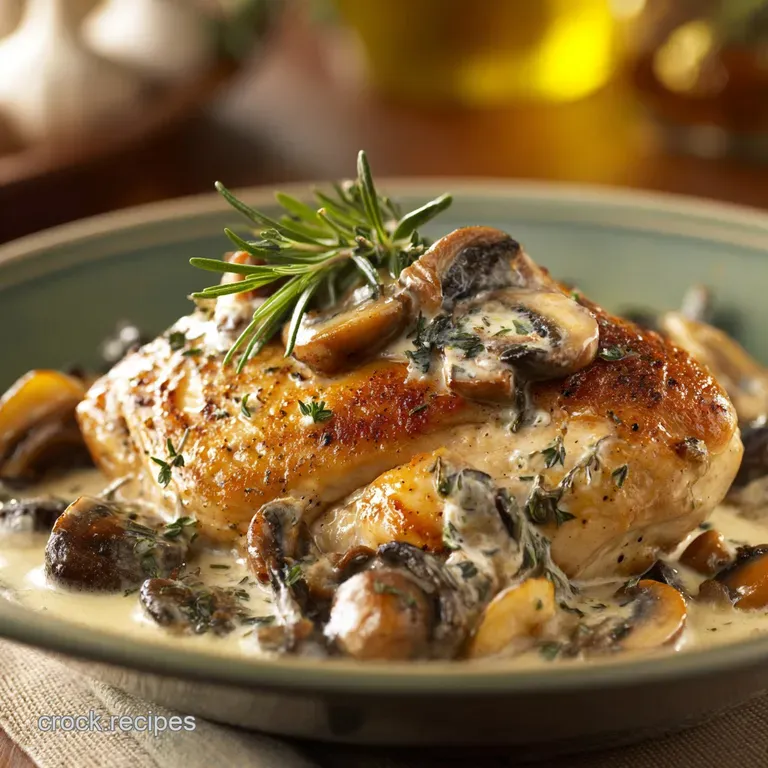
- Creamy Dijon Chicken with Earthy Mushrooms: A Bistro Classic in 40 Minutes
- The Bistro Classic: Why You Need This Dijon Dish Tonight
- The Science of Savor: Why This Sauce is So Creamy and Tangy
- Essential Components for Perfect Creamy Dijon Chicken
- Mastering the Method: Your Step-by-Step Guide to Dijon Chicken with Mushrooms
- Expert Kitchen Secrets: Achieving Restaurant-Quality Results
- Making Ahead: Storage, Reheating, and Freezing Guide
- Perfect Pairings: What to Serve Alongside Your Bistro Meal
- Recipe FAQs
- 📝 Recipe Card
Creamy Dijon Chicken with Earthy Mushrooms: A Bistro Classic in 40 Minutes
The Bistro Classic: Why You Need This Dijon Dish Tonight
You know that incredible aroma? The sharp tang of mustard hitting rich cream and earthy mushrooms sizzling in butter? That smell alone screams "bistro classic," right? It's instantly comforting and makes the whole house smell ridiculously sophisticated.
Don't let the fancy French name fool you, though; this dish is a total weeknight lifesaver. It moves fast, requires minimal ingredients, and tastes like you spent hours on it, not 40 minutes. This recipe is your secret weapon for looking like a kitchen superstar when you're completely exhausted.
I’ve tweaked and perfected this classic creamy Dijon chicken recipe over the years, making the sauce foolproof and ensuring the chicken stays unbelievably tender. Ready to ditch the takeout menu and tackle this glorious pan sauce? Let's crack on.
The Science of Savor: Why This Sauce is So Creamy and Tangy
The 40 Minute French Flair
This dish truly proves that simple techniques yield stunning results, focusing on layers of flavor built right in the skillet. We are maximizing flavor payoff for minimal effort here, which is the ultimate home cook goal. It's shockingly easy to execute once you understand the few crucial steps.
Sophisticated Taste, Simple Technique
The trick is using the skillet efficiently to layer flavors, ensuring every step adds essential depth. We use the fond (those lovely brown bits) left behind by the perfectly seared chicken, and then we build the creamy Dijon sauce right on top of that savory base. It's kitchen economy at its finest.
Flavor Profile Breakdown: Tangy, Umami, and Rich
The key lies in achieving perfect balance in the pan. Dijon mustard provides the necessary sharp acidity, cutting through the richness of the heavy cream beautifully. When combined with the deep umami flavor from the properly browned earthy components, you get a finished sauce that is rich but never, ever heavy.
Deglazing for Depth: Capturing the Fond
This step is completely non-negotiable for achieving deep flavor. You use the liquid (wine or stock) to scrape up all those browned, caramelized chicken bits stuck to the bottom of the pan after searing.
That fond is pure flavor gold , and dissolving it into the liquid instantly deepens the sauce's complexity, adding a necessary savory punch.
The Magic of Dijon: Balancing Acidity and Emulsion
Did you know Dijon mustard is actually a natural emulsifier because it contains tiny protein structures? When you whisk it into the warm reduction, it helps bind the stock and the heavy cream, resulting in a beautifully smooth, stable, professional looking sauce.
Trust me, you need good quality Dijon for this trick to really work its magic.
Thickening the Sauce Without Flour
We are relying mostly on reduction here, rather than a heavy flour roux that can sometimes taste pasty. Simmering the chicken stock and wine concentrates the flavors intensely, and the slight thickening provided by the heavy cream and the Dijon is usually plenty.
If you need a little more help, the light dusting of flour on the chicken before searing certainly aids in the process.
Essential Components for Perfect Creamy Dijon Chicken
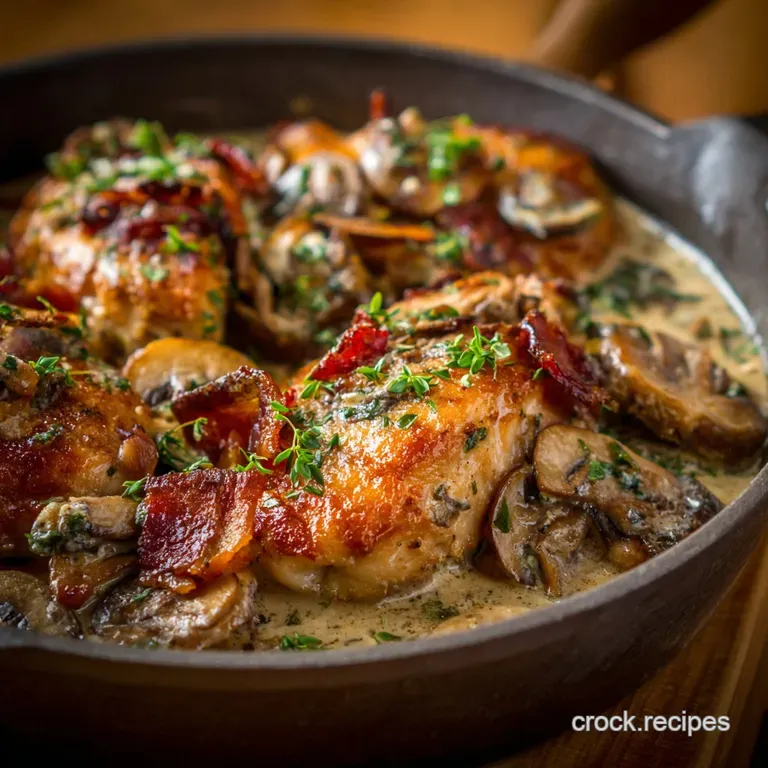
Choosing the Right Dijon Mustard (Grey Poupon vs. Whole Grain)
Please, ditch the sweet, yellow stuff for this Creamy Dijon Chicken with Earthy Mushrooms recipe. We need authentic, sharp French Dijon mustard, like Maille or Grey Poupon, because the flavor is so central to the final result.
If you choose to use whole grain mustard instead, expect a slightly spicier kick and a chunkier, less uniform sauce texture.
Optimal Sizing and Prep for Earthy Components
Slice your cremini mushrooms thickly, aiming for about a quarter inch (6mm). If they are too thin, they'll steam and dissolve into mush instead of browning properly, which ruins the texture and flavor. Make sure your sliced mushrooms are wiped clean, not soaked , before they hit the hot pan.
Dairy Choices: low-fat vs. Heavy Cream Impact
Heavy cream is the gold standard here for richness and stability, giving you that beautiful, velvety mouthfeel. If you use half and half or low-fat milk, you run a huge risk of the sauce curdling or breaking when the acidity from the mustard hits it. Want a slightly tangier flavor?
Use crème fraîche instead of heavy cream; it's much more forgiving against high heat and acidity.
Quick Swaps for Wine or Broth
If you don't keep dry white wine on hand, no worries; simply use extra chicken stock for the deglazing step. For the necessary acidic complexity, just add 1 teaspoon of white wine vinegar or fresh lemon juice along with the stock. Use a quality, low-sodium chicken stock regardless of whether you include wine.
| Ingredient | The Swap | Notes on Flavor/Texture |
|---|---|---|
| Heavy Cream | Crème Fraîche or 1/2 cup Milk + 1 tsp Cornstarch | Crème Fraîche is tangier; milk needs starch to thicken. |
| White Wine | Extra Chicken Stock + 1 tsp White Wine Vinegar | Maintains the necessary sharp acidity for deglazing. |
| Cremini Mushrooms | Shiitake or Oyster Mushrooms | Adds a different, perhaps more pronounced, earthy aroma. |
| Chicken Breast | Boneless, Skinless Chicken Thighs | Much more forgiving; increase simmer time slightly (5 min). |
Mastering the Method: Your step-by-step Guide to Dijon Chicken with Mushrooms
Achieving the Perfect Sear (The Maillard Reaction)
Pat the chicken breasts completely dry with paper towels before seasoning liberally with salt, pepper, and a light dusting of flour. High heat is absolutely critical here; use a combination of butter and olive oil, and don't crowd the pan.
Cook until you see a deep, golden crust that rich, browned exterior is the Maillard reaction doing its beautiful work.
Building the Flavor Base: Sautéing Aromatics
Once the seared chicken is reserved, add the remaining butter and the sliced mushrooms to the skillet. Cook them over medium high heat until they release their liquid completely and then begin to brown deeply, which takes about 6 to 8 minutes.
Reduce the heat, add the shallots until they soften, and only cook the garlic for about 60 seconds after that, or you'll risk bitter, burnt garlic.
Simmering and Reduction for Maximum Intensity
Pour in the wine or stock mixture and vigorously scrape up every single bit of fond this is the essential deglazing step. Whisk in the 3 tablespoons of Dijon mustard thoroughly, bring it briefly to a boil, and then reduce the heat to a simmer.
Let this simmer until the liquid visibly reduces by about one-third and smells intensely savory; you are concentrating the flavor right now.
The Final Touch: Integrating Cream and Fresh Herbs
Reduce the heat to low before stirring in the heavy cream and adjusting any final seasoning. Never boil the sauce after the cream is added , or it will likely break.
Gently return the seared chicken to the sauce and let it finish cooking through, absorbing all that gorgeous flavor until it hits an internal temperature of 165°F (74°C). Finish with the fresh lemon juice and a shower of parsley, which adds a crucial burst of brightness.
Crucial Chef’s Note: Pull the chicken immediately once it hits 165°F. Since it’s resting in the hot sauce, it will continue to cook slightly (carryover cooking), ensuring it remains incredibly moist and tender.
Expert Kitchen Secrets: Achieving Restaurant Quality Results
Troubleshooting a Broken or Curdled Sauce
This usually happens because the heat was too high after adding the cream, or perhaps you used low-fat dairy which lacks the necessary fat stability. If your sauce looks split or grainy, turn the heat off immediately.
Then, slowly whisk in 1 teaspoon of cold butter; the extra fat and temperature change are often enough to bring the emulsion back together smoothly.
Preventing Dryness: Tips for Tender Poultry
We sear the chicken breasts first and only cook them about 70% of the way through during that initial step. They finish cooking gently in the warm sauce , which keeps them moist and infuses every fiber with that tangy, creamy flavor.
Always use a meat thermometer to confirm the internal temperature; remove it immediately when it hits 165°F.
Maximizing Earthy Flavor: Don't Overcrowd the Pan
If your pan is crammed full of sliced cremini mushrooms, they will steam in their own moisture instead of caramelizing and browning. If you are making a double batch of this creamy Dijon chicken, cook the mushrooms in two smaller batches.
Ensure they have enough room to breathe and brown deeply; browning them properly is the biggest secret to maximizing their earthy flavor.
Ensuring the Proper Sauce Consistency
If your sauce is too thin after simmering, pull the chicken out and reduce the sauce for another 2– 3 minutes over medium heat until it coats the back of a spoon. If it's too thick, maybe you reduced it too long, but that’s an easy fix!
Simply whisk in an extra splash of warm chicken stock or water until you hit that perfect, clingy consistency.
Making Ahead: Storage, Reheating, and Freezing Guide
Refrigeration Best Practices
Store leftover creamy Dijon Chicken with Mushrooms tightly sealed in an airtight container in the fridge. Because this dish contains dairy and poultry, it is best enjoyed within 3 to 4 days of preparation. I usually save the parsley garnish and add fresh herbs when reheating for a bright finish.
Freezing Instructions for Cream Based Sauces
Can you freeze a cream based sauce? You bet, but proceed with caution. Sauces made with heavy cream often split slightly upon thawing, resulting in a somewhat grainy appearance. The absolute best strategy is to freeze the cooked chicken and mushrooms before adding the heavy cream.
Then, thaw the mixture overnight in the fridge, reheat gently, and stir in the cream during the last few minutes of the final simmer.
Reheating
Always reheat the Dijon chicken gently on the stovetop over very low heat. If the sauce seems too thick after refrigeration, add a tiny splash of stock or water to loosen it up. Microwaving is risky because rapid, uneven heating encourages the sauce to break or curdle.
Perfect Pairings: What to Serve Alongside Your Bistro Meal
You absolutely need something glorious to soak up that incredible, velvety Dijon sauce. My favorite pairing is a large serving of buttery mashed potato purée, but crusty sourdough bread or wide buttered egg noodles work perfectly, too.
For a lighter side that provides color and contrast, I often make my crisp Cucumber Salad with Creamy Dill Sauce: Crisp, Tangy, and Never Watery . If I'm planning a proper dinner party, this creamy Dijon chicken is always a huge hit, though sometimes I pivot to a completely different flavor profile, like my bright, tropical Key West Chicken Marinade: The Zesty, Easy Tropical Grilling Secret when the weather is warm.
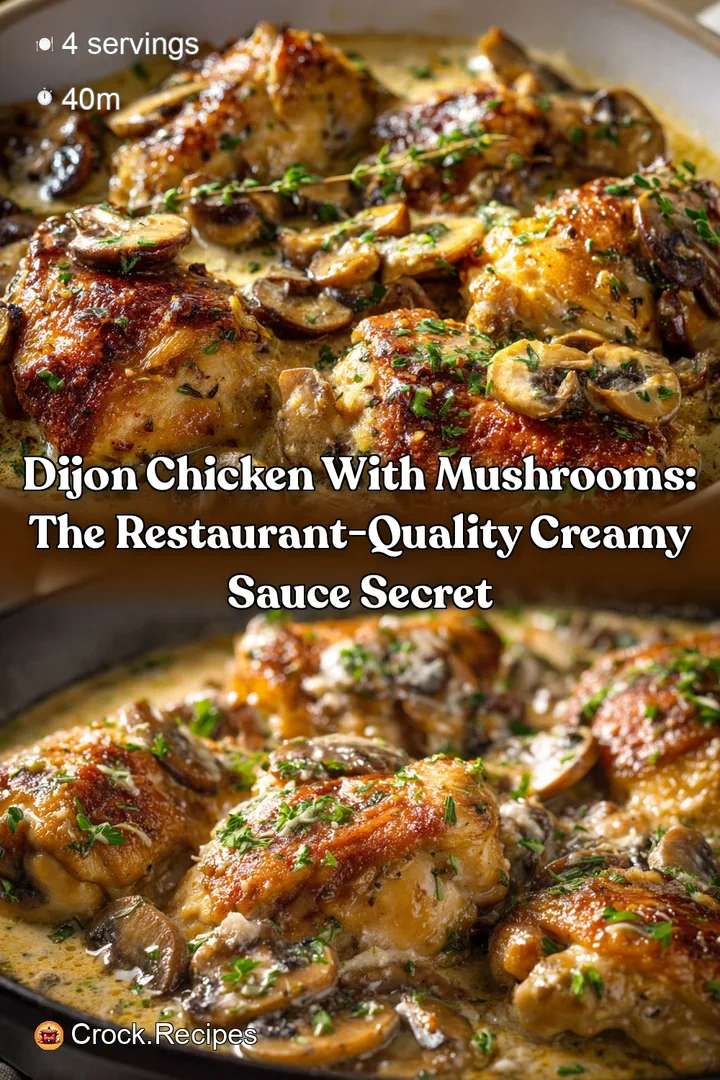
Recipe FAQs
Why did my Dijon Chicken turn out dry?
Overcooking is the main culprit when dealing with lean chicken breasts. Ensure you sear the chicken quickly and finish the cooking within the sauce until the internal temperature reaches precisely 165°F (74°C).
If using very thick breasts, consider pounding them slightly thinner before searing for more even and rapid cooking.
My sauce is too thin. How can I thicken the Dijon cream sauce?
If the sauce is too runny after adding the cream, remove the chicken and quickly reduce the liquid over medium high heat until it coats the back of a spoon. Alternatively, you can create a quick slurry by mixing one teaspoon of cornstarch with one tablespoon of cold water, then whisking it into the simmering sauce until thickened.
Can I use chicken thighs instead of breasts in this recipe?
Absolutely. Chicken thighs are a fantastic choice as their higher fat content makes them more forgiving and flavorful, ensuring a moist final dish. Increase the simmering time by about 5 10 minutes, ensuring the thighs reach an internal temperature of 175°F (80°C) for optimal tenderness.
What types of mushrooms work best for this recipe?
Cremini (Baby Bellas) are the standard choice for their perfect balance of accessibility and earthy flavor. For a deeper, more sophisticated taste, incorporate a mixture of fresh shiitake, oyster, or even rehydrated dried porcini mushrooms for an intensely umami flavor boost.
How can I make this Creamy Dijon Chicken recipe dairy-free?
You can substitute the heavy cream with full fat canned coconut milk or a high-quality oat cream designed specifically for cooking. While the flavor will shift slightly, these substitutes maintain the rich, luxurious texture required for the sauce base.
How long will the leftovers last, and what is the best way to reheat them?
Leftovers should be stored in an airtight container in the refrigerator for up to 3 days. To reheat, warm gently on the stovetop over low heat, adding a splash of chicken broth or water to thin the sauce and prevent it from breaking or curdling.
Can I freeze the finished Dijon Chicken with Mushrooms?
Freezing is generally not recommended for recipes containing heavy cream, as dairy fats tend to separate and result in a grainy or broken sauce texture upon thawing. If long term storage is necessary, cook the dish entirely but omit the cream, then stir the fresh cream in upon reheating.
Creamy Dijon Chicken And Mushrooms
Ingredients:
Instructions:
Nutrition Facts:
| Calories | 282 kcal |
|---|---|
| Protein | 9.7 g |
| Fat | 4.7 g |
| Carbs | 50.6 g |
