Rice Pudding: Velvety Shortcut for Comfort
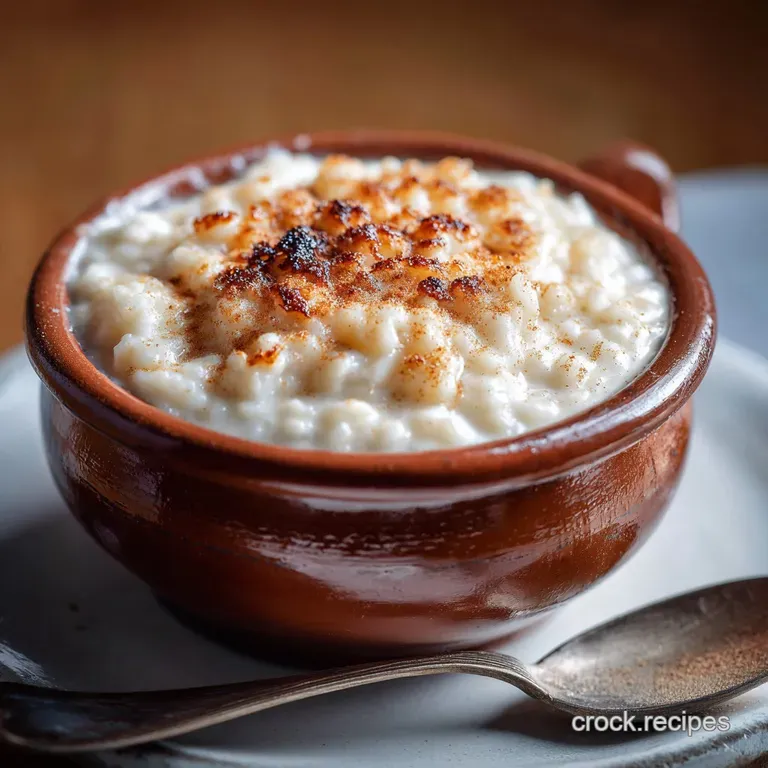
- The Shortcut Comfort Classic: Maximizing Leftover Rice
- The Science of Velvety Texture: Why Leftovers are the Key
- Essential Elements: Ingredients for the Perfect Custard Base
- The Method: Preparing Your Creamy Rice Pudding Masterpiece
- Troubleshooting the Pudding: Chef’s Secrets for Success
- Lifespan and Preservation: Storing Your Homemade Dessert
- Finishing Touches: Elevating Your Warm Comfort Dessert
- Recipe FAQs
- 📝 Recipe Card
The Shortcut Comfort Classic: Maximizing Leftover Rice
Seriously, stop what you are doing right now. The smell of cinnamon warming up with vanilla and simmering milk is quite possibly the most comforting scent on planet Earth. I mean it; it's instant nostalgia, bottled warmth, and pure joy all in one bowl.
If you’ve got two cups of sad, lonely leftover rice sitting in the back of your fridge, you are holding the key to the easiest, creamiest batch of homemade Rice Pudding you will ever make.
This recipe is a lifesaver, especially on those drizzly Tuesday afternoons when you need a hug in a bowl, but you only have 45 minutes to spare. It’s cheap, incredibly filling, and uses ingredients you almost certainly have hanging around in your pantry right now.
Forget those awful boxed mixes or the strangely rubbery versions you find pre-packaged; we are going full velvet texture here.
We are bypassing the long, tedious process of cooking dry rice in milk, which honestly takes forever and risks scorching the bottom of your favourite pan. Instead, we are using a technique that delivers instant creaminess and maximum flavour infusion.
Get ready to fall back in love with classic, stovetop Rice Pudding .
The Science of Velvety Texture: Why Leftovers are the Key
The secret to truly spectacular, quick Rice Pudding is understanding starch. When you boil dry rice, the grains release starch slowly, making the whole process take upwards of an hour. When you use cooked rice, the starches have already broken down and gelatinized.
This means the grains are already soft and primed to absorb the rich liquid instantaneously, turning that plain milk into a thick, velvety custard base much faster.
Why This Creamy Dessert is Pure Nostalgia
I used to think making Rice Pudding was some grand, complex ritual reserved for grandmothers and professional bakers. I was wrong, so wrong. My first attempt involved using freshly made, steaming hot rice, and honestly, the result was a gluey, over thick mess that set like concrete in the fridge.
That was the moment I realized the drier the rice, the better. Day-old cooked rice, which has slightly dehydrated in the fridge, absorbs the custard without turning into sludge. That simple trick changed everything.
Defining the Difference: Cooked vs. Uncooked Rice Methods
Starting with uncooked rice (like traditional Arborio methods) means you are essentially making two things at once: cooking the grain and creating the custard. This results in a very long simmer time, typically 60– 90 minutes.
Our method using pre-cooked rice cuts that time in half, focusing only on creating the perfect, vanilla infused custard that the rice soaks up. This is the ultimate speed hack for incredibly creamy Rice Pudding .
A Global Look at Pudding Variations
Everyone loves this dessert. It's truly universal! While we are embracing the simple, classic vanilla and cinnamon style found across the UK and the US, other cultures have gorgeous versions.
Think of the Spanish Arroz con Leche often kissed with citrus zest, or the rich Indian Kheer scented with saffron and cardamom. Any good Rice Pudding starts with high-quality ingredients, no matter the final flavour profile.
Achieving Optimal Creaminess Without Overcooking
This is the non-negotiable step: Low and slow heat. We are going to babysit this pot. The moment you rush the process or turn the heat up past a gentle simmer, you invite scorching, which is a tragedy. Scorched milk taints the entire dish with a bitter, smoky flavour, and you have to start over.
Keep the heat low, use a heavy pot, and stir constantly to achieve perfect thickness.
Infusing Spices for Maximum Depth of Flavor
You can’t just dump ground cinnamon into the simmering milk at the start. It gives it a gritty texture and an overpowering initial hit. We use a whole cinnamon stick! The stick slowly releases its warm oils into the dairy over the 35– 40 minutes of cooking time, creating a deep, complex warmth that ground spices simply can’t match.
This subtle flavour infusion is what sets truly amazing Rice Pudding apart.
Cutting Down Cooking Time by Half
Because the rice is already cooked, you are basically getting to the creamy finish line 45 minutes faster than starting from scratch. When you have a craving, that time difference is massive. Seriously, if you want a quick fix, this homemade Rice Pudding is the one.
It tastes like it took all day, but only requires about 10 minutes of hands-on attention before the simmering begins.
Essential Elements: Ingredients for the Perfect Custard Base
You only need five core ingredients to make this happen, but choosing the right ones makes all the difference in the world.
Choosing the Right Cooked Grain (Long Grain vs. Arborio)
You can use almost any type of leftover white rice, but long grain (like Basmati or Jasmine) works beautifully because it maintains its shape while absorbing the liquid. Arborio or sushi rice works too, but be warned: it has a higher starch content, so your final Rice Pudding will be incredibly thick and may require a splash more milk during the simmering stage.
Dairy Dynamics: Milks and Creams for Ultimate Richness
Whole Milk is Mandatory. Seriously, don't skimp and use skim milk here unless you enjoy watery, sad results. We need the fat content to create that luxurious mouthfeel. Adding a splash of heavy cream at the beginning boosts the richness and helps the custard stabilize perfectly.
| Ingredient | Recommended Choice | Viable Substitution |
|---|---|---|
| Whole Milk | Full fat cow’s milk | Oat Milk or Cashew Milk (Oat milk provides the closest texture) |
| Heavy Cream | Double Cream (UK) | Full fat Coconut Cream (skimmed from a canned variety) |
| Sweetener | Granulated Sugar | Honey or Maple Syrup (use slightly less, about ¾ cup) |
| Vanilla | Vanilla Bean Paste | Good Quality Vanilla Extract |
Balancing Sweetness: Sugar, Honey, or Maple Syrup?
I default to granulated sugar because it keeps the colour traditional and the flavour neutral, allowing the vanilla and cinnamon to shine. However, you can absolutely swap it out. If you’re playing with different sugar options, perhaps because you are watching carbs or want a lower glycemic option, you might find inspiration in my methods for low-sugar baking, similar to techniques used in my recipe for SugarFree Pumpkin Pudding: Ultra Creamy, Keto Friendly Stove Top Recipe . Just remember that using brown sweeteners like honey will give your final Rice Pudding a deeper, slightly caramelised colour and flavour.
Vanilla Bean Paste vs. Extract: Maximizing Aroma
While vanilla extract works in a pinch, vanilla bean paste is king here. It offers a deeper, more robust flavour and provides those tiny, beautiful black specks that make the final dish look truly artisanal. Since we're not baking, we want the vanilla flavour to hit strong, so use the best quality you can afford.
The Method: Preparing Your Creamy Rice Pudding Masterpiece
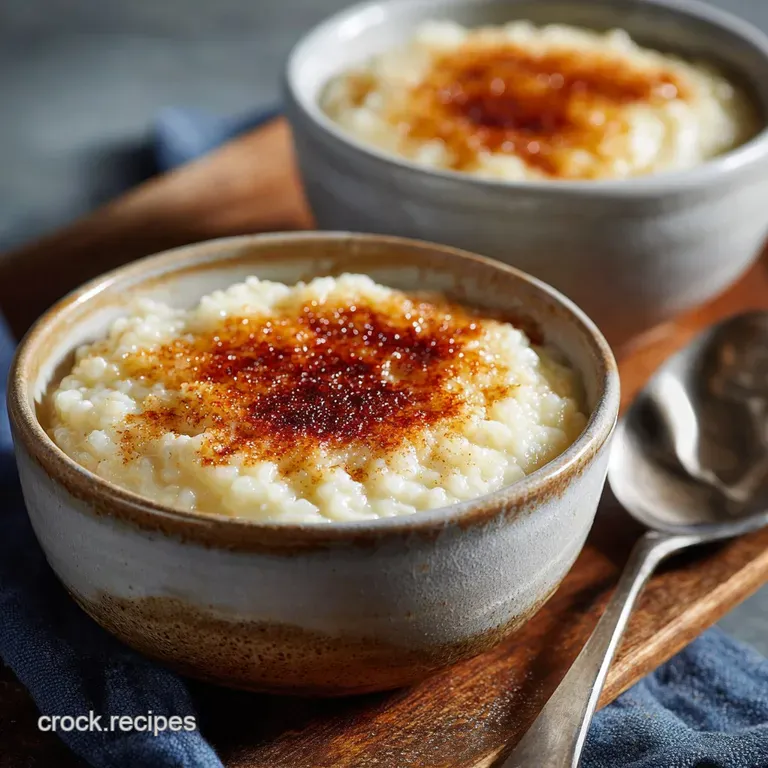
This is where the magic happens. We’re aiming for a slow simmer, a gentle stirring, and a whole lot of delicious aroma. This truly simple process delivers the best creamy Rice Pudding . (Use 6)
Combining Wet Ingredients and Flavor Infusers
In your heavy bottomed pot, combine the whole milk, heavy cream, granulated sugar, salt, and the whole cinnamon stick. Give it a gentle whisk over medium low heat until you see steam rising and all the sugar has completely dissolved. Do not boil the milk yet!
We just want it warmed through and sweetened.
Gently Heating and Thickening the Custard Base
Once the liquids are warm and the sugar is dissolved, reduce the heat to low. Now, carefully stir in your cooked white rice. Make sure you break up any clumps of day-old rice before adding them.
The goal is to bring the mixture to the absolute gentlest simmer possible just a lazy bubble popping every few seconds. The best Rice Pudding requires patience, so resist the urge to crank up the heat. (Use 7)
The Final Simmer and Consistency Check
Continue simmering for 35 to 40 minutes. You must stir frequently, scraping the entire bottom of the pot every few minutes. The mixture will slowly reduce and thicken as the rice absorbs the liquid and the starches release.
The pudding is done when it coats the back of a spoon thickly, but still looks slightly loose. It should resemble a very thick soup or porridge at this stage.
Allowing the Pudding to Set Properly
Remove the pot from the heat. Discard the cinnamon stick immediately, and stir in your vanilla bean paste. Now, this is crucial: cover the pot and let it stand undisturbed for at least 20 minutes off the heat.
That resting time allows the starches to finish absorbing the remaining liquid, bringing the Rice Pudding to its perfect, lush final texture.
Troubleshooting the Pudding: Chef’s Secrets for Success
We’ve all been there. You get distracted, the dog barks, and suddenly your perfectly planned dessert is threatening to stick to the bottom of the pan.
If your pudding is too thin after the resting period, don't panic. You can return it to very low heat for another 5– 10 minutes, stirring constantly until it tightens up.
Conversely, if it thickens too much which happens easily because of the amount of starch you can revive it instantly. Simply stir in a splash of warm milk or cream until the desired consistency is achieved. That small addition of liquid does wonders.
This works particularly well for leftover, chilled Rice Pudding . (Use 8)
Lifespan and Preservation: Storing Your Homemade Dessert
One of the great joys of homemade Rice Pudding is how beautifully it keeps. You get to enjoy this dessert warm, fresh off the stove, or chilled the next day when the flavours have deepened and the texture is dense and firm. It's a two-day treat!
Preventing a 'Dry' or Gluey Consistency
The key to keeping the texture gorgeous, even when chilled, is ensuring it wasn't overcooked initially. If your leftover Rice Pudding looks gluey after refrigeration, it just needs moisture. Before serving cold, give it a good whisk. If serving warm, follow the reheating instructions below.
(Use 9)
The Importance of Low and Slow Heat (Avoiding Scorching)
I cannot stress this enough: The number one killer of homemade Rice Pudding is high heat. The sugar and starch in the milk mixture naturally fall to the bottom, where they heat fastest.
If you don't stir constantly over low heat, the bottom layer will caramelize and burn, contaminating the entire batch.
Chef's Note: If you smell even a faint hint of burnt sugar, immediately transfer the unburnt portion to a fresh, clean pot. Don't try to save it in the scorched vessel; the off-flavor will permeate everything.
Stirring in Secret Ingredients Post Cook
The vanilla and the optional butter are added after cooking for a reason. High heat destroys the volatile compounds in vanilla, reducing its aroma. Adding it at the end ensures the flavour is bright and fresh.
Stirring in a tablespoon of unsalted butter adds a gorgeous gloss and deepens the richness without adding a "buttery" flavour, resulting in the ultimate creamy Rice Pudding . (Use 10)
How Long Does Cooked Rice Pudding Stay Fresh?
Stored in an airtight container in the refrigerator, this creamy dessert will keep safely for 3 to 4 days. It is delicious cold, straight from the fridge perfect for a sneaky midnight snack.
Reheating and Revitalizing Thickened Leftovers
Chilled Rice Pudding sets up very firm. To reheat, scoop the desired portion into a small saucepan. Add 1 to 2 tablespoons of milk or cream per serving. Heat over medium low, stirring constantly, until the pudding loosens and returns to its luxurious, warm consistency. It’s nearly as comforting as making a big batch of Cinnamon Roll Bread Pudding Recipe: Creamy, Easy, Sticky Sweet Dessert , but so much faster.
Is Freezing Recommended for Dairy Based Desserts?
Generally, no. Freezing dairy heavy, starch based items like classic Rice Pudding often leads to an unfortunate textural change. The rice becomes grainy and porous, and the milk solids tend to separate once thawed. If you absolutely must freeze it, freeze it in small, individual portions.
Thaw it very slowly in the refrigerator, and be prepared to whisk aggressively and possibly stir in extra cream to restore some of the smoothness. I always recommend just making a smaller batch of the stove top Rice Pudding instead. (Use 11)
Finishing Touches: Elevating Your Warm Comfort Dessert
This classic Rice Pudding is perfect on its own, but we are home cooks, which means we love to mess with perfection. My favorite toppings enhance the warmth and richness we already achieved.
- The Classic British: A drizzle of golden syrup or a dollop of raspberry jam is divine.
- The Adult Twist: Toss in a handful of raisins that have been plumped up in a splash of dark rum or brandy before you add the vanilla.
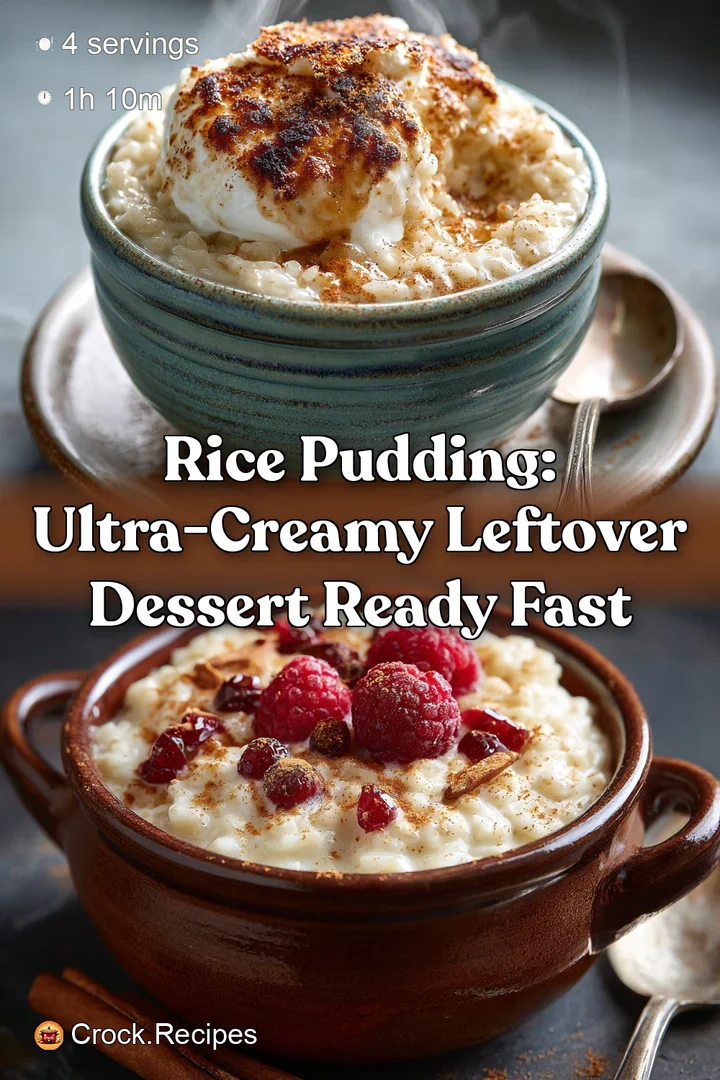
- The Crunchy Element: A dusting of crushed pistachios or toasted sliced almonds adds lovely texture contrast to the soft, gentle Rice Pudding . (Use 12)
Go ahead, try this method. It truly is the fastest route to the best, creamiest Rice Pudding you'll ever make. You won't regret using up that old rice! (Use 13)
Recipe FAQs
Why is my rice pudding too thin and soupy?
If your pudding lacks thickness, it's likely due to insufficient simmering time, meaning the starches have not fully released from the rice grains. You can often remedy this by mixing a teaspoon of cornflour with a tablespoon of cold milk and whisking it into the warm pudding while gently continuing to simmer.
Remember that the pudding will thicken naturally quite a bit further as it cools down.
My pudding turned out too dry or dense. What went wrong?
A dense pudding usually indicates that too much liquid evaporated during the cooking process, often from cooking at too high a heat. To instantly fix the consistency, simply stir in an extra splash of warm milk or heavy cream until the desired velvety texture is achieved.
Ensure that the original leftover rice you used wasn't already overly dehydrated before starting the recipe.
Can I use non-dairy milk substitutes like almond or oat milk?
Absolutely, rice pudding adapts well to non-dairy options, but for the best result, opt for full fat varieties like canned coconut milk or a creamy oat milk. These higher fat alternatives will help replicate the rich mouthfeel provided by traditional dairy cream.
You might need to slightly adjust the sweetener depending on the base milk you choose.
How long can I safely store leftover rice pudding, and can I freeze it?
When refrigerated in an airtight container, rice pudding is safe to consume within 3 to 4 days. While technically possible, freezing is generally not recommended as the freezing and thawing process often separates the dairy, resulting in a slightly grainy or watery texture upon reheating.
If you must freeze, ensure it is completely cooled before storing for up to two months.
I don't have leftover cooked rice. How do I adapt this recipe for uncooked grains?
If starting from scratch, use a short grain variety like Arborio or pudding rice, as long grain won't achieve the necessary creaminess. You will need to dramatically increase the cooking liquid and simmer the pudding for approximately 45 60 minutes, stirring frequently until the grains are fully tender and the starch has created a rich, thick base.
What are some complementary flavor variations beyond vanilla and cinnamon?
For a sophisticated twist, incorporate finely grated orange or lemon zest during the cooking process, or infuse the milk with star anise or cardamom pods before adding the rice. Alternatively, for a richer dessert, swirl in some caramel sauce, maple syrup, or chocolate hazelnut spread just before serving.
A classic British addition is a handful of raisins soaked in hot water or rum.
Can I reheat rice pudding, and what is the best technique?
Yes, rice pudding reheats beautifully, but it will have thickened considerably in the fridge. Place the desired portion in a saucepan and slowly warm it over low heat, adding small splashes of milk or cream while stirring until the desired creamy consistency is restored.
Ensure it is heated through thoroughly, especially when using rice that was previously cooked and cooled.
Creamy Leftover Rice Pudding
Ingredients:
Instructions:
Nutrition Facts:
| Calories | 586 kcal |
|---|---|
| Protein | 11.7 g |
| Fat | 20.8 g |
| Carbs | 85.8 g |
