Air Fryer Salmon: Crispy and Flaky
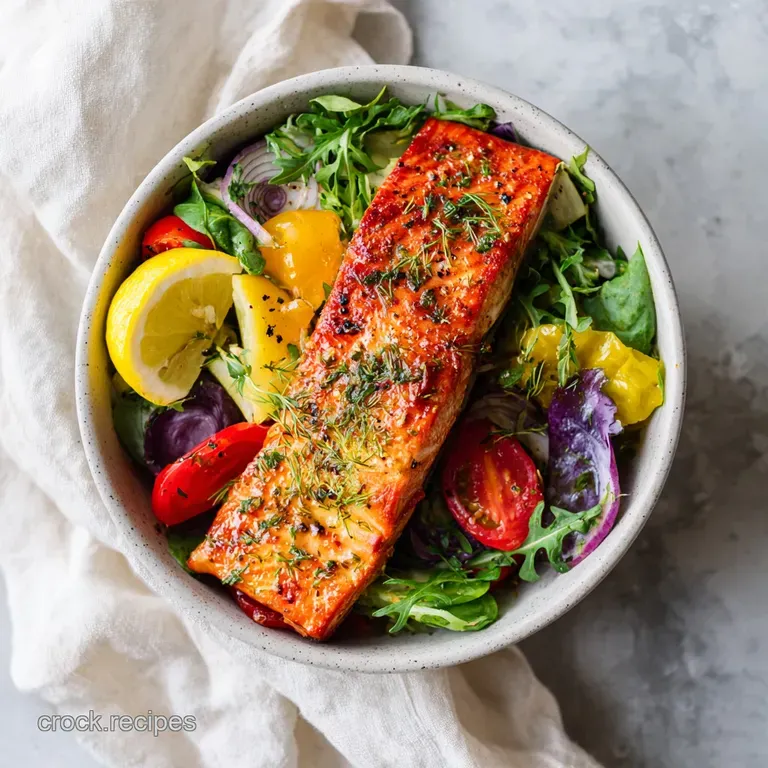
- Time: Active 5 minutes, Passive 10 minutes, Total 15 minutes
- Flavor/Texture Hook: Flaky, buttery center with a smoky, crackling exterior
- Perfect for: A satisfying weeknight dinner or high protein meal prep
- Why This Recipe Works Well
- Essential Recipe Specifications
- Choosing Your Fresh Elements
- Necessary Kitchen Equipment
- Step-By-Step Success Guide
- Fixing Common Cooking Errors
- Fun Flavor Customization Ideas
- Scaling for More People
- Myths About Salmon
- Storage and Reheating Tips
- Perfect Side Dish Pairings
- Recipe FAQs
- 📝 Recipe Card
The first thing you notice isn't the sight of the fish, but the smell. As soon as that air fryer timer hits the five minute mark, the kitchen fills with the scent of smoked paprika warming up and garlic getting toasty.
It’s a hearty, savory aroma that reminds me of a backyard barbecue, even in the middle of a rainy Tuesday. When you finally pull the basket out, there's that unmistakable sizzle of the salmon fat bubbling against the seasoning.
I’ll be honest, I used to be terrified of cooking salmon. I’ve had my fair share of "oops" moments fillets that ended up as dry as a desert or skin that stuck so hard to the pan I had to scrape it off with a chisel. But then I started playing with the air fryer, and everything changed.
The way the hot air swirls around the fish makes the outside almost shatter with crispness while the inside stays velvety and moist. It’s a total win for anyone who wants comfort food that doesn't leave them feeling heavy.
We’re going to get into the nitty gritty of why this works so well, from the way we prep the skin to the specific temperature that keeps things juicy. This isn't just about putting fish in a basket; it’s about understanding how to use that little machine to make a meal that feels like it came from a high end steakhouse.
Trust me, once you hear that first crack of the fork hitting the seasoned crust, you’ll never go back to the old way.
Why This Recipe Works Well
Heat Circulation: The high speed fan forces hot air around the entire fillet, mimicking a deep fry without the heavy oil. This creates a uniform crust that locks in moisture before the internal proteins can tighten up and squeeze out the juices.
Surface Dehydration: By patting the fish bone dry and adding a tiny bit of oil, we help the air fryer evaporate surface moisture instantly. This allows the smoked paprika and garlic to toast rather than steam, resulting in a much more satisfying texture.
Maillard Reaction Control: At 400°F (200°C), the natural sugars and proteins in the fish react with the spices to create deep, complex flavors.
This specific temperature is high enough to brown the outside in the 10 minutes it takes to reach a perfect medium rare inside.
Fat Integration: Salmon is naturally fatty, and the air fryer uses that fat to "baste" the fish from the inside out. As the heat rises, the healthy fats render slightly, mingling with the oregano and black pepper to create its own sauce.
Cooking Method Comparison
Before we get to the shopping list, let's look at why the air fryer often beats the traditional methods for this specific cut of fish.
| Method | Texture | Effort Level | Cleanup |
|---|---|---|---|
| Air Fryer | Crispy exterior, very moist | Set and forget | Minimal (one basket) |
| Stovetop | Best skin crackle, can dry out | Active flipping | Heavy oil splatter |
| Oven | Even cooking, soft texture | Slow preheat | Sheet pan and parchment |
If you're in the mood for a different texture entirely, my pan seared salmon is a fantastic alternative for that classic butter basted feel that only a heavy skillet can provide.
Essential Recipe Specifications
Getting the timing right is everything when it comes to lean proteins. Salmon is forgiving because of its fat content, but there's a thin line between "silky" and "chalky." To help you navigate that, I've put together a quick guide for different thicknesses.
Most fillets you buy at the store are about an inch thick, but sometimes you get those thick center cut pieces that need an extra minute or two.
Quick Decision Done ness Guide
| Thickness | Internal Temp | Rest Time | Visual Cue |
|---|---|---|---|
| 1 inch | 145°F | 3 minutes | Opaque pink, flakes easily |
| 1.5 inches | 145°F | 5 minutes | Center is no longer translucent |
| 0.5 inches | 145°F | 2 minutes | Edges look slightly charred |
Always remember that carryover cooking is a real thing. If you pull the fish out at exactly 145°F (63°C), it will likely climb to 150°F while it sits on your plate.
I usually pull mine at 140°F if I’m eating it right away, let it rest for those 3 minutes, and it hits the sweet spot every single time.
Choosing Your Fresh Elements
When I'm at the grocery store, I look for salmon that has a vibrant color and doesn't smell "fishy" at all it should just smell like the ocean. For this Air Fryer Salmon, I prefer individual 6 ounce fillets. They have more surface area for that delicious rub we’re going to make.
If you buy a whole side of salmon, just slice it into even pieces so they all finish cooking at the same time.
Ingredient Deep Dive
| Ingredient | Science Role | Pro Secret |
|---|---|---|
| Salmon Fillets | Protein & Fat source | Use skin on to protect the delicate flesh from drying out. |
| Smoked Paprika | Flavor & Color | This provides the "charred" look without needing a grill. |
| Garlic Powder | Umami & Crust | Powder sticks better than fresh garlic and won't burn at 400°F. |
| Kosher Salt | Moisture control | Use Diamond Crystal for better coverage without over salting. |
The seasoning mix is where the heart of the flavor lives. We’re using a blend of smoked paprika, garlic, onion powder, salt, pepper, and dried oregano. It sounds simple, but the oregano adds this earthy, herbal note that cuts right through the richness of the fish.
Necessary Kitchen Equipment
You don't need a lot of gear for this, which is why I love it. But there are a couple of things that make the process much smoother. First, a good pair of silicone tipped tongs is essential. Metal tongs can tear the delicate flesh of the fish or scrape the non stick coating off your air fryer basket.
I also highly recommend an instant read thermometer. It's the only way to be 100% sure your fish is done without cutting into it and letting all those precious juices escape. If you don't have one, you're basically guessing, and salmon is too expensive to guess with! For those nights when you want to set it and forget it, this oven baked salmon is another solid winner in our house and uses very similar equipment.
The Gear List
- Air Fryer: Any standard basket or oven style model (like a Ninja or Cosori).
- Small Bowl: For mixing the dry rub.
- Paper Towels: The most underrated tool essential for drying the fish.
- Instant read Thermometer: For precision doneness.
step-by-step Success Guide
- Temper the fish. Remove 2 (6 oz) salmon fillets from the fridge 15 minutes before you plan to cook. Note: This prevents the outside from overcooking while the inside stays cold.
- Dry it thoroughly. Pat the fillets bone dry on all sides with a paper towel. Note: Moisture is the enemy of a crispy crust; any dampness will cause the fish to steam.
- Oil the flesh. Lightly coat the flesh side with 1 tsp of olive oil. Note: The oil acts as "glue" for the spices and helps conduct heat.
- Mix the rub. In a small bowl, whisk together 0.5 tsp smoked paprika, 0.5 tsp garlic powder, 0.25 tsp onion powder, 0.5 tsp salt, 0.25 tsp pepper, and 0.25 tsp dried oregano.
- Season the fillets. Sprinkle the rub generously over the fillets and press it in gently with your fingers.
- Preheat the machine. Set your air fryer to 400°F (200°C) and let it run for 3 to 5 minutes until hot.
- Arrange the basket. Place fillets in the basket skin side down. Make sure there is space between them so air can flow.
- Air fry. Cook for 8 to 10 minutes. At the 8 minute mark, check the internal temperature.
- Verify doneness. Pull the basket when the thermometer hits 145°F (63°C). Look for the flesh to be opaque and the spices to look toasted.
- Rest and serve. Let the fish sit for 3 minutes, then serve with 0.5 lemon cut into wedges for a bright finish.
Fixing Common Cooking Errors
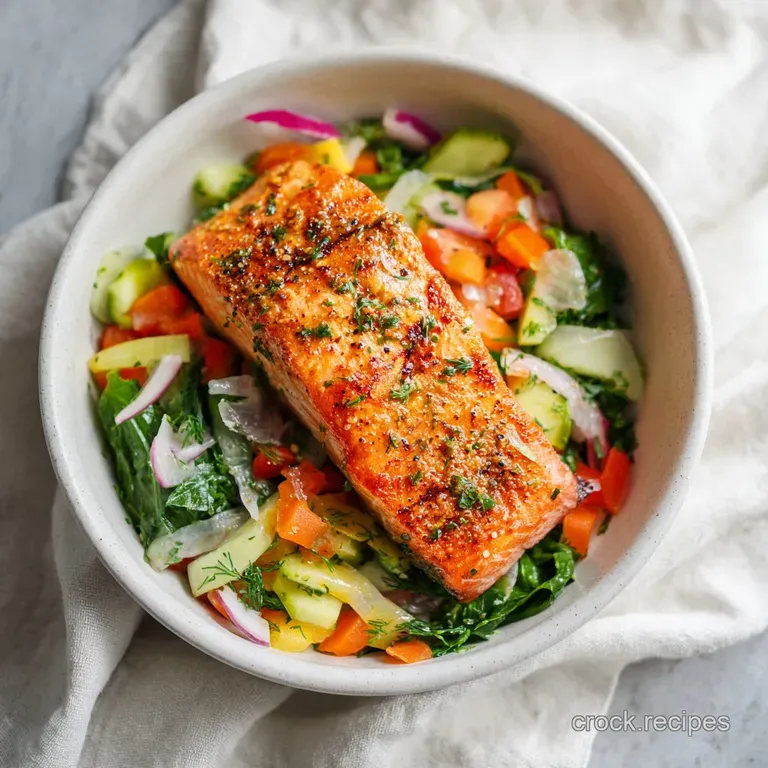
One thing that used to drive me crazy was the "white goo" that sometimes appears on the surface of the salmon. It looks a bit weird, but it’s actually just a protein called albumin.
It’s perfectly safe to eat, but it usually means the fish was cooked a little too fast or too long, causing the muscle fibers to contract and squeeze the protein out. If you see a lot of it, try reducing your cook time by 60 seconds next time.
Why Did the Skin Stick?
The most common reason for sticking is a cold basket or a wet skin. Even though we oil the top, a tiny spray of oil on the bottom of the basket or preheating the basket properly will create a "non stick" environment. Also, don't try to move the fish halfway through.
Let it sit the whole time so the skin can crisp up and naturally release from the surface.
| Problem | Root Cause | Solution |
|---|---|---|
| Dry/Tough Fish | Overcooked | Pull at 140°F and let carryover heat finish it. |
| Soggy Crust | Too much moisture | Pat the fish dry until the paper towel comes away clean. |
| Uneven Cooking | Crowding the basket | Leave at least an inch between fillets for airflow. |
Common Mistakes Checklist
- ✓ Don't skip the preheat; a cold air fryer won't give you that initial sear.
- ✓ Avoid using "cooking sprays" with soy lecithin, as they can ruin the basket's coating over time. Use a pump sprayer with pure olive oil instead.
- ✓ Never stack the fillets; the parts that touch will stay mushy and grey.
- ✓ Check your fillets at 8 minutes, as some air fryers run much hotter than others.
- ✓ Leave the skin on during cooking even if you don't plan to eat it; it acts as an insulator.
Fun Flavor Customization Ideas
Once you've mastered the basic Air Fryer Salmon recipe, you can start getting creative. Sometimes I want something a bit sweeter, so I’ll add a teaspoon of brown sugar to the rub. The sugar caramelizes under the high heat and creates a glaze that is out of this world.
Or, if I’m feeling like something with a kick, I’ll swap the oregano for some cayenne pepper or chili powder.
Can I Make This Into Air Fryer Salmon Bites?
Absolutely! This is one of my favorite ways to prep lunch. Just cut the raw salmon into 1 inch cubes before seasoning. Because there is more surface area, they only need about 5 to 6 minutes at 400°F. They come out like little nuggets of savory goodness.
Just be careful not to overcook them since they are smaller!
How Do I Cook Air Fryer Salmon From Frozen?
If you forgot to take the fish out of the freezer (we've all been there), you can still use the air fryer. Rinse the frozen fillets under cold water to remove any ice crystals and pat them dry.
Air fry at 350°F (175°C) for about 5 minutes to thaw them out, then increase the temp to 400°F and add your oil and seasonings. It usually takes about 12 to 15 minutes total.
The texture isn't quite as buttery as fresh, but it's a lifesaver on busy nights.
Scaling for More People
If you're cooking for a family of four or more, you'll need to adjust your strategy. Most standard air fryers can only hold two or three fillets comfortably.
For doubling the recipe: Work in batches. While the second batch is cooking, keep the first one on a plate covered loosely with foil. Since the air fryer is already hot, the second batch often cooks about 1 minute faster than the first.
Spices and Liquids: When doubling the rub, you don't always need to double the salt. I usually go for 1.5x the salt but 2x the paprika and garlic. This keeps the flavor intense without making it a salt bomb.
If you're doing a giant batch of salmon bites, just toss them all in a large bowl with the spices first to ensure even coating.
Cooking for a Crowd
| Servings | Ingredient Adjustment | Cooking Strategy | Total Time |
|---|---|---|---|
| 2 People | Use Schema amounts | Single batch | 15 mins |
| 4 People | Double all ingredients | Two batches | 25 mins |
| 6 People | Triple ingredients | Use oven style air fryer | 20 mins |
Myths About Salmon
There's a lot of "kitchen folklore" out there that can actually lead you astray. One of the biggest ones is that you need to flip the salmon. In an air fryer, the air circulates under the basket, so flipping isn't necessary.
In fact, flipping usually just breaks the fish apart or ruins the crust you worked so hard to build.
Another myth is that "wild caught is always better." While wild salmon has a great flavor profile, farmed salmon often has a higher fat content, which makes it much more forgiving in the air fryer. If you're a beginner, farmed Atlantic salmon is actually easier to cook because it’s harder to dry out.
Both are great options, but don't feel like you're "failing" if you choose the more affordable farmed option!
Finally, don't believe that you have to wash your fish. Rinsing salmon in the sink just spreads bacteria around your kitchen and makes the skin soggy. A simple pat down with a paper towel is all the "cleaning" it needs.
Storage and Reheating Tips
If you have leftovers, you’re in luck. Air Fryer Salmon keeps remarkably well. Store it in an airtight container in the fridge for up to 3 days. When you're ready to eat it, don't use the microwave it will turn the fish into rubber and make your whole house smell like a pier.
Instead, pop it back into the air fryer at 350°F for 3 to 4 minutes. It will crisp back up and taste almost as good as the first day.
Zero Waste Ideas
Don't toss those lemon wedges! You can zest the peel before juicing them and add it to your spice rub for an extra citrus punch. If you have leftover cooked salmon that you don't want to reheat, flake it into a bowl with some Greek yogurt, dill, and capers to make a satisfying salmon salad for sandwiches.
Even the skin, if it’s crispy enough, can be chopped up and used as a "crouton" for a salad. It’s pure umami gold.
Perfect Side Dish Pairings
Because this salmon has such a hearty, smoky flavor, it pairs beautifully with sides that have a bit of brightness or a creamy texture. I personally love serving it over a bed of jasmine rice with a side of roasted asparagus.
The rice soaks up any of the juices, and the asparagus can actually cook in the air fryer at the same time if you have a large enough basket!
Best Low Carb Pairings
- Cauliflower Mash: The creaminess mimics mashed potatoes but keeps things light.
- Cucumber Salad: A vinegary, cold salad provides a sharp contrast to the warm, fatty fish.
- Sautéed Spinach: A quick hit of garlic and lemon with the greens completes the "steakhouse" vibe.
How Can I Make This a Heartier Meal?
If you’ve had a long day and need something more substantial, try serving the salmon on top of a big bowl of pasta with a light garlic butter sauce. Or, flake the hot salmon over a baked potato with a dollop of sour cream. The combination of the crispy, seasoned fish and the fluffy potato is pure comfort food.
Whatever you choose, just make sure you have that extra lemon wedge on the side it really does make all the flavors pop!
Recipe FAQs
How long do you cook salmon in the air fryer?
Cook for 8 to 10 minutes. Always check your fillets at the 8-minute mark to ensure they reach an internal temperature of 145°F without overcooking.
Is pan-seared salmon good for diabetics?
Yes, it is a great choice. Salmon is a lean, protein rich option that contains no carbohydrates, making it suitable for a diabetic friendly meal plan.
Should salmon be cooked at 375 or 400?
Use 400°F (200°C) for the best results. This temperature ensures the exterior develops a proper crust while the inside stays moist, provided you preheat your air fryer first.
Is it better to bake or air fry salmon?
Air frying is generally superior for texture. The rapid circulation of hot air creates a crispier exterior than a standard oven, similar to the precision needed for our crispy, no-mess method for other proteins.
How to ensure the salmon skin doesn't stick?
Place fillets skin side down on the rack. Leaving the skin on acts as an insulator during the cooking process and prevents the delicate flesh from sticking to the basket.
Is it true I must flip the salmon halfway through cooking?
No, this is a common misconception. You should keep the salmon skin side down for the entire duration to ensure even cooking and to protect the flesh from direct heat.
How to reheat leftover salmon without drying it out?
Reheat in the air fryer at 350°F for 3 to 4 minutes. Avoid the microwave, which will rubberize the protein and ruin the texture of the leftovers.
Crispy Air Fryer Salmon 5
Ingredients:
Instructions:
Nutrition Facts:
| Calories | 264 kcal |
|---|---|
| Protein | 34.8 g |
| Fat | 12.4 g |
| Carbs | 1.2 g |
| Fiber | 0.3 g |
| Sugar | 0.1 g |
| Sodium | 640 mg |
