Crispy Baked Potato Slices with Cheese
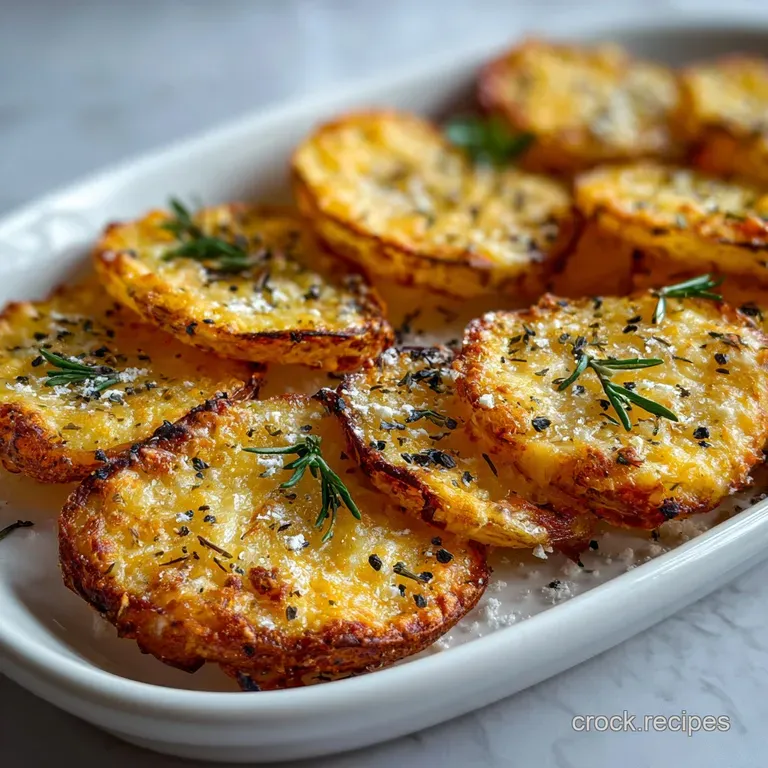
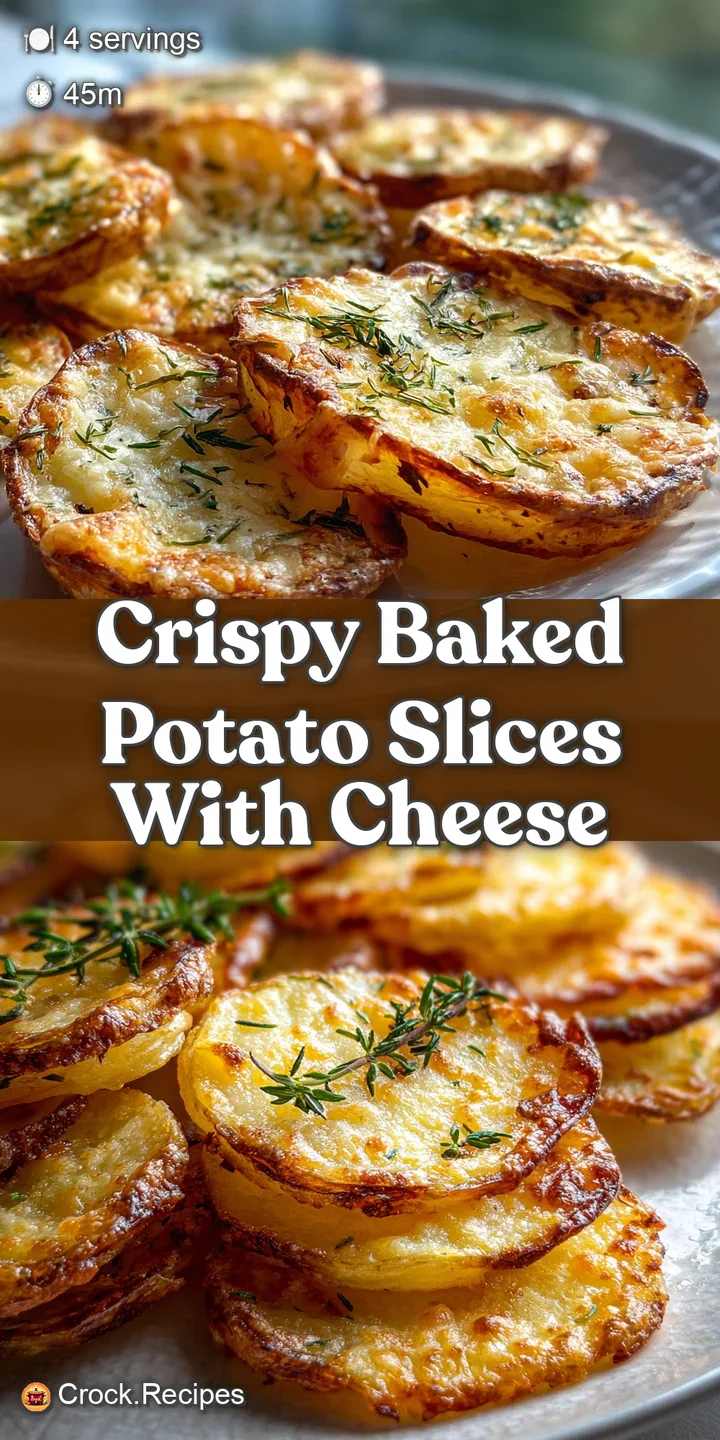
- Time: Active 15 minutes, Passive 30 minutes, Total 45 minutes
- Flavor/Texture Hook: A shatter crisp potato shell topped with velvety molten cheddar and smoky bacon bits.
- Perfect for: A hearty game day appetizer or a satisfying weeknight side dish.
- Master the Perfect Crispy Baked Potato Slices with Cheese
- Why You'll Love This Hearty Contrast of Textures
- The Essential Specs for a Satisfying Side Dish
- A Deep Component Analysis of Our Flavor Elements
- Selecting the Best Gear for Maximum Starch Crunch
- A Foolproof Guide to Achieving the Ultimate Golden Crisp
- Navigating Common Texture Pitfalls and Temperature Mishaps
- Strategies for Adjusting Batch Sizes
- Creative Ways to Tailor These Slices to Your Palate
- The Physics of the Starch Shatter
- Guidelines for Maintaining That Satisfying Crunch Over Time
- Hearty Pairings to Complete Your Comfort Food Experience
- High in Sodium ⚠️
- Recipe FAQs
- 📝 Recipe Card
Master the Perfect Crispy Baked Potato Slices with Cheese
The first time I tried making these, I ended up with a tray of sad, limp potato circles that had more in common with wet cardboard than actual food. I was hosting a small get together and the "sizzle" I promised my friends was actually just the sound of my ego deflating.
I realized I was treating the potato like a vegetable when I should have been treating it like a science project.
Everything changed when I stopped rushing the process. Now, when I pull these out of the oven, the sound of the spatula hitting that golden crust is a literal symphony. The aroma of toasted garlic and sharp cheddar hits you the second the oven door swings open, filling the kitchen with that specific, hearty scent of pure comfort.
Trust me, once you see that cheese bubbling and the edges of the potatoes turning a deep, nutty brown, you'll never go back to the frozen bag stuff.
We are going for a specific contrast here: a shell that offers a distinct "shatter" when you bite into it, followed by the rich, velvety pull of high-quality cheddar. It is about taking basic pantry staples and using heat to create something fundamentally satisfying.
Let's get into how we actually make that happen without the soggy heartbreak.
Why You'll Love This Hearty Contrast of Textures
- Surface Dehydration: By roasting at high heat, we drive moisture out of the exterior cells, creating a rigid, starchy lattice that provides a massive crunch.
- Starch Gelatinization: The internal moisture boils inside the slice, softening the starch granules into a fluffy, mashed potato like consistency.
- Maillard Magic: The combination of olive oil and garlic powder undergoes a browning reaction that creates deep, savory flavor profiles.
- Fat Emulsification: The sharp cheddar melts into the cracks of the potato rather than sliding off, thanks to the rough surface of the pre roasted slices.
| Cooking Method | Total Time | Resulting Texture | Best For |
|---|---|---|---|
| Classic Oven Bake | 45 minutes | Shatter crisp edges | Pure comfort snacking |
| Air Fryer Method | 25 minutes | Uniformly dry crisp | Quick solo lunches |
| Stovetop Frying | 20 minutes | Oily and heavy | Maximum decadence |
Choosing the right method depends on your patience. While the air fryer is fast, the oven bake allows the flavors of the bacon and garlic to penetrate the potato more deeply. This creates a more cohesive, satisfying bite that feels like a real meal.
The Essential Specs for a Satisfying Side Dish
Before we start slicing, we need to talk about the "specs" that make or break this dish. We are using 4 Large Russet Potatoes, which is roughly 2 lbs of starch. This isn't just a random choice; Russets have the high starch to water ratio required for that signature fluffiness.
If you try this with waxy red potatoes, they'll stay firm and soapy rather than getting that crumbly interior we crave.
The timing is non negotiable. We are looking at a 15 minute prep to get your slices uniform and a 30 minute bake. If you pull them out even 5 minutes early, you lose that structural integrity that allows the slice to hold up the weight of the 1.5 Cups of Sharp Cheddar and the 1/2 Cup of crumbled bacon.
A Deep Component Analysis of Our Flavor Elements
| Ingredient | Science Role | Pro Secret |
|---|---|---|
| Russet Potatoes | High amylose starch for maximum crisping | Slice them exactly 1/4 inch for even heat flow |
| Extra Virgin Olive Oil | Conducts heat and prevents sticking | Don't skimp; every millimeter of surface needs a coat |
| Sharp Cheddar | Adds fat and salt for flavor balance | Grate it yourself to avoid the powdery anti clumping starch |
| Garlic Powder | Provides savory base notes | Use powder over fresh to prevent burning at 400°F |
Selecting the Best Gear for Maximum Starch Crunch
The hero of this process is actually a large, rimmed baking sheet. You want something heavy duty that won't warp in a hot oven. If the pan twists, the oil pools in one corner, leaving half your potatoes to steam while the others fry.
I usually reach for my half sheet pans because they provide enough real estate so the potatoes don't overlap. Overlapping is the enemy of the crunch.
You also need a sharp chef's knife or a mandoline. If your slices are uneven, the thin ones will burn into ash while the thick ones stay raw in the middle. If you're using a mandoline, please use the guard I’ve seen enough kitchen accidents to last a lifetime.
Finally, a thin metal spatula is better than a silicone one here; you need to be able to get under that starch crust and flip it without tearing the potato apart.
A Foolproof Guide to Achieving the Ultimate Golden Crisp
- Prep the Oven. Preheat your oven to 400°F (200°C). Note: A hot oven is critical for immediate moisture evaporation.
- Slice the Potatoes. Cut 4 Large Russet Potatoes into 1/4 inch rounds. Keep them uniform so they finish at the same time.
- Dry the Rounds. Pat the slices with a paper towel. Note: Surface moisture creates steam, which is the enemy of a shatter crisp crust.
- Toss with Oil. In a large bowl, combine the potatoes with 3 tbsp Extra Virgin Olive Oil. Ensure every slice is glossy.
- Season Heavily. Add 1 tsp Sea Salt, 1/2 tsp Cracked Black Pepper, and 1/2 tsp Garlic Powder to the bowl and toss again.
- Arrange the Tray. Place slices in a single layer on the baking sheet. Space them out so they don't touch.
- Initial Roast. Bake for 20 minutes until the bottoms are golden and the edges start to curl.
- The Flip. Carefully flip each slice with a metal spatula. Bake for another 5 minutes until both sides are browned.
- Add the Toppings. Sprinkle 1.5 Cups Sharp Cheddar and 1/2 Cup Cooked Crumbled Bacon over the slices.
- Final Melt. Return to the oven for 3 to 5 minutes until the cheese is bubbling and molten.
- Garnish and Serve. Top with 2 finely sliced Green Onions while the cheese is still hot.
Navigating Common Texture Pitfalls and Temperature Mishaps
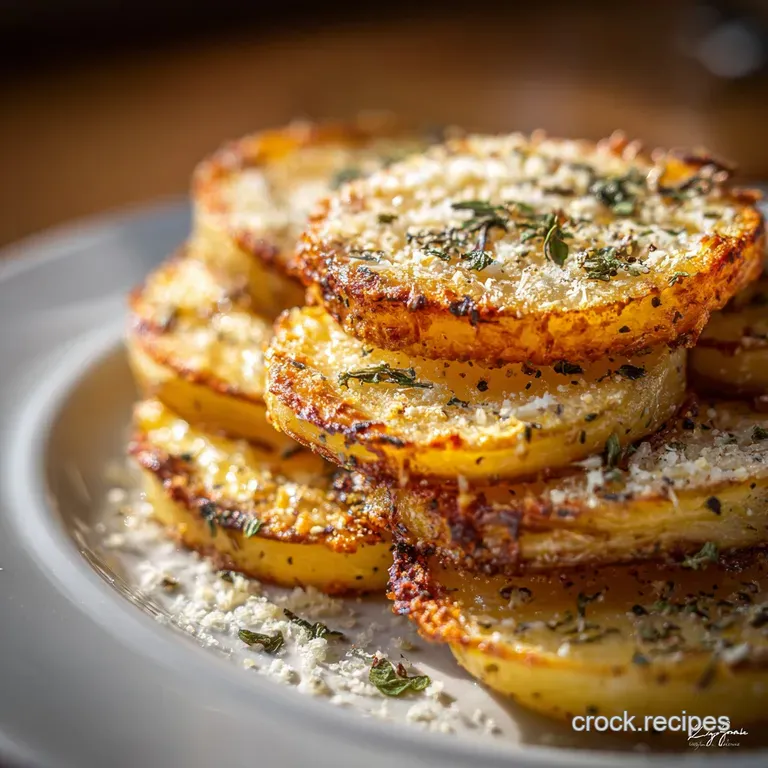
The Reason Your Slices Stay Soft
This usually happens because the oven wasn't hot enough or you overcrowded the pan. When potatoes are too close together, they release steam that gets trapped between them. Instead of roasting, they end up steaming in their own juices. Give them at least a half inch of breathing room.
It might mean using two pans, but it's the difference between a soggy mess and a satisfying crunch.
Dealing with Cheese Separation
If you notice a pool of oil on top of your potatoes, your cheese likely got too hot or you used pre shredded cheese. Pre shredded varieties are coated in potato starch or cellulose, which can prevent a smooth melt and lead to a greasy, broken sauce.
Stick to block cheddar and grate it fresh for that velvety, stretchy finish.
| Problem | Root Cause | Solution |
|---|---|---|
| Slices sticking to pan | Not enough oil or pan wasn't clean | Use a full 3 tbsp oil and a thin metal spatula |
| Burnt garlic flavor | Fresh garlic used instead of powder | Only use powder for over high heat roasting over 20 minutes |
| Uneven browning | Slices vary in thickness | Use a mandoline for 1/4 inch precision |
Common Mistakes Checklist
- ✓ Never soak these potatoes in water before baking; we want to keep the surface starch intact for browning.
- ✓ Avoid using parchment paper if you want maximum crunch the direct contact with the metal pan is what fries the bottom.
- ✓ Don't skip the "pat dry" step, even if the potatoes look dry after slicing.
- ✓ Check your oven temp with an external thermometer; many ovens run 25 degrees cold.
- ✓ Ensure the bacon is already crispy before adding it to the cheese, as it won't crisp further under the cheese layer.
Strategies for Adjusting Batch Sizes
When you need to feed a crowd, scaling this recipe isn't as simple as just doubling everything. If you move from 4 potatoes to 8, you cannot just pile them on one tray. You must use multiple baking sheets and rotate them halfway through. Heat rises, so the top tray will always brown faster than the bottom one.
Switching their positions ensures they both hit that golden brown stage simultaneously.
For a smaller solo portion, you can drop down to 1 large potato and a few tablespoons of cheese. The cook time remains largely the same because the thickness of the individual slice dictates the heat penetration, not the total volume on the tray.
Just keep an eye on them at the 15 minute mark, as a less crowded pan allows for more airflow and faster dehydration.
Creative Ways to Tailor These Slices to Your Palate
If you're looking for a different vibe, you can easily swap the flavor profile. For a Mediterranean spin, use feta and dried oregano instead of cheddar and bacon. If you want something more like a Baked Tortellini Cheese recipe, you could even top these with a dollop of marinara and mozzarella for a "pizza potato" hybrid.
| Original Ingredient | Substitute | Why It Works |
|---|---|---|
| Sharp Cheddar | Smoked Gouda | Higher fat content with a deep, wood fired aroma |
| Bacon | Smoked Paprika Chickpeas | Adds crunch and smoky flavor for a vegetarian option |
| EVOO | Duck Fat | Higher smoke point and incredibly rich, savory undertones |
The Physics of the Starch Shatter
Retrogradation Control: By roasting the potatoes immediately after slicing, we prevent the starch from crystallizing, keeping the inside soft. Vapor Pressure: The high heat creates internal steam that puffs the skin slightly away from the flesh, creating tiny air pockets for maximum crunch.
Guidelines for Maintaining That Satisfying Crunch Over Time
Let's be real: fried or roasted potatoes are best eaten immediately. However, if you have leftovers, do not put them in the microwave. The microwave vibrates water molecules, which will turn your crispy crust into a rubbery nightmare. Instead, store them in an airtight container in the fridge for up to 3 days.
To reheat, toss them back onto a baking sheet in a 400°F oven for about 8 minutes. This re dehydrates the surface and gets the cheese bubbly again. For zero waste, any leftover broken pieces can be chopped up and tossed into a breakfast hash the next morning. If you're looking for a more refined potato experience for a formal dinner, you might prefer the technique found in an Au Gratin Potatoes recipe, but for pure snacking, these slices reign supreme.
Hearty Pairings to Complete Your Comfort Food Experience
These slices are heavy and rich, so they love a partner that brings a bit of acid or freshness to the table. A simple side salad with a lemon vinaigrette works wonders to cut through the fat of the cheddar and bacon.
If you're serving these as a main "loaded" snack, a side of sour cream mixed with a little hot sauce provides a cool, tangy contrast to the hot, salty potatoes.
Debunking Starch Myths
One common myth is that you must soak potatoes to make them crispy. While that works for deep frying fries to remove excess sugar, for oven roasting slices, you actually want that surface starch.
It acts as a natural glue for the oil and seasonings, creating a thick, crusty exterior that wouldn't form if you washed the starch away.
Another misconception is that more oil equals more crisp. In reality, too much oil will just pool on the pan and soak into the potato, making it greasy rather than crunchy. You only need enough to create a thin, shimmering coat on each slice.
The 3 tbsp called for in the recipe is the "sweet spot" for 2 lbs of potatoes.
The Flavor Map
- Base: Earthy, toasted starch.
- Topping: Salty, sharp, and smoky.
- Finish: Bright, sharp onion bite.
- Texture: The "shatter" followed by a "fluff."
High in Sodium ⚠️
1075 mg mg of sodium per serving (47% % of daily value)
The American Heart Association recommends limiting sodium intake to no more than 2,300mg per day.
Sodium Reduction Tips for Scalloped Potatoes:
-
Reduce Bacon-25%
Bacon is a significant source of sodium. Halving the amount of bacon or using a low-sodium bacon variety can substantially decrease the sodium content. Consider replacing half with sauteed mushrooms for a similar savory flavor. Reduction: Up to 25%
-
Low-Sodium Cheese-15%
Cheddar cheese contributes a large portion of the sodium. Opt for a naturally lower sodium cheese like Swiss or reduce the cheese by 1/4 and use a stronger flavored cheddar so you still get great flavor without the salt. Reduction: Up to 15%
-
Reduce Added Salt-12%
Reducing the amount of added sea salt by half will significantly lower the overall sodium content. Taste as you cook and adjust to your preference. Reduction: Up to 12%
-
Increase Vegetables-8%
Adding more fresh vegetables like onions, peppers, or mushrooms can enhance the flavor and texture of the dish without adding sodium. Saute them with garlic powder and pepper for extra flavor! Reduction: Up to 8%
-
Flavor with Herbs
Enhance the flavor with fresh or dried herbs and spices like thyme, rosemary, or paprika. These add depth of flavor without adding any sodium. Reduction: 0%
Recipe FAQs
Must I use Russet potatoes for the best crunch?
Yes, Russets are highly recommended. Their high starch-to-moisture ratio allows the exterior to dehydrate completely while the interior becomes fluffy.
How to avoid soggy potato slices when baking?
Ensure slices are completely dry and spaced out on the pan. Excess surface moisture turns into steam, preventing the high heat dehydration required for crispness.
Is it true that I must soak the potatoes to remove starch for crispness?
No, this is a common misconception for oven roasting. Soaking removes surface starch, which you need here to help the oil and seasonings adhere for a solid crust.
What is the ideal thickness for slicing the potatoes?
Slice the potatoes to exactly 1/4 inch thickness. This uniformity ensures all slices cook through at the same rate, preventing thin edges from burning while thick centers remain raw.
How do I reheat leftovers while keeping the slices crispy?
Return them to a 400°F oven for about 8 minutes. Avoid the microwave entirely, as it causes moisture retention, turning the crispy crust rubbery.
Can I substitute the cheddar cheese with a vegan alternative?
Yes, but results will vary based on the vegan blend's fat and moisture content. If you enjoyed mastering the oil emulsification technique here, apply similar concepts of high fat content when selecting a vegan substitute to aid melting.
How long should the initial bake time be before flipping the slices?
Bake for 20 minutes before flipping. This initial high heat exposure is necessary to set the exterior structure before you add the weight of the cheese topping.
Crispy Potato Slices With Cheese
Ingredients:
Instructions:
Nutrition Facts:
| Calories | 517 kcal |
|---|---|
| Protein | 19.7 g |
| Fat | 30.5 g |
| Carbs | 41.6 g |
| Fiber | 3.2 g |
| Sugar | 1.8 g |
| Sodium | 1075 mg |
