Double Egg Yolk Vanilla Bean Tartlets Recipe
- Mastering the Crème Pâtissière: The Secret to Silky Custard Perfection
- The Culinary Science of Extreme Richness: Texture and Colour
- Essential Components for Golden Tartlets: Ingredients & Sourcing
- Step-by-Step Method: Assembling Your Double-Yolk Vanilla Masterpiece
- Troubleshooting and Expert Advice: Ensuring a Flawless Tartlet
- Preparation and Preservation: Making Tartlets Ahead of Time
- Elevating the Experience: Perfect Pairings and Garnish Ideas
- Recipe FAQs
- 📝 Recipe Card
Mastering the Crème Pâtissière: The Secret to Silky Custard Perfection
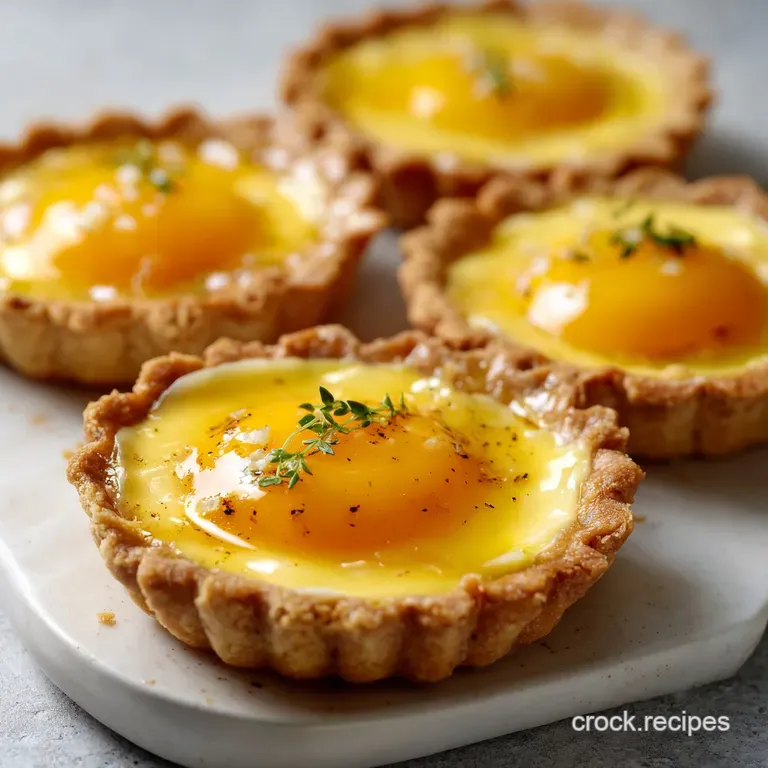
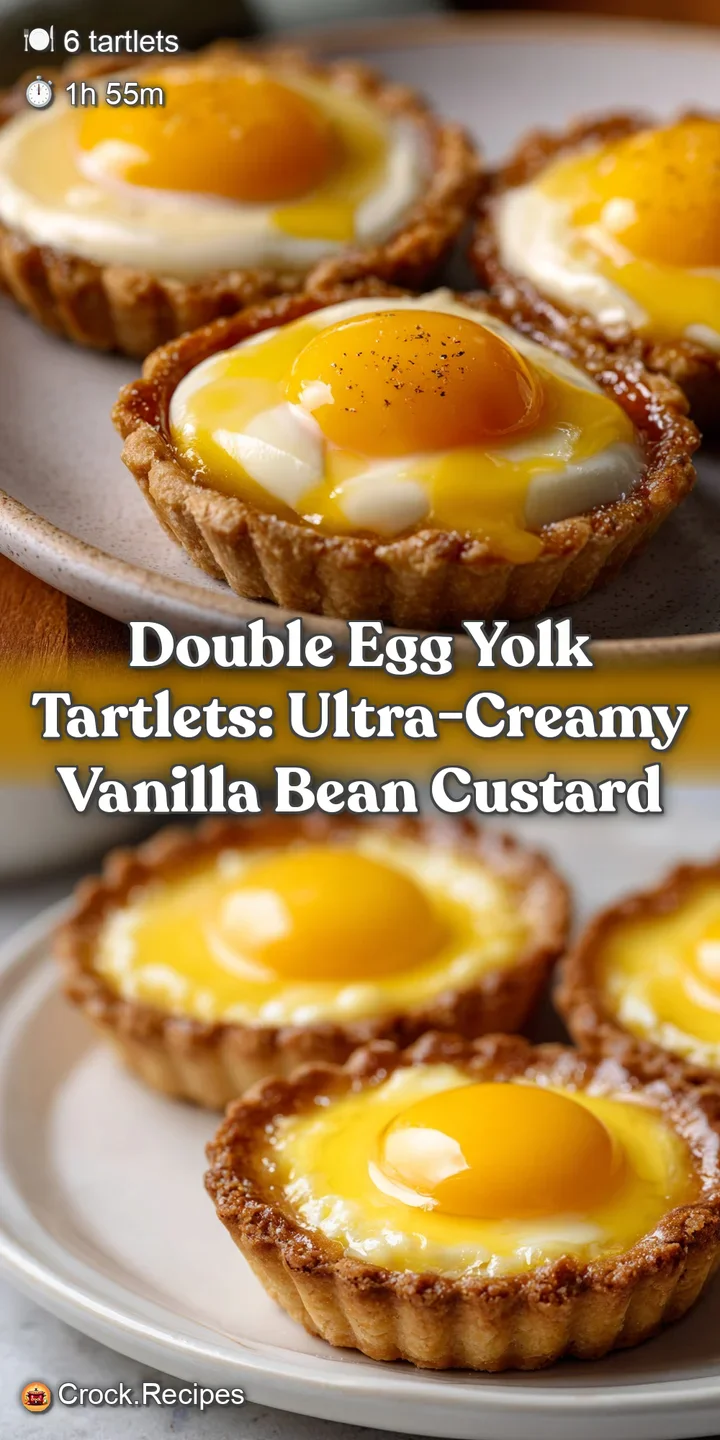
Can we just talk about the colour for a second? That deep, gorgeous golden hue of a truly excellent custard tart. When you achieve that perfect shade and texture, the aroma of real vanilla hits you, and you know you’re in for something special. This isn't just baking; it's therapy.
I swear by this Double Egg Yolk tart recipe, and soon, you will too.
Honestly, this recipe is a total lifesaver for when you need a dessert that looks fancy but uses staple ingredients you probably already have. Eggs, milk, sugar, flour that’s basically it!
It’s inexpensive, but because we’re doubling down on the best part (the yolks!), the final result tastes exponentially richer than any standard recipe. It's the ultimate kitchen hack for luxury on a budget.
So, grab your apron, chill that butter, and let’s dive into the glorious specifics of how to achieve that signature wobbly set and deeply satisfying flavor that only a true Double Egg Yolk custard can deliver. Trust me, the extra step of careful tempering is worth the payoff here.
The Culinary Science of Extreme Richness: Texture and Colour
I once tried to make a rich custard by just adding more heavy cream. It was fine, but it was heavy . The genius of the "double yolk" method is that we are adding pure emulsifier and protein without drowning the flavor in excess liquid fat. It’s all about balance and structure.
The History and Elegance of Classic Tartlets
Custard tartlets are foundational in patisserie for a reason. They represent simple ingredients elevated through meticulous technique. While many modern recipes rely on whole eggs for stability, the classic French crème pâtissière focuses almost entirely on the yolk.
This approach creates a superior mouthfeel that is velvety, not rubbery.
What Makes a High Yolk Custard Superior?
Fat, protein, and lecithin. That trio is why the yolk is the king of culinary emulsification. Using a high concentration, like in this Double Egg Yolk recipe, gives the custard unparalleled richness, ensuring it sets firm enough to slice but remains impossibly smooth on the tongue.
It minimizes the amount of liquid white protein, which can lead to a chewy texture if overcooked.
Demystifying the "Double Yolk" Technique in Baking
The standard ratio usually calls for 6 yolks per 500ml of milk. We are using a whopping 12 large yolks here, creating a true Double Egg Yolk concentration. This is what transforms a standard vanilla filling into something profoundly dense, golden, and almost fudge like when properly chilled.
Yes, separating 12 yolks feels like a marathon, but the results speak for themselves.
Achieving the Perfect Wobbly Set: Yolk Protein Ratios
The high double egg yolk protein content means the custard sets much more easily and reliably. When the proteins coagulate during baking, they form a tight net, trapping the fat and moisture.
When we pull the tartlets out of the oven, we want that tiny, telltale wobble in the center; that tells us the edges are set and the residual heat will finish the cooking without causing cracks.
The Maillard Reaction and Deep Golden Colouring
Why do these tartlets look so deeply golden? It's not just the vanilla. The high concentration of sugar and protein (from the Double Egg Yolk ) encourages the Maillard reaction, even at lower baking temperatures.
This creates a beautiful, caramelized top edge and an intense depth of colour throughout the filling.
Optimizing Vanilla Extraction for Dessert Depth
Vanilla is key here, especially when the main flavor driver is the rich egg. I insist on using a real vanilla bean or a quality paste. Scrape those little black specks out and let them truly infuse the warm milk for 10 minutes.
This little pause pulls all that complex, heady fragrance out, ensuring your double yolk vanilla tart tastes expensive.
Essential Components for Golden Tartlets: Ingredients & Sourcing
Don't skimp on quality when you only have a few ingredients! Because the Double Egg Yolk is the star, everything else needs to support that richness. I am serious about cold butter and full fat milk no cheating here!
Selecting the Best Pastry Base: Shortcrust vs. Pâte Sablée
For this recipe, we use a Pâte Sablée (Sweet Shortcrust). Why? Because it’s enriched with an extra egg yolk itself and has a higher sugar content. This ensures it bakes up incredibly crisp, almost cookie like, providing the perfect brittle contrast to the silky smooth, rich filling.
The Role of High Fat Dairy in Velvetizing the Filling
Use whole milk. Seriously, this is non-negotiable. The extra fat content in full fat milk contributes directly to the velvet texture of the finished custard. Skim milk will make your custard taste watery and grainy. We want that luxurious mouthfeel only high fat dairy can provide.
Sourcing Premium Vanilla: Beans, Paste, or Extract?
| Ingredient | Preference | Substitution/Tip |
|---|---|---|
| Vanilla Bean | Mandatory for best flavor | Substitute: 2 tsp high-quality vanilla bean paste. Avoid thin extracts; they won't stand up to the richness. |
| Whole Milk | Mandatory (Full Fat) | Substitute: You can use 1 cup of heavy cream mixed with 1 cup of 2% milk if whole milk is unavailable. |
| Cornflour (Corn Starch) | Best thickener for shine | Substitute: Use 3 tbsp of All-Purpose Flour, but expect a slightly cloudier, less shiny finish. |
| Caster Sugar | Required for Pastry | Substitute: Regular granulated sugar is fine if pulsed briefly in a food processor to make it finer. |
| Pastry Butter | Chilled Unsalted Butter | Substitute: Salted butter is okay, just omit the 1/4 tsp of added salt in the pastry dough. |
Adjusting Sweetness Levels for a Balanced Finish
I've kept the sugar in the custard moderate, knowing the richness of the Double Egg Yolk will carry the weight of the flavor. If you prefer a less intense sweetness, you can reduce the granulated sugar by 10 15g, but I wouldn't go lower than that, as sugar helps stabilize the final set.
step-by-step Method: Assembling Your Double Yolk Vanilla Masterpiece
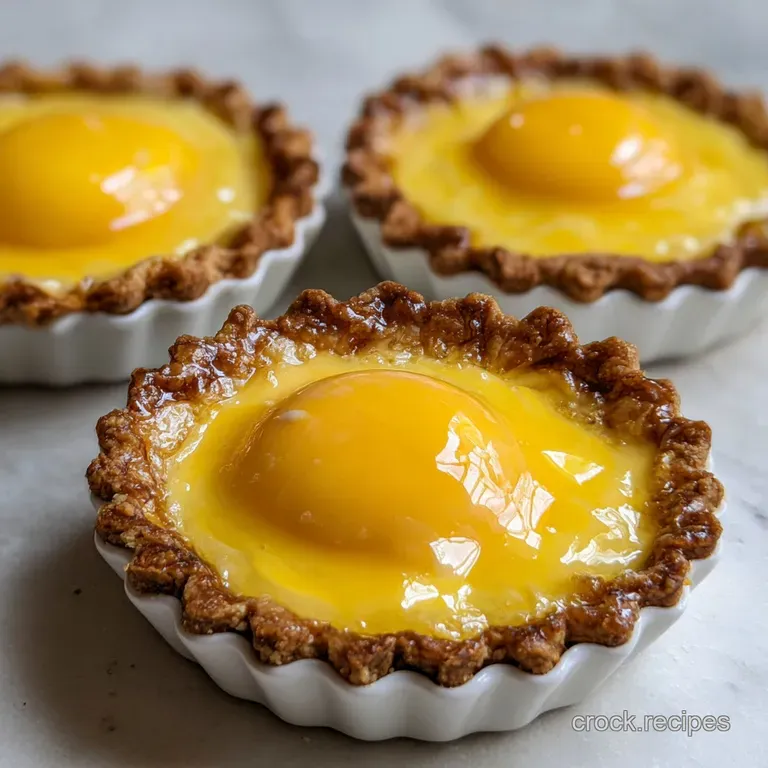
Let's crack on with the instructions. Follow these steps meticulously, especially the chilling times!
Preparing the Shortcrust: Blind Baking for a Flaky Base
The number one mistake people make is not chilling the pastry enough. You combine the flour and cold butter, then add the single egg yolk this makes the dough tender. Once you form the disc, chill it for at least 60 minutes.
Roll it thin. Line your tins and then, crucial tip: prick the base all over with a fork (docking). Then, chill again for 15 minutes before blind baking. This prevents shrinkage. Bake until the dough is bone dry and your kitchen smells deliciously buttery.
Tempering the Egg Mixture Safely and Effectively
This is the only tricky part because we have so many yolks! Mix your 12 Double Egg Yolk yolks with the sugar and cornflour until it's light and thick like heavy cream. This blanchir stage is vital; it coats the yolks in starch, helping protect them from the heat.
Heat the vanilla infused milk until steaming. Now, listen up: grab a ladle and slowly stream the hot milk into the yolk mixture while you whisk aggressively. I mean, truly vigorously, like you’re trying to win an arm wrestling match.
Once about a third of the milk is incorporated, pour the tempered mixture back into the main saucepan of remaining milk. You’ve successfully raised the temperature of the delicate yolks without scrambling them!
The Critical Baking Stage: Heat Control and Monitoring the Set
Whisk the custard constantly over medium low heat. It will go from liquid to thick almost instantaneously when the cornflour hits its temperature threshold. Cook it for two minutes once it starts bubbling to ensure that starchy, raw flavor is gone. Then, whisk in the cold cubes of butter for extra richness and shine.
Chef's Note: If you want that perfect mirror smooth filling, pour the hot custard through a fine mesh sieve into your bowl before filling the tart shells. It’s an extra step, but it catches any stray egg fragments or stubborn vanilla seeds.
Fill your blind baked shells and place them immediately into the preheated 160°C (325°F) oven. Bake until they have that distinct, jiggly wobble in the centre.
Chilling and Finishing the Custard
This recipe is not complete until it is fully chilled. The proteins need time to relax and fully set that dense, Double Egg Yolk filling. Chill for a minimum of 4 hours, or ideally overnight.
Once fully set, you can gently remove them from the tins and dust them with a cloud of icing sugar right before serving.
Troubleshooting and Expert Advice: Ensuring a Flawless Tartlet
I've been there custard looks scrambled, or the base is still soggy. Here’s how you fix (and prevent) the most common mishaps associated with high yolk baking.
Preventing a Runny Filling: The Cornstarch/Flour Balance
A runny filling almost always means the starch wasn't fully cooked. If you used cornflour, you must let it boil gently for at least 60 seconds after it thickens. Cornflour doesn’t achieve its full thickening power until it hits a rolling boil.
If your filling seems too thin before baking, fear not! The final oven bake will help stabilize the Double Egg Yolk custard , setting that delicate structure.
Avoiding Over Browning or Cracked Custard Tops
If your oven runs hot, you might notice the edges browning too fast or the surface cracking. This means the water in the custard is evaporating too quickly. Ensure your oven is reduced to 160°C (325°F). If cracking occurs, you’ve over baked it. Remember the wobble test!
The Importance of Sifting: Achieving an Ultra Smooth Finish
If you skipped the sifting step after cooking, you might have tiny, barely perceptible cooked bits of egg in your custard. While fine mesh straining is optional, it is the only way to guarantee the truly velvet texture this Double Egg Yolk recipe promises.
Preparation and Preservation: Making Tartlets Ahead of Time
But does it freeze well? You bet, partially. These double yolk vanilla tart beauties are best served within 2 days of baking, but you can definitely get a head start.
Optimal Refrigeration Times for Set and Flavour Development
Once baked, the tartlets will last for 3 to 4 days stored loosely covered in the refrigerator. The flavor, surprisingly, deepens on Day 2. The chilled air allows the fat and protein from the Double Egg Yolk to stabilize completely, making the texture firm and perfect.
Freezing Unbaked vs. Baked Pastry Shells
I recommend freezing the unbaked pastry shells only. Line the tins, prick them, and freeze them solid. Once solid, pop the shells out of the tins and store them in an airtight container for up to 2 months. Bake them from frozen, adding an extra 5 minutes to the blind baking time.
I do not recommend freezing the finished custard tartlets, as freezing and thawing alters the texture, making the custard slightly grainy.
Reviving and Serving Day-Old Tartlets
If you need to revive day-old tarts, simply pull them out of the fridge about 30 minutes before serving. That brief moment at room temperature softens the butter in the crust and allows the full vanilla aroma to bloom. Serve them cold, never warm, for the best result.
Elevating the Experience: Perfect Pairings and Garnish Ideas
Because this is such a rich dessert, your pairing should offer a clean, sharp contrast.
Elevating the Experience: Perfect Pairings and Garnish Ideas
We need something to cut through the incredible richness delivered by the Double Egg Yolk . I love serving these with a few sharp raspberries or a side dollop of lightly sweetened crème fraîche. If you want a savory component to precede this decadent finish, sometimes I'll make a batch of my LowCarb Egg Muffins: Easy Keto Breakfast Cups (Spinach Feta) earlier in the day it’s a great way to use up any leftover egg whites from separating the yolks!
For the truly obsessed, why not try grating a tiny bit of my Cured Egg Yolk: The Ultimate Umami Dust Recipe for Grating over the top right before serving? It sounds crazy, but the salty, savory dust adds an incredible complexity to the sweet richness. That's a true double eggs yolk experience!
This Double Egg Yolk recipe is truly the golden standard for custard tarts. It’s deep, luxurious, and completely unforgettable. Happy baking, friends!
Recipe FAQs
Why did my double yolk custard filling seize or become gritty?
This is usually a sign of overheating, especially if the eggs were not tempered properly or the custard was cooked too aggressively. Ensure you temper the yolks slowly by whisking in a small amount of hot milk first, then continue stirring constantly over medium low heat until the custard thickens to the nappé stage (coating the back of a spoon).
If it still seems gritty after thickening, pass it through a fine mesh sieve immediately after removing it from the heat to restore smoothness.
Can I use whole eggs instead of just the yolks for the custard base?
While you technically could, using whole eggs will drastically alter the texture and richness that this specific recipe aims for. The high ratio of fat from the double yolks provides the custard’s signature deep golden color and unbelievably silky, melt-in-your mouth texture.
Substituting whole eggs results in a much lighter filling with less body that will set differently when baked.
How do I prevent the shortcrust pastry from getting soggy underneath the filling?
The key to preventing a soggy bottom is proper blind baking; ensure your pastry shells are fully baked and golden brown before adding the liquid filling. An excellent extra layer of protection involves brushing the base of the pre-baked shell with a thin coat of melted egg white or cocoa butter.
Then, return it to the oven for 30 seconds to seal the pores of the pastry before pouring in the custard.
How far in advance can I prepare and bake these tartlets?
You can bake the empty tart shells (pâté sucrée) up to two days in advance and store them at room temperature in an airtight container. Once the rich custard filling is added and baked, the tartlets are best consumed within 24 hours to ensure the pastry remains crisp.
Store the finished, cooled tarts covered in the refrigerator.
Can I substitute vanilla extract for the vanilla bean?
Yes, you can certainly substitute high-quality vanilla extract, but the flavour profile will not be as complex or intensely aromatic as using a fresh bean. Use 1 teaspoon of extract for every full vanilla bean specified in the recipe.
If substituting, remember to add the extract after the custard has finished cooking and has been removed from the heat, as cooking the extract will cause the delicate flavour to burn off.
Can I freeze the finished Double Yolk Vanilla Bean Tartlets?
It is generally not recommended to freeze custard filled tarts, especially those thickened primarily with egg yolks and starches. Upon thawing, the delicate structure of the custard tends to break down and weep moisture, resulting in a grainy, watery texture and a severely soggy crust.
The unbaked pastry dough, however, can be frozen successfully wrapped tightly for up to three months.
What is the benefit of chilling the pastry dough twice (before rolling and after lining the tins)?
Chilling the dough is essential because it allows the gluten strands, which develop during mixing, to relax, preventing the dough from shrinking excessively during baking. The second chill, after lining the tins, helps solidify the fat (butter), ensuring the pastry holds its shape beautifully and results in a flakier, crisper crust.
Double Yolk Vanilla Tartlets
Ingredients:
Instructions:
Nutrition Facts:
| Calories | 425 kcal |
|---|---|
| Fat | 30 g |
| Fiber | 1 g |
