Summer Sunshine Cobbler Tangy Apricots Under a Golden Buttery Biscuit Topping
- Why This Crumbly Crown Outshines Traditional Pie Crusts
- The Comfort Baking Philosophy Behind Our Apricot Cobbler
- Sourcing the Star: Selecting Peak Fresh Apricots
- Assembling the Components: What You Need for Perfection
- Phase One: Crafting the Jewel-Toned Apricot Base
- Phase Two: Achieving Peak Rise and Golden Edges on Your Cobbler
- Elevating Your Serve: Pairings and Presentation Ideas
- Storage Secrets and Reheating for Next-Day Enjoyment
- Recipe FAQs
- 📝 Recipe Card
Why This Crumbly Crown Outshines Traditional Pie Crusts
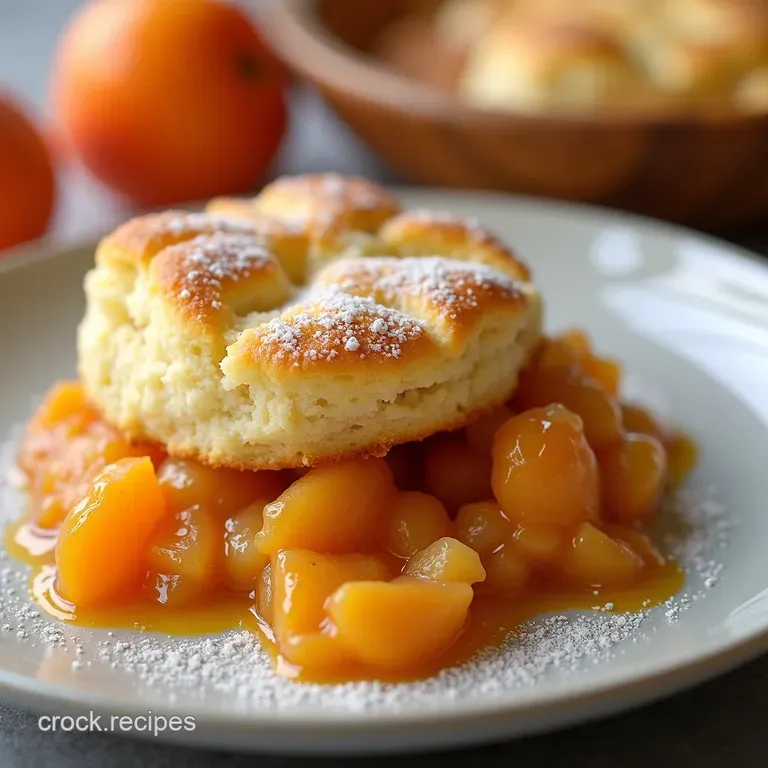
When you crave a rustic, deeply satisfying fruit dessert, the choice often comes down to pie versus cobbler. While a traditional double crust pie offers elegance, our Apricot Cobbler Recipe triumphs in its simplicity and textural contrast.
A pie crust requires careful chilling, rolling, and meticulous sealing, often leading to anxiety over soggy bottoms or shrinking edges. This cobbler, however, features a topping that bakes up light, fluffy, and slightly biscuit like.
It’s designed to absorb some of those magnificent fruit juices while maintaining structural integrity on top. This "Crumbly Crown" delivers that perfect, buttery bite that perfectly complements the tender, tart fruit beneath, making it the superior choice for honest, comforting baking.
The Comfort Baking Philosophy Behind Our Apricot Cobbler
There is a profound joy in baking something that doesn't demand perfection; baking that tastes like home, irrespective of how perfectly uniform the edges are. This dessert embraces that philosophy wholeheartedly.
It is inherently forgiving, designed to highlight the seasonal beauty of the fruit rather than focusing on intricate pastry work. The goal here is maximal flavour with minimal fuss, resulting in what many consider the Best Apricot Cobbler they’ve ever tasted.
Decoding the 'Cobbler Effect': Rustic vs. Refined Desserts
The "cobbler effect" is all about texture. Unlike a crisp, which relies on a crunchy oat topping, or a crumble, which offers a granular streusel, a cobbler utilizes a drop biscuit or spooned batter topping. This results in a structure that cooks into distinct, golden pillows scattered across the fruit.
This inherent rustic nature means you simply spoon the dough over the prepared fruit in your baking dish no rolling pin required. This simplicity is why this Easy Apricot Cobbler is perfect for bakers of all skill levels looking for a rewarding bake.
What Makes This Apricot Filling Unforgettable (Hint: It's the Tartness)
The magic of stone fruit desserts often lies in balancing sweetness with a necessary tang. For this recipe, we rely on Apricot Cobbler with Fresh Apricots when they are perfectly ripe firm, slightly tangy, and fragrant.
We use a modest amount of sugar, relying on cornstarch as our primary thickener to capture the vibrant, slightly acidic juices released during baking. A crucial flavour enhancer in our filling is a whisper of pure almond extract; this deepens the natural stone fruit essence beautifully, elevating the entire profile beyond simple sweetness.
Essential Tools for Effortless Cobbler Assembly
Fortunately, you won't need specialized equipment for this bake. The primary tools are standard kitchen staples. You will need a 9x13 inch or deep 9 inch baking dish to hold the fruit base.
For the topping, a large mixing bowl is essential, along with either a pastry blender or simply two knives (or your fingertips) to "cut in" the cold butter. Success hinges on keeping that butter cold, ensuring the topping achieves maximum lift during the bake.
Sourcing the Star: Selecting Peak Fresh Apricots
Since this is an Apricot Cobbler with Fresh Apricots , the quality of the fruit dictates the final result. Look for fruit that yields slightly to gentle pressure but isn't mushy. The colour should be a deep orange gold, indicating ripeness and sweetness.
If you find them slightly under ripe, don't worry; the inherent tartness will shine through beautifully once baked with the sugar. Regardless of the stage of ripeness, ensure you wash them thoroughly, halve them, and remove the pits before tossing them with the filling ingredients.
Assembling the Components: What You Need for Perfection
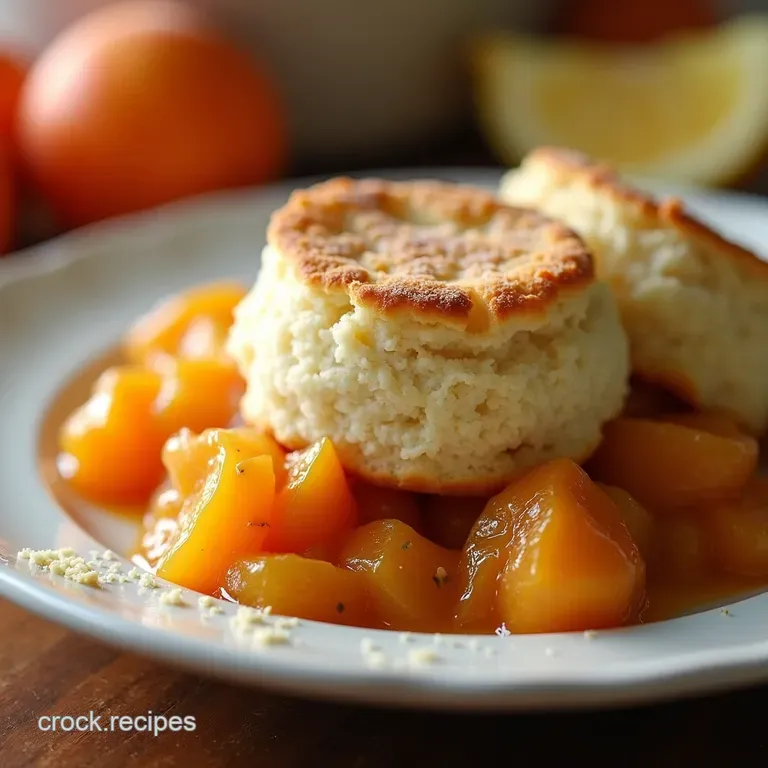
Creating this wonderful dessert involves two distinct stages: preparing the fruit base and mixing the buttery Apricot Cobbler Topping . Gathering all your ingredients beforehand, known as mise en place , ensures a seamless transition between mixing the syrupy fruit and quickly assembling the biscuit dough before the butter warms up.
Perfecting the Biscuit Topping Mix: Flour, Butter, and Leavening Agents
The secret to a magnificent, risen topping lies in the ratio of dry ingredients to fat. We combine 2 cups of all-purpose flour with a good measure of baking powder a full tablespoon to guarantee lift, alongside just a quarter cup of sugar for subtle sweetness.
The fat component is very cold, cubed unsalted butter. This butter must be quickly cut into the dry ingredients until the mixture resembles coarse crumbs. This initial texture traps air, which expands in the oven, creating those desired airy pockets in your Apricot Cobbler Topping .
The Secret Blend of Spices for the Fruit Base
While we don't rely on heavy spices to mask the fruit, the filling requires a carefully curated flavour boost. Besides the cornstarch and lemon juice mentioned earlier, the inclusion of almond extract is transformative.
A mere half teaspoon acts as a magnifying glass for the apricot flavour, giving the filling an almost marzipan like depth that pairs exceptionally well with the buttery topping. A small pinch of salt balances the sweetness, preventing the overall profile from tasting flat.
Substitution Corner: Can You Use Frozen Fruit in This Apricot Cobbler?
While the recipe shines brightest with fresh seasonal fruit, life sometimes requires adaptability. Yes, you absolutely can make this Homemade Apricot Cobbler using frozen apricots. If you opt for frozen, there's no need to thaw them completely.
Simply toss them with the sugar, cornstarch, and flavourings. Be aware that frozen fruit releases more liquid during baking, so you might need to add an extra half tablespoon of cornstarch to the filling mixture to ensure it thickens properly.
Related Recipes Worth Trying
- Super Easy Peach Cobbler 5 Ingredients for Summer Bliss — Whip up a Super Easy Peach Cobbler 5 ingredients is all it takes This simple dessert is bursting with fresh peach flavor perfect for summer nights Get the...
- Golden Apricot Cobbler My Familys Buttermilk Biscuit Recipe — This apricot cobbler recipe is pure comfort Sweet apricots bubble under fluffy buttermilk biscuits An easy dessert perfect for summer Get the recipe
- Dutch Oven Peach Cobbler Easy SouthernStyle Dessert — My Dutch oven peach cobbler recipe is pure Southern comfort Juicy peaches baked under a golden topping perfect for camping or your kitchen Get the easy...
Phase One: Crafting the Jewel Toned Apricot Base
Begin by preheating your oven to 400° F ( 200° C) and lightly greasing your baking dish. In a large bowl, combine the 6 cups of halved, pitted apricots with the granulated sugar, cornstarch, lemon juice, almond extract, and salt.
Gently toss everything together until the fruit pieces are evenly coated with the thickening slurry. Pour this mixture into your prepared dish, ensuring the apricots form a relatively even layer across the bottom. This base is now ready to receive its crown.
Phase Two: Achieving Peak Rise and Golden Edges on Your Cobbler
With the fruit settled, we turn our attention to the topping, which is the signature element of this bake. Remember, speed and coldness are your allies here.
Maceration Magic: Allowing the Sugars to Draw Out Juices
While you are preparing the topping, the sugar in the fruit base is already starting its work, drawing moisture out of the apricots. This initial resting period ensures that when the dish enters the oven, you aren't just waiting for the fruit to break down; you are waiting for the juices to thicken and bubble dramatically.
Mixing the Topping: Keeping it Cold for Optimal Fluffiness
In a separate bowl, whisk the dry topping ingredients flour, sugar, baking powder, and salt. Now, add the very cold, cubed butter. Use a pastry blender or your fingertips to quickly work the butter into the flour until the mixture resembles coarse crumbs, where visible butter pieces are about the size of small peas.
Next, pour in the cup of heavy cream. Use a fork to mix just until a shaggy dough forms. Overmixing will develop gluten, creating a tough, flat topping instead of the light, fluffy biscuits we desire.
The Baking Strategy: Temperature Zones for Uniform Cooking
We start baking at a relatively high temperature— 400° F ( 200° C). This initial heat shock is crucial; it rapidly activates the leavening agents in the topping and helps set the biscuit structure quickly before the fruit underneath releases too much liquid.
After about 15 minutes, if you notice the edges browning very quickly, you can reduce the temperature slightly to 375° F ( 190° C) to ensure the centre cooks through evenly without burning the top.
Testing for Doneness: How to Know When Your Apricot Cobbler is Ready
Don't rely solely on the colour of the topping when determining if your Apricot Cobbler is done. While the biscuit topping should be gorgeously deep golden brown, the true indicator is what’s happening beneath it.
You must see the fruit filling actively and vigorously bubbling up through the gaps in the dough. If it’s only simmering faintly, give it another five to ten minutes. Once cooked, allow it to rest for 15– 20 minutes; this cooling time allows the thickened fruit juices to set slightly, preventing a soupy mess when serving.
Elevating Your Serve: Pairings and Presentation Ideas
Serving this warm, fragrant dessert transforms any meal into a celebration. For a truly show stopping presentation, consider brushing the tops of the biscuits before baking with a little extra cream and sprinkling them with coarse demerara sugar; this provides a gorgeous, crunchy crust contrasting with the soft biscuit underneath.
This baked creation is wonderful on its own, but it truly sings when paired with something cold and creamy.
Storage Secrets and Reheating for Next Day Enjoyment
Leftover Apricot Cobbler keeps remarkably well. Store it covered tightly at room temperature for up to two days, or in the refrigerator for up to four days. If refrigerating, the topping may soften slightly.
To revive it, spread the portion you intend to eat onto a baking sheet and reheat in a 350° F ( 175° C) oven for about 10– 12 minutes until the fruit is hot and the topping feels crisp again.
Five Fantastic Toppings to Complement the Tangy Fruit
While vanilla ice cream is the classic pairing, don't limit yourself. For a tangy balance, a dollop of chilled crème fraîche is superb. Alternatively, a simple drizzle of rich salted caramel sauce adds another layer of complexity.
For a lighter touch, whipped cream infused with a tiny splash of Grand Marnier pairs beautifully. Those looking for a healthier twist might enjoy a dollop of plain Greek yogurt mixed with a teaspoon of honey.
Troubleshooting Common Cobbler Issues (Soggy Bottoms Begone!)
The most common complaint with any fruit bake is a soggy bottom. This is usually solved by ensuring your fruit base is adequately thickened with cornstarch, as the fruit releases a lot of liquid.
Also, beginning the bake at a high temperature ( 400° F) helps evaporate surface moisture quickly before the dough sinks into the juices. Finally, always ensure your baking dish is placed on the middle rack of the oven for balanced heat circulation.
Maximizing Freshness: Best Practices for Freezing Your Finished Bake
If you are looking to prepare ahead, this Apricot Cobbler freezes well. Allow the cobbler to cool completely. Wrap the entire dish or individual slices tightly in plastic wrap, followed by a layer of aluminum foil. Freeze for up to three months.
When ready to enjoy, thaw overnight in the refrigerator and then reheat as directed above.
Nutritional Insights into This Homestyle Dessert
While certainly a treat, this cobbler offers more substance than many ultra processed desserts. The primary nutritional components come from the fruit sugars and the carbohydrates in the flour. The use of heavy cream in the topping provides richness, but the overall density is lower than that of a pastry crusted pie.
Enjoying a portion alongside a protein rich option, like a scoop of Greek yogurt, can help balance the macronutrient profile of this delightful indulgence.

Recipe FAQs
Can I make this Apricot Cobbler using frozen apricots instead of fresh?
Absolutely, you can! If using frozen apricots, there’s no need to thaw them first; just toss them straight into the filling mixture. You might need to add an extra teaspoon of cornstarch, as frozen fruit releases more liquid during baking, and remember to add about 10 15 minutes onto your total baking time to ensure everything is piping hot and bubbling.
My biscuit topping always comes out tough. What’s the secret to keeping it light and fluffy?
Ah, the age-old issue you've got to be gentle, like handling a proper bone china teacup! The key is keeping the butter rock hard and ensuring you do not overmix the dough once the cream is added.
Mix only until the ingredients are just combined into a shaggy mass; overworking develops gluten, which leads to a chewy, rather than fluffy, topping.
How should I store leftover Apricot Cobbler, and does it reheat well?
Once completely cool, cover the dish tightly with foil or transfer leftovers to an airtight container; it keeps brilliantly in the fridge for up to three days. To reheat, a quick zap in the microwave (about 30 seconds per serving) works wonders, or for the best results, warm individual portions in a moderate oven (around 350°F or 175°C) for 10 minutes to crisp the topping back up a bit.
I don't have any heavy cream; what can I use as a substitute for the topping?
Don't fret if you've run out of double cream! A good 1:1 substitution is using whole milk mixed with a teaspoon of melted butter per cup of milk, or even plain, full fat yogurt. Just remember that the higher fat content of heavy cream yields the richest result, so aim for the creamiest alternative you have on hand.
What's the best way to serve this dessert? Anything better than vanilla ice cream?
Vanilla ice cream is a classic for a reason, providing that delightful temperature contrast, but if you fancy something a bit sharper, a dollop of thick, cold Crème Fraîche or Greek yogurt cuts through the sweetness perfectly. For a truly luxurious finish, a splash of brandy infused custard is unbeatable!
Easy Apricot Cobbler
Instructions:
Nutrition Facts:
| Calories | 400kcal |
|---|---|
| Fat | 18g |
| Fiber | 3g |
