Easy Salmon Recipe with Garlic and Lemon
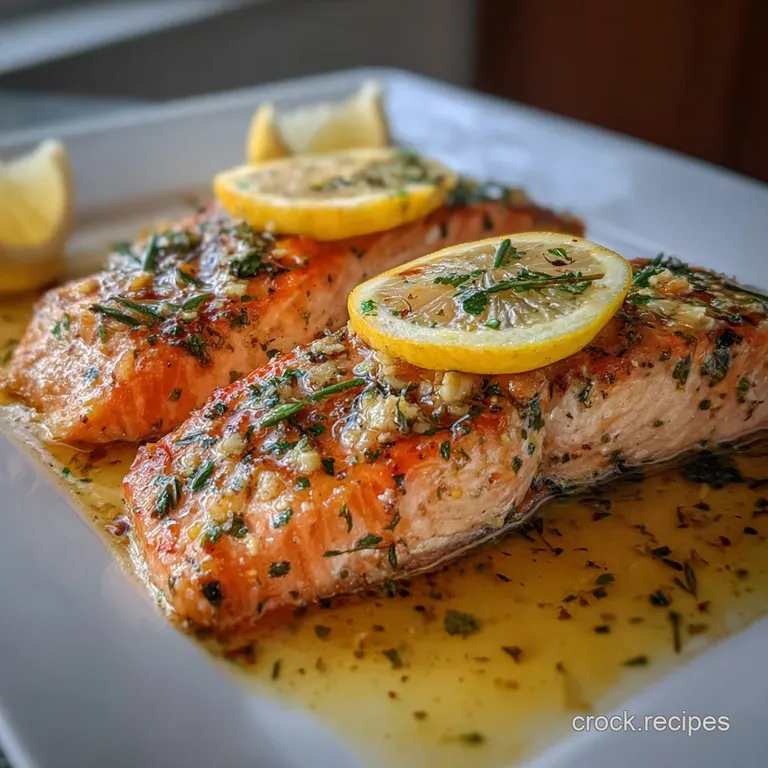
- Time: Active 5 minutes, Passive 13 minutes, Total 18 minutes
- Flavor/Texture Hook: Silky, buttery flakes with a zesty citrus finish
- Perfect for: Busy weeknights when you want a restaurant quality meal without the cleanup
- Simple Easy Salmon Recipe with Garlic and Lemon
- Why This Flavorful Technique Works
- Essential Ingredients for Fresh Salmon
- Basic Tools for Cooking Success
- Instructions for Flaky Garlic Salmon
- Troubleshooting Tips for Flawless Fish
- Simple Ways to Change Flavors
- Storing and Reheating Your Leftovers
- Best Side Dishes to Serve
- Myths About Cooking Salmon
- Recipe FAQs
- 📝 Recipe Card
Simple Easy Salmon Recipe with Garlic and Lemon
Have you ever walked into a kitchen and just known something incredible was happening solely by the smell of garlic hitting hot butter? That's the vibe we're going for here. For the longest time, I was terrified of cooking fish at home because I thought I’d turn a beautiful piece of salmon into something resembling a dry sponge.
We've all been there, hovering over the oven, wondering if it's done or if we've just ruined dinner.
This easy salmon recipe with garlic and lemon is a guaranteed weeknight dinner winner. It’s the result of many "oops" moments in my own kitchen where I realized that less is almost always more when you're working with fresh seafood.
You don't need a pantry full of spices or a degree in culinary arts to get those velvety, flaky layers that just melt when they hit your tongue.
We’re going to focus on a few high-quality ingredients and a very specific roasting method. No fancy equipment is required, just a sheet pan and a little bit of confidence. I’ll show you exactly how to tell when it’s finished without even needing a thermometer, though I’ll give you the temps just in case you're a data lover like me.
Let's get into why this method actually works every single time.
Why This Flavorful Technique Works
The magic here isn't just in the flavors, but in how we handle the heat. By using a center cut side, we ensure even thickness, which is the secret to getting every bite cooked to the same degree.
- Albumin Control: Slow rendered fats from the butter create a barrier that minimizes the release of white protein (albumin), keeping the fish looking beautiful.
- Citric Acid Denaturation: The lemon juice slightly breaks down surface proteins, allowing the garlic oils to penetrate deeper into the flesh.
- Conductive Roasting: Using a metal pan allows heat to travel through the bottom of the skin, crisping it slightly while the top stays moist.
The Science of Why it Works
Protein denaturation occurs more gently when buffered by fats like butter, which prevents the muscle fibers from tightening too quickly and squeezing out moisture. This creates the "velvety" texture that makes this easy salmon recipe so famous in my house.
| Thickness | Internal Temp | Rest Time | Visual Cue |
|---|---|---|---|
| 1 inch | 145°F | 3 minutes | Flakes easily with fork |
| 1.5 inches | 145°F | 5 minutes | Center is opaque/pale pink |
| 0.5 inches | 140°F | 2 minutes | Edges are slightly golden |
Wait, before you start prepping, let’s talk about the pan. I’ve found that a heavy rimmed baking sheet works much better than a glass dish. Glass stays hot for a long time after it leaves the oven, which can lead to carryover cooking that turns your fish into a brick while you're setting the table.
How High Heat Prevents Dryness
When we roast at a higher temperature for a shorter duration, we create a temperature gradient. The outside gets that lovely sizzle and color, while the very center reaches the finish line just as we pull it out. It’s a race against the clock that the fish always wins if you pull it at the 13 minute mark.
Lemon and Garlic Chemical Interaction
Garlic contains allicin, which can be quite sharp and pungent when raw. The citric acid in the lemon zest actually mellows that bite, transforming the garlic into a savory, toasted flavor that complements the richness of the fish rather than overpowering it.
The Role of Softened Fats
Using softened butter instead of melted butter allows us to create a "paste" with the garlic and zest. This paste sticks to the fish throughout the cooking process. If you used oil or melted butter, most of that flavor would just slide right off into the pan before the heat could set the proteins.
| Ingredient | Science Role | Pro Secret |
|---|---|---|
| Salmon | Main Protein | Choose center cut for even thickness |
| Unsalted Butter | Fat Emulsion | Use softened butter for a better "crust" |
| Fresh Garlic | Flavor Aromatic | Grate it into a paste for maximum infusion |
| Lemon Zest | Acid & Oil | Zest before slicing to capture essential oils |
Whenever I’m at the store, I look for salmon that has a vibrant color and doesn't smell "fishy" at all. It should smell like the ocean, fresh and clean. If you can, grab an organic lemon too, because we’re using the zest, and that’s where all the concentrated lemon oils live.
Essential Ingredients for Fresh Salmon
Here is everything you need to grab from the store. Remember, with so few ingredients, the quality of each one really stands out. I always suggest fresh parsley over dried because the color and brightness are incomparable.
- 1.5 lbs center cut salmon side (Substitute: Individual fillets. Why this? The center cut side offers consistent thickness for even roasting.)
- 1 tsp sea salt (Substitute: Kosher salt. Why this? Flaky salt distributes more evenly across the surface.)
- 0.5 tsp freshly cracked black pepper (Substitute: White pepper. Why this? Freshly cracked provides a much bolder aromatic punch.)
- 3 tbsp unsalted butter, softened (Substitute: Ghee or vegan butter. Why this? Softened butter clings to the fish during roasting.)
- 4 cloves garlic, minced (Substitute: Garlic confit. Why this? Fresh garlic provides a sharp, savory contrast to the fat.)
- 1 large organic lemon, zested and sliced into rounds (Substitute: Lime. Why this? Zest adds aroma without the watery acidity of just juice.)
- 1 tbsp fresh parsley, finely chopped (Substitute: Fresh dill. Why this? Adds a necessary pop of color and earthy freshness.)
| Original Ingredient | Substitute | Why It Works |
|---|---|---|
| Unsalted Butter | Olive Oil | Healthier fats. Note: Won't create the same thick, flavored crust. |
| Fresh Garlic | Garlic Powder (1 tsp) | Faster prep. Note: Lacks the pungent, fresh aromatic bite of fresh cloves. |
| Fresh Parsley | Fresh Dill | Classic pairing. Note: Adds a much stronger, herbal "pickled" flavor profile. |
If you’re someone who loves a bit of heat, I sometimes throw a pinch of red pepper flakes into the butter mix. It doesn’t make it spicy per se, but it adds a little tingle at the back of the throat that works beautifully with the lemon. Also, if you’re looking for a different flavor profile entirely, you might enjoy the Garlicky Lemon Herb recipe for a dipping sauce variation.
Basic Tools for Cooking Success
You don't need much to make this happen. I actually prefer a very minimal setup because it means less cleaning later. I'm a big fan of using what you have, but a couple of small upgrades can make the process much smoother.
- Baking Sheet: A standard half sheet pan is perfect for a 1.5 lb side of salmon.
- Microplane: This is my favorite tool for zesting the lemon and grating the garlic. It turns them into a fine paste that mixes perfectly with the butter.
- Small Mixing Bowl: For mashing the butter and aromatics together.
- Parchment Paper: This is optional but highly recommended. It prevents the skin from sticking and makes cleanup a five second job.
- Sharp Knife: You'll need this for slicing those lemon rounds cleanly.
Chef Tip: Freeze your butter for just 10 minutes before you need to mix it if your kitchen is very warm. This keeps it from turning into a greasy puddle while you're working the garlic and zest into it.
Instructions for Flaky Garlic Salmon
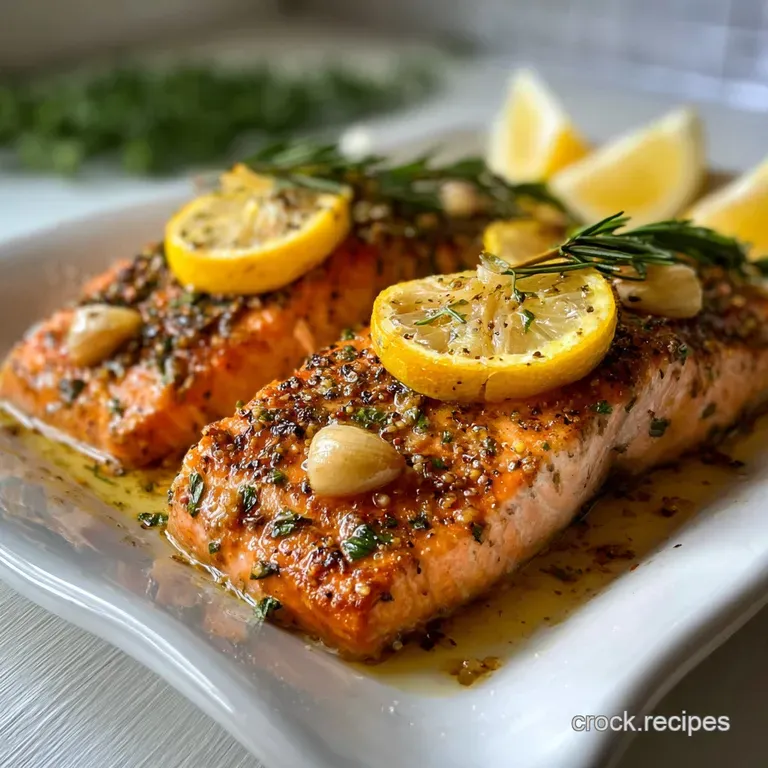
Right then, let's crack on. This moves quickly once the oven is hot, so make sure you have everything prepped and ready before you start handling the fish.
Step One: Prep the Fish
Preheat your oven to 400°F and line your baking sheet with parchment paper. Place your 1.5 lbs center cut salmon side on the pan and pat it completely dry with paper towels. Note: Moisture is the enemy of a good roast; dry skin equals better texture.
Step Two: Season the Base
Sprinkle the 1 tsp sea salt and 0.5 tsp freshly cracked black pepper evenly over the entire surface. Make sure to get the edges too.
Step Three: Create Flavor Paste
In a small bowl, combine the 3 tbsp softened unsalted butter with the 4 minced garlic cloves and the zest from your lemon. Use a fork to mash them together until you have a uniform, creamy mixture.
Step Four: Apply the Butter
Spread the garlic butter mixture over the top of the salmon in an even layer. Use the back of a spoon to ensure every inch is covered. The butter should look like a thick frosting on the fish.
Step Five: Add Citrus Rounds
Arrange the lemon slices on top of the butter covered salmon. These will act as a "shield" for the fish while adding a deep citrus aroma as they roast.
Step Six: The Roasting Process
Slide the pan into the middle rack of your oven. Bake for 13 minutes. Check for doneness by seeing if the thickest part flakes easily when pressed with a fork.
Step Seven: Final Rest Time
Remove the pan from the oven and let the salmon rest on the baking sheet for at least 3 minutes. Note: This allows the juices to redistribute so they don't run out when you slice it.
Step Eight: Garnish and Serve
Sprinkle the 1 tbsp finely chopped fresh parsley over the top just before serving. Use a large spatula to lift the salmon off the parchment and onto a platter.
Troubleshooting Tips for Flawless Fish
The biggest hurdle with any fish dish is timing. Even 60 seconds too long in the oven can be the difference between a silky meal and something you have to chew through.
Fixing Dry or Tough Salmon
If your salmon ends up dry, the oven was likely too hot or it stayed in too long. You can save it by drizzling a little extra melted butter or a bit of olive oil over the top right before serving. This mimics the moisture that was lost.
Removing White Albumin Spots
That white stuff that sometimes bubbles up is just protein (albumin). It's totally safe to eat, but it usually happens when the fish is cooked too fast at too high a temperature. To prevent it, try lowering the oven by 25 degrees next time or ensure the fish is at room temperature before it goes in.
Cooking From a Frozen State
I don't recommend cooking a large side of salmon from frozen, as the outside will be overcooked before the inside thaws. If you must, use individual fillets, increase the cook time by about 50%, and use a thermometer to hit 145°F.
| Problem | Root Cause | Solution |
|---|---|---|
| Fish is mushy | Undercooked center | Roast for 2 more minutes and check again. |
| Garlic is burnt | Oven hot spots | Place lemon slices directly over the garlic bits. |
| Skin sticks to pan | No parchment used | Use a thin metal spatula to gently pry it up. |
Common Mistakes Checklist
- ✓ Pat the salmon completely dry; even a little water will steam the fish rather than roasting it.
- ✓ Don't skip the resting period; those 3 minutes are vital for the texture.
- ✓ Use fresh garlic, never the jarred stuff, which can taste metallic when roasted.
- ✓ Check the thickness; if your salmon is thinner than 1 inch, reduce cook time to 10 minutes.
- ✓ Ensure the butter is truly softened, not melted, so it stays on top of the fish.
Simple Ways to Change Flavors
If you want to vary this recipe for different nights of the week, it's incredibly easy to do. You can swap the citrus or the herbs to completely change the vibe of the meal.
Creating a One Pan Meal
You can add asparagus or thin green beans to the same baking sheet. Just toss them in a little olive oil and salt, and spread them around the salmon. They usually take about the same 13 minutes to reach a perfect crisp tender state.
dairy-free Butter Swaps
If you need this to be dairy-free, a high-quality extra virgin olive oil works, but my favorite swap is actually avocado oil based butter. It has a high smoke point and provides that creamy mouthfeel you'd otherwise miss.
Choosing the Right Starch
This dish is great with jasmine rice or roasted fingerling potatoes. If you're looking for a similar cooking style for other seafood, you might want to see my PanSeared How to recipe for a different texture experience.
| Method | Time | Texture | Best For |
|---|---|---|---|
| Oven Roast | 13 minutes | Flaky & Moist | Large family dinners |
| Stovetop Sear | 8 minutes | Crispy Skin | Getting a crusty finish |
| Slow Cooker | 1 hour | Poached/Silky | Meal prepping for salads |
Storing and Reheating Your Leftovers
Salmon is one of those things that is best fresh, but if you do have leftovers, you can definitely make them work for lunch the next day. I actually love cold salmon on a salad the garlic butter solidifies slightly and acts like a dressing.
- Fridge: Store in an airtight container for up to 2 days. The garlic flavor will intensify, so be ready for that!
- Freezer: I don't recommend freezing cooked salmon as the texture becomes quite grainy upon thawing.
- Reheating: Avoid the microwave if possible. Instead, place it in a 300°F oven with a splash of water and cover with foil for about 8 minutes until just warmed through.
- Zero Waste: Take the leftover skin and pan fry it in a little oil until it's like a chip. It's a salty, crispy treat you shouldn't throw away! You can also flake the leftover meat into a pasta dish or a quick salmon salad with mayo and celery.
Best Side Dishes to Serve
Since the salmon is so rich and buttery, I usually lean toward sides that have a bit of crunch or a hit of acidity to balance everything out.
Adding a Fresh Salad
A simple arugula salad with a light vinaigrette is my go to. The peppery greens cut through the butter perfectly. If you want something more substantial, a Sunshine Salmon salmon recipe approach with roasted peppers can add a lot of bulk to the meal.
Scaling the Recipe
- Down (1/2 size): If you're cooking for two, buy 0.75 lbs of salmon. You can still use a large baking sheet, but keep an eye on it it might cook 1-2 minutes faster since there's more empty space for heat to circulate.
- Up (2x size): If you're feeding a crowd (8 people), use two baking sheets. Do not crowd them on one sheet or the salmon will steam instead of roasting. You only need to increase the salt and spices by about 1.5x, as they go a long way.
Myths About Cooking Salmon
There are a few "rules" out there that people swear by, but they aren't always true. Let's clear some of that up so you can cook with more freedom.
"Searing meat or fish seals in the juices." This is a classic kitchen myth. Moisture loss happens regardless of a sear. The reason we sear or roast at high heat is purely for the Maillard reaction that savory, browned flavor on the surface.
"You must cook salmon until it is completely opaque." If you do this, you’ve likely overcooked it. Salmon continues to cook for several minutes after you take it out of the heat (carryover cooking).
It should still be a tiny bit translucent in the very center when you pull it from the oven; it will finish on the counter.
Trust me, once you get the hang of this easy salmon recipe with garlic and lemon, you'll never go back to the complicated versions. It’s all about respecting the fish and letting those fresh ingredients do the heavy lifting. Enjoy your dinner!
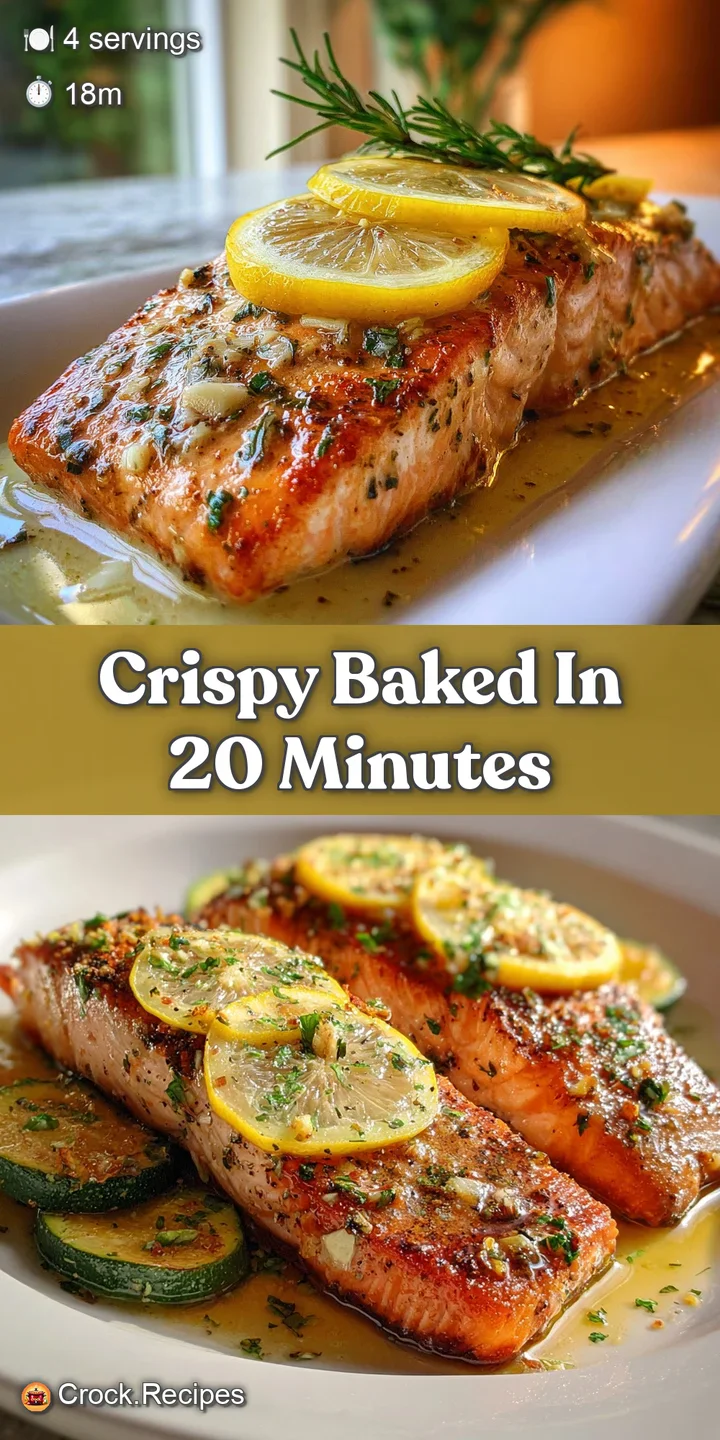
Recipe FAQs
What temperature should I bake the salmon at?
400°F is ideal. This high heat allows the salmon to cook quickly, locking in moisture and achieving a beautiful exterior texture.
How long does this easy salmon recipe take to cook?
About 13 minutes for roasting. The total active cooking time is very short, making it perfect for busy weeknights. Remember to factor in a brief resting period afterward.
How can I tell if the salmon is cooked through?
Check if the thickest part flakes easily with a fork. The flesh should be opaque but still slightly moist in the very center when you pull it from the oven. It will finish cooking during its rest time.
Can I use frozen salmon for this recipe?
It's best to use fresh salmon. Frozen salmon can release excess moisture during cooking, leading to a less desirable texture. If you must use frozen, consider individual fillets and adjust cooking time.
What's the best way to store leftovers?
Store in an airtight container in the refrigerator for up to 2 days. While best eaten fresh, leftovers can be great on salads or gently reheated in a low oven to avoid drying out.
What can I serve with this salmon?
Simple sides like roasted asparagus or a fresh green salad work well. The richness of the salmon pairs nicely with lighter, crunchier accompaniments that balance the flavors. You might also enjoy it with a similar citrus forward dish like my Juicy how to cook swordfish steaks: Lemon Herb Butter Magic!.
Can I substitute the butter?
Yes, avocado oil-based butter or olive oil can be used. While they won't create the exact same rich crust, they still allow the garlic and lemon flavors to infuse the fish effectively, similar to techniques used in preparing My GoTo Grilled Swordfish Recipe How to Cook Swordfish On.
Easy Salmon Recipe Garlic Lemon
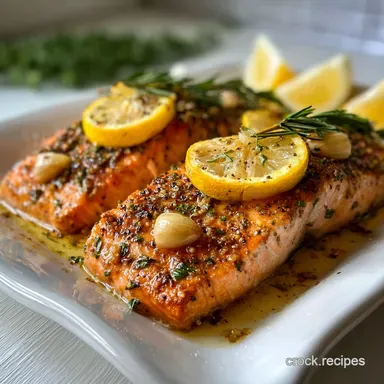
Ingredients:
Instructions:
Nutrition Facts:
| Calories | 433 kcal |
|---|---|
| Protein | 34.7 g |
| Fat | 31.3 g |
| Carbs | 1.2 g |
| Fiber | 0.4 g |
| Sugar | 0.2 g |
| Sodium | 581 mg |
