Easy Stir Fry Sauce Recipe

- Time: Active 5 minutes, Passive 2 minutes, Total 7 minutes
- Flavor/Texture Hook: Glossy, velvety, and sharp with fresh aromatics
- Perfect for: Busy weeknight dinners, healthy meal prep, and kitchen beginners
- Simple Flavors for the Ultimate Easy Stir Fry Sauce Recipe
- Planned Prep Timeline for a Fast Cooking Flow
- Essential Components Required for the Perfect Flavor Balance
- Necessary Kitchen Tools for a Smooth Preparation Process
- Comprehensive Guide for the Perfect Pan Finish
- Pro Solutions for Common Texture and Flavor Issues
- Troubleshooting Common Issues
- Flavor Adaptations for Diverse Dietary Needs and Tastes
- Smart Storage Methods and Reducing Daily Food Waste
- Inspiring Ways to Pair Your Freshly Made Sauce
- Easy Stir Fry Sauce Recipe FAQs
- 📝 Recipe Card
You know that frustrating feeling when you've spent twenty minutes chopping fresh peppers and bok choy, only to have the whole dish turn into a soggy, flavorless puddle? I've been there more times than I care to admit.
For years, I relied on those store-bought jars that either tasted like pure salt or had a weird, gloopy texture that masked the fresh crunch of my vegetables.
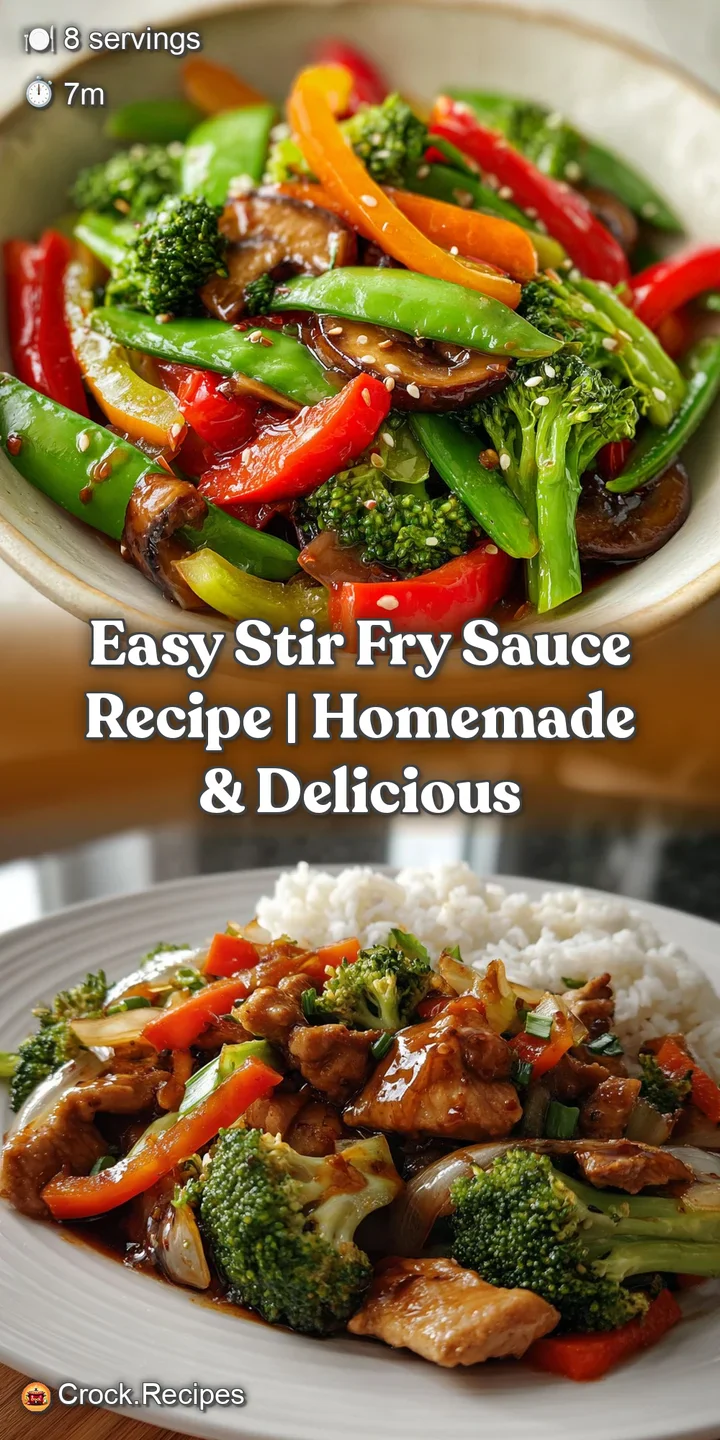
Then I started experimenting with my own ratios in the kitchen. This easy stir fry sauce recipe, bursting with ginger and garlic, will elevate your homemade stir fries. It’s the kind of sauce that hits the pan with a loud sizzle and instantly transforms into a velvety, mahogany glaze.
Honestly, once you see how quickly this comes together, you'll realize that the "convenience" of bottled sauce is a total myth. We’re talking about basic pantry staples that most of us already have in the cupboard.
I usually keep a jar of this ready in my fridge because, as a total Crockpot devotee, I love having a flavor packed base I can just grab and go when the stovetop beckons.
Simple Flavors for the Ultimate Easy Stir Fry Sauce Recipe
I remember the first time I actually got the texture right. I was so used to just pouring soy sauce straight into the pan, which just results in salty, steamed veggies. The secret isn't some expensive ingredient, it's the science of the slurry.
When that cold starch mixture hits the hot liquid, it thickens into something truly luscious that actually clings to your broccoli instead of pooling at the bottom of the bowl.
The Science of Why it WorksStarch Gelatinization: When cornstarch reaches about 62°C to 70°C, the granules absorb liquid and swell, turning a thin watery base into a viscous, glossy glaze.
Maillard Reaction: The natural sugars in the honey interact with the amino acids in the soy sauce under high heat, creating deep, complex savory notes.
Chef's Note: To get the most out of your ginger, don't even bother peeling it with a knife. Use the edge of a small spoon to scrape the skin off - it gets into all the nooks and crannies without wasting any of the spicy flesh.
I've learned that the temperature of your pan is just as important as the ingredients. If your pan isn't hot enough, the ginger and garlic will just boil in the liquid instead of releasing their aromatic oils. You want to hear that aggressive crackle the moment the sauce hits the wok. If you’re looking for a variation with a bit more of a kick, you might enjoy trying my Spicy Pineapple Stir recipe which uses fruit sugars for a different kind of caramelization.
| Ingredient | Science Role | Pro Secret |
|---|---|---|
| Low sodium soy sauce | Provides the liquid base and essential salt/umami | Always use low sodium to control the final saltiness yourself |
| Fresh ginger | Contains zingibain enzymes that can tenderize meat | Freeze the root and grate it while frozen for a "shatter" effect |
| Honey | Acts as a thickener and counteracts the vinegar acidity | Warm the honey slightly if it’s crystallized to ensure it dissolves |
| Cornstarch | The primary thickening agent through starch swelling | Always mix with cold water first to prevent "fish eyes" or lumps |
Planned Prep Timeline for a Fast Cooking Flow
Managing a stir fry is all about the "mise en place," which is just a fancy way of saying "get your stuff together before you turn on the heat." Because this sauce cooks in under 2 minutes, you don't have time to be measuring honey while your garlic is burning in the pan.
I’ve made that mistake, and burnt garlic is a bitter pill to swallow.
- Minute 1-3: Mince the garlic and grate the ginger. This is where the aroma starts to fill the room, that sharp, spicy scent that lets everyone know dinner is going to be good.
- Minute 4-5: Whisk the soy sauce, broth, vinegar, and honey in a small bowl. In a separate tiny cup, mix your cornstarch and cold water until it looks like milk.
- Minute 6-7: Once your veggies and protein are cooked in the wok, pour in the sauce base. Let it bubble for 30 seconds, then pour in the slurry. Watch it turn from cloudy to clear and glossy in seconds.
If you like a bit more texture in your meals, this sauce works beautifully when paired with the techniques found in my Knockout Stir Fry recipe, which focuses on the perfect sear for proteins.
| Original Ingredient | Substitute | Why It Works |
|---|---|---|
| Soy Sauce (1/2 cup) | Tamari (1/2 cup) | Naturally gluten-free with a richer, darker color and flavor |
| Rice Vinegar (1 tbsp) | Apple Cider Vinegar (1 tbsp) | Provides the necessary acidity. Note: Adds a slight fruity undertone |
| Honey (2 tbsp) | Brown Sugar (2 tbsp) | Adds sweetness and helps with browning. Note: Lacks the floral notes of honey |
| Vegetable Broth (1/4 cup) | Water (1/4 cup) | Neutral liquid base. Note: You may need a pinch more salt for flavor |
Essential Components Required for the Perfect Flavor Balance
The balance of this sauce relies on the "big four": salty, sweet, sour, and spicy. We get the salt from the soy, the sweet from the honey, the sour from the rice vinegar, and the spice from that fresh ginger. Don't skip the toasted sesame oil, either.
Even though it's just a teaspoon, it provides an earthy, nutty aroma that defines the "takeout" smell we all love.
- 1/2 cup low sodium soy sauce Why this? Essential for that deep, savory umami base without being overly salty.
- 1/4 cup vegetable or chicken broth Why this? Dilutes the soy sauce slightly so the flavor isn't one note.
- 1 tablespoon rice vinegar Why this? Provides a bright tang that cuts through the salt and sugar.
- 2 tablespoons honey or maple syrup Why this? Adds sweetness and creates a sticky, clingy texture on vegetables.
- 3 cloves fresh garlic, finely minced Why this? Aromatics that become toasted and savory when heated.
- 1 tablespoon fresh ginger, grated Why this? Adds a sharp, peppery heat that store-bought sauces lack.
- 1 teaspoon toasted sesame oil Why this? The finishing touch for a classic toasted, nutty aroma.
- 1 tablespoon cornstarch Why this? The magic powder that turns liquid into a thick glaze.
- 1 tablespoon cold water Why this? Necessary to dissolve the cornstarch before it hits the heat.
I’ve found that using fresh ginger is non negotiable. I once tried to swap it for dried ground ginger in a pinch, and it was a disaster. The dried stuff has a completely different flavor profile that tastes dusty rather than bright.
Stick to the fresh root, and if you have extra, just toss it in the freezer for next time.
Necessary Kitchen Tools for a Smooth Preparation Process
You don't need a professional kitchen to make this, but a few specific tools make the process much faster. I personally use a small glass jar for mixing the sauce base because I can just put the lid on and shake it like a cocktail.
It’s way more efficient than whisking and ensures the honey isn't stuck to the bottom.
- Microplane Grater: This is the best way to get ginger into that snowy, fine texture that melts into the sauce.
- Small Whisk: To ensure the cornstarch slurry is perfectly smooth.
- Wok or Large Skillet: You need surface area for the sauce to bubble and reduce quickly.
- Measuring Spoons: Precision matters here, especially with the sesame oil and vinegar.
| Method | Result | Time |
|---|---|---|
| Stovetop (Wok) | over High heat sear, smoky flavor, instant thickening | 2 minutes |
| Oven (Sheet Pan) | Caramelized edges, thinner sauce consistency | 15-20 minutes |
While I'm a big fan of the stovetop for that immediate sizzle, you can actually toss your veggies in this sauce and roast them in the oven. The honey will caramelize beautifully, though you won't get that same thick, velvety coating you get from the starch activation in a hot pan.
Comprehensive Guide for the Perfect Pan Finish

Let's walk through the actual cooking flow. The most important thing to remember is that the cornstarch slurry is the very last thing you add. If you add it too early, it will overcook and become thin again.
1. Prep the Aromatics
Mince your 3 garlic cloves and grate your 1 tablespoon of ginger. I like to keep them in a little pile right next to the stove.
2. Whisk the Base
In a small bowl, combine the 1/2 cup soy sauce, 1/4 cup broth, 1 tablespoon rice vinegar, and 2 tablespoons honey. Stir until the honey is fully integrated. Note: Using a fork works just as well if you don't have a tiny whisk.
3. Create the Slurry
In a separate small cup, mix 1 tablespoon cornstarch with 1 tablespoon cold water. It must be cold water; hot water will cause the starch to clump immediately into "dumplings."
4. Heat the Pan
Get your wok or skillet very hot with a splash of neutral oil. If you’re cooking meat or veggies, do that first and set them aside, or push them to the edges of the pan.
5. Sizzle the Aromatics
Drop the garlic and ginger into the center of the pan. Cook for only 30 seconds until fragrant and golden. Do not let them turn brown or black.
6. Add the Liquid
Pour in the soy sauce mixture. It should bubble and hiss immediately. Let it come to a rapid boil for about 30 seconds.
7. Thicken the Sauce
Give your cornstarch slurry one last stir (it settles quickly) and pour it into the boiling liquid. Whisk constantly as it thickens.
8. Finish with Oil
Remove the pan from the heat and stir in the 1 teaspoon of toasted sesame oil. This preserves the delicate aroma of the oil which can diminish with high heat.
9. Coat the Ingredients
Toss your cooked vegetables and protein back into the pan. Stir until every piece is coated in a glossy, dark glaze.
10. Serve Immediately
The sauce is at its best right when it's finished. Serve it over rice or noodles while it's still steaming and vibrant.
Pro Solutions for Common Texture and Flavor Issues
Even the simplest recipes can go sideways. I remember one Tuesday night when my sauce turned into a giant, gelatinous ball because I forgot to stir the slurry. It looked like something out of a sci fi movie. If that happens to you, don't panic. Most sauce problems are easily fixed with a little extra liquid or heat.
Troubleshooting Common Issues
| Issue | Solution |
|---|---|
| Why Your Sauce Is Lumpy | If you see white clumps in your sauce, it usually means the cornstarch wasn't fully dissolved in cold water before it hit the heat, or it wasn't whisked quickly enough upon entry. Next time, make sure |
| The Sauce Is Too Salty | Soy sauce varies wildly by brand. If your finished dish is a salt bomb, add a squeeze of fresh lime juice or an extra teaspoon of honey. The acidity or sweetness will help balance the sodium. You can |
| Why Didn't My Sauce Thicken | Cornstarch needs to reach a boil to activate. If your sauce is still watery, turn up the heat. If it still won't thicken, you might have used too much liquid base. Mix another teaspoon of cornstarch w |
Flavor Adaptations for Diverse Dietary Needs and Tastes
This recipe is a fantastic "mother sauce" that you can tweak depending on what's in your pantry. I often switch things up based on whether I'm feeling like a spicy dinner or something more mellow. If you're a fan of deeper, more intense flavors, you might want to try the Blazing Black Pepper recipe which takes this umami base and cranks it up with fresh cracked peppercorns.
For a Spicy Kick
Add 1 teaspoon of red chili flakes or a tablespoon of sriracha to the base. I love the way the honey tempers the heat, creating a sweet and spicy vibe that works perfectly with shrimp or crispy tofu.
How Do I Make It gluten-free?
Standard soy sauce contains wheat. To make this gluten-free, simply swap the soy sauce for Tamari or liquid aminos. They have a very similar flavor profile, though Tamari tends to be a bit richer and less salty.
Is There a Vegan Version?
The recipe is already almost vegan! Just ensure you use maple syrup instead of honey. Maple syrup actually adds a really lovely woody depth to the sauce that pairs incredibly well with roasted sweet potatoes or kale in a stir fry.
- If you want a creamy sauce, whisk in 2 tablespoons of peanut butter.
- If you want a citrus flare, add the zest and juice of half an orange.
- If you want a "teriyaki" style, increase the honey to 3 tablespoons and add a splash of mirin.
Smart Storage Methods and Reducing Daily Food Waste
One of the reasons I love this easy stir fry sauce recipe is how well it keeps. I'm a big advocate for "sauce Sunday," where I make three or four different bases to use throughout the week. It saves so much brainpower on a Wednesday night when you're tired and just want to eat.
Storage: You can keep the mixed sauce (without the cornstarch slurry) in an airtight jar in the fridge for up to 2 weeks. If you’ve already cooked the sauce with the starch, it will stay good for about 3-4 days, but it might lose some of its thickness when reheated.
Freezing: I don't recommend freezing the finished, thickened sauce as the cornstarch can become "spongy" and weep liquid upon thawing. However, you can freeze the liquid base (soy, broth, vinegar, honey, aromatics) in ice cube trays.
Just pop a few cubes into the pan and add your fresh slurry at the end.
- Zero Waste Tips
- - Ginger Scraps
- Don't throw away the papery skin or the woody ends of the ginger. Toss them into a freezer bag to use later when making homemade vegetable or chicken broth.
- - Garlic Ends
- The little root ends of the garlic can also go into your broth bag.
- - Leftover Sauce
- If you have a small amount of sauce left over in the pan, toss in some cold leftover rice the next morning for a quick breakfast fried rice.
Inspiring Ways to Pair Your Freshly Made Sauce
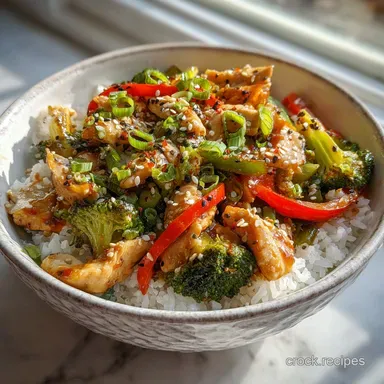
While the obvious choice is a classic chicken and broccoli stir fry, this sauce is a total chameleon. I’ve used it as a marinade for grilled salmon, and the sugar in the honey creates these incredible charred grill marks that look like they came from a restaurant.
Another favorite in our house is "Wok Roasted Brussels Sprouts." I halve the sprouts, sear them in a hot pan until they're almost blackened, then pour in a half batch of this sauce. The way the sauce gets trapped in the little leaves of the sprouts is honestly life changing.
If you're looking for a quick lunch, try tossing some pre cooked udon noodles into a pan with this sauce and a handful of shredded carrots. It takes about 3 minutes and tastes a thousand times better than any instant noodle cup you'll find at the store.
- - Myth
- You must use a wok for stir fry sauce.
- - Truth
- A wide cast iron or stainless steel skillet works perfectly well. The goal is surface area for evaporation and heat retention, not the specific shape of the pan.
- - Myth
- Fresh ginger is the same as jarred "minced" ginger.
- - Truth
- Jarred ginger is often preserved in citric acid, which gives it a sour, chemical taste. Fresh ginger has a natural heat and floral aroma that the jarred stuff simply can't replicate.
By the time you've made this twice, you won't even need the recipe anymore. You'll just be pouring and whisking by heart, adjusting the honey or the vinegar until it tastes exactly like "home" to you.
That's the real joy of cooking taking a few basic ingredients and turning them into something that makes your whole family ask for seconds. Now, grab that ginger and let's get sizzling!
Easy Stir Fry Sauce Recipe FAQs
Can I use store-bought ginger paste instead of fresh ginger?
No, it's best to use fresh. store-bought ginger paste often has a less vibrant flavor and can contain preservatives that alter the taste. Fresh ginger provides a bright, peppery kick essential for this sauce.
How do I make this stir fry sauce gluten-free?
Swap soy sauce for tamari or liquid aminos. These gluten-free alternatives offer a similar savory depth and umami. Tamari tends to be richer and slightly less salty, so adjust accordingly.
My sauce didn't thicken. What went wrong?
The cornstarch slurry likely didn't reach a boil. Cornstarch needs to be heated to at least 62°C (144°F) to activate its thickening properties. Ensure your sauce is at a rolling boil before adding and whisking the slurry.
How long can I store this stir fry sauce?
Up to 2 weeks for the base, without starch. Store the liquid ingredients (soy sauce, broth, vinegar, honey, aromatics) in an airtight jar in the refrigerator. Once thickened with cornstarch, it's best used within 3-4 days.
Can I substitute honey with another sweetener?
Yes, maple syrup or brown sugar work well. If using maple syrup, you'll achieve a similar sweetness and texture. Brown sugar adds sweetness and aids in browning, though it won't have honey's floral notes.
Why is my sauce too salty?
Soy sauce brands vary significantly in salt content. To counteract excessive saltiness, add a squeeze of fresh lime juice for acidity or an extra touch of honey for sweetness. You can also dilute it with a bit more broth or water.
Is it true that a wok is essential for stir fry sauce?
No, a wide skillet works perfectly fine. The key is having enough surface area for the sauce to evaporate and thicken quickly, and good heat retention. A cast iron or stainless steel skillet will achieve similar results.
Easy Stir Fry Sauce
Ingredients:
Instructions:
Nutrition Facts:
| Calories | 37 kcal |
|---|---|
| Protein | 1.1 g |
| Fat | 0.6 g |
| Carbs | 6.9 g |
| Fiber | 0.1 g |
| Sugar | 4.4 g |
| Sodium | 568 mg |
