Sugarfree Pumpkin Pudding: the Silky, Low-Carb Autumnal Comfort
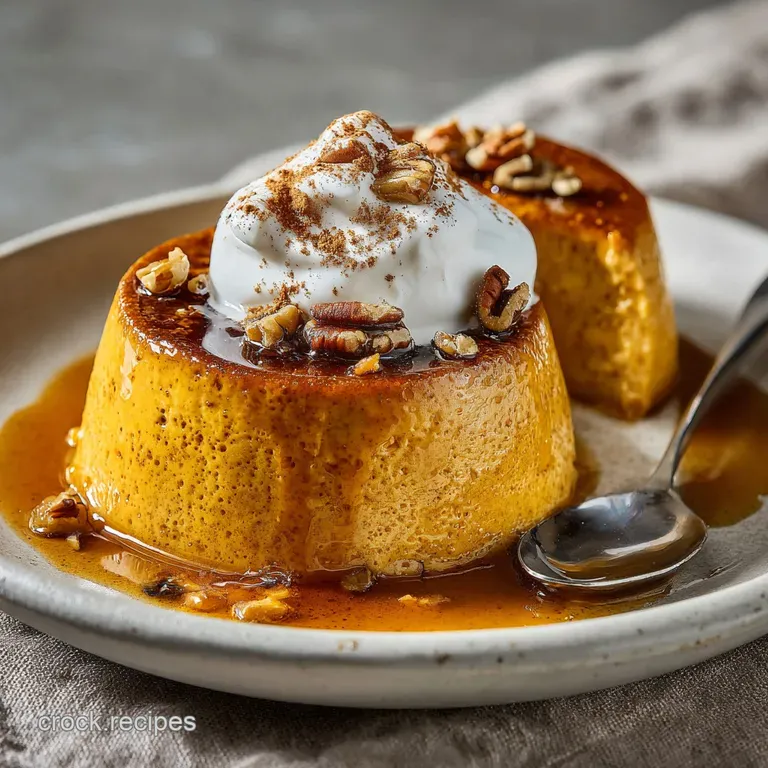
- The Ultimate Autumnal Comfort: Silky sugar-free Pumpkin Pudding
- Mastering the Silky Texture: The Science Behind This Pudding
- Essential Components for Your sugar-free Pumpkin Pudding
- Stove-Top Method: How to Create Creamy sugar-free Pumpkin Pudding
- Troubleshooting and Ensuring Perfect Results Every Time
- Making Ahead: Refrigerator Life and Freezing the Custard
- Elevate Your Dessert: Pairing and Topping Suggestions
- Recipe FAQs
- 📝 Recipe Card
The Ultimate Autumnal Comfort: Silky sugar-free Pumpkin Pudding
This pudding is autumn in a bowl, seriously. It smells of deep, warming cinnamon and sharp ginger the second the heat hits the saucepan, filling your kitchen with comfort. It’s shockingly creamy, tasting rich and complex like the best pumpkin pie filling you’ve ever had, but without the hassle of a crust.
The texture is pure velvet, and it truly just melts on your tongue.
Look, holiday baking is a marathon, not a sprint, right? This stove top dessert is your secret weapon because it takes maybe 15 minutes of active cooking time, tops, then you just let the fridge do the work.
Plus, this sugar-free pumpkin pudding recipe is naturally low-carb and suitable for diabetics, making it a spectacular Keto Pumpkin Delight Dessert you don't need to feel guilty about. It’s easy, fast, and incredibly satisfying.
I promise you, this isn't some watery, sad custard this is the real deal, perfect for your next get-together or just a cozy night in. Ready to skip the pastry fuss and dive into pure, silky comfort? Let’s crack on and master the secret to truly magnificent stovetop pudding.
Mastering the Silky Texture: The Science Behind This Pudding
Ditching the Guilt: Why sugar-free Desserts Win the Season
When you use high-quality sugar substitutes, you capture all the intense pumpkin spice flavour without the inevitable post sugar crash. I prefer using an erythritol/monk fruit blend, which measures beautifully and doesn’t leave that weird cooling aftertaste that pure erythritol sometimes does.
This focus on flavour over mere sweetness means every bite is dense, rich, and intensely satisfying. You get to enjoy a gorgeous dessert without the heavy carb load, which makes this an ideal Weight Watchers Pumpkin Pudding.
Pudding vs. Pie: The Texture Difference Explained
Pudding is an entirely different beast from baked pie filling. Pie filling is set using the structure of baked eggs and often requires a lot of sugar and starch to firm up in the oven.
This SugarFree Pumpkin Pudding achieves its glorious smoothness through controlled heating and the power of cornstarch acting as a thickener, not just egg proteins.
We are aiming for the luxurious mouthfeel of a French crème pâtissière but with the deep, earthy flavour of pumpkin.
Prep Time Snapshot and Yield Summary (The Quick Facts)
| Stage | Time Estimate |
|---|---|
| Active Cook Time | 12 minutes |
| Chill Time | 3 hours (minimum) |
| Yield | 6 standard servings |
Tempering Eggs for a Smooth Custard Base
This is the non-negotiable step. If you just dump cold egg yolks straight into the hot pumpkin mixture, you will make sweet scrambled eggs. Guaranteed. Tempering means we slowly raise the temperature of the yolks by introducing a stream of hot liquid while whisking furiously, creating a stable, emulsified base that won't seize up.
Balancing the Spices: The Perfect Pumpkin Pie Blend Ratio
Don't be shy with the spices! Pumpkin itself is quite mild, so it needs assertive companions. We lead with cinnamon and ginger, using nutmeg and cloves merely as supporting characters.
Pro Tip: Freshly grating your nutmeg makes a shocking difference to the overall aroma and depth of flavour in your pudding.
Low-Carb Sweeteners: Avoiding Grittiness and Cooling Effects
The key to excellent Keto Pumpkin Mousse Dessert is ensuring the sweetener completely dissolves. Granulated erythritol needs heat to fully dissolve, which is why we mix it into the dry ingredients and then whisk it thoroughly into the warmed pumpkin base.
If you try to mix it cold and then heat it fast, you risk a slightly gritty texture, and nobody wants crunchy pudding.
Essential Components for Your sugar-free Pumpkin Pudding
You’ll notice we use a combination of milk and heavy cream for optimum decadence. Seriously, don’t skimp on the fat here; it carries all the flavour.
| Ingredient | My Recommendation | Substitution (Mandatory) |
|---|---|---|
| Dairy | Full fat whole milk + heavy cream | Use canned full fat coconut milk (for dairy-free) |
| Sweetener | Erythritol/Monk Fruit Blend | Stevia drops or Sucralose equivalent to ½ cup sugar |
| Thickener | Cornstarch | 1 tsp Xanthan Gum (for strict Keto) |
| Pumpkin | Canned Pumpkin Purée | Homemade pumpkin puree (must be very dry) |
Choosing Your Sweetener: Erythritol vs. Monk Fruit Considerations
As I mentioned, I’m a fan of the blends. Pure erythritol can sometimes give a slight cooling sensation, especially in chilled desserts. If you find that unpleasant, use a product blended with Monk Fruit or Stevia.
Just remember that Stevia is much stronger, so you need to adjust down drastically tasting is crucial before the chilling phase.
Dairy Choices: Full Fat Milk or Heavy Cream for Optimum Richness
If you want a truly creamy, luscious pudding, you have to use full fat dairy. I like the mix of whole milk and heavy cream (double cream), as it gives richness without being overwhelmingly thick.
If you want a slightly lighter, but still substantial, texture, you can use half and half (single cream) instead of the heavy cream.
Canned Pumpkin vs. Homemade Puree: Which is Best for Pudding?
Use canned pumpkin purée (make sure it’s not pumpkin pie filling!). Canned pumpkin has a perfectly consistent moisture level. Homemade puree often holds too much water, and if your puree is watery, your pudding won't set properly without adding huge amounts of starch.
If you must use homemade, press it through cheesecloth first!
Quick Swaps: Making This Recipe dairy-free or Vegan
To make this completely dairy-free, simply swap the milk and heavy cream for full fat canned coconut milk. The coconut adds a tiny, beautiful nuance of flavour that complements the spice perfectly.
If you want a fully vegan option, you will need to replace the eggs: swap the 4 yolks for 1 additional teaspoon of Xanthan Gum and perhaps 2 tablespoons of soaked, blended cashews for richness, though the texture will be slightly different.
Stove Top Method: How to Create Creamy sugar-free Pumpkin Pudding
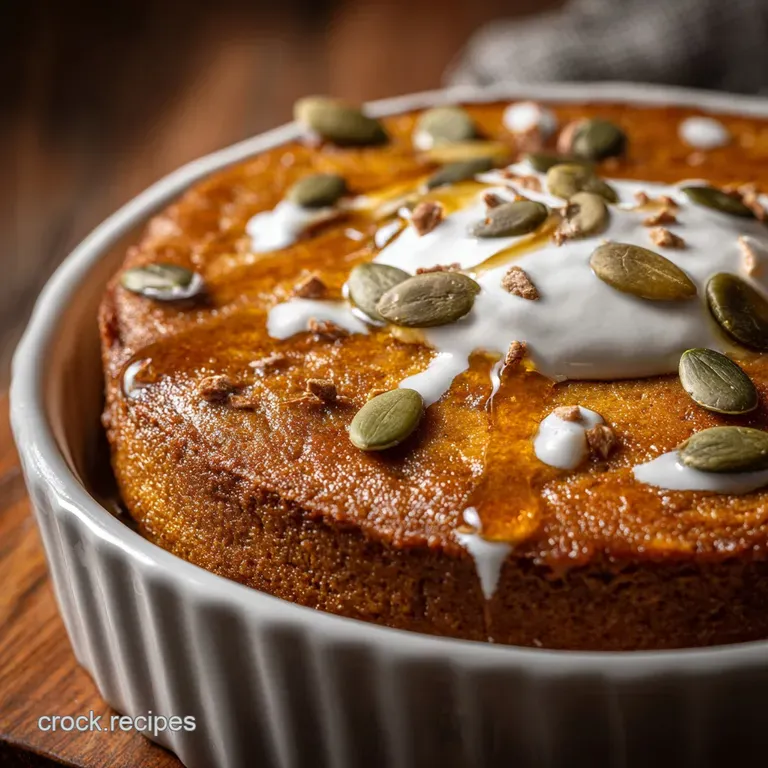
Phase 1: Warming the Spiced Pumpkin Base
In your heavy bottomed saucepan— always use heavy bottomed to prevent scorching —whisk together the milk, heavy cream, and pumpkin until perfectly smooth. Place it over medium heat and bring it just to a simmer.
You want those tiny bubbles kissing the edge of the liquid. While that warms, whisk your dry ingredients (sweetener, cornstarch, spices, and salt) in a separate bowl.
Phase 2: The Critical Tempering Process (Avoiding Scrambled Eggs)
Once the pumpkin base is warm, reduce the heat to low and whisk in the dry mixture until it’s fully dissolved and slightly thickened. Now for the crucial part: Take about a cup of the hot pumpkin base and slowly pour it into the bowl of egg yolks while you whisk continuously and quickly. Go slow!
This tempered mixture should look smooth and creamy, not clumpy.
Chef's Note: If you pause whisking even for a second during the tempering process, you risk cooking the yolks. Whisk fast, pour slow.
Phase 3: Thickening the Custard to Nappe Consistency
Pour the tempered yolk mixture back into the saucepan. Increase the heat to medium low. Now, you must whisk constantly and diligently, making sure your whisk scrapes the bottom and the sides.
Cook for 2- 4 minutes until the mixture visibly coats the back of a spoon (the Nappé stage). When you drag your finger across the back of the spoon, the line should stay clean. This means it’s thick enough.
Phase 4: Setting the Pudding for Optimal Chill
Remove the pan immediately from the heat. Stir in your vanilla extract and the optional, but highly recommended, tablespoon of butter for extra shine. Now, the final secret step: pour the hot custard through a fine mesh sieve into a clean bowl.
This removes any tiny cooked egg bits or spice clumps, guaranteeing that stunning, silky texture. Portion it into ramekins, cover them, and chill for at least three hours.
Troubleshooting and Ensuring Perfect Results Every Time
Preventing a Skin from Forming While Chilling
This is simple but mandatory: Press a piece of cling film (plastic wrap) directly onto the surface of the warm pudding in each ramekin. If you let it cool exposed to the air, moisture will evaporate and you’ll get a tough, rubbery skin you absolutely do not want to eat.
The Importance of Low Heat Control
You might be tempted to rush the thickening process by cranking the heat, but don't do it. High heat causes the sugars (even the non-nutritive ones) and the dairy to scorch instantly on the bottom of the pan, giving your entire batch a horrible burnt taste.
Medium low heat and constant stirring are your best friends here.
What to Do If Your Pudding Doesn't Set (Fixing Runny Custard)
If, after three hours, your sugar-free pumpkin pudding recipe is still runny, don't panic. It means it didn't reach a high enough temperature to fully activate the cornstarch/egg proteins. Pour the mixture back into the saucepan.
Whisk 1 teaspoon of cornstarch (or ¼ teaspoon of xanthan gum) with 2 tablespoons of cold milk, creating a slurry. Whisk the slurry into the pudding and cook over medium low heat, stirring constantly, until it bubbles and thickens visibly. Strain and chill again. It works every time!
Making Ahead: Refrigerator Life and Freezing the Custard
Short Term Storage Guidelines (Up to 5 Days)
Because this contains fresh dairy and egg yolks, it keeps well in the fridge for up to 5 days when covered tightly (with the cling film pressed right to the surface). This makes it a fantastic make-ahead dessert for busy holiday weeks.
Can You Freeze Pumpkin Pudding? (Texture After Thawing)
Technically, yes, you can freeze this custard, but the texture will change. The starch and the dairy structure slightly separate during the thawing process, making the final product slightly less silky and a tiny bit spongy. It is absolutely still edible, but it won’t have that signature velvety smoothness. If you want a fantastic freezer option, I highly recommend my recipe for Frozen Pumpkin Pie: Ultra Creamy No-Bake Mousse Dessert Recipe , which is designed for the freezer!
The Importance of Low Heat Control
Avoid reheating this pudding if possible. It's truly designed to be served chilled, as reheating causes the cornstarch structure to break down and may result in an unpleasant, grainy texture. Serve it straight from the refrigerator!
Elevate Your Dessert: Pairing and Topping Suggestions
sugar-free Whipped Cream Alternatives
The classic topping is, naturally, whipped cream, lightly sweetened with a splash of vanilla and a little powdered sugar substitute. For a slightly different twist, you could try whipping chilled coconut cream for a dairy-free topping.
Pairing with Crunch
This smooth Low Carb Pumpkin Recipe screams for a crunch factor. Top it with toasted pecans, walnuts, or even crushed sugar-free ginger snaps. A sprinkle of high-quality sugar-free chocolate shavings also provides a wonderful textural contrast.
If you are serving this for a special occasion, consider serving alongside a low-carb sauce, like the rich caramel sauce I use for my Sticky Toffee Pudding Low Carb: Best Keto Dessert with Rich Toffee Sauce . A drizzle of that sticky, sugar-free sauce makes this feel incredibly luxurious.
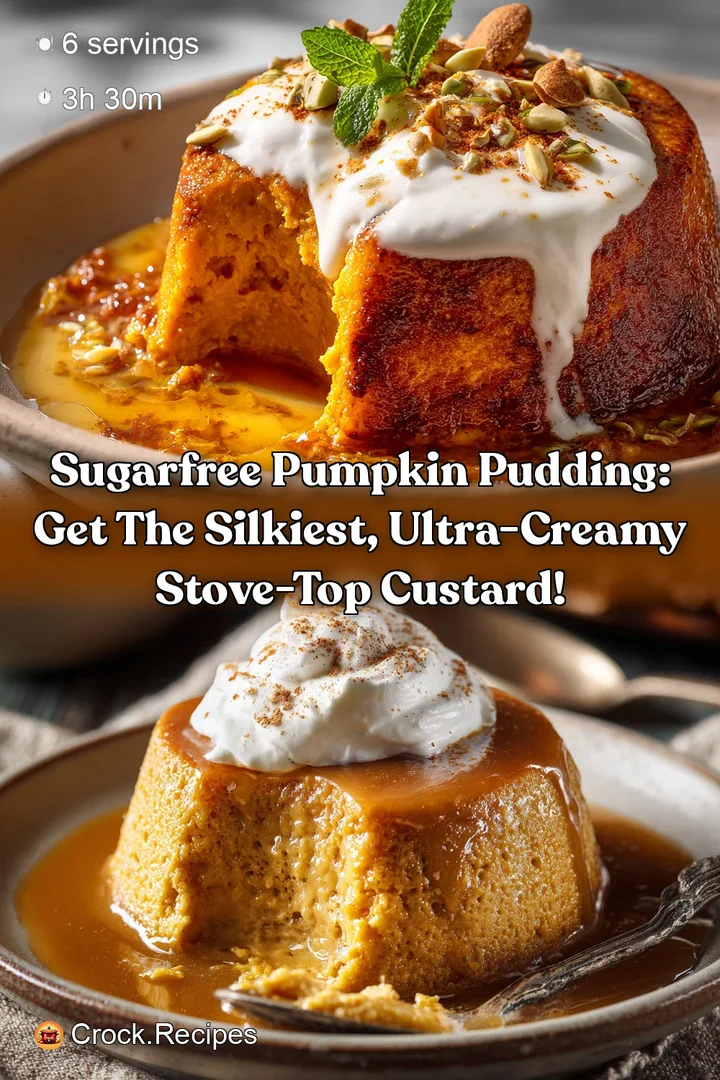
Recipe FAQs
Why is my pumpkin pudding watery or failing to set properly?
This usually means the thickener (cornstarch or eggs) was not properly activated. Ensure the mixture reaches a full, slow boil while stirring constantly, and then allow it to simmer gently for at least 1 2 minutes to ensure the starch fully gels.
Using low-fat milk or canned pumpkin puree with excess liquid can also sometimes inhibit the final set.
Can I make this sugar-free Pumpkin Pudding dairy-free or vegan?
Yes, you can substitute the dairy milk with full fat canned coconut milk or unsweetened cashew milk for excellent creaminess. If the recipe uses eggs, replace them with a slurry of extra cornstarch or tapioca starch, or use 1 tablespoon of pre-mixed flax egg substitute to maintain structure.
I only have Stevia or Monk Fruit. Can I substitute these for the Erythritol blend?
Absolutely, but you must adjust the quantity carefully as these are intensely concentrated sweeteners. Stevia and Monk fruit are much sweeter by volume than Erythritol, so start by adding only half the volume suggested in the recipe, taste the mixture, and adjust slowly to prevent an overly bitter aftertaste.
How long can I store this pumpkin pudding, and can I freeze it?
When stored in an airtight container, this pudding stays perfectly fresh in the refrigerator for 5 to 7 days. We strongly advise against freezing it, as the moisture in the pumpkin and the properties of starch based puddings will cause the final texture to become grainy and watery upon thawing.
My pudding tastes dull. How can I boost the autumnal flavor profile?
Ensure your spices are fresh, as ground spices lose potency quickly; adding a small dash of freshly grated nutmeg can help. The secret to flavor depth is a tiny pinch of fine sea salt added right into the mixture, which dramatically enhances the sweetness and makes the spice notes pop.
I heated the custard too fast and now it looks slightly curdled. Is it ruined?
If the mixture looks grainy or slightly separated, it means the eggs or milk proteins cooked too quickly. If it's a minor separation, straining the hot mixture through a fine mesh sieve can remove small lumps.
For a more serious issue, immediately transfer the pudding to a blender or use an immersion blender until it becomes completely smooth again.
Should this pumpkin pudding be served warm or chilled?
While the pudding is delicious served warm right off the stove (where it resembles a thick, decadent custard), we recommend chilling it for at least four hours. Chilling allows the thickener to achieve its firm pudding texture and gives the complex spices time to fully marry and deepen the flavor profile.
Easy Sugarfree Pumpkin Pudding Recipe
Ingredients:
Instructions:
Nutrition Facts:
| Calories | 424 kcal |
|---|---|
| Protein | 12.4 g |
| Fat | 17.0 g |
| Carbs | 51.6 g |
