Fluffy Turkey Sausage Egg Casserole
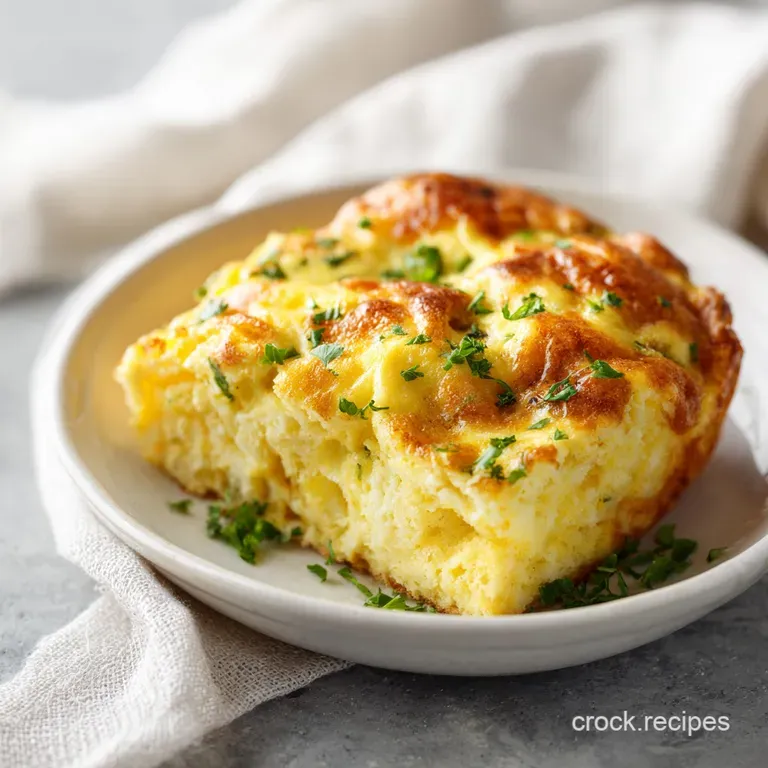
- Time: Active 15 minutes, Passive 35 minutes, Total 50 minutes
- Flavor/Texture Hook: Hearty sausage and melted cheddar against a silky, aerated egg base.
- Perfect for: Holiday brunch, high protein meal prep, or a satisfying family breakfast.
- The Secret to a Velvety No Fail Egg Casserole
- Why This Creamy Protein Bake Actually Works
- Component Analysis for Better Results
- Selecting Your Ingredients and Substitutes
- Tools for a Perfectly Set Breakfast Bake
- Step by Step Guide to Brunch Success
- Avoiding Common Mistakes for Better Texture
- Creative Variations for Every Seasonal Palette
- Scaling for Different Crowd Sizes
- Debunking Morning Kitchen Myths
- Storage and Zero Waste Kitchen Strategies
- Serving Suggestions to Round Out the Meal
- Recipe FAQs
- 📝 Recipe Card
The Secret to a Velvety No Fail Egg Casserole
Imagine waking up to the rhythmic sizzle of turkey sausage hitting a hot skillet, the aroma of browning meat mingling with the sweet, sharp scent of dicing onions. There’s something inherently comforting about a breakfast that fills the whole house with warmth before the coffee has even finished brewing.
This isn't just another dry, spongy breakfast bake; it's a dish designed for those slow Sunday mornings where the table is crowded, the laughter is loud, and you want something that tastes like you spent hours in the kitchen without actually doing so.
We’ve all been there the dreaded "weeping" casserole that leaves a puddle of water on the plate, or the eggs that turn into a rubbery brick because they were overcooked. I remember the first time I tried to make a big breakfast for my family; I just threw raw veggies into the eggs and hoped for the best.
The result was a soggy mess that lacked any real depth. Since then, I’ve learned that the magic is in the prep. By taking ten minutes to properly caramelize the sausage and cook the moisture out of the peppers, you transform a simple Egg Casserole into a savory masterpiece with a tender, velvety crumb.
This dish is all about the contrast between the hearty, browned turkey sausage and the bright, snappy bell peppers, all held together by a custard that’s been lightened with Greek yogurt. It’s satisfying enough to keep everyone full until a late lunch but has a refined texture that feels special.
Whether you’re feeding a house full of guests or just prepping your own fuel for a busy week, this method ensures every bite is as silky and flavorful as the last.
Why This Creamy Protein Bake Actually Works
Getting that perfect "custard" texture in a bake requires a little bit of kitchen logic, especially when you're dealing with 12 large eggs. If you just whisk eggs and milk, they can often become quite dense or separate as they cook.
- Acidic Tenderizing: The lactic acid in the full fat Greek yogurt breaks down the protein strands in the eggs, preventing them from tightening too much and becoming rubbery.
- Moisture Evaporation: Sautéing the vegetables beforehand is non negotiable because it removes the internal water that would otherwise leach out into the eggs during the 35 minutes of baking.
- Fat Emulsification: Whisking the eggs vigorously with the yogurt and milk creates an emulsion that traps tiny air bubbles, resulting in a lift that keeps the bake light and airy.
- Carryover Cooking: Pulling the dish while the center still has a slight jiggle allows the residual heat to finish the setting process without drying out the edges.
| Method | Total Time | Texture | Best For |
|---|---|---|---|
| Traditional Oven | 50 minutes | Uniformly set, velvety | Large groups, brunch hosting |
| Stovetop Frittata | 20 minutes | Crispy bottom, softer top | Quick morning, 1-2 people |
| Individual Cups | 30 minutes | Portable, firmer edges | On the-go meal prep |
Choosing the right method depends entirely on your morning flow. The traditional oven method, which we’re focusing on here, provides the most consistent texture and allows those flavors to meld beautifully. If you're looking for something to pair with a holiday spread, this bake sits perfectly alongside an old-fashioned sweet potato casserole to balance out the sweetness with savory protein.
Component Analysis for Better Results
Understanding why we use specific ingredients helps you become a more intuitive cook. You aren't just following a list; you're building a flavor profile.
| Component | Science Role | Pro Secret |
|---|---|---|
| Pasture Raised Eggs | Provides the structural framework through protein coagulation. | Use room temp eggs for faster, more even emulsification with the yogurt. |
| Full Fat Greek Yogurt | Adds fat and acidity to inhibit tough protein bonds. | Whisk until no white streaks remain to ensure a smooth, hole free custard. |
| Lean Turkey Sausage | Adds savory "umami" and chewy texture. | Brown it until it's almost "shatter" crisp for maximum flavor depth. |
| Sharp White Cheddar | Provides saltiness and a creamy fat source. | Grate your own from a block to avoid the anti clumping starches in bagged cheese. |
A quick note on the cheese: pre shredded cheese is coated in potato starch or cellulose. While convenient, it doesn't melt nearly as smoothly as cheese you grate yourself. For a velvety finish, spend the extra two minutes with a box grater.
Selecting Your Ingredients and Substitutes
To make this Egg Casserole truly stand out, quality matters. Every element contributes to that final, satisfying bite.
- 1 lb Lean Turkey Sausage: Why this? Provides a lighter but deeply savory base compared to heavy pork sausage.
- Substitute: Ground chicken with 1 tsp sage and 1 tsp fennel seeds for a similar flavor profile.
- 1 Large Red Bell Pepper: Why this? Adds sweetness and a vibrant color contrast to the green spinach.
- Substitute: Roasted red peppers (drained well) for a smoky, softer texture.
- 1 Small Yellow Onion: Why this? The base of all savory flavor; becomes sweet when sautéed.
- Substitute: A bunch of leeks (whites and light greens only) for a milder, more floral note.
- 3 cups Fresh Baby Spinach: Why this? Adds earthy notes and essential nutrients without being overpowering.
- Substitute: Chopped kale, but you must sauté it longer to soften the tougher fibers.
- 2 cloves Garlic: Why this? Adds an aromatic pungency that cuts through the richness of the eggs.
- Substitute: 1 tsp garlic powder whisked into the custard if you're in a hurry.
- 12 Large Pasture Raised Eggs: Why this? Better yolk to white ratio and richer flavor than standard eggs.
- Substitute: 3 cups of liquid egg whites for a leaner, though less creamy, version.
- 0.5 cup Plain Greek Yogurt (full fat): Why this? The secret to the "velvety" texture and a boost of protein.
- Substitute: Sour cream works similarly, though it adds a slightly more decadent tang.
- 0.25 cup Whole Milk: Why this? Thins the custard just enough to pour easily without diluting the flavor.
- Substitute: Unsweetened almond milk (Note: result will be slightly less rich).
- 1.5 cups Sharp White Cheddar: Why this? Offers a punchy, salty kick that stands up to the sausage.
- Substitute: Gruyère for a nuttier, more sophisticated Alpine flavor.
- Fresh Chives and Seasonings: Why this? Smoked paprika adds depth, while chives provide a fresh, oniony finish.
- Substitute: Fresh parsley or green onions for a similar "pop" of brightness.
Tools for a Perfectly Set Breakfast Bake
Before you start cracking eggs, make sure your station is ready. You'll need a 12 inch non stick skillet to get that turkey sausage properly browned. A good skillet ensures even heat distribution, which is key for caramelizing the onions without burning them.
For the baking, a 9x13-inch ceramic or glass dish is the gold standard. Ceramic holds heat beautifully and provides a more gradual cook, which helps the eggs set without becoming tough.
You’ll also want a large mixing bowl and a sturdy balloon whisk. Don't underestimate the power of a good whisk; you need to incorporate air into those 12 eggs to achieve the "fluffy" goal.
If you have a kitchen scale, weighing your diced peppers and onions can help with consistency, though a rough estimate works fine for a rustic dish like this.
step-by-step Guide to Brunch Success
- Preheat and Prep: Set your oven to 175°C. Lightly grease your 9x13-inch dish. Note: This ensures the eggs don't stick to the corners as they expand.
- Sear the Sausage: Place the turkey sausage in your skillet over medium high heat. Break it apart and cook until crispy, brown, and caramelized.
- Sauté the Aromatics: Move the meat to a plate. In the same pan, toss in your onions and bell peppers. Sauté until the onions are translucent and the peppers are soft.
- Wilt the Greens: Add your garlic and chopped spinach. Stir for about 1 minute until the spinach is bright green and collapsed.
- Whisk the Custard: In your large bowl, combine the 12 eggs, Greek yogurt, milk, salt, pepper, and smoked paprika. Whisk until the mixture is pale yellow and perfectly smooth.
- Layer the Fillings: Spread your sausage and vegetable mixture across the bottom of the baking dish.
- Add the First Cheese: Sprinkle 1 cup of the shredded white cheddar over the meat and veggies. Note: Placing cheese here helps "glue" the fillings to the egg.
- Pour and Top: Carefully pour the egg custard over the fillings. Finish with the remaining 0.5 cup of cheddar and the snipped chives.
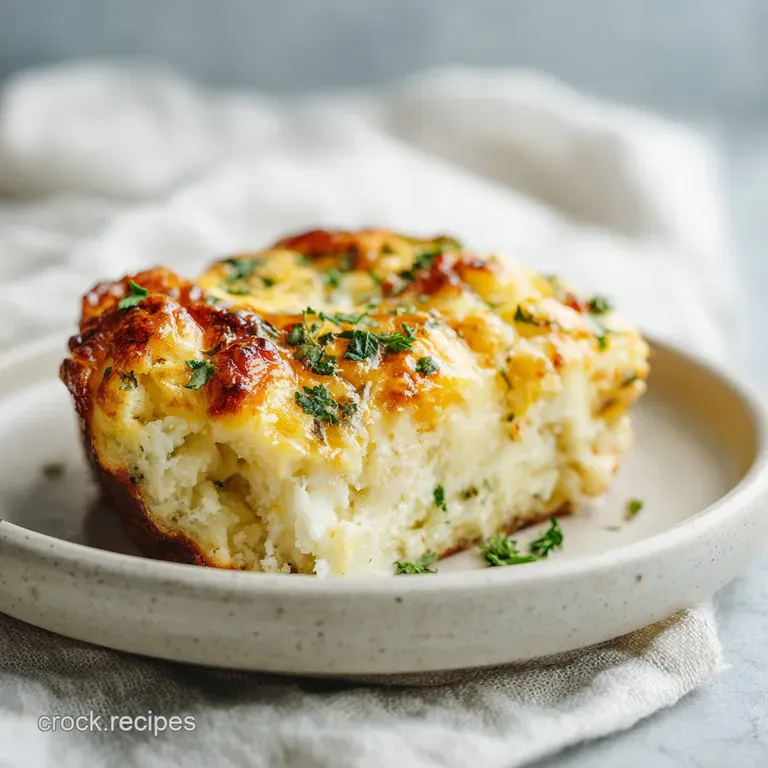
- The Final Bake: Slide the dish into the oven. Bake for 35 minutes until the edges are puffed and golden, but the center still wobbles slightly.
- Rest and Set: Let the dish sit on the counter for 5 to 10 minutes before slicing. Note: This is vital for the carryover cooking to finish the center.
Avoiding Common Mistakes for Better Texture
Even simple recipes can go sideways if you skip the small details. The most common issue with an Egg Casserole is texture either it's too wet or too tough.
Why Your Casserole Is Watery
This usually happens because the vegetables weren't cooked long enough. Bell peppers and onions are mostly water. If you don't sauté them until their edges are golden, that water is trapped inside. Once they hit the oven, the heat breaks down the cell walls, and the water leaks into the egg mixture.
To fix this, always cook your veggies until the pan is dry and they look slightly shriveled.
Why the Eggs Are Spongy
Spongy or rubbery eggs are a sign of overcooking. Eggs are very sensitive to heat; once they pass a certain temperature, the proteins tighten up and squeeze out all the moisture (syneresis). This is why we use Greek yogurt to buffer the proteins and why we pull the dish out while it's still slightly "jiggly."
| Problem | Root Cause | Solution |
|---|---|---|
| Soggy Bottom | Raw veggies released water. | Sauté peppers and onions until all moisture evaporates. |
| Dry/Tough Edges | Oven temperature too high or baked too long. | Use a ceramic dish and pull at the "jiggle" stage. |
| Bland Flavor | Under seasoning the eggs or sausage. | Don't skip the smoked paprika; it adds a "hidden" depth. |
Common Mistakes Checklist
- ✓ Pat the spinach dry if you washed it right before chopping (prevents extra steam).
- ✓ Whisk the eggs until no yogurt clumps remain (prevents white spots in the bake).
- ✓ Let the sausage get a dark brown crust (this is where the "hearty" flavor lives).
- ✓ Grate the cheese fresh (pre shredded cheese can make the texture grainy).
- ✓ Allow the bake to rest for 10 minutes (it makes slicing much cleaner).
Creative Variations for Every Seasonal Palette
Once you master the basic custard, you can adapt this recipe to whatever is in your fridge. If you're looking for a more "comfort food" vibe, you might want to try adding a layer of frozen tater tots to the bottom, similar to a Taco Tater Tot Casserole, which provides a crispy, salty base that people absolutely love.
Swapping for a Hash Brown Base
If you want something even more substantial, you can stir in 2 cups of thawed hash browns into the egg mixture. This turns it into an egg and hash brown casserole that is incredibly filling. Just make sure to squeeze the hash browns in a kitchen towel first to remove excess starch and water.
Going Fully Plant Forward
To make this a healthy crustless egg casserole, you can swap the turkey sausage for crumbled tempeh or simply double the amount of mushrooms and spinach. Sautéed cremini mushrooms add a wonderful "meaty" texture that satisfies even the most dedicated carnivores.
Scaling for Different Crowd Sizes
This recipe is designed for a standard 9x13 dish, but it's easily adaptable.
- Halving the Recipe: Use a 8x8-inch square pan. You’ll use 6 eggs and half of all other ingredients. Check for doneness around 25 minutes, as the smaller volume may cook slightly faster.
- Doubling the Recipe: It’s best to use two separate 9x13 dishes rather than one giant pan. If you try to bake a double thick casserole, the edges will burn before the center sets. If using two pans, increase the salt and spices by 1.5x only to avoid over seasoning.
- Baking Adjustments: If you have two pans in the oven at once, rotate them halfway through the 35 minutes to ensure they both get even heat from the oven's heating elements.
| Servings | Eggs | Sausage | Pan Size | Cook Time |
|---|---|---|---|---|
| 4 people | 6 | 0.5 lb | 8x8 inch | 25-30 mins |
| 8 people | 12 | 1 lb | 9x13 inch | 35 mins |
| 16 people | 24 | 2 lbs | Two 9x13 inch | 35-40 mins |
Debunking Morning Kitchen Myths
A lot of people think you have to use heavy cream to get a fluffy bake. That's a myth! Heavy cream actually makes the eggs very rich and dense, almost like a quiche. Using Greek yogurt provides the fat you need for a velvety mouthfeel but adds a slight acidity that keeps the eggs feeling light and "bouncy" rather than heavy.
Another common misconception is that you need to "beat the life out of the eggs." While you want them well mixed, you don't want to create massive amounts of foam. If you incorporate too much air (like a soufflé), the casserole will puff up impressively in the oven and then collapse into a wrinkled mess as soon as it hits the cool air.
Whisk until uniform, but stop once the yogurt is fully incorporated.
Storage and Zero Waste Kitchen Strategies
This Egg Casserole is the king of leftovers. If you have extra, let it cool completely before wrapping it. It stays fresh in the fridge for up to 4 days. To reheat, I recommend using a toaster oven or the regular oven at 150°C rather than the microwave.
The microwave can make the eggs a bit rubbery, whereas the oven helps maintain that original velvety texture.
For freezing, slice the cooled casserole into individual squares and wrap each in parchment paper followed by foil. They’ll last for up to 2 months. To eat, thaw a square in the fridge overnight and then warm it through.
Zero Waste Tip: Don't throw away those spinach stems or the ends of your onions! Throw them into a freezer bag. Once the bag is full, you can simmer those scraps with some water and a bay leaf to make a quick vegetable stock for your next soup or risotto.
Even the sausage drippings can be saved in a small jar to sauté greens for dinner later in the week.
Serving Suggestions to Round Out the Meal
To turn this bake into a full spread, think about balance. Since the casserole is rich and savory, a bright, acidic side is perfect. A simple fruit salad with lime juice and mint or a crisp green salad with a lemon vinaigrette works wonders. If you're feeling adventurous, these Crispy air fryer egg rolls make a fun, crunchy side dish that keeps the breakfast vibe interesting.
If you’re serving this for a special occasion, a tray of toasted sourdough or some light, flaky croissants are the perfect vessel for soaking up any leftover custard on the plate. No matter how you serve it, this hearty, satisfying dish is sure to become a staple in your rotation.
Enjoy the sizzle, the smell, and most importantly, that first velvety bite!

Recipe FAQs
What are the ingredients in egg casserole?
This recipe relies on a specific blend of 1 lb lean turkey sausage, 1 diced red bell pepper, 1 minced yellow onion, 3 cups fresh baby spinach, and 2 cloves of minced garlic. The custard base consists of 12 large pasture raised eggs, 0.5 cup full fat plain Greek yogurt, 0.25 cup whole milk, 1 tsp sea
salt, 0.5 tsp black pepper, 0.25 tsp smoked paprika, 1.5 cups shredded sharp white cheddar, and 2 tbsp fresh chives.
Is it true Jackie Kennedy had a specific egg casserole recipe?
No, this is a common misconception. There is no documented historical record of an "official" egg casserole recipe attributed to her, despite many online claims that associate her name with various egg-and-cheese dishes.
What is in cowboy casserole?
Cowboy casserole typically refers to a hearty, layered dish featuring ground meat, beans, and potatoes or corn. It differs significantly from this egg-focused dish, which uses a custard base of eggs and Greek yogurt to achieve a silky texture similar to how we balance proteins in our Welsummer chicken frittata.
What's the difference between a frittata and an egg casserole?
A frittata is primarily stovetop cooked and finished in the oven, whereas this casserole is baked entirely in a 9x13-inch dish. The casserole relies on the 35-minute oven time at 350°F to set the custard, resulting in a deeper, sliceable structure compared to the flatter, thinner profile of a
frittata.
How to prevent a watery casserole?
Sauté the onions and peppers until all internal moisture has fully evaporated before adding them to the baking dish. Additionally, ensure your fresh baby spinach is thoroughly patted dry after washing to prevent excess steam from softening the custard during the 35-minute bake.
How to achieve the perfect texture?
Whisk your eggs and Greek yogurt vigorously until the mixture is pale yellow and free of any yogurt streaks. Allowing the final dish to rest for 10 minutes after removing it from the oven is also essential, as it permits the center to finish setting via carryover cooking for a cleaner slice.
How to store leftovers properly?
Cool the casserole completely before wrapping it tightly for the refrigerator, where it stays fresh for up to 4 days. For longer storage, slice the cooled dish into individual squares, wrap them in parchment and foil, and freeze for up to 2 months; always reheat in an oven at 150°C rather than a
microwave to avoid rubbery eggs.
Fluffy Turkey Sausage Egg Casserole
Ingredients:
Instructions:
Nutrition Facts:
| Calories | 298 kcal |
|---|---|
| Protein | 25.8 g |
| Fat | 19.5 g |
| Carbs | 3.8 g |
| Fiber | 0.6 g |
| Sugar | 1.8 g |
| Sodium | 745 mg |
