Toffee Cookies: the Ultimate Golden Crunch Drop Cookie Recipe
- The Ultimate Golden Crunch Toffee Cookies: Perfecting the Classic Drop
- Essential Ingredients for Flawless Toffee Cookies and Smart Swaps
- Mastering the Method: Step-by-Step Baking Instructions
- The Science Behind the Superior Chew: Why This Dough is Different
- Troubleshooting Toffee Cookies: Pro Tips and Preventing Spreading
- Extending Freshness: Storage and Freezing Guidelines
- Perfect Pairings: How to Serve Your Golden Crunch Toffee Cookies
- Recipe FAQs
- 📝 Recipe Card
The Ultimate Golden Crunch Toffee Cookies: Perfecting the Classic Drop
You know that scent? That warm, buttery, slightly caramelized aroma that floods your kitchen and immediately makes you feel like everything is right in the world? That’s the smell of these Golden Crunch Toffee Cookies, and honestly, they are just perfection.
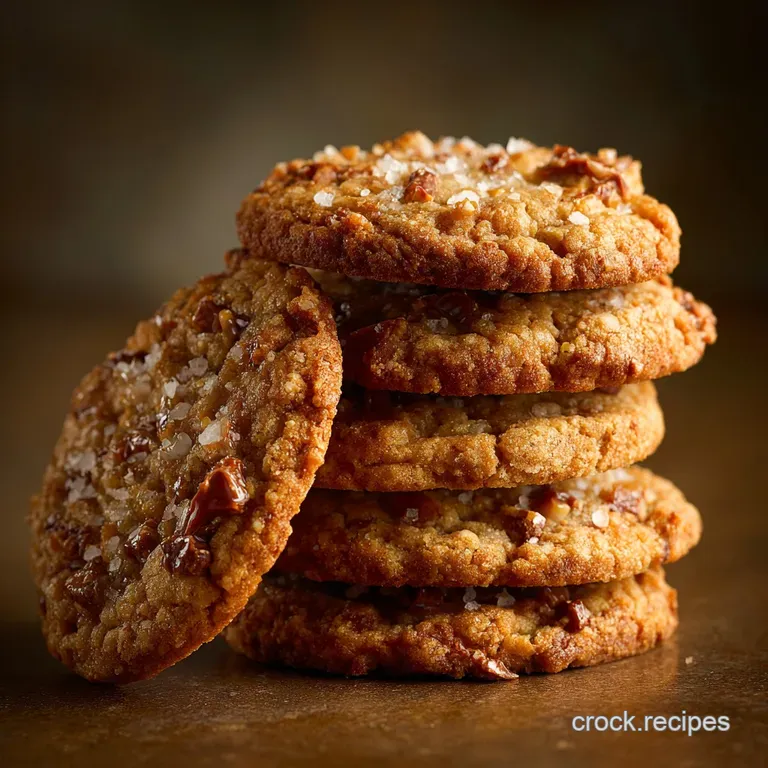
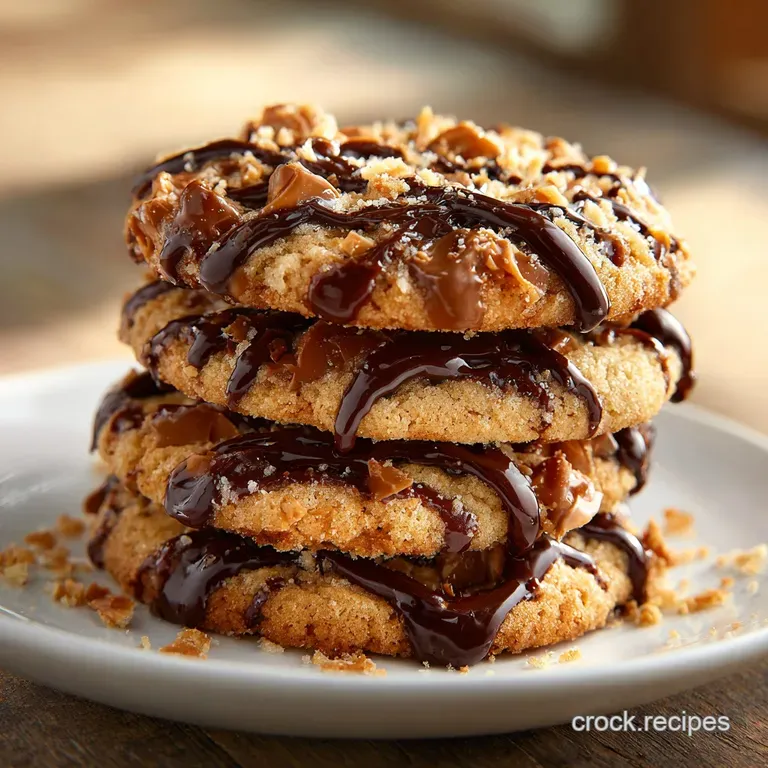
They hit that sweet spot: crispy edges that shatter gently, giving way to a rich, dense, and gloriously chewy toffee cookie center.
These cookies are my emergency recipe, my secret weapon when I need something phenomenal, fast. They rely on simple pantry staples, but the addition of those crunchy, melt-in-your mouth English Toffee bits (Skor, Heath, whatever you prefer!) turns a basic cookie into a deep, butterscotch flavored masterpiece.
If you’ve been searching for an easy toffee cookies recipe that genuinely delivers on texture, stop looking.
I’ve wasted years on flat, greasy, disappointing cookies, but I finally cracked the code and it comes down to sugar ratios and temperature control. We are making serious, bakery worthy drop cookies today, so grab your stand mixer.
Let’s crack on and talk about achieving maximum butterscotch euphoria.
Defining the Perfect Toffee Cookie Texture (Chewy Center, Crisp Edges)
The ideal Toffee Cookie is a balancing act, right? We want that substantial chew in the middle, but we also crave those perfectly browned, slightly brittle edges where the butter has caramelized. This specific recipe uses a combination of techniques to lock in moisture and manage spread.
This isn’t like those light, cakey sugar cookies; this cookie dough is dense. We are building a foundation that can withstand the intense, sugary heat from the melting toffee, which is why we incorporate an extra fat source into the mix.
What Makes This Recipe Stand Out? (The Brown Sugar and Butter Base)
The secret weapon here is the dominance of brown sugar and that critical extra egg yolk. Brown sugar, being acidic and containing molasses, prevents the rapid crystallization of sugar, meaning your cookies stay softer longer.
It provides that sticky, salted caramel toffee cookies chewiness we’re dying for.
Using softened, but not melted, butter in the creaming process also incorporates more air, ensuring your cookies rise slightly rather than just spreading into thin puddles. It’s all about engineering the perfect, thick centered cookie that doesn’t require three hours of chilling time.
A Brief History of the Beloved Toffee Drop
Honestly, the history of the drop cookie is just the history of laziness in the best possible way. Why mess with rolling pins and cookie cutters when you can just scoop and bake?
English Toffee Cookies became popular because toffee itself is such a classic treat, and adding it to a simple, familiar base just made sense.
I used to think adding toffee bits meant they would all burn, but I learned that modern store-bought toffee (like Skor cookies or Heath) is formulated to hold up surprisingly well in the oven.
It just melts enough to create golden pools of butterscotch flavour that marry perfectly with the dough.
Essential Ingredients for Flawless Toffee Cookies and Smart Swaps
Getting the ingredients right is half the battle, especially in baking, where chemistry reigns supreme. Trust me, I once mistook baking powder for baking soda and the resulting cookies were puffballs of disappointment. Always check your leavening agents!
| Ingredient | Role in Cookie | Substitution (If Needed) |
|---|---|---|
| All-Purpose Flour | Structure | 1:1 gluten-free Blend (By Weight) |
| Unsalted Butter | Richness, Structure | high-quality Vegan Butter Sticks |
| Brown Sugar | Chewiness, Moisture | Use all Granulated + 1 tsp Molasses |
| Toffee Bits | Flavor, Texture | Crushed Hard Caramel Candy or Brittle |
| Egg Yolk | Density, Fat Content | Small amount of heavy cream (1 tsp) |
Choosing the Right Toffee Bits (Homemade vs. store-bought Selection)
I always opt for store-bought English Toffee bits (like Heath or Skor) because they are reliable, pre-crushed, and often have a thin layer of chocolate coating that adds depth. If you prefer pure Toffee Cookies No Chocolate , make sure to buy the bags specifically marked as "toffee baking bits" or the plain Skor/Heath versions.
If you absolutely must use homemade toffee, ensure it’s completely cool and crushed into small, pea-sized pieces. Large chunks will melt too quickly and might burn before the cookie is done.
Flour Power: Why All-Purpose is Ideal for Cookie Structure
We rely on good old all-purpose flour here because the medium protein content gives us enough structure without resulting in a tough cookie. Crucially, measure your flour correctly. Do not scoop the flour directly from the bag! Spoon it lightly into your measuring cup, then level it off.
Chef's Note: If you want truly consistent cookies, buy a cheap digital scale and measure 270g of flour. This eliminates the number one cause of dry, crumbly dough.
Detailed Notes on Fats (Salted vs. Unsalted Butter)
Unsalted butter allows you total control over the salt content, which is vital when you are adding sweet, commercial toffee bits. I use a slightly generous amount of salt in the dry ingredients to balance the intense sweetness.
If you only have salted butter, reduce the recipe’s added salt by half a teaspoon. Also, make sure your butter is truly softened, not greasy or shiny. Press it lightly; your finger should leave an indent, but the butter should still hold its shape.
The Critical Role of Brown Sugar vs. Granulated Sugar
We use more brown sugar than white sugar in this recipe to maximize that moist chewiness. The small amount of granulated sugar is necessary to aid in the spread and give the edges a satisfying crispness.
If you are trying to cut back on sugar (which, why?), substitute the sugars with something like honey or maple syrup at your own risk. The liquid content will completely change the structure, likely requiring a heavy reduction in other liquids, and honestly, this recipe is worth the sugar.
Mastering the Method: step-by-step Baking Instructions
Creaming vs. Melting: Achieving the Base Consistency
This recipe utilizes the standard creaming method. In the bowl of your stand mixer, beat the softened butter, brown sugar, and granulated sugar together for a full 3 to 4 minutes on medium high speed. Do not cut this time short.
The mixture should look pale, fluffy, and voluminous. This aeration is what makes the final cookie tender.
Avoiding Overmixing: Gentle Folding for Tender Results
Once the butter and sugars are creamed, beat in your whole egg, followed by the extra egg yolk and vanilla. Scrape the bowl well. When you introduce the dry ingredients (flour, salt, baking soda), turn the mixer to the lowest speed and add it gradually.
Stop the mixer the second you see the last streak of flour disappear.
I once kept mixing "just to be sure," and the resulting gluten development turned my batch into hockey pucks. Use a rubber spatula to fold in the toffee bits gently by hand afterward. If you overmix, your beautiful chewy toffee cookies will be tough and flat.
The Scoop and Bake: Achieving Uniformity and Size
Uniformity is key to even baking. Use a 3 tablespoon cookie scoop (a standard ice cream scoop size). Place your dough balls 2 inches apart on parchment lined trays.
Important: Chilling is non-negotiable for these. Even 30 minutes in the fridge will help the fats re-solidify, preventing excessive spreading.
If you have time for 60 minutes or more, the flavor deepens beautifully, giving you true brown butter toffee cookies richness even without browning the butter.
Recognizing the Perfect Golden Doneness
Bake these cookies at 350°F (175°C) for 10 to 12 minutes. You are looking for edges that are definitively set and deep golden brown. The center, however, should still look puffy and slightly underdone a pale gold.
Resist the urge to bake until the whole thing is dark brown! The residual heat on the baking sheet will finish cooking the centers perfectly, guaranteeing that soft, fudgy texture.
The Science Behind the Superior Chew: Why This Dough is Different
The Importance of the Extra Egg Yolk in Drop Cookies
Why add just a yolk? Simple: fat without protein. The yolk is almost pure fat and emulsifiers, adding immense richness and helping keep the texture soft and dense. If you added a whole extra egg, the extra protein (from the white) would toughen the cookie, creating a more cake like crumb. We want density, baby! This trick works wonders in everything from my Chocolate Gooey Butter Cookies: Decadent Fudge Bomb Recipe to standard chocolate chip doughs.
My Cookies Spread Too Much: Quick Fixes
This usually happens for two reasons: your butter was too warm, or you added too little flour. If your dough feels greasy, pop it in the fridge immediately. If they still spread halfway through baking, try the 'Thwack Method.'
Pull the baking sheet out at the 6 minute mark and lift it a few inches above the counter. Drop it straight down. This forcefully deflates the air pockets, stopping the spread, and encouraging those desirable wrinkles.
Do I Really Need to Chill the Dough? (The Temperature Debate)
Yes, you need to chill the dough. Full stop. Cold fat melts slower. When the cold cookie hits the hot oven, the exterior sets before the fat has time to spread everywhere, leading to a thicker, chewier final cookie.
Chilling also allows the flour to fully hydrate, which reduces graininess and develops a deeper flavor. This simple step separates the home baker from the expert.
Troubleshooting Toffee Cookies: Pro Tips and Preventing Spreading
The number one mistake I see people make (and one I made constantly) is misjudging the butter temperature.
- Too Warm Butter: If you try to cream melted or semi melted butter, you won't incorporate enough air, and the final cookies will be dense, flat, and overly greasy. Fix: If the dough is too warm, chill it for 30 minutes until it firms up before baking.
- Overmixing the Flour: Tough cookies are often a result of developing too much gluten. Fix: Use the lowest speed on your mixer when adding flour and stop mixing as soon as you can’t see the white powder anymore.
- Toffee Burning: If your toffee and chocolate chip cookies (or plain toffee cookies) are browning too fast, your oven temperature might be wrong, or your baking sheet is too dark. Fix: Reduce the oven temp by 25 degrees, or use light coloured aluminum baking sheets.
Extending Freshness: Storage and Freezing Guidelines
How to Properly Freeze Raw Toffee Cookie Dough Balls
This dough freezes beautifully! Scoop the raw dough balls onto a baking sheet, then freeze solid (this is called "flash freezing"). Once they are hard (about 1- 2 hours), transfer them to an airtight zip-top freezer bag or container.
They will last perfectly in the freezer for up to 3 months. When you want a fresh cookie, bake them directly from frozen, adding 2 to 4 minutes to the total baking time.
Reviving Day-Old Toffee Cookies
If your cookies have gone slightly stale, don’t toss them! Pop them into the microwave for about 10 15 seconds, or put them in a 300°F (150°C) oven for about 5 minutes. The warmth re-melts the butter and sugar in the toffee, making them taste warm and fresh again.
For longer storage, keep fully cooled cookies in an airtight container at room temperature for up to 5 days.
Perfect Pairings: How to Serve Your Golden Crunch Toffee Cookies
These cookies are perfect on their own, but they play incredibly well with others too.
- The Adult Treat: Serve with a rich, dark espresso or a glass of cold milk. The bitterness of the coffee cuts through the butterscotch richness.
- The Dessert Board: I love serving these next to something sharp and creamy. They pair surprisingly well with aged cheddar cheese and slices of crisp green apple. Don't knock it 'til you try it!
- Ice Cream Sandwiches: For a truly decadent treat, sandwich two of these cooled cookies around a scoop of salted caramel ice cream.
- Cookie Mix: If you are building a holiday assortment, these golden crunch cookies offer a perfect contrast to something fudgy like Peppermint Brownie Cookies: The Fudgiest Crinkle Top Recipe or something brighter like my Starbucks Copycat Confetti Sugar Cookies Thick, Soft Bakery Recipe . They offer the necessary buttery texture variation.

Recipe FAQs
How should I store The Golden Crunch Toffee Cookies, and how long do they last?
Store fully cooled cookies in an airtight container at room temperature for up to 5 days. To help maintain their signature chewiness, you can place a half slice of plain white bread in the container; the bread absorbs excess air moisture, keeping the cookies soft.
My cookies spread too much and ended up very flat. What went wrong?
Excessive spread is typically caused by butter that is too warm or dough that hasn't been sufficiently chilled. Ensure your butter is just softened (press lightly, leaving a small indentation) and always chill the formed dough balls for at least 30 minutes before baking to solidify the fats.
Can I use soft caramel candies or homemade toffee instead of baking chips?
It is best to stick to hard, brittle toffee chips (like Skor or Heath pieces) for this recipe, as softer caramels will fully melt and seep out of the cookie, making a greasy mess. If using homemade toffee, ensure it is fully cooled and shattered into small, firm pieces before mixing into the dough.
The toffee seems to burn before the cookie is fully baked. How can I prevent this?
Burning occurs when the toffee is exposed to heat for too long or is placed too high in the oven. Try pressing the toffee pieces slightly into the center of the dough balls rather than leaving them exposed on the surface, and ensure you are baking on the middle rack.
Can I freeze the cookie dough for later use?
Yes, this dough freezes wonderfully! Scoop the dough into balls, flash freeze them on a baking sheet until solid, and then transfer them to an airtight freezer bag or container for up to three months. When ready to bake, you can place them directly on the cookie sheet, adding 2 4 minutes to the total baking time.
What variations or additions pair well with the Toffee Cookie base?
The brown sugar base is robust and handles additions beautifully. For extra richness, fold in 1/2 cup of semisweet chocolate chips or chopped pecans alongside the toffee pieces. A light sprinkling of flaky sea salt on top before baking will also dramatically enhance the overall flavor profile.
Is it possible to make a vegan version of this recipe?
You can adapt this recipe by substituting the butter with a high-quality vegan butter stick blend (avoid tubs or spreads) and utilizing a suitable egg replacer like commercial powder or a flax egg. Crucially, verify that the toffee chips you select are dairy-free, as standard Heath or Skor pieces contain milk.
Golden Crunch Toffee Cookies
Ingredients:
Instructions:
Nutrition Facts:
| Calories | 220 kcal |
|---|---|
| Fat | 12 g |
| Fiber | 1 g |
