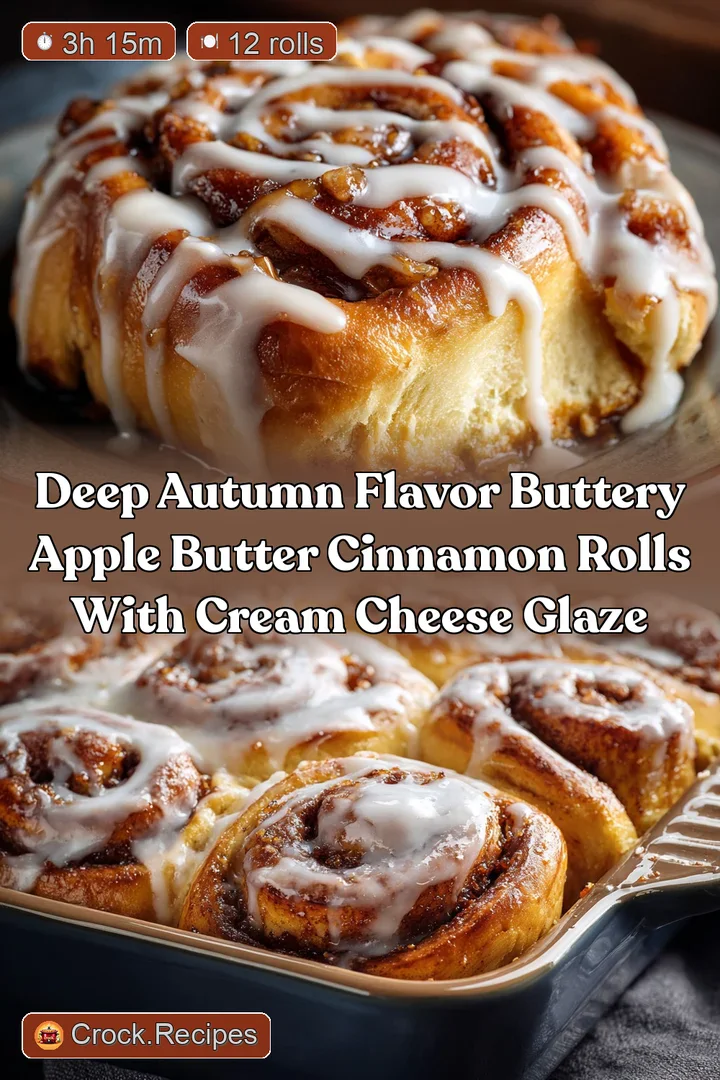
The Hearthside Apple Butter Swirls with Brown Sugarcream Cheese Glaze
- Elevating the Classic: Why Apple Butter Belongs in Your Cinnamon Rolls
- The Philosophy of the Hearthside Swirl: Technique Meets Flavor
- Assembling Your Mise en Place for Perfect Apple Butter Cinnamon Rolls
- Essential Equipment for Mastering the Swirl
- The Chef's Guide to Patience: Kneading, Proofing, and Shaping the Rolls
- From Dough Slab to Golden Swirl: Baking and Finishing Steps
- Optimal Storage and Make-Ahead Strategies
- Troubleshooting and Customizing Your Autumnal Bake
- Recipe FAQs
- 📝 Recipe Card
Elevating the Classic: Why Apple Butter Belongs in Your Cinnamon Rolls
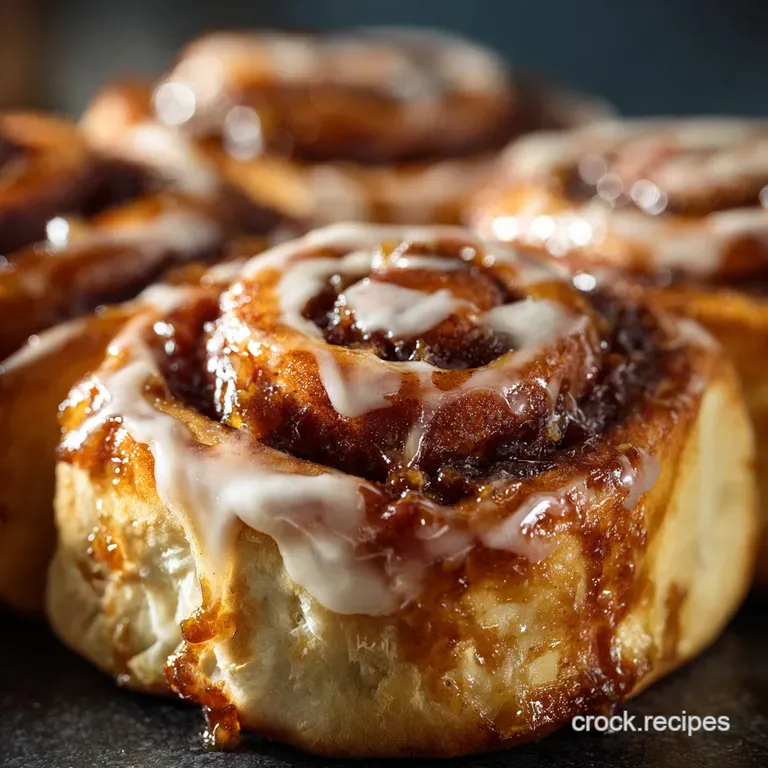
The traditional cinnamon roll is a beautiful comfort, but baking is about evolution. Our focus here is on crafting the definitive autumn treat: the Apple Butter Cinnamon Rolls .
These aren't just sweet bread; they are a deep dive into seasonal flavour, transforming the typical sugary filling into a rich, complex center that truly sings. The primary advantage of using apple butter, rather than simply fresh apples or an overly sugary cinnamon paste, is the concentrated depth it provides.
Apple butter, cooked low and slow, develops an intense, slightly acidic fruitiness that cuts through the richness of the brioche dough. It adheres better to the dough, preventing the frustrating 'filling leak' common in fruit filled rolls, and creates a beautifully moist interior.
When you search for the perfect apple butter cinnamon rolls recipe , you are seeking that precise balance a pillowy, buttery roll yielding to a dark, caramelized fruit center.
This technique guarantees an unparalleled richness in every bite of these exceptional apple butter sweet rolls .
The Philosophy of the Hearthside Swirl: Technique Meets Flavor
Achieving the perfect structure and flavour profile for these apple butter cinnamon buns requires careful attention to three core elements: the dough, the fruit foundation, and the accompanying spice blend.
The Magic of Brioche: Achieving the Softest Dough Base
Unlike an average yeast roll, we begin with a rich brioche dough. Brioche incorporates a higher ratio of fat and eggs, specifically 6 tablespoons (85 grams) of melted butter and two large, room temperature eggs, alongside 1 cup (240 ml) of warm whole milk.
This addition of fat inhibits gluten development slightly, but when properly kneaded for 7– 10 minutes, the result is a beautifully elastic, tender dough that offers superior pillowy texture.
This structure is essential to support the heavy, luscious filling without becoming dense or tough.
Unlocking Deep Flavor: Homemade vs. store-bought Apple Butter
The quality of your core ingredient profoundly impacts the final roll. While store-bought apple butter can work in a pinch, I strongly advocate for sourcing or making a proper, thick Homemade Apple Butter . The consistency must be substantial closer to a fruit paste than a runny jam.
If the apple butter is too liquid, the excess moisture will compromise the dough's rise and lead to a leaky, messy baking experience. The best apple butter delivers a complex flavor profile that has been concentrated through slow reduction, providing notes of caramel and deep spice that cannot be replicated by simply mixing cinnamon and sugar.
A Deep Dive into the Autumnal Spice Blend
To truly complement the fruit base, we layer the filling. Before the apple butter goes down, we apply a classic creamed mixture of ½ cup (113 grams) softened butter and ½ cup (110 grams) dark brown sugar.
This butter layer serves two functions: it locks the moisture into the roll and provides an additional, rich caramel note during baking. To this base, we introduce 2 teaspoons of ground cinnamon and a generous pinch about ¼ teaspoon of freshly grated nutmeg.
This combination, applied beneath the apple butter, ensures the spice permeates the entirety of the swirl, creating a flavour more harmonious than traditional fillings.
Assembling Your Mise en Place for Perfect Apple Butter Cinnamon Rolls
A successful bake begins long before the oven preheats. Given the medium difficulty of this apple butter cinnamon rolls recipe , precise measurements and preparation are non-negotiable.
Mise en place, or "everything in its place," means having all 17 ingredients from the active dry yeast (7 grams) to the softened cream cheese (113 grams) for the glaze weighed out and ready.
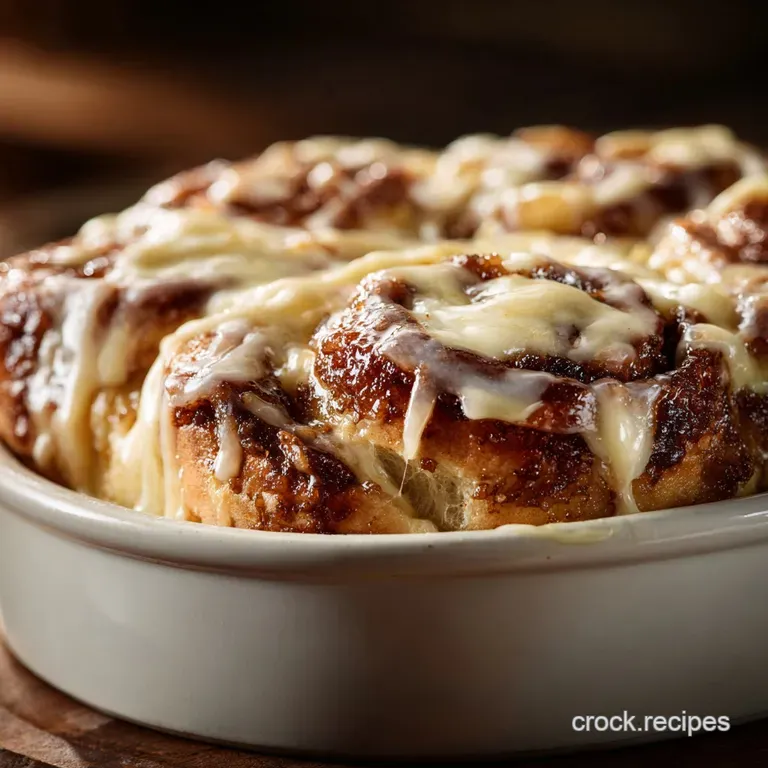
Crucially, all refrigerated ingredients, specifically the two eggs and the butter for both the dough and the glaze, must be brought to room temperature to ensure proper emulsification during mixing, which contributes directly to the final tenderness of the sweet rolls.
Essential Equipment for Mastering the Swirl
While many elements of baking are about technique, having the right tools makes the process intuitive and guarantees the desired professional result.
The Essentials for the Rich Brioche Dough
The structure of the dough relies heavily on proper kneading, a task best delegated to a stand mixer equipped with a dough hook attachment. This saves time and ensures the dough reaches the crucial "windowpane stage" where the gluten is fully developed and elastic.
You will require a large mixing bowl for the bulk fermentation (first rise).
Creating the Highly Spiced Apple Butter Filling
The filling ingredients softened butter, dark brown sugar, cinnamon, and nutmeg need only a medium sized bowl and a hand mixer or wooden spoon to be creamed until light and fluffy.
Remember, the star of the show here is the cup (270 grams) of thick apple butter, which should be easily spreadable but not runny.
Components for the Tangy Brown Sugar Cream Cheese Glaze
The decadent glaze requires 4 ounces (113 grams) of softened cream cheese and 2 tablespoons (28 grams) of softened butter, which must be beaten until velvety smooth before incorporating the 2 cups (240 grams) of sifted powdered sugar and the final touch of vanilla and heavy cream.
Specialized Baking Tools That Ensure Success
A kitchen thermometer is non-negotiable for activating the 7 grams of yeast, ensuring the 1 cup of whole milk is precisely between 105 115°F (40 46°C). On top of that,, a reliable rolling pin is necessary to roll the dough into the required 12 x 18 inch (30 x 45 cm) rectangle, and a sturdy 9x13 inch metal baking pan is needed for the final proof and bake, yielding 12 consistently sized rolls.
Related Recipes Worth Trying
- 27Minute Lemon Garlic Butter Salmon with Zucchini Noodles Quick Keto Dinner — This Lemon Garlic Butter Salmon with Zucchini Noodles is a cracker Get perfect crispy skin and a bright buttery sauce in under 30 minutes The ultimate quick...
- Crisp Garlic Herb Butter Chicken Thighs Asparagus Skillet — Master these onepan Garlic Herb Butter Chicken Thighs with Asparagus Achieve cracklingcrisp skin and juicy meat bathed in a luxurious Rosemary Garlic Herb...
- The Ultimate PanSeared Ribeye Steak Recipe Garlic Butter Baste — Master this restaurantquality panseared ribeye the ultimate of all steak recipes for dinner Achieve a perfect crust and juicy interior with our foolproof...
The Chef's Guide to Patience: Kneading, Proofing, and Shaping the Rolls
The journey from flour and milk to golden Apple Butter Cinnamon Rolls requires patience. Our total active prep time is about 35 minutes, but the passive time waiting for the dough to develop is the real secret weapon, totaling over 2 hours of rest time.
After the initial yeast bloom, the dough must be kneaded for 7– 10 minutes until it passes the windowpane test, achieving the perfect elasticity. Following kneading, the dough must undergo its first rise (bulk fermentation) for 60 to 90 minutes until doubled in size.
This slow, steady rise is responsible for the deep flavour and soft texture of the brioche base, making this iteration a significant step up from an Easy Cinnamon Rolls Recipe .
From Dough Slab to Golden Swirl: Baking and Finishing Steps
Precision in filling and shaping ensures beautiful, uniform rolls that bake perfectly in 25– 30 minutes.
Activating the Yeast and Initiating the Dough Mix
The process begins by warming the 240ml of milk to the precise temperature range never hotter than 115°F and combining it with the yeast and a pinch of granulated sugar.
Once the yeast is visibly foamy (after 5– 10 minutes), it’s ready to be combined with the dry ingredients, melted butter, and room temperature eggs. After the 7– 10 minutes of kneading in the stand mixer, the dough is ready for its first rest.
The Cold Proof Technique for Maximum Flavour Development
While the first rise is typically done at room temperature, professional bakers often employ a cold proof for the second stage to enhance flavour. If time permits, instead of proofing for the final 30– 45 minutes at room temperature, cover the shaped rolls tightly and place them in the refrigerator overnight.
This cold retardation slows the yeast activity, deepening the fermentation and concentrating the buttery, autumnal flavour before the rolls are baked the next morning.
Laying Out the Filling: Edge-to-Edge Coverage Strategy
Once the dough has been punched down and rolled to its 12 x 18 inch dimension, the filling application must be systematic. First, spread the spiced butter and brown sugar mixture evenly across the entire surface, leaving a half inch border only on the far long edge.
Then, gently spread the full cup of thick apple butter over the top of the spiced butter layer. This edge-to-edge coverage ensures every layer of the swirl is generously filled before rolling the cylinder tightly.
The Art of the Clean Cut: Flossing for Seamless Rolls
Using a knife, even a very sharp one, can compress the delicate dough and squeeze the filling out. The preferred technique is to use unflavored dental floss. Slide a length of floss beneath the rolled log, position it where you intend to cut (approximately every 1 ½ inches / 4 cm to yield 12 rolls), cross the ends over the top, and pull them sharply in opposite directions.
This non-destructive technique guarantees perfectly round, uniform rolls ready for their final proof. The rolls are then nestled cut-side up into the buttered 9x13 inch pan.
Optimal Storage and make-ahead Strategies
These rich Apple Butter Cinnamon Rolls are undoubtedly best served warm, immediately after the application of the creamy brown sugar glaze. However, if you are planning to bake ahead, they store well.
Baked and glazed rolls can be kept in an airtight container at room temperature for up to two days. For longer storage, the unglazed, fully baked rolls can be frozen. Once completely cooled, wrap the rolls individually in plastic wrap, then place them in a freezer bag or container for up to two months.
The glaze should always be stored separately in the refrigerator and applied after the rolls have been reheated.
Troubleshooting and Customizing Your Autumnal Bake
Understanding the nuances of yeast dough allows for flexibility and problem solving, ensuring you get perfect results every time.
Can These Apple Butter Cinnamon Rolls Be Prepared Overnight?
Absolutely. As detailed in the cold proof technique, preparing the dough through the shaping stage (steps 1 12) and then storing the covered pan in the refrigerator for 8 to 12 hours is an excellent strategy for convenience and flavour development.
When ready to bake, remove the rolls from the fridge and allow them to sit at room temperature for 60 minutes before proceeding with the baking step. If you are looking for an apple butter cinnamon rolls no yeast option, you would need to switch to a baking powder/soda quick roll base, but be aware this sacrifices the classic brioche tenderness for speed.
Reheating Instructions to Maintain Freshness and Softness
If reheating previously baked rolls, avoid the microwave, which tends to make the edges tough. The best method is to tent the rolls loosely with foil and reheat them in a preheated oven at 300°F (150°C) for 10– 15 minutes.
This gentle heat restores the internal softness without drying out the crust.
Expert Tips for Avoiding Dry or Tough Rolls
Tough rolls are usually the result of one of two things: over kneading (unlikely with a stand mixer) or adding too much flour during the kneading and rolling stages. Use flour judiciously when rolling the dough; only use enough to prevent sticking. Next,, ensure you do not over bake them.
Use a probe thermometer to confirm doneness; the rolls are perfectly baked when they reach an internal temperature of 200°F (93°C). If the tops are browning too quickly, tent them lightly with foil for the remainder of the bake time.
Glaze Alternatives: dairy-free and Maple Options
While the brown sugar cream cheese glaze is spectacular, you can customize it easily. For a richer, deeper autumnal note, substitute half of the vanilla extract with a good quality bourbon and use maple syrup instead of heavy cream to thin the glaze, resulting in a Bourbon Maple glaze.
Alternatively, if you wish to enjoy your apple butter cinnamon rolls with apple cider glaze , simply reduce 1 cup of apple cider on the stovetop until it yields about 3 tablespoons of thick syrup.
Use this cider reduction instead of heavy cream to thin the powdered sugar and cream cheese, imparting a delightful tartness. For dairy-free requirements, substitute the heavy cream and butter in the glaze with plant based alternatives full-fat oat milk is highly recommended for texture.
Recipe FAQs
These Apple Butter Cinnamon Rolls sound amazing, but what if my apple butter is too runny? I don’t want a soggy bottom!
That is a proper concern, as excess moisture is the enemy of a beautifully baked cinnamon roll. If your apple butter is more like a thin jam, it will leak out during the proofing and baking stages, resulting in a slightly 'soggy bottom' or a flat roll.
To avoid this spot of bother, simply cook the apple butter gently in a small pan for about 5 to 10 minutes until it reduces and thickens considerably, like a heavy paste. Alternatively, stir in a teaspoon of cornflour (cornstarch) to help bind the liquid before spreading it on the dough.
I need these rolls ready for Sunday brunch. Can I prepare the dough the night before?
Absolutely, yes! The overnight method often yields an even richer flavour. After shaping and placing the rolls into the baking dish (Step 12), cover them tightly with cling film and place them in the fridge to complete their second, slow proof (for up to 12 hours).
In the morning, take the pan out of the fridge an hour before you plan to bake. This crucial step allows them to warm up and complete their final puff before hitting the oven, ensuring maximum lift and fluffiness.
I haven’t got any proper apple butter knocking about. What’s a good stand-in for the filling?
If you’re caught short, you have a few options, provided the substitute is thick and not too watery. The easiest swap is a quality, thick spiced fig jam or a spiced pear spread, as they share the deep autumnal profile of apple butter.
Alternatively, you could make a quick, thick apple filling using finely diced or grated apples cooked down with brown sugar and cornflour until nearly dry, then mixing it with the spiced butter called for in the recipe.
How do I ensure these big, doughy swirls are cooked right through and not raw in the middle?
The best way to guarantee proper cooking is by checking the internal temperature; they are done when they hit 200°F (93°C). Visually, the rolls should be gorgeously golden brown on top, but the middle should still look slightly soft and buttery.
If the tops begin to brown too quickly before the centre is done, simply loosely tent the pan with a piece of foil for the remaining bake time. This acts as a little hat, preventing scorching while the dough cooks through.
How should I store leftover Apple Butter Cinnamon Rolls, assuming there are any, and how long will they keep fresh?
These rolls are always best devoured on the day they’re baked, but leftovers can certainly be kept. Store them in an airtight container at room temperature for up to two days, or in the fridge for up to four days.
To revive them, heat them gently in the microwave for 15-20 seconds, or pop them into a 300°F (150°C) oven, loosely covered in foil, for about 10 minutes. This will restore that lovely, soft, squishy texture.
Hearthside Apple Butter Swirls
Ingredients:
Instructions:
Nutrition Facts:
| Calories | 1008 kcal |
|---|---|
| Protein | 8.2 g |
| Fat | 13.6 g |
| Carbs | 48.0 g |
| Fiber | 7.2 g |
| Sodium | 128 mg |
