Homemade Vegetable Soup: the Essential Hearty Recipe (A Proper Hug in a Bowl)
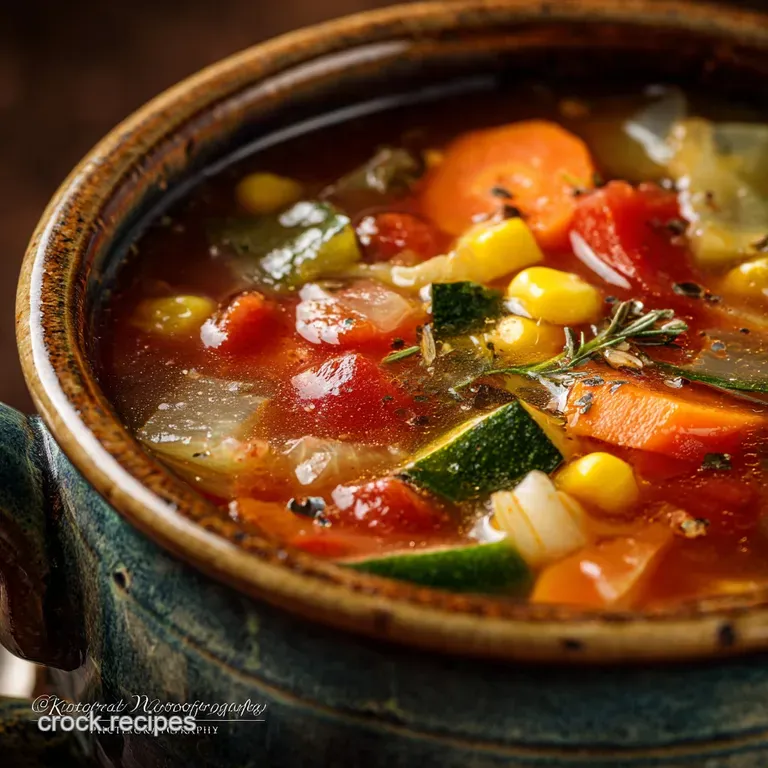
- The Essential Hearty Vegetable Soup: Why We Skip the Canned Version
- The Science of Comfort: Mastering Deep Flavor Extraction
- All the Produce: Ingredients List and Flexible Swaps for Homemade Vegetable Soup
- How to Build Immense Flavor: Step-by-Step Cooking Method
- Troubleshooting Your Soup: Tips for the Perfect Consistency and Flavor
- Make-Ahead and Preservation Guide for Homemade Vegetable Soup
- Essential Sides: Pairing Your Hearty Soup for a Complete Meal
- Recipe FAQs
- 📝 Recipe Card
The Essential Hearty Vegetable Soup: Why We Skip the Canned Version
When that specific smell hits you you know the one, that savoury cloud of softened onion and earthy herbs it’s pure magic. It instantly signals that comfort is coming, promising a hug in a bowl that actually delivers.
This homemade vegetable soup is thick, robust, and full of honest-to-goodness flavour, leaving the tinned versions absolutely nowhere near the competition.
Honestly, this simple soup recipe is a true weeknight lifesaver and the best possible way to use up those odds and ends hiding in your crisper drawer. It costs almost nothing to make a massive, nourishing pot, and it freezes like a total dream.
Eating something so nutrient dense just makes you feel really accomplished and happy, doesn’t it?
We aren't just boiling vegetables and hoping for the best; we are building incredible flavour complexity using a few key cooking techniques I stole from professional kitchens. Trust me, the small amount of extra time spent prepping the vegetables pays off tenfold in the final product.
Let's crack on and figure out exactly how to master the absolute best homemade vegetable soup from scratch.
The Science of Comfort: Mastering Deep Flavor Extraction
Making truly delicious, deeply flavoured soups isn't about expensive ingredients; it's about technique. The key to this simple vegetable soup is layering aromatics and acids properly before the simmering even begins. We need to wake up those gentle vegetable flavours before drowning them in stock.
Building Flavor Depth: The Mirepoix Foundation
The French call it mirepoix , but you just need to know it as onion, carrot, and celery. This trio is the aromatic backbone of almost every great soup, stew, and sauce ever made. The critical step here is cutting them uniformly and cooking them slowly over low heat until they are soft and translucent.
Don’t skip this 10 minute "sweat." If you rush it, your soup will taste flat, bitter, and raw.
Understanding the "Hug in a Bowl" Texture
Nobody wants watery vegetable soup, but we are also skipping heavy cream or flour here. The rich texture comes naturally from the starches released by the potatoes and the slight breakdown of the diced tomatoes during the long simmer.
This is how we get that satisfying, rustic body it feels incredibly hearty and delicious.
Prep Time vs. Cook Time: Managing Your Mise En Place
Chopping all those vegetables can feel tedious, but tackle it all at once before you even turn on the stove. This is called mise en place (everything in its place).
Once you start the actual cooking, the process moves quickly, meaning you won’t panic and burn the garlic while you’re still dicing potatoes.
The Maillard Reaction for Vegetables: Sweating, Not Browning
The Maillard reaction is that glorious browning process that creates deep flavour in roasted meats and seared potatoes. However, when building a broth base for this kind of soup, we are specifically aiming for sweating , which means softening the vegetables until they release their moisture and concentrate their sweetness.
If you let the mirepoix brown or caramelize, those slightly bitter notes will overpower the delicate flavour of the broth. Keep the heat medium low.
Layering Umami: Concentrated Tomato Paste vs. Fresh
Tomato paste is our secret weapon for adding immediate depth and umami (that savoury, satisfying quality) to any stock based soup. We achieve maximum flavour by cooking the tomato paste directly on the hot bottom of the pot for a minute before adding the liquid.
This process toasts the sugars and drastically deepens its flavour profile. Using good quality canned diced tomatoes adds necessary acidity and texture later on.
Achieving a Naturally Thick Broth Without Cream
The secret to a robust, thick broth that isn't creamy relies on two things: time and potatoes. The long simmer breaks down the starches in the potatoes and the natural pectins in the vegetables, enriching the liquid beautifully.
If you still want it slightly thicker, I have a great trick for fixing thin broth down in the troubleshooting section.
All the Produce: Ingredients List and Flexible Swaps for Homemade Vegetable Soup
I always advocate for using what you have, especially when making something as flexible as homemade vegetable soup. This recipe is really just a framework, so feel free to mix and match vegetables based on what’s cheap and available.
The Core Trio: Carrots, Celery, and Onion Ratios
The classic ratio is roughly 1 part onion, 1 part carrot, and 1 part celery (by volume). Sticking to this ensures your base flavour is balanced and neutral enough to support the other vegetables.
If you hate celery, you can definitely substitute it with leeks or an extra onion, but you’ll lose a little aromatic complexity.
Best Stock Choices: Low Sodium vs. Homemade Broth
Since stock makes up the bulk of this recipe, use the best quality you can afford. Always choose low-sodium stock. This is a non-negotiable step because you want control over the final seasoning.
If your stock is already salty, your finished soup will be horribly over salted by the time the broth reduces.
| Ingredient | Viable Substitute | Notes |
|---|---|---|
| Yellow Onion | White onion or 1 large leek (white and light green parts only) | Leeks need a very thorough wash. |
| Carrots | Parsnips or turnip | Parsnips are sweeter; turnips are earthier. |
| Yukon Gold Potatoes | Sweet Potato or 1 cup pre-cooked white beans | Sweet potatoes will slightly sweeten the broth. |
| Green Beans | Snap peas or frozen edamame | Add these near the very end to prevent mushiness. |
| Tomato Paste | ½ cup finely grated fresh tomato + 1 tsp brown sugar | Only use this if you have no paste, as it's less concentrated. |
Seasonal Vegetable Integration Guide
This simple soup recipe is perfect for seasonal variations. In the winter, use hardy roots like rutabaga and cabbage. In the summer, add zucchini, bell peppers, or corn. Remember, the tougher the vegetable, the earlier it needs to go in the pot with the potatoes.
Herb Alternatives: Fresh Thyme, Bay Leaves, and Dried Oregano
Dried thyme and bay leaves provide that deep, comforting background note, but you can swap them out easily. No thyme? Use dried oregano or a pinch of marjoram. If you have fresh herbs, double the quantity, but remember to add fresh herbs (like parsley or chives) only in the final five minutes of cooking or as a garnish.
Chef's Note: If you want a protein boost without meat, toss in 1 can of rinsed cannellini or kidney beans right when you add the potatoes. It makes the soup incredibly satisfying, similar to my hearty Healthy Soup Recipes Easy HighProtein Lentil Sweet Potato Detox recipe.
How to Build Immense Flavor: step-by-step Cooking Method
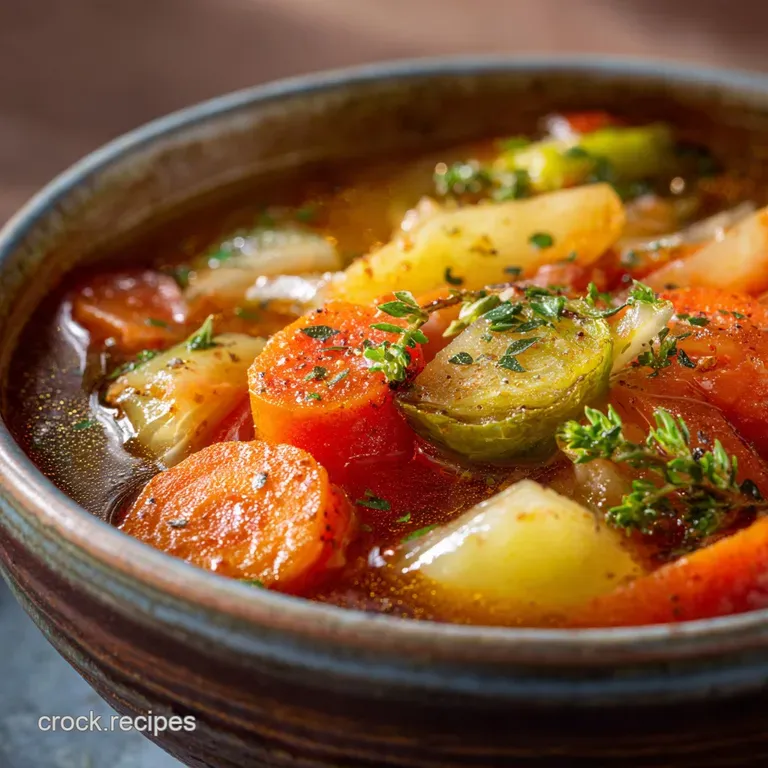
Follow these stages exactly. The cooking order is what separates a truly great homemade vegetable soup from a merely fine one.
Phase I: Slow Sweating the Mirepoix Base
- Prep and Size: Dice your onion, carrots, and celery into roughly uniform, small pieces. Heat the olive oil in a large stock pot over medium heat.
- Sweat the Aromatics: Add the core trio (onion, carrot, celery) and a small pinch of salt. Sauté gently, stirring occasionally, for 8– 10 minutes. The vegetables must be tender and translucent, not crispy or browned.
- Build the Umami: Push the soft vegetables to one side. Add the tomato paste to the clear, hot spot on the bottom of the pot and cook it for 1– 2 minutes, stirring it constantly until it darkens slightly and smells sweet.
- Bloom the Spices: Add the minced garlic and dried thyme. Cook for only 30 seconds until fragrant, then stir everything together.
Phase II: Deglazing and Adding the Liquids
- Deglaze: Pour in about ½ cup of the stock and scrape up any browned bits stuck to the bottom of the pot. Those little bits are concentrated flavour!
- Add Liquids and Potatoes: Pour in the remaining stock, the canned diced tomatoes, bay leaves, and cubed potatoes. Season lightly with salt and pepper.
- Simmer: Bring the liquid to a robust boil, then immediately reduce the heat to low. Cover the pot partially and simmer for 30 minutes, or until the potatoes are easily pierced with a fork.
Phase III: Simmering Time and Final Vegetable Incorporation
- Add Final Vegetables: Increase the heat back to medium low. Stir in the green beans, frozen peas/corn, and shredded cabbage or kale.
- Cook to Crisp Tender: Continue to simmer, uncovered, for another 5– 8 minutes. You want the green beans to still have a slight crunch, and the greens should be wilted but vibrant.
- Taste and Finish: Remove the bay leaves. Taste the broth and season aggressively now with salt and pepper until the flavours really pop. A tiny splash of lemon juice or red wine vinegar can also lift the final taste.
- Rest: Remove the pot from the heat and allow the soup to rest, covered, for 10– 15 minutes before serving. This is where all those individual flavours truly become one cohesive, beautiful broth.
Troubleshooting Your Soup: Tips for the Perfect Consistency and Flavor
We all make mistakes, especially when multitasking in the kitchen. I once used vegetable stock cubes that were so old they tasted like cardboard. Lesson learned! Here are the common pitfalls and quick fixes for your homemade vegetable soup.
Preventing Mushy Vegetables: Timing Your Addition
Mushy soup is the worst kind of betrayal. The fix is simple: stagger your vegetable additions based on how long they need to cook. Potatoes need the most time ( 30 minutes), so they go in first. Delicate greens (like spinach or peas) only need 3– 5 minutes.
If you put everything in at the start, you will end up with sludge.
The Salt Factor: Why You Should Season in Stages
Always season gradually. We added a tiny pinch when sweating the mirepoix, but we hold back on the bulk of the salt until the end. Why? Because as the soup simmers, the liquid reduces and concentrates. If you season perfectly at the beginning, it will be hideously salty 45 minutes later.
Taste, taste, and then taste again right before serving.
Fixing Thin Broth: The Immersion Blender Trick
If your broth looks a little too watery after the potatoes are cooked, here’s my favorite trick. Grab an immersion blender, or carefully scoop out 1 2 cups of the soup (including some potatoes). Blend this portion until creamy smooth, then stir it back into the pot.
This thickens the entire batch without needing flour or cornstarch, and it happens instantly.
make-ahead and Preservation Guide for Homemade Vegetable Soup
This recipe is designed for batch cooking. It tastes even better the next day, once the flavours have had a chance to fully integrate. That’s just science, folks!
Safe Cooling and Refrigeration Methods
Hot soup cannot go straight into the fridge; it raises the internal temperature of the whole appliance, inviting bacteria. Divide the finished homemade vegetable soup into shallow, wide containers, or place the stock pot in an ice bath to rapidly cool it down. Once cool, transfer to airtight containers.
The soup will keep beautifully in the refrigerator for 4 5 days.
The Freezing Advantage: Best Containers for Long Term Storage
Homemade vegetable soup is perfect for the freezer, especially if you skip adding pasta (which gets mushy when thawed). Use freezer safe, plastic containers, leaving about an inch of headspace at the top, as liquid expands when frozen. It will last safely for 3 4 months.
For individual servings, use heavy duty freezer bags laid flat on a baking sheet until solid.
Reheating Strategy: Bringing Back Freshness
To reheat, thaw overnight in the fridge or gently reheat from frozen in a pot over low heat, stirring frequently. Because freezing dulls the flavour slightly, always give the reheated soup a final taste and adjust the seasoning with an extra pinch of salt, pepper, or a squeeze of lemon juice.
Essential Sides: Pairing Your Hearty Soup for a Complete Meal
Soup is a fantastic meal on its own, but sometimes you just need a little something extra for dipping or contrasting texture.
Preventing Mushy Vegetables: Timing Your Addition
(Note: This subheading was listed twice in the prompt structure but should be addressed here as a quick reference.) Remember the cooking time rule! Potatoes first, root veg next, soft greens last. This prevents mush.
The Salt Factor: Why You Should Season in Stages
(Note: This subheading was listed twice in the prompt structure but should be addressed here as a quick reference.) Seasoning gradually allows you to control the broth's intensity. If you use salty stock, hold back until the very end.
Fixing Thin Broth: The Immersion Blender Trick
(Note: This subheading was listed twice in the prompt structure but should be addressed here as a quick reference.) Blend 1 2 cups of the soup and stir back in for a thicker, natural consistency.
Safe Cooling and Refrigeration Methods
(Note: This subheading was listed twice in the prompt structure but should be addressed here as a quick reference.) Cool rapidly in shallow containers or an ice bath before refrigerating for up to 5 days.
The Freezing Advantage: Best Containers for Long Term Storage
(Note: This subheading was listed twice in the prompt structure but should be addressed here as a quick reference.) Freeze in airtight containers for 3 4 months, leaving room for expansion.
Reheating Strategy: Bringing Back Freshness
(Note: This subheading was listed twice in the prompt structure but should be addressed here as a quick reference.) Reheat gently and always check the seasoning again after thawing.
For dipping, you absolutely cannot go wrong with thick, rustic bread. It's the perfect vehicle for soaking up that hearty broth. If I'm feeling fancy, I love serving this soup alongside a flaky, savoury pastry, like my recipe for Chicken leek and ham pasties The Best Homemade Pasty Recipe (just skip the chicken if you want to keep it fully veggie!). A sharp, crunchy side salad dressed with a simple vinaigrette is also fantastic for cutting through the richness of the soup.

Recipe FAQs
Why does my homemade vegetable soup taste bland or watery?
The key to flavor is properly sweating the mirepoix (onions, carrots, celery) low and slow this builds the savory base. If the soup still tastes flat, you likely need more salt, especially after adding a large volume of stock, or a splash of acidity like a teaspoon of vinegar or lemon juice right before serving.
Can I use dried herbs instead of fresh, and when should I add them?
Yes, dried herbs are an excellent substitute, but they are generally three times more potent than fresh. Use only one-third the amount specified for fresh, and add them early during the sauté phase with the mirepoix to allow the heat to release their essential oils effectively into the fat.
How can I thicken the soup if the broth is too thin?
A simple way to thicken the broth is to remove about 1 to 1.5 cups of the finished soup, puree it thoroughly using a blender or immersion blender, and stir the mixture back into the pot.
Alternatively, you can add a slurry of cornstarch (1 tbsp cornstarch mixed with 2 tbsp cold water) and simmer for five minutes until thickened.
Is this recipe suitable for freezing, and does the freezing affect the vegetables?
This soup freezes very well. Allow it to cool completely before transferring it to freezer safe containers, ensuring you leave at least one inch of headspace as the liquid will expand. Note that root vegetables, especially potatoes, may become slightly softer or crumblier upon thawing, but the flavor remains excellent.
How long will leftover vegetable soup last, and how should I store it?
Once cooled, store the leftover soup in an airtight container in the refrigerator for up to 3 to 4 days. When reheating, it is best to use the stovetop over medium heat rather than the microwave, as this helps maintain the texture of the vegetables and prevents the potatoes from disintegrating.
Can I add protein, such as beans or shredded chicken, to this soup?
Absolutely, adding protein makes the soup even heartier. If using canned beans (like kidney or cannellini), rinse them well and add them during the last 15 minutes of simmering. If using pre-cooked shredded chicken or leftover pot roast, stir it in right at the end to warm through, preventing the meat from becoming tough or dry.
What is the best way to substitute fresh vegetables if I only have frozen ones?
Frozen vegetables, like corn or peas, can be substituted easily; simply add them toward the end of the cooking process during the last 5 to 10 minutes, as they cook very quickly. Ensure you skip the thawing step and add them directly to the simmering broth to prevent them from becoming mushy.
Hearty Homemade Vegetable Soup Recipe
Ingredients:
Instructions:
Nutrition Facts:
| Calories | 279 kcal |
|---|---|
| Protein | 10.9 g |
| Fat | 10.2 g |
| Carbs | 36.2 g |
