Lasagna Soup: the Ultimate Hearty Comfort with Lemon-Ricotta Swirl
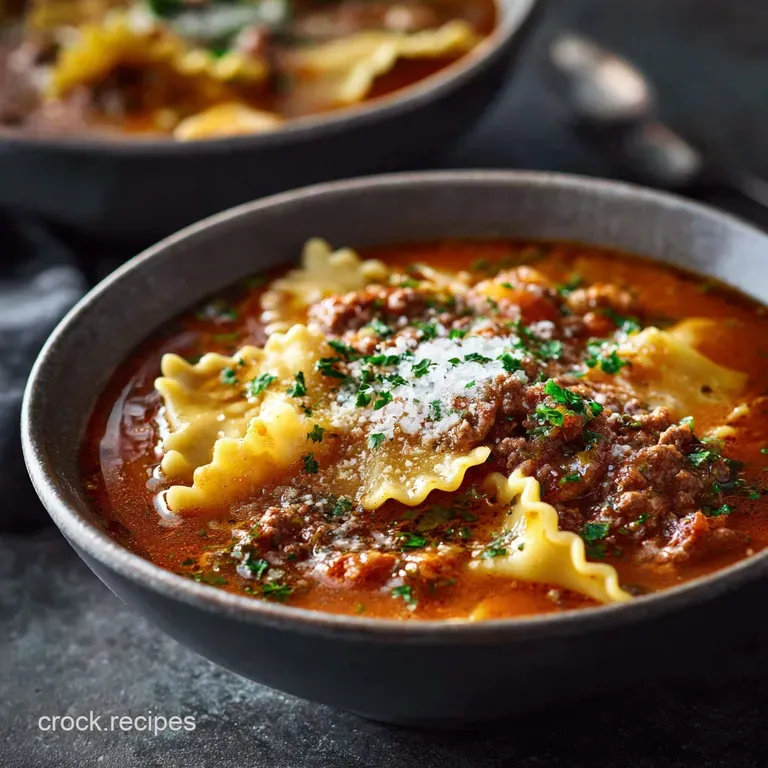
- Unpacking the Magic: What is Lasagna Soup?
- The Science of Comfort: Why This Lasagna Soup Delivers Maximum Flavor
- Essential Building Blocks: Ingredients and Smart Swaps
- Master the Simmer: Step-by-Step Guide to Lasagna Soup Success
- Expert Troubleshooting and Next-Level Chef's Tips
- Future-Proofing: Making This Lasagna Soup Ahead and Storage Guide
- The Perfect Complement: Pairing and Garnish Suggestions
- Recipe FAQs
- 📝 Recipe Card
Unpacking the Magic: What is Lasagna Soup?
You know that incredible, comforting, bubbling aroma when a huge tray of classic lasagna comes out of the oven? That intense smell of slow cooked tomato, rich Italian sausage, and melting cheese is simply intoxicating.
This Hearty Lasagna Soup gives you all of that intense flavor and deep comfort, but without having to wait three hours or dirty a single baking dish.
Seriously, traditional lasagna is a glorious, messy project reserved for Sunday afternoons and special occasions. This lasagna soup recipe easy version is the ultimate weeknight genius move, ready in about an hour flat.
It’s affordable, incredibly filling, and feels exactly like a massive, glorious hug in a bowl, perfect for chasing away a cold day.
We are completely skipping the fussy layering, but we are absolutely keeping the deep, layered flavor profile by making an intense sausage and ground beef ragu base. We then finish it with a signature vibrant, fresh lemon and ricotta topping that truly sells the "lasagna" experience.
Trust me, once you master this streamlined soup, you’ll never look back.
The Science of Comfort: Why This Lasagna Soup Delivers Maximum Flavor
The secret to making this taste like the slow cooked original is patience in the first 15 minutes of cooking. Unlike other quick soup recipes, we need to treat the foundation like a proper Italian Sunday sauce.
We’re not just dumping ingredients in a pot; we are building depth using techniques like toasting the tomato paste and deglazing the pot, creating an incredibly rich foundation for the broth to absorb.
The 45 Minute Comfort Food Revolution
The reason this dish succeeds where others fail is that it maximizes flavor extraction in minimal time. We use highly flavored meats, specifically Italian sausage, which introduces fennel and red pepper flakes right away, bypassing the need for long seasoning times.
It transforms what could be a bland tomato broth into a profound, meaty, and hearty Lasagna Soup almost instantly.
Decoding the Lemon Ricotta Swirl
This topping is non-negotiable, so please don't skip it. The soup base is rich and savory from the sausage, ground beef, and tomato, but rich things need contrast. The ricotta mixture creamy, garlicky, and hit with bright lemon zest provides that crucial acidic and textural foil.
It cuts through the heft of the ragu, balancing the bowl and truly defining this dish as Lasagna Soup instead of just pasta in tomato sauce.
Quick Glance: Essential Equipment You'll Need
You absolutely need a big, heavy pot. I always use my 6 quart Dutch oven for this, and it’s the only tool required for the entire soup process. A heavy bottomed pot ensures even heating, which is crucial when browning meat and reducing liquids, minimizing the chance of scorching that delicious tomato paste.
Building the Italian Ragu Foundation
We start with Italian sausage mixed with ground beef for texture, giving us that classic blend often found in slow simmered sauces. The fat rendered from the meat is then used to soften our diced onions and carrots, absorbing all those complex, savory flavors right from the start.
This is step one to making a lasagna soup that tastes like it cooked all day.
The Maillard Reaction and Sausage Browning
Browning the meat correctly is everything. When the sausage and ground beef hit the hot oil, they develop a dark, crusty exterior that’s the Maillard reaction working its magic.
Don't be shy about getting a good sear before you add anything else; these crispy bits stuck to the bottom of the pot (the fond ) are pure, concentrated flavor.
Achieving Al Dente Pasta Without Mush
If you’re making this to eat immediately, cooking the lasagna pieces directly in the broth is fine, provided you watch it like a hawk. However, if you want leftovers, you must undercook the noodles or cook them separately.
Otherwise, the pasta will continue drinking up the broth, leaving you with a stew the next day.
Essential Building Blocks: Ingredients and Smart Swaps
I always recommend sourcing the highest quality crushed tomatoes you can find; the difference in flavor is astounding. If you’re serious about replicating that deep, authentic taste of baked lasagna, we also need that little hit of brown sugar to neutralize the acidity of the tomatoes and round out the overall flavor profile.
Securing the Best Italian Sausage Base
The pairing of Italian sausage and ground beef is traditional and deeply flavorful. If you love that dense, meaty filling in a lasagna casserole, you’ll appreciate this combination. If you are looking for a completely different kind of comfort food that still uses the layered pasta structure, you might want to check out my recipe for Crack Chicken Lasagna Casserole: Ultra Creamy Weeknight Dinner sometime.
Dairy Decisions: Ricotta vs. Mascarpone
The ricotta is key because it adds a specific fresh, light creaminess without completely dissolving into the hot soup. We want distinct dollops!
| Ingredient | Viable Substitution | Why it works |
|---|---|---|
| Italian Sausage | Ground Pork + Fennel Seeds + Crushed Red Pepper | Mimics the spice and essential flavor profile. |
| Crushed Tomatoes | Tomato Puree or Whole Peeled Tomatoes (blended) | Provides similar texture, though puree may be slightly thinner. |
| Ricotta Cheese | Full fat Cottage Cheese (drained well) or Mascarpone | Offers the necessary creamy, thick texture for the topping. |
| Dry Red Wine | A splash of Balsamic Vinegar or additional Stock | Adds necessary depth and acidity to cut through the fat. |
Customizing Your Lasagna Noodle Shapes
I simply smash the lasagna sheets into jagged, two-inch pieces right before they go into the pot. You don't need to be precise here. If you don't have lasagna sheets, wide, flat pastas like broken pappardelle or fettuccine work just as well.
They scoop up the ragu beautifully and give you that satisfying "noodle" texture.
Master the Simmer: step-by-step Guide to Lasagna Soup Success
Phase 1: Developing the Deep Tomato Base
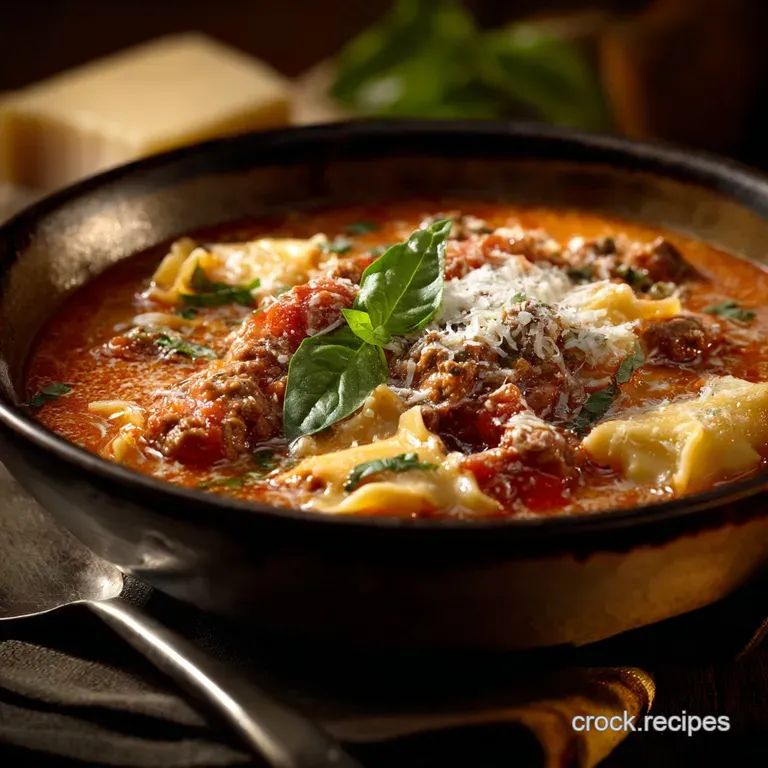
This phase is all about maximum flavor saturation. Get that olive oil screaming hot before you add the sausage and ground beef. Once the meat is browned and the fat is drained, add the onions and cook them low and slow until they are sweet and translucent.
The 2 minute cook time for the tomato paste is absolutely crucial ; it removes the raw metallic flavor and concentrates the sugars, making the base richer.
Chef's Note: If you use the optional red wine, be sure to let it bubble vigorously for a few minutes. Scrape up the fond (the browned bits) from the bottom of the pot while the wine reduces. This deglazing step unlocks so much extra savory flavor it’s brilliant.
Phase 2: Perfecting the Lemon Ricotta Finish
Make the ricotta topping first! By the time you’ve finished the soup, it will have chilled slightly and the flavors will have blended perfectly. The fresh basil, garlic, and lemon zest combine to give you a topping that tastes exactly like the fresh layer of cheese and herbs in a baked lasagna.
Always add the topping right before serving, not during the cook time!
Essential Timeline for Weeknight Cooking
The most time consuming part of this easy lasagna soup is the initial browning of the meat and the 20 minute simmer. The pasta cooks incredibly fast once added. You can have the base simmering while you set the table, creating a wonderful, comforting aroma throughout your home.
- 15 mins: Prep and Meat Browning
- 5 mins: Sauté Aromatics and Toast Tomato Paste
- 20 mins: Gentle Simmer
- 10 mins: Cook Pasta & Serve
Expert Troubleshooting and Next Level Chef's Tips
Here are the specific points where I (and many others) have messed up this recipe, along with how to fix them.
Mistake 1: Not Draining the Fat. If you leave all the excess fat from the sausage and ground beef in the pot, your finished soup will be greasy, with a weird slick floating on top.
Fix It: Once the meat is completely browned, tilt the pot and carefully scoop out most of the rendered fat before adding the onions and carrots.
Mistake 2: Adding the Ricotta Too Early. I once stirred the ricotta right into the entire pot of hot soup, thinking it would make it "creamy." Big mistake. It resulted in grainy, stringy lumps of cheese that completely vanished.
Fix It: The ricotta must be chilled and dolloped on top of the finished, hot soup, bowl by bowl. This ensures you get that creamy, fresh textural contrast with every bite.
Mistake 3: Oversalting the Broth. Since we are using concentrated ingredients (tomato paste, canned tomatoes) and possibly salty stock, it’s easy to over salt early. Fix It: Do not season the soup heavily until after the 20 minute simmer.
Once the flavors have truly melded, taste and adjust. This ensures a balanced, savory finish.
Future Proofing: Making This Lasagna Soup Ahead and Storage Guide
Preventing Pasta Absorption Overnight
This is the biggest hurdle for leftover soup. The pasta will absolutely drink up your gorgeous broth if stored together. The best practice is to store the broth/ragu separately from the pasta. Cook only the amount of pasta you plan to eat that evening.
If you’ve already cooked it all, you will need to add an extra cup of stock when reheating to compensate for the liquid absorption.
Adjusting Acidity for the Perfect Tomato Balance
If your soup tastes a little too sharp or acidic after simmering, don't just dump more sugar in. Start by stirring in 1/4 teaspoon of baking soda to the pot. It will bubble slightly, neutralizing excess acid almost instantly without making the soup taste sweet.
The Secret to a Thicker, Heartier Broth
If you prefer a stew like consistency rather than a thin soup, there are a few options. After removing the bay leaves, scoop out about 1 cup of the soup base (mainly liquid and vegetables), blend it with an immersion blender, and stir it back into the pot.
You can also mix 1 tablespoon of flour with 2 tablespoons of cold water to form a slurry and whisk that in.
Best Practices for Freezing Tomato Based Soups
This Lasagna Soup freezes exceptionally well! Always freeze the soup before adding the pasta. Cool the base completely, transfer it to freezer safe containers (leaving an inch of headspace), and it will last for 3 4 months.
When ready to eat, thaw overnight, bring to a simmer, and then cook the noodles directly in the thawed broth.
Reheating Techniques for Creamy Consistency
If you stored the soup with the pasta, reheat it slowly on the stovetop over low heat, stirring frequently. Add a splash of stock or water if it’s too thick. If you reheated the base separately, add freshly cooked pasta.
Shelf Life of the Ricotta Topping
The fresh lemon ricotta mixture should be stored in an airtight container in the fridge and will last safely for 3 4 days. Since it contains raw garlic and fresh basil, it is always best to use it within that timeframe.
The Perfect Complement: Pairing and Garnish Suggestions
Because this soup is so deeply comforting and rich, you don’t need much on the side. You want simple, sharp contrasts.
- Garlic Bread: No question, garlic bread or a crusty Italian loaf is mandatory for dunking and mopping up that incredible ragu base.
- Simple Green Salad: A basic arugula (rocket) salad tossed with a sharp vinaigrette of olive oil and balsamic vinegar works perfectly. The peppery arugula cuts right through the richness. It’s light, healthy, and balances out the meal beautifully. If you’re looking for other light and healthy options, check out my Healthy Soup Recipes Easy HighProtein Lentil Sweet Potato Detox list!
- Extra Parmesan: Don't be stingy with the finishing Parmesan cheese! A little extra grate over the ricotta dollop seals the deal.

Recipe FAQs
How should I store leftover Lasagna Soup, and can I freeze it?
Store leftovers in an airtight container in the refrigerator for up to 3 days. While the broth freezes well, the cooked lasagna noodles often become overly soft and mushy when thawed and reheated.
If planning to freeze, cook the noodles separately or leave them out of the soup entirely, adding fresh, cooked ones upon reheating.
My soup seems too thin or watery. How can I thicken the broth?
The soup naturally thickens slightly as starches release from the pasta during simmering. If it remains too thin, try dissolving one tablespoon of cornstarch in two tablespoons of cold water, then slowly stirring this slurry into the simmering soup until the desired consistency is achieved.
Alternatively, add a small handful of Parmesan cheese rinds during the cooking process to naturally enrich and thicken the base.
I don't have lasagna noodles. Can I use a different type of pasta?
Absolutely; while broken lasagna sheets are traditional, you can substitute other sturdy, bite sized shapes like rotini, ziti, or cavatappi. Ensure you adjust the cooking time as necessary, and remember that smaller shapes will absorb liquid faster, potentially requiring extra broth to maintain a soupy consistency.
Can I make this Lasagna Soup vegetarian or vegan?
Yes, substitute the ground sausage/beef with lentils, chopped mushrooms, or a high-quality plant based crumble, ensuring you sauté them well to build flavour. For a fully vegan version, use vegetable broth and substitute the ricotta swirl and any heavy cream additions with dairy-free alternatives like plant based ricotta or cashew cream.
Why did my lasagna noodles absorb all the liquid and become mushy after resting?
Pasta continues to absorb liquid (and swell) as it sits in the hot broth, especially in a thick, rich ragu base. To prevent mushiness, the professional culinary recommendation is to cook the lasagna noodles separately (al dente) and only add them to the individual bowls right before serving.
If storing leftovers, always keep the remaining noodles and soup base completely separate.
What is the purpose of the Lemon Ricotta Swirl, and can I skip it?
The Lemon Ricotta Swirl is essential for balancing this dish; its coolness provides a refreshing contrast, while the lemon zest and juice cut through the deep richness of the tomato and meat ragu base.
While you can technically omit it, the soup will be much heavier; consider substituting with a dollop of quality crème fraîche or Greek yogurt for a similar acidic lift and cooling texture.
I want to use ground turkey instead of sausage or beef. Do I need to make any flavour adjustments?
Ground turkey is a leaner alternative, but it produces less inherent flavour and fat than beef or pork sausage. To compensate, ensure you add an extra teaspoon of Italian seasoning and perhaps a small amount of liquid fat, such as a tablespoon of butter or olive oil, when browning the meat.
Consider adding a splash of red wine reduction or Worcestershire sauce for added depth (umami).
Hearty Lasagna Soup With Ricotta Swirl
Ingredients:
Instructions:
Nutrition Facts:
| Calories | 810 kcal |
|---|---|
| Protein | 56.3 g |
| Fat | 48.6 g |
| Carbs | 37.2 g |
