Keto Chicken Noodle Soup: the Ultimate Low Carb Comfort Bowl
- The Keto Comfort Revolution: Why We Need This Proper Chicken 'Noodle' Soup
- The Science of Comfort: Achieving Deep Flavor in Keto Chicken Noodle Soup
- Essential Components: Detailed Notes on Ingredients
- The Cook’s Journey: Creating Your Ultimate Keto Chicken Noodle Soup
- Perfecting Your Bowl: Chef's Secrets and Troubleshooting
- Meal Prep Mastery: Storing and Reheating Keto Chicken Noodle Soup
- Completing The Meal: Keto-Friendly Serving Pairings
- Recipe FAQs
- 📝 Recipe Card
The Keto Comfort Revolution: Why We Need This Proper Chicken 'Noodle' Soup
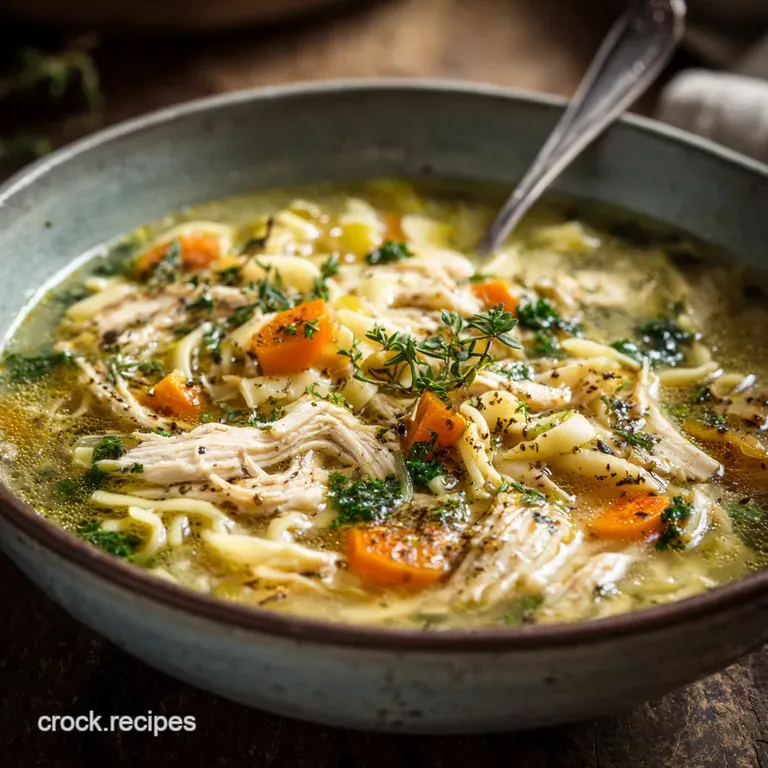
There is truly nothing better than the smell of Keto Chicken Noodle Soup simmering on the stove when the weather turns cold. It is pure, soul soothing magic, wrapping you up in a warm, savoury hug that instantly brings back childhood memories.
That herbaceous steam rising from the bowl promises healing, comfort, and deep satisfaction.
When you're eating low-carb, that classic, beautiful bowl feels totally off-limits because of those puffy egg noodles. Seriously, who wants bland, watery soup? I spent years trying to make Low Carb Chicken Noodle Soup that didn't feel like a compromise, but now I’ve cracked the code with intelligent substitutions and a few tricks for building insane broth depth, fast.
It’s a total weeknight lifesaver.
Forget those sad, limp zucchini noodles or pricey store-bought Homemade Keto Egg Noodles that fall apart. This recipe uses the power of Shirataki, transforming them completely so they sing in that rich broth.
Let’s stop talking about how good it will be and start making the absolute best Keto Chicken Noodle Soup Recipe you’ve ever tasted.
The Science of Comfort: Achieving Deep Flavor in Keto Chicken Noodle Soup
This isn't just about throwing ingredients in a pot; it’s about strategic layering to replicate that complex, slow cooked flavour in under an hour. We are aiming for the taste profile of a grandmother’s soup, but without waiting all day for the stock to reduce.
Replicating Traditional Flavor Without the Carbs
The richness of traditional soup often comes from starches released by the noodles or potatoes. Since we don't have those, we rely heavily on quality fats and a long, gentle simmer of the aromatics.
Using butter or ghee helps carry the savory flavour and provides the necessary mouthfeel missing when we ditch high carb ingredients.
The Role of Shirataki Noodles in Keto Comfort Food
Shirataki noodles, also known as Konjac noodles, are nearly pure fiber and water, making them the ultimate zero carb pasta substitute. However, they need TLC. If you skip the critical rinsing and dry-frying steps, they will taste rubbery and faintly metallic (we’ve all been there).
Quick Overview: Mastering the Broth
Great soup is built from the ground up. We start by sweating vegetables in fat before adding liquid, ensuring those delicate flavour compounds are soluble and infused throughout the stock. Don't ever just boil the vegetables; sweat them gently.
The Maillard Reaction and Broth Base Development
While we don't want the vegetables to fully brown, the little bit of caramelization that occurs when sautéing the celery, onion, and tiny bit of carrot (yes, it’s a keto safe amount!) is essential. This reaction creates subtle sweetness and depth, which balances the overall salinity of the soup.
Texture Mastery: Hydrating the Shirataki Noodles
After their serious rinsing session, dry-frying the shirataki noodles in a hot pan removes residual moisture. This step allows them to act like sponges, ready to soak up the rich, herbaceous broth we’re creating. Trust me, this step separates the excellent soup from the mediocre.
Flavor Layering: Aromatics and Herb Infusion
We use thyme and bay leaves, which are the quintessential classic soup herbs. Adding them early, during the simmering stage, ensures their essential oils fully release into the broth. Finishing with a blast of fresh parsley and a dash of lemon juice brightens everything up at the very end.
Essential Components: Detailed Notes on Ingredients
You only need a few simple things, but their quality matters immensely here. Don't skimp on the broth or the fat.
| Ingredient | Why We Use It | Substitution/Variation |
|---|---|---|
| Shredded Cooked Chicken | Bulk, protein, and savory depth. | Pre-cooked shredded turkey or rotisserie chicken (skin removed). |
| Shirataki Fettuccine | Zero carb texture replacement. | Zucchini noodles (add last) or thinly sliced cabbage. |
| Chicken Stock | The base; must be high-quality and low-sodium. | Homemade bone broth for added collagen and richness. |
| Butter/Ghee | Flavour vehicle and necessary fat mouthfeel. | Olive oil or rendered schmaltz (chicken fat) works beautifully. |
| Carrots | Small amount for colour and sweetness balance (optional). | Leave them out for stricter zero carb, or use daikon radish. |
Decoding the Keto Noodle Choice (Shirataki Preparation)
I know a lot of recipes suggest Keto Chicken Noodle Soup With Zucchini Noodles or spiralized vegetables, but shirataki truly mimics that al dente chew. You absolutely must rinse them well, then dry-fry them for about five minutes until they “squeak” in the pan.
This removes that weird, fishy smell they sometimes have.
Selecting the Best Aromatic Base for Depth
Our classic mirepoix (onion, celery, and carrot) is essential, even if you are only using a tiny portion of the carrot to keep the carbs down. This combination creates the foundation. Without it, the broth tastes flat and thin.
Sourcing Quality Broth for the Ultimate Base
Listen, broth quality is non-negotiable. If you use the cheap cartons, your soup will taste cheap. Use a high-quality bone broth or, even better, make your own and freeze it. I use the stock leftover from making my Keto Meatballs: Proper Italian Style, Easy Ground Beef Recipe sometimes it’s amazing.
The Cook’s Journey: Creating Your Ultimate Keto Chicken Noodle Soup
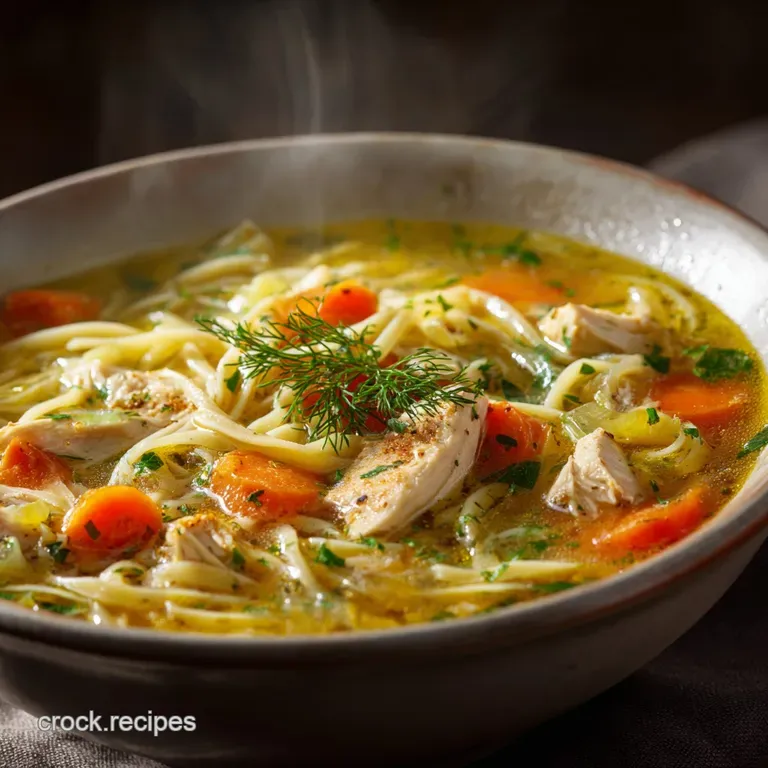
Let's crack on and get this soup on the table. Focus on gentle cooking and consistent seasoning checks.
Stage One: Developing the Flavor Foundation (Sautéing Aromatics)
Melt the butter over medium heat until it’s shimmering lightly. Add the diced onion, celery, and the small amount of carrot. Sweat these guys gently, stirring often, for about five to seven minutes until they are softened but haven’t taken on any colour.
Then toss in your garlic and dried thyme, cooking until that wonderful nutty aroma hits you (about 60 seconds).
Stage Two: Simmering for Broth Infusion
Pour in a little stock first to deglaze the pot, scraping up all those delicious sticky bits. Add the rest of the stock and the bay leaves. Bring it up to a simmer, then drop the heat to low and let it bubble quietly for a good 15 minutes. This is where the magic happens and the depth builds.
Crucial Chef’s Note: Do not rush the simmering stage. Those 15 minutes allow the vegetable flavour compounds to properly integrate into the water base, creating a truly rich broth. If you rush it, your soup will taste watery.
Stage Three: Integrating the Noodles and Final Assembly
Pull out and discard the two bay leaves they’ve done their job. Stir in your shredded cooked chicken and the now-perfectly dry-fried shirataki noodles. Simmer only until everything is piping hot, about three minutes.
Give it a big taste and adjust your salt and pepper aggressively until the flavour truly pops. Finish with a quick squeeze of fresh lemon juice and fresh parsley.
Perfecting Your Bowl: Chef's Secrets and Troubleshooting
Ensuring a Crystal Clear Broth (The Skimming Technique)
Sometimes, especially if you used rotisserie chicken, fats and impurities can make the broth cloudy or oily. If this happens, take a shallow spoon and gently skim the surface before you add the noodles. A clear broth looks professional and tastes cleaner.
Preventing Rubberiness: Shirataki Noodle Rinsing Protocol
This is the number one spot where people fail! The noodles must be rinsed for several minutes under cold water, blanched quickly, and then dry-fried until they feel almost squeaky and dry. If they taste rubbery or fishy, you didn't dry-fry them enough.
Flavor Correction: Adjusting Salinity and Herb Balance
If your soup tastes bland, it needs salt, period. If it tastes heavy, it needs acid that's what the final teaspoon of lemon juice is for! If you feel like it's missing that deep savory quality, try adding a small dash of fish sauce or a tiny pinch of bouillon paste.
Meal Prep Mastery: Storing and Reheating Keto Chicken Noodle Soup
The Noodle Separation Strategy for Better Leftovers
Shirataki noodles are sponges, even when dry-fried, and they will continue to absorb the broth over time, leading to slightly diminished flavour and a very thick soup the next day. If you are meal prepping, store the cooked Shirataki noodles separately from the broth and chicken.
Combine them just before reheating.
Safe Reheating Practices for Maximum Flavor
This soup keeps beautifully in the fridge for up to four days. Reheat slowly on the stovetop over medium low heat until steaming hot. Rapid boiling can dull the delicate herb flavours.
Freezer Guidelines for Long Term Storage
The broth base freezes perfectly for up to three months. Freeze it solid in airtight containers, leaving about an inch of headspace. Do not freeze the noodles in the broth. When ready to serve, thaw the broth, heat it, and then quickly prepare fresh shirataki noodles to add in.
Completing The Meal: Keto Friendly Serving Pairings
This hearty soup is a meal in itself, but sometimes you just want something crunchy on the side, right? If you need a little something sweet after your savory bowl, I highly recommend whipping up a batch of Keto Brownie Pie: The Ultimate Fudgy Low Carb Chocolate Dream for dessert it’s epic.
- Side Salad: A peppery arugula salad with a bright vinaigrette provides a nice contrast to the rich broth.
- Keto Biscuits: A fluffy cheddar keto biscuit is the perfect vehicle for dipping and soaking up the last bits of broth.
- Crunch: A small handful of salted keto seeds or pork rinds crumbled on top adds a fantastic crispy texture.

Recipe FAQs
How should I prepare Shirataki noodles to ensure they don't taste rubbery or fishy?
Shirataki (or konjac) noodles require careful preparation to remove their characteristic odour. First, rinse them thoroughly under cold running water for at least three minutes to wash away the packing liquid.
Next, boil them in clean water for two minutes, drain them completely, and then sauté them briefly in a dry pan over medium heat to remove excess moisture and improve the texture.
Can I store the leftover soup with the Shirataki noodles already mixed in?
While technically possible, storing the soup with the noodles added is not recommended for optimal texture. Shirataki noodles are highly absorbent and will soak up much of the broth overnight, leaving the soup noticeably thicker and the noodles rubbery.
For the best result, store the broth and chicken mixture separately and only add freshly prepared noodles when reheating individual servings.
My soup is lacking deep flavour. How can I boost the savoury, comforting notes?
Depth of flavour usually comes from the quality of the broth; always opt for high-quality bone broth and let it simmer for a full 30 minutes to allow the aromatics to meld. For an extra boost of umami, try adding a tablespoon of nutritional yeast, a dash of fish sauce, or a small amount of liquid bouillon concentrate during the cooking phase.
What other keto friendly 'noodles' can I use if I run out of Shirataki?
The best alternative is usually zucchini noodles (zoodles) or spaghetti squash strands. If using zoodles, only blanch them very briefly or add them directly to the hot soup bowl right before serving, as prolonged cooking will cause them to release too much water and become mushy.
Spaghetti squash is added much the same way, mixed in at the very end.
Is it safe to freeze this Keto Chicken Noodle Soup?
Yes, the chicken and broth base freezes very well and makes an excellent meal prep option. However, you must freeze the broth mixture without the Shirataki noodles and avoid freezing any soup that contains heavy cream or cream cheese, as these ingredients tend to separate when thawed.
Thaw the soup overnight in the refrigerator and add freshly prepared noodles upon reheating.
I prefer a slightly thicker soup. How can I thicken the broth without adding unwanted carbs?
The best low-carb thickening agent is Xanthan gum; mix a tiny amount (1/4 teaspoon) with a tablespoon of cold water to create a slurry before whisking it into the simmering soup. Alternatively, for a richer flavour profile, stir in 1 to 2 tablespoons of full fat cream cheese or heavy whipping cream at the end of cooking until dissolved.
Can I use this recipe as a base for other keto protein variations?
Absolutely; the soup base is incredibly versatile and works well with other proteins. You can substitute shredded rotisserie turkey or slow cooked pulled pork for the chicken. Ensure whatever protein you choose is cooked through and shredded or diced before adding it to the simmering broth for serving.
Keto Chicken Noodle Soup Comfort Bowl
Ingredients:
Instructions:
Nutrition Facts:
| Calories | 221 kcal |
|---|---|
| Protein | 18.0 g |
| Fat | 13.0 g |
| Carbs | 8.0 g |
