Keto Eggnog Scones: Fluffy Holiday Recipe with Brandy Butter Glaze
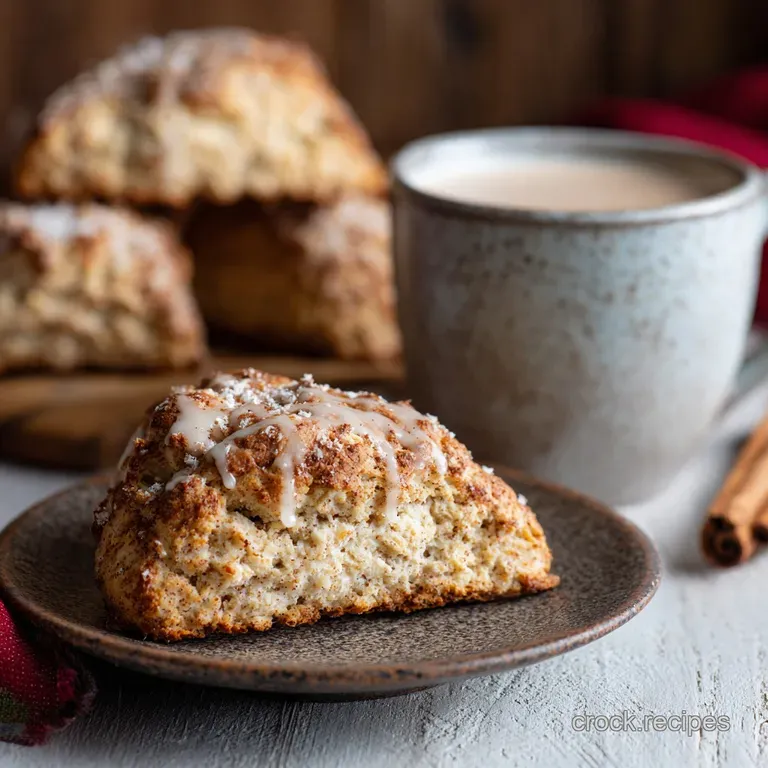
- Capturing the Festive Spirit: The Ultimate Keto Eggnog Scones
- The Science of Scones: Achieving the Perfect Keto Texture
- Essential Ingredients for Flawless Keto Eggnog Scones
- Method: Crafting Tender Keto Eggnog Scones from Scratch
- Mastering the Bake: Pro Tips and Troubleshooting Common Scone Mistakes
- Storage and Longevity Guide for Keto Scones
- Elegant Pairings: Serving Your Festive Keto Eggnog Scones
- Recipe FAQs
- 📝 Recipe Card
Capturing the Festive Spirit: The Ultimate Keto Eggnog Scones
Picture this: You wake up on a chilly holiday morning, and the scent of freshly grated nutmeg and warm butter is floating through the house. These Keto Eggnog Scones deliver exactly that sensory bliss, boasting an incredibly tender crumb and those classic warming spices we all crave.
Forget everything you thought you knew about sad, dry low-carb baked goods; these are truly life changing.
When the holidays hit, sticking to keto can feel like an impossible mission, especially when faced with trays of sugary treats. That’s why this recipe is my secret weapon. It’s lightning fast seriously, 15 minutes of prep and means you don't have to sacrifice your festive breakfast ritual.
It’s easy, cheap, and saves your sanity during peak cookie season.
I’ve spent years perfecting the low-carb scone structure, learning exactly which flours play nice and how to handle that fickle dough. Today, I’m sharing all my tips so you can bypass the dense, crumbly failures and head straight for scone glory.
Let’s make some seriously tender, low-carb eggnog magic!
The Science of Scones: Achieving the Perfect Keto Texture
The Low-Carb Holiday Baking Challenge: Why Scones Work
Traditional scones rely heavily on wheat gluten to provide that gorgeous, high rise and structural integrity. Since we are ditching the wheat, we need serious heavy hitters to mimic that structure. Scones, thankfully, are much more forgiving than keto bread because they are meant to be a bit crumbly.
We just need enough structure to hold the spice and butter.
What Makes This Specific Keto Eggnog Scones Recipe So Tender
The tenderness comes from two critical factors: the ratio of almond to coconut flour and the addition of cold, liquid dairy (heavy cream) rather than just milk. The heavy cream adds fat, which inhibits the binding properties of the low-carb flours, keeping the crumb moist and rich.
It’s a butter bath for your dough, really.
A Primer on Low-Carb Scone Structure (Almond vs. Coconut Flour)
Almond flour provides bulk and structure, giving us that dense, satisfying weight. However, 100% almond flour often results in a greasy scone. That’s where the coconut flour comes in; it’s highly absorbent.
It sucks up all the excess oil and moisture, preventing greasiness and yielding a beautifully balanced texture. We also throw in a teaspoon of xanthan gum do not skip this step! It’s your gluten stand-in, providing the necessary elasticity for lift.
The Critical Role of Cold Fat in Keto Baking Success
This is the non-negotiable scone commandment. The butter must be icy cold. When cold butter hits the high heat of the oven, it creates steam pockets as it melts. These steam pockets are what physically push the dough upward, giving you a tall, flaky scone instead of a flat disc.
Infusing Classic Eggnog Spice Profiles (Nutmeg and Brandy Essence)
Eggnog flavor is simple, iconic, and primarily relies on spice. We use a generous amount of nutmeg and cinnamon. For that classic kick, I use rum or brandy extract, which provides the flavor without adding unnecessary carbs or burning off too fast.
If you prefer to use the real thing, make sure your brandy is well chilled before adding it to the cream mixture.
Essential Ingredients for Flawless Keto Eggnog Scones
Must Have Dry Ingredients (Flour Blends and Sweeteners)
| Ingredient | Why We Use It | Substitution Suggestion |
|---|---|---|
| Almond Flour | Main structure and crumb. | Use finely ground sunflower seed flour 1:1, if nut allergies are a concern. |
| Coconut Flour | Moisture absorption. | Do NOT substitute 1:1! If you must omit it, you’ll need to add 2 tsp of psyllium husk and reduce the heavy cream slightly. |
| Keto Sweetener | Granulated or powdered monk fruit/erythritol blend. | Allulose works great, but reduce the baking temp by 25°F (about 15°C) as it browns much faster. |
| Xanthan Gum | Mimics gluten elasticity. | 2 tsp of psyllium husk powder (texture will be slightly denser). |
Dairy and Fat: Getting the Right Richness and Chill
We are using heavy cream and butter, both straight from the fridge. The higher fat content is wonderful for keto, obviously, but it also creates the richest possible scone flavor. Don’t try to substitute skim milk or low-fat cream here; it won't cut it.
Chef’s Note: Using unsalted butter means you control the salt. Salt is crucial here; it doesn’t just season, it balances the sweetness and enhances the nutmeg notes.
Keto Friendly Eggnog Flavor Alternatives and Extracts
If you can’t source the brandy or rum extract, you can simply use extra vanilla and slightly boost the nutmeg. Alternatively, if you're trying to achieve a rich, authentic flavor without extracts, a splash of actual rum or brandy (1 teaspoon, maximum) is generally acceptable on keto when distributed across 8 servings.
Just remember to keep that alcohol cold .
Making the Brandy Butter Glaze (Optional Alcohol Notes)
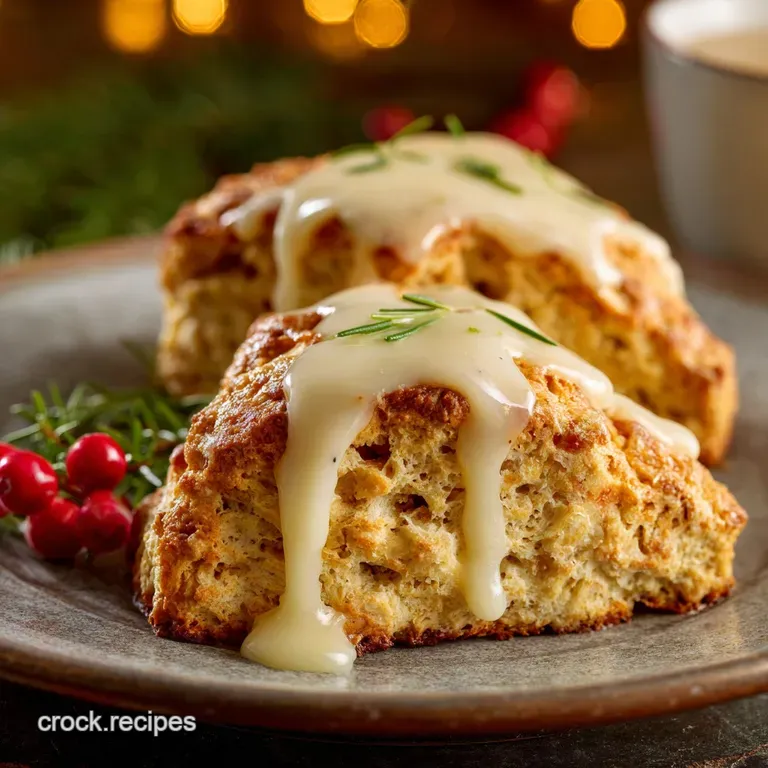
The glaze is ridiculously easy. It’s just powdered keto sweetener (which must be powdered, otherwise it will be grainy!), cream, and the optional extract. If you skip the glaze, the scones are still fantastic, but the glaze adds that extra festive shine and creaminess.
Method: Crafting Tender Keto Eggnog Scones from Scratch
Combining the Dry Ingredients and Spices Correctly
Start by whisking everything dry together flours, sweetener, spices, salt, and the xanthan gum. You want to make sure the xanthan gum is totally distributed so you don’t end up with gummy patches later. Whisk aggressively for about 30 seconds.
Cutting the Cold Butter into the Flour Mixture (The Scone Secret)
The fastest, least messy way to do this is to grate your frozen butter directly into the flour mixture using a box grater. Seriously, it’s brilliant. If you don't have a grater, use a pastry blender or two knives to cut the small, cubed butter into the flour until it looks like coarse sand mixed with pea-sized pebbles.
Gently Forming and Shaping the Dough for a High Rise
Whisk your wet ingredients (cream, egg, extracts) together separately. Pour the wet into the dry and mix with a wooden spoon until it just starts to come together into a shaggy dough. Dump it onto a parchment lined surface and pat it lightly— do not knead!
Kneading warms the butter and over develops the flour bonds. Pat the dough into a 1 inch thick disk and cut it into 8 wedges.
Baking Time and Temperature Checks for Golden Tops
Preheat that oven to 400°F (200°C). After you cut the wedges, place the whole tray in the freezer for 20 minutes; this is a non-negotiable step for tall scones. Bake for 18– 22 minutes. You want the tops golden brown and firm to the touch.
They will smell incredibly nutty and sweet when they are ready.
Preparing and Applying the Quick Brandy Butter Glaze
While the scones cool on a rack, whisk your powdered sweetener and cream until you have a thick, smooth, pourable consistency. If it's too thick, add cream by the teaspoon; if it's too runny, add a tiny bit more powdered sweetener.
Drizzle the glaze generously while the scones are still warm this allows the flavor to soak right into the surface.
Mastering the Bake: Pro Tips and Troubleshooting Common Scone Mistakes
Identifying Over mixing vs. Under mixing (Texture Control)
If you over mix, you warm the butter and activate too much of the binding agent (xanthan gum/coconut flour), which results in a tough, dense, and flat scone. A slightly under mixed, shaggy dough is always better.
If you see a streak of flour or two, that’s fine; it will incorporate during baking.
Why Did My Scones Spread? (The Temperature and Fat Issue)
Spreading is almost always a temperature issue. Maybe your kitchen was too warm, maybe your butter wasn't cold enough, or maybe you skipped that crucial 20 minute chill time in the freezer. If your dough feels oily or soft at all before it goes into the oven, it will spread, guaranteed.
Get that dough cold!
Temperature Control is Key for Tall Scones (Oven and Dough)
Keep the oven temperature high (400°F/200°C). The quick blast of high heat is essential for maximum lift. My biggest mistake when I started baking keto scones was lowering the temperature to prevent burning. Don't do it! Bake high and watch them closely toward the end.
Storage and Longevity Guide for Keto Scones
Best Practices for Room Temperature and Refrigerated Storage
Keto baked goods, because of their high fat content, generally don't last long at room temperature. These Keto Eggnog Scones are best eaten within 24 hours. If you must store them, place unglazed scones in an airtight container in the refrigerator for up to 4 days. Glaze just before serving.
Freezing Baked Scones vs. Freezing Raw Dough
You can freeze them both ways!
- Baked Scones: Cool completely, wrap individually in plastic wrap, then place them in a freezer bag. They keep well for up to 3 months.
- Raw Dough: Cut the wedges and freeze them unbaked on the tray until solid. Transfer the frozen wedges to a freezer bag. When you want a fresh scone, bake them directly from frozen, adding about 5– 8 minutes to the baking time. This is my preferred method, honestly.
Reheating Keto Scones for Maximum Freshness
The best way to reheat is in a preheated oven at 300°F (150°C) for about 8– 10 minutes until warmed through. Alternatively, a toaster oven works beautifully. Microwaving is faster but can make the almond flour texture slightly gummy, so proceed with caution!
Elegant Pairings: Serving Your Festive Keto Eggnog Scones
Serving these scones warm is paramount the steam and the spice are just incredible together. They are perfect alongside a rich, low-carb tea or coffee.
- The Cream Element: If you don't have clotted cream (and honestly, who keeps that on hand?), whip up some heavy cream with a tiny touch of vanilla and sweetener. A scoop of slightly sweetened mascarpone cheese is divine.
- A Slice of Cake: If you are hosting a bigger brunch and need more dessert options, these pair wonderfully with something lighter, like my incredibly moist Keto Coconut Bundt Cake: Moist, Low-Carb Pound Cake with Creamy Glaze .
- Fruit Contrast: A small bowl of thawed, unsweetened raspberries adds a beautiful tart contrast to the richness of the eggnog flavor. They cut through the fat perfectly. If you want something quick and handheld for party guests, these could be served next to my famous No Bake Keto Desserts: Ultra Creamy Peanut Butter Chocolate Bars — sweet and rich!

Recipe FAQs
Why are my Keto Eggnog Scones dry and crumbly?
Dryness usually indicates either over mixing or insufficient chilling. Handle the dough minimally to prevent activating the natural proteins in the almond flour, which can lead to a tougher bake.
Always ensure your ingredients, especially the butter, are deeply cold before starting, and avoid adding extra dry flour during shaping.
Can I substitute the powdered erythritol with a different sweetener, like Stevia or Monk Fruit?
Yes, you can substitute the erythritol, but ensure that the replacement sweetener is powdered for the best integration and texture in the dough. If using liquid sweeteners, you must significantly reduce the liquid measurement in the recipe to maintain the necessary dough consistency.
Always check the sweetness equivalency, as liquid concentrates are often much stronger.
My scones spread out instead of rising high. What went wrong?
Spreading is almost always caused by the butter melting too early, often due to warm dough or warm hands. Ensure your heavy cream, butter, and dough are kept extremely cold throughout the process.
Crucially, chilling the cut scones for 30 minutes in the freezer before they go into the hot oven provides a necessary cold shock, which forces them to rise vertically.
How long will these scones stay fresh, and can I freeze them?
Keto scones are best enjoyed the day they are baked for the freshest texture, but they will keep well for up to 3 days when stored in an airtight container at room temperature. For longer storage, you can freeze the baked and fully cooled scones for up to 2 months; thaw them at room temperature and refresh them briefly in a warm oven before serving.
I have a dairy sensitivity. Can I substitute the heavy cream?
Yes, you can successfully replace the heavy cream with full fat canned coconut milk, ensuring the can has been chilled overnight to yield thick cream solids. Alternatively, high fat macadamia milk can also work, but avoid thinner milks like standard almond milk, as the lack of fat will dramatically affect the final scone structure.
Can I use only almond flour or only coconut flour for this recipe?
It is strongly advised to stick to the precise blend of flours, as almond and coconut flour serve different functions in keto baking. Almond flour provides structure, while coconut flour is highly absorbent and manages moisture levels.
Using only almond flour results in a wet, heavy bake, and using only coconut flour results in an extremely dry, crumbly, and dense texture.
I want to omit the brandy/rum flavouring entirely. What should I use instead?
The brandy or rum adds a traditional layer of holiday depth and richness but can be omitted. Substitute the alcohol extract with an equivalent measure of standard vanilla extract. You may also want to slightly increase the amount of nutmeg and cinnamon to compensate for the missing aromatic notes.
Keto Eggnog Scones With Brandy Glaze
Ingredients:
Instructions:
Nutrition Facts:
| Calories | 335 kcal |
|---|---|
| Protein | 11.0 g |
| Fat | 28.0 g |
| Carbs | 13.0 g |
