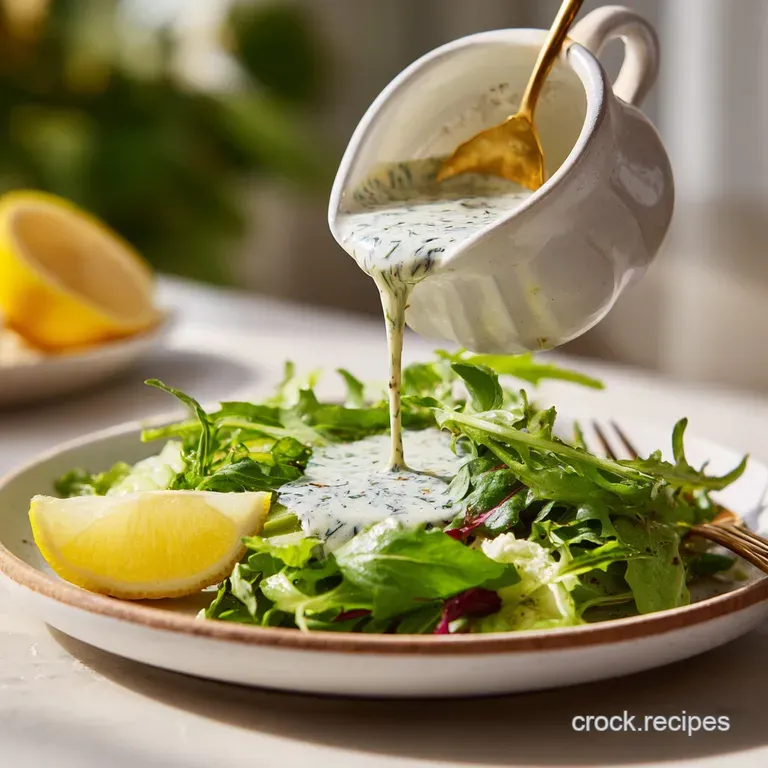
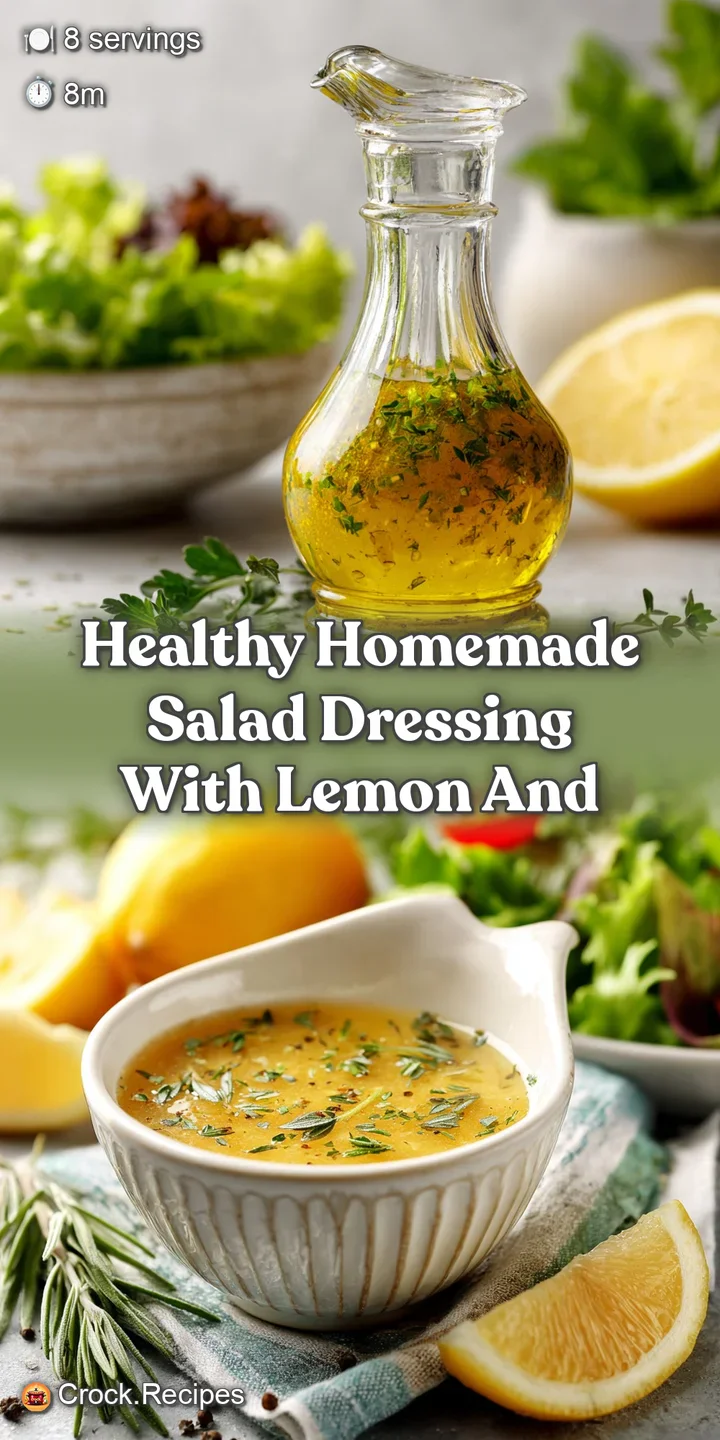
Healthy Homemade Salad Dressing with Lemon and Herbs
- Time: Active 8 minutes, Passive 0 minutes, Total 8 minutes
- Flavor/Texture Hook: Bright, zesty, and velvety smooth
- Perfect for: Weeknight greens, grain bowls, or a quick vegetable marinade
- Healthy Homemade Salad Dressing with Lemon and Herbs Youll Love
- The Science of Why it Works
- Precision Checkpoints for Results
- Component Analysis and Selection
- Essential Ingredients and Smart Substitutes
- Essential Tools for Easy Prep
- Step-by-Step Vinaigrette Preparation Guide
- Solving Common Dressing Texture Issues
- Flavor Variations for Every Palate
- Scaling and Batch Prep Guidelines
- Infusion Comparison: Cold Whisk vs. Warm Infusion
- Debunking Common Vinaigrette Myths
- Storage and Zero Waste Strategies
- Best Serving and Pairing Ideas
- Recipe FAQs
- 📝 Recipe Card
Ever noticed how a single drop of fresh lemon can wake up a whole bowl of greens? It is that sharp, electric zing that cuts through the fat of a heavy meal and makes everything feel lighter. This healthy homemade salad dressing with lemon and herbs will quickly become your go to.
I used to rely on those dusty bottles in the fridge door, but once I realized how much better a fresh emulsion tastes, there was no going back.
We are talking about a dressing that does more than just "wet" your lettuce. It layers flavor, adding a floral note from the zest and a savory punch from the garlic. It is about choosing ingredients that nourish you, focusing on wholesome fats and raw aromatics.
Honestly, the smell of fresh thyme hitting the lemon juice is enough to make anyone a salad lover.
The beauty here lies in the contrast. You have the aggressive tartness of the lemon meeting the mellow sweetness of raw honey, creating a balance that feels both sophisticated and simple.
Whether you are drizzling this over a crisp cucumber salad or using it to brighten up some roasted chickpeas, the result is always a clean, vibrant finish. Let's get into the details of how to make this shine in your kitchen.
Healthy Homemade Salad Dressing with Lemon and Herbs Youll Love
The secret to a truly great vinaigrette isn't just the ratio; it's the technique used to bind the ingredients together. When we talk about "Herbs Youll Love", we are looking for that specific aromatic profile that reminds you of a seaside lunch in Greece.
This "this recipe" relies on high-quality extra virgin olive oil to provide a silky mouthfeel that coats every leaf perfectly.
The Science of Why it Works
Emulsification: Honey acts as a natural stabilizer, binding the polar lemon juice and non polar olive oil into a unified, velvety texture. Maceration: Salt draws moisture out of the minced garlic, softening its pungent bite while distributing its essential oils throughout the mixture.
Chef's Tip: Microwave your lemon for 10 seconds before squeezing. This bursts the tiny juice vesicles inside, ensuring you get every single drop of that liquid gold without the struggle.
Precision Checkpoints for Results
- Emulsion Stability: Whisk vigorously for at least 30 seconds until no oil droplets remain visible on the surface.
- Aromatic Infusion: Let the dressing sit at room temperature for 15 minutes before serving to allow the dried oregano to rehydrate.
- Zest Quality: Use only the yellow part of the peel; the white pith underneath is bitter and will ruin the balance of your "Healthy Homemade Salad".
Component Analysis and Selection
| Ingredient | Science Role | Pro Secret |
|---|---|---|
| Extra Virgin Olive Oil | Primary Lipid | Use a peppery finishing oil for a more complex flavor profile. |
| Fresh Lemon Juice | Acid Component | Squeeze fresh; bottled juice lacks the volatile oils needed for brightness. |
| Raw Honey | Emulsifier | If the honey is crystallized, warm it slightly so it blends seamlessly. |
| Fresh Garlic | Aromatic | Mince it into a paste to avoid harsh, chunky bites of raw bulb. |
The choice of oil is paramount when making a "Healthy Homemade Salad". A cold pressed, high phenolic olive oil doesn't just provide fat; it provides antioxidants that nourish the body.
It pairs beautifully with the medicinal properties of fresh thyme and oregano, creating a dressing that is as functional as it is delicious.
Essential Ingredients and Smart Substitutes
- 3/4 cup extra virgin olive oil
- Substitute: Avocado oil. Why this? It has a neutral flavor and similar heart healthy monounsaturated fats.
- 1/4 cup fresh lemon juice
- Substitute: Apple cider vinegar. Why this? Offers a fruitier, fermented tang if lemons are unavailable.
- 1 tbsp lemon zest
- Substitute: Lime zest. Why this? Adds a tropical, punchy aroma that works well with the herbs.
- 1 clove fresh garlic, finely minced
- Substitute: 1/2 tsp garlic powder. Why this? Use if you prefer a milder, more uniform garlic flavor.
- 1/2 tsp dried oregano
- Substitute: Dried marjoram. Why this? Provides a similar earthy tone but with a sweeter, floral finish.
- 1 tbsp fresh thyme or parsley, finely chopped
- Substitute: Fresh basil. Why this? Adds a peppery, anise like sweetness to the "Youll Love" herb mix.
- 1/2 tsp sea salt
- Substitute: Kosher salt. Why this? The larger grains are easier to pinch and control for seasoning.
- 1/4 tsp black pepper
- Substitute: White pepper. Why this? Provides a sharp heat without the black specks in the dressing.
- 1 tsp raw honey or maple syrup
- Substitute: Agave nectar. Why this? A low glycemic vegan option that dissolves instantly in cold liquids.
Essential Tools for Easy Prep
You don't need a high tech kitchen to master this. A simple glass jar with a tight fitting lid is actually my favorite way to mix this. It allows for intense agitation, which is the key to a stable emulsion. If you prefer a more "velvety" result, a small wire whisk and a stainless steel bowl work wonders.
When prepping your herbs, a sharp chef's knife is non negotiable. You want to slice through the leaves cleanly rather than crushing them, which can make the herbs turn bitter and dark. For the lemon, a microplane grater is the best tool to get that fine, cloud like zest without hitting the bitter pith.
step-by-step Vinaigrette Preparation Guide
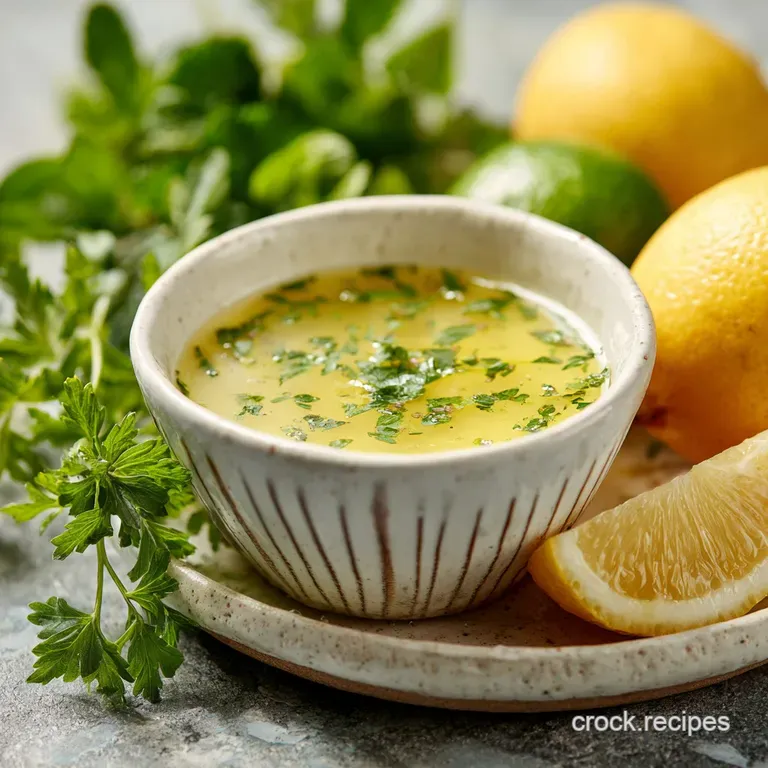
- Zest the lemon. Remove the bright yellow outer skin into a small bowl. Note: This is where the concentrated citrus oils live.
- Juice the fruit. Extract 1/4 cup of juice, ensuring no seeds fall into the mix.
- Prepare the garlic. Mince the clove finely, then use the side of your knife to press it into a paste with the sea salt.
- Combine the acids. Stir the lemon juice, zest, honey, and garlic paste together until the honey is fully dissolved.
- Chop the herbs. Finely mince your fresh thyme or parsley, removing any woody stems.
- Add the seasonings. Stir in the dried oregano, chopped fresh herbs, and black pepper.
- Slowly incorporate oil. Whisk the mixture while pouring the olive oil in a thin, steady stream until the liquid looks opaque and thickened.
- Final taste check. Dip a leaf of your salad greens into the dressing to check the balance.
- Adjust the salt. Add a tiny pinch more if the acid feels too sharp.
- Rest the dressing. Let it sit for 5 minutes until the flavors have fully melded together.
Chef's Tip: If you are using a jar, put everything in at once and shake it like you're making a cocktail for at least 45 seconds. This creates a temporary but very tight emulsion that is perfect for immediate serving.
Solving Common Dressing Texture Issues
Sometimes things don't go as planned in the kitchen. I remember the first time I made this; I poured the oil in way too fast and it looked like a swampy mess. The oil just sat on top, mocking me. But don't worry, even a broken dressing can be saved with a little bit of patience and the right technique.
If you find your dressing is too thin, it usually means the oil and acid didn't bond. You can also use this technique in other recipes, much like how you might balance the flavors in a Homemade Vegetable Soup recipe by adjusting the fats and acids at the end.
| Problem | Root Cause | Solution |
|---|---|---|
| Separated Oil | Added oil too quickly | Start with a fresh tsp of honey and slowly whisk the broken mix into it. |
| Too Bitter | Pith in the zest | Add an extra teaspoon of honey or a tiny pinch of salt to mask the bitterness. |
| Too Pungent | Garlic was too old | Let the dressing sit for 1 hour; the acid will "cook" the garlic and mellow it. |
Fixing a Broken Emulsion
If the oil has completely separated, don't throw it out. Pour the mixture into a jar and add one teaspoon of Dijon mustard. The mustard acts as an additional emulsifier. Shake vigorously for one minute, and you will see the mixture transform into a creamy, cohesive sauce that stays together much longer.
Correcting Excessive Tartness
If your lemons were particularly large or acidic, the dressing might make you pucker a bit too much. Instead of just adding more oil, which can make it feel greasy, try adding a tablespoon of warm water. This dilutes the acidity without adding extra fat, keeping the "Healthy Homemade Salad" light and refreshing.
Flavor Variations for Every Palate
One of the reasons this is a "Healthy Homemade Salad Dressing with Lemon and Herbs Youll Love" is its versatility. You can take the base and move it in several different directions depending on what you are serving. It is all about the "Herbs Youll Love" and how they interact with other additions.
Creamy Lemon Herb Dressing Recipe
For a more luxurious texture that doesn't rely on heavy dairy, add 2 tablespoons of tahini or Greek yogurt to the base. This creates a "Creamy Lemon Salad Dressing" that is perfect for sturdier greens like kale or romaine. The tahini adds a nutty depth that pairs beautifully with the lemon zest.
Spicy Mediterranean Twist
If you want to bring some heat to your "Mediterranean Lemon Olive Oil Dressing", add a half teaspoon of red pepper flakes or a teaspoon of Harissa paste. This version is incredible when drizzled over roasted cauliflower or used as a marinade for grilled halloumi cheese.
Scaling and Batch Prep Guidelines
- Scaling Down (1/2 Batch): Use a small jar to ensure enough friction during shaking. Reduce the garlic to a very small clove so it doesn't overwhelm the smaller volume of oil.
- Scaling Up (Double/Triple): When making a large batch for a party, use a blender or food processor. This ensures a much more stable, long term emulsion. For the spices, only increase the salt and pepper by 1.5x at first, then taste and adjust.
- The "Decision Shortcut":
- If you want it thicker, add a teaspoon of Dijon mustard.
- If you want it fresher, double the fresh parsley at the very end.
- If you want it milder, soak the minced garlic in the lemon juice for 10 minutes before adding the oil.
Infusion Comparison: Cold Whisk vs. Warm Infusion
| Method | Texture | Flavor Profile |
|---|---|---|
| Cold Whisk | Light and bright | Sharp citrus and punchy raw garlic notes. |
| Stovetop Infusion | Silk like and mellow | Nutty, toasted garlic with deeply integrated herb oils. |
For a warm infusion, gently heat the olive oil with the garlic and dried oregano on the stovetop for 3 minutes until the garlic just starts to sizzle. Let it cool completely before whisking in the lemon juice. This is a great alternative if you find raw garlic too difficult to digest.
Debunking Common Vinaigrette Myths
"You must use a 3 to-1 oil to acid ratio." While this is the classic French standard, it often results in a dressing that feels too oily and heavy. For a "Healthy Homemade Salad", a 2 to-1 or even a 1.5 to-1 ratio often provides a much brighter, more refreshing flavor that doesn't mask the taste of your fresh vegetables.
"Dried herbs are useless in dressing." Actually, dried oregano and thyme often have a more concentrated flavor than fresh versions when used in oil based liquids. The fat in the olive oil helps to "bloom" the dried herbs, releasing flavors that fresh herbs sometimes can't provide unless used in very large quantities.
Storage and Zero Waste Strategies
You can keep this dressing in the fridge for up to 7 days. Because of the high oil content, it may solidify or become cloudy when cold. This is perfectly normal for high-quality extra virgin olive oil.
Simply set it on the counter for 10 minutes or run the jar under warm water, then give it a good shake to re emulsify.
To embrace a zero waste kitchen, don't toss those squeezed lemon halves. Put them in a jar of water in the fridge for a refreshing drink, or use the spent rinds to clean your wooden cutting boards. If you have leftover herb stems, toss them into a freezer bag to use the next time you make a Homemade Vegetable Soup recipe. Even the smallest scraps can contribute to a more sustainable, plant based lifestyle.
Best Serving and Pairing Ideas
This dressing is a chameleon in the kitchen. While it is obviously destined for a "Healthy Homemade Salad", it also makes a spectacular marinade for plant based proteins. Try soaking firm tofu or tempeh in this mixture for an hour before searing them in a hot pan.
The honey will caramelize, creating a beautiful golden crust.
For a perfect pairing, try drizzling this over the greens in my & Spinach and recipe. The lemon and herbs provide a sharp contrast to the sweet strawberries. It is also the secret ingredient to making Nanas Chicken Salad recipe feel lighter and more modern just swap half the mayo for this zesty vinaigrette.
- Sweet
- Strawberries, roasted beets, honey glazed nuts.
- Savory
- Feta cheese, kalamata olives, grilled artichokes.
- Crisp
- Persian cucumbers, radishes, snap peas.
- Tender
- Butter lettuce, poached pears, softened quinoa.
Recipe FAQs
Can I use dried herbs instead of fresh herbs in this dressing?
Yes, dried herbs work well, but use less. Dried herbs have a more concentrated flavor, so start with half the amount called for fresh herbs and adjust to your taste.
What's the best way to ensure the dressing emulsifies properly?
Slowly stream in the oil while whisking constantly. This gradual addition helps the oil and lemon juice bind together, creating a stable, creamy emulsion similar to what you'd achieve when mastering stable emulsions in other recipes.
How long will this homemade lemon herb dressing last in the refrigerator?
It will last up to 7 days. Store it in an airtight container, and if it separates or solidifies due to the olive oil, simply let it sit at room temperature for a few minutes and shake well to re-emulsify.
My dressing separated; how can I fix it?
Don't discard it; a broken emulsion can be fixed. Whisk in one teaspoon of Dijon mustard to act as an additional emulsifier, then shake vigorously until it recombines into a creamy sauce.
Can I make this dressing creamy?
Yes, adding tahini or Greek yogurt creates a creamy texture. Stir in 2 tablespoons of tahini or Greek yogurt to the base recipe for a richer, "Creamy Lemon Salad Dressing" perfect for heartier greens.
What's the ideal oil-to-acid ratio for this dressing?
The classic 3:1 ratio isn't mandatory; aim for brighter flavor. This recipe uses closer to a 2:1 or 1.5:1 oil-to-acid ratio, resulting in a lighter, more refreshing dressing that doesn't overpower your salad.
How can I add a spicy kick to this lemon herb dressing?
Incorporate red pepper flakes or Harissa paste. Add half a teaspoon of red pepper flakes or a teaspoon of Harissa paste to the base for a spicy twist that complements roasted vegetables beautifully.
Lemon Herb Salad Dressing
Ingredients:
Instructions:
Nutrition Facts:
| Calories | 189 kcal |
|---|---|
| Protein | 0.1 g |
| Fat | 20.6 g |
| Carbs | 1.7 g |
| Fiber | 0.1 g |
| Sugar | 0.9 g |
| Sodium | 146 mg |
