Mediterranean Chickpea Salad Recipe
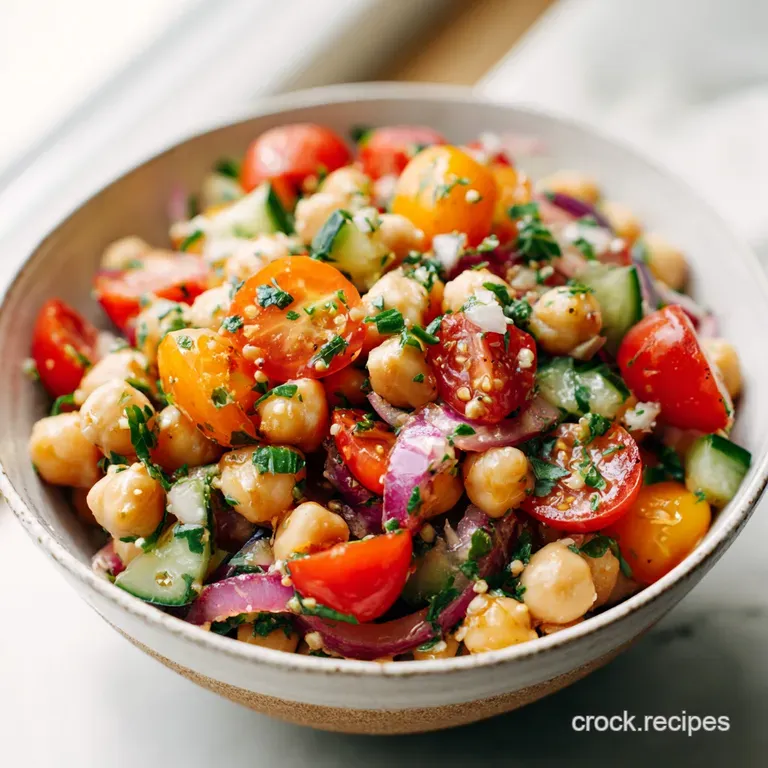
- Time: Active 15 minutes, Passive 0 minutes, Total 15 minutes
- Flavor/Texture Hook: Crisp, tangy, and incredibly velvety
- Perfect for: Stress free weeknight dinners or high protein meal prep
- The Secret to This Vibrant Mediterranean Chickpea Salad
- The Osmotic Balance of Brined Components
- A Component Analysis of the Mediterranean Base
- Selecting the Most Vibrant Garden Elements
- Minimalist Tools for a Maximum Flavor Profile
- Layering Textures for the Ultimate Flavor Build
- Solving Common Texture and Seasoning Struggles
- Adjusting Portions for Groups or Solo Meals
- Debunking Popular Misconceptions About Canned Pulses
- Preserving Freshness and Reducing Kitchen Waste
- Plating Techniques to Nourish the Senses
- High in Sodium (⚠️)
- Recipe FAQs
- 📝 Recipe Card
The Secret to This Vibrant Mediterranean Chickpea Salad
I still remember the first time I brought this dish to a backyard gathering on a sweltering July afternoon. The humidity was so thick you could practically wear it, and nobody wanted to be near a grill. I set this bowl down, and within twenty minutes, it was scraped completely clean.
People weren't just eating it; they were asking if I’d actually grown the vegetables myself because the flavors were so sharp and alive.
The truth is, I’d just learned a trick about the order of operations. I used to just toss everything together and hope for the best, but the cucumbers would get watery and the chickpeas would stay bland.
Now, I follow a specific layering technique that ensures every single bite has that punchy, zesty spark we all crave. It’s about more than just mixing; it’s about how the salt interacts with the produce.
We’re going to focus on building those layers today. You'll see how a few minutes of "macerating" the onions makes a massive difference in the final result. Trust me on this, once you try the method below, you won't go back to just "throwing a salad together." Let’s get into what makes this work so well.
The Osmotic Balance of Brined Components
Osmotic Draw: Salt pulls moisture out of the cucumbers and onions, which actually helps them soak up the vinaigrette instead of diluting it. This prevents the "watery bottom" syndrome and keeps the textures sharp.
Texture Contrast: The soft, velvety interior of the chickpeas provides a structural foil to the snap of the bell peppers. This mechanical variety keeps your palate interested throughout the entire meal.
| Prep Style | Wait Time | Texture Result | Best Occasion |
|---|---|---|---|
| Immediate Eat | 0 mins | Ultra crisp, sharp onion bite | Quick lunch |
| Short Marinate | 30 mins | Balanced, softened alliums | Casual dinner |
| Overnight Rest | 12 hours | Deeply infused, softer veg | Picnic or Potluck |
Giving the salad even twenty minutes to sit allows the dried oregano to hydrate in the oil and lemon juice. This process, known as blooming, releases the fat soluble compounds in the herbs that would otherwise stay locked away.
A Component Analysis of the Mediterranean Base
| Ingredient | Science Role | Pro Secret |
|---|---|---|
| Chickpeas | Protein & Fiber Base | Triple rinse to remove metallic "can" flavor |
| Lemon Juice | Acidic Denaturant | Use fresh only; bottled lacks bright citrus oils |
| Red Onion | Aromatic Depth | Mince finely to distribute the heat evenly |
| Extra Virgin Olive Oil | Lipid Carrier | Choose "cold pressed" for a peppery finish |
A common mistake I once made was skipping the rinse on the chickpeas. Don't do that! Rinsing them until the water runs clear removes the excess sodium and starch, which allows the dressing to actually stick to the skin of the bean rather than sliding off into a puddle.
Selecting the Most Vibrant Garden Elements
- 30 oz chickpeas: Drained and triple rinsed Why this? Provides the creamy, protein rich foundation for the entire dish.
- Substitute: Cannellini beans (softer texture, less nutty)
- 2 cups Persian cucumbers: Diced Why this? They have thinner skins and fewer seeds than English cucumbers.
- Substitute: English cucumber (peel partially if the skin is bitter)
- 1.5 cups cherry tomatoes: Halved Why this? Higher sugar content than large tomatoes, providing a sweet pop.
- Substitute: Grape tomatoes (firmer, less juicy)
- 1 large orange bell pepper: Diced Why this? Offers a mild sweetness and a bright visual contrast.
- Substitute: Yellow or red bell pepper (avoid green for this)
- 0.5 cup red onion: Finely diced Why this? Adds essential "bite" and a gorgeous purple hue.
- Substitute: Shallots (milder, more sophisticated flavor)
- 0.5 cup Kalamata olives: Pitted and halved Why this? The fermented brine provides a deep, salty umami layer.
- Substitute: Castelvetrano olives (buttery and mild)
- 0.5 cup fresh flat leaf parsley: Chopped Why this? Acts as a breath of fresh air against the heavy fats.
- Substitute: Fresh mint or dill
- 4 oz feta cheese: Crumbled Why this? Adds a tangy, creamy element that binds the salad.
- Substitute: Goat cheese (creamier) or omit for vegan
- 0.25 cup extra virgin olive oil: high-quality Why this? The primary fat source that carries all herb flavors.
- Substitute: Avocado oil (neutral flavor profile)
- 3 tbsp lemon juice: Freshly squeezed Why this? Cuts through the oil and brightens the vegetables.
- Substitute: Lime juice (more tropical)
- 1 tbsp red wine vinegar: For complexity Why this? Adds a different acidic note than the citrus.
- Substitute: Apple cider vinegar (fruitier)
- 2 cloves garlic: Minced into a paste Why this? Ensures garlic flavor is uniform, not chunky.
- Substitute: 0.5 tsp garlic powder (in a pinch)
- 1 tsp dried oregano: Herbaceous punch Why this? The classic Mediterranean aroma that defines the dish.
- Substitute: Dried marjoram (sweeter)
- 0.5 tsp sea salt: To taste Why this? Enhances every other ingredient's natural profile.
- Substitute: Kosher salt (use slightly more)
- 0.25 tsp cracked black pepper: For a subtle heat Why this? Adds a woody finish to the bright dressing.
- Substitute: White pepper (more floral)
Minimalist Tools for a Maximum Flavor Profile
You really don't need much to make a world class Mediterranean Chickpea Salad, but a few specific tools make the prep much smoother. First, a heavy chef's knife is non negotiable for getting those cucumbers and peppers into a uniform dice.
If the pieces are all roughly the size of a chickpea, every spoonful will have a bit of everything.
I also highly recommend using a large stainless steel or glass mixing bowl. Avoid reactive metals like aluminum, as the lemon juice and vinegar can pick up a metallic tang if they sit too long. For the dressing, a small glass jar with a tight lid is my favorite "hack" for emulsifying the oil and acid.
You just shake it until it looks velvety and thick.
Chef's Tip: Freeze your block of feta for 10 minutes before crumbling. This prevents it from turning into a mushy paste and helps it maintain those distinct, salty nuggets throughout the salad.
Layering Textures for the Ultimate Flavor Build
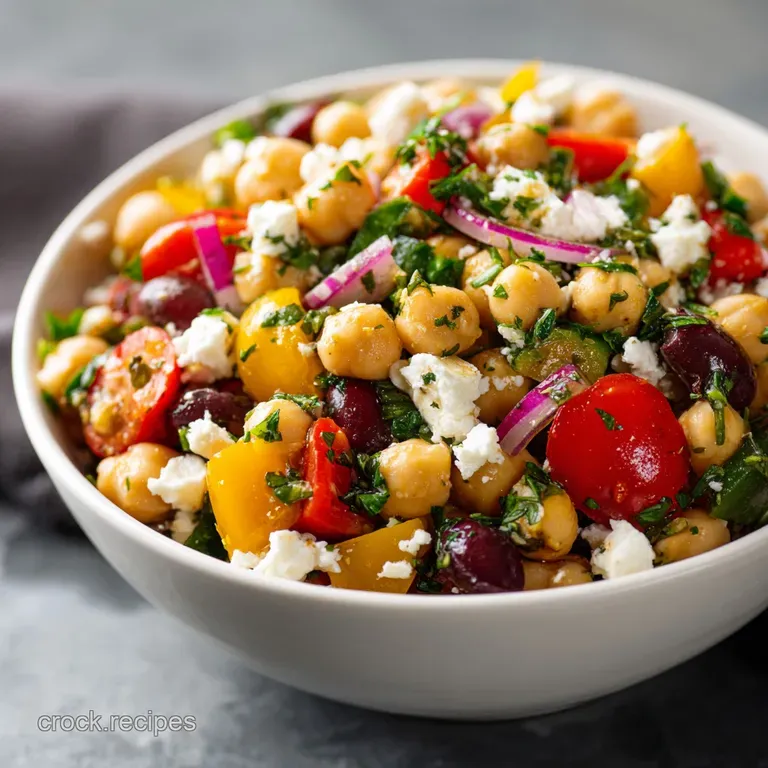
- Prep the pulses. Drain the 30 oz of chickpeas and rinse them in a colander under cold water until the foam disappears. Note: This removes the metallic canned taste.
- Macerate the alliums. Place the 0.5 cup finely diced red onion in a small bowl with the 1 tbsp red wine vinegar. Note: This "cooks" the raw edge off the onion.
- Create the emulsion. In a separate jar, combine the 0.25 cup olive oil, 3 tbsp lemon juice, minced garlic, 1 tsp oregano, salt, and pepper until the liquid looks opaque and creamy.
- Chop the base. Dice the 2 cups of cucumbers and the orange bell pepper into 1/2 inch pieces until they match the size of the chickpeas.
- Halve the fruit. Slice the 1.5 cups of cherry tomatoes and 0.5 cup of Kalamata olives through the center.
- Combine the solids. Toss the chickpeas, cucumbers, tomatoes, bell peppers, and olives into your large mixing bowl until the colors are evenly distributed.
- Apply the dressing. Pour the emulsified vinaigrette over the vegetables and toss gently until every surface is glistening.
- Add the herbs. Fold in the 0.5 cup of chopped flat leaf parsley. Note: Adding herbs late prevents them from bruising.
- Finish with cheese. Sprinkle the 4 oz of crumbled feta over the top and give it one final, very light toss until the cheese is just distributed.
- Rest the salad. Let the bowl sit at room temperature for 15 minutes until the aromas fill the kitchen.
Solving Common Texture and Seasoning Struggles
Why Your Salad Is Watery
If you find a pool of liquid at the bottom of your bowl, it's usually because the tomatoes were too soft or the cucumbers were extra juicy. Salt naturally draws water out of vegetables. If you aren't serving this immediately, you might want to de seed the cucumbers first.
Why Your Chickpeas Feel Gritty
Sometimes canned chickpeas have a slightly tough skin. This happens if they've been sitting on a shelf for a long time. A quick fix is to toss the rinsed chickpeas with a pinch of baking soda and a splash of water, microwave for 30 seconds, then rinse again. This softens the outer pectin.
| Problem | Root Cause | Solution |
|---|---|---|
| Bland flavor | Lack of acidity | Add an extra squeeze of lemon juice just before serving |
| Soggy vegetables | Premature salting | Add the dressing and salt only 15-20 mins before eating |
| Bitter aftertaste | Old dried herbs | Rub the oregano between your palms to wake up the oils |
Properly emulsifying your dressing is the best way to prevent the "oily mouthfeel" that ruins a good salad. If you're looking for a similar base to experiment with, my Healthy Homemade Salad recipe uses a very similar technique to achieve that velvety texture.
- ✓ Pat the rinsed chickpeas dry with a paper towel before dressing (helps oil stick).
- ✓ Use Persian cucumbers to avoid the watery seed core of larger varieties.
- ✓ Mince the garlic into a paste using a pinch of salt as an abrasive.
- ✓ Fold the feta in last to keep the dressing clear rather than cloudy.
- ✓ Taste a chickpea before serving; they often need more salt than the veggies.
Adjusting Portions for Groups or Solo Meals
If you are scaling this recipe down for a solo lunch, it’s actually quite easy. Since we use two cans of chickpeas (30 oz total), you can simply halve everything. Use one can, one cup of cucumber, and a smaller bell pepper.
When it comes to the egg in recipes (not this one, of course!), I usually beat it and use half, but here, just eyeball the spices.
When scaling up for a big party, don't just double the salt and oregano. Start with 1.5 times the amount and taste as you go. Large batches can become "salt bombs" very quickly because the surface area of the vegetables doesn't increase at the same rate as the volume. For a hot version of these flavors, you might want to see How to Make recipe which adapts these ingredients for a warm bowl.
| Original Ingredient | Substitute | Why It Works |
|---|---|---|
| Red Wine Vinegar | White Balsamic | Adds a mellow sweetness; Note: Darker balsamic will discolor the feta. |
| Kalamata Olives | Capers | Provides the same briny pop; Note: Use 2 tbsp for every 1/2 cup of olives. |
| Feta Cheese | Halloumi (cubed) | Similar salty profile; Note: Texture is much firmer/chewier. |
Debunking Popular Misconceptions About Canned Pulses
One myth I hear constantly is that you "must" cook dried chickpeas for a salad to be authentic. While dried beans have a lovely texture, modern canning processes are incredibly consistent. If you rinse them properly, the difference in a cold salad is almost indistinguishable to the average palate.
Another misconception is that the dressing should be made in the bowl. If you pour oil then vinegar over the veg, the oil coats the produce and prevents the vinegar from penetrating. Always whisk or shake the dressing separately to create an emulsion first.
This ensures every bite has the perfect balance of fat and acid.
Preserving Freshness and Reducing Kitchen Waste
- Fridge Life: This Mediterranean Chickpea Salad stays fresh and crisp in the fridge for up to 4 days. In fact, it often tastes better on day two once the flavors have fully melded.
- Zero Waste Tip: Don't throw away that feta brine! Use it to marinate chicken or even splash a tablespoon into your next batch of hummus for extra tang.
- Vegetable Scraps: Save the ends of your cucumbers and the "shoulders" of your bell peppers in a bag in the freezer for a future vegetable stock.
- Freezing: I do not recommend freezing this salad. The cucumbers and tomatoes will lose their cellular structure and become mushy upon thawing.
Plating Techniques to Nourish the Senses
Presentation is everything when you're serving a dish this colorful. Instead of just dumping it into a bowl, try using a wide, shallow platter. This allows the feta and olives to sit on top rather than sinking to the bottom.
I love to finish the dish with a final "shatter" of fresh parsley and a heavy crack of black pepper right at the table.
If you want to make it look truly professional, save a few whole leaves of parsley and a sprinkle of the feta to add after the final toss. This keeps the colors distinct and bright.
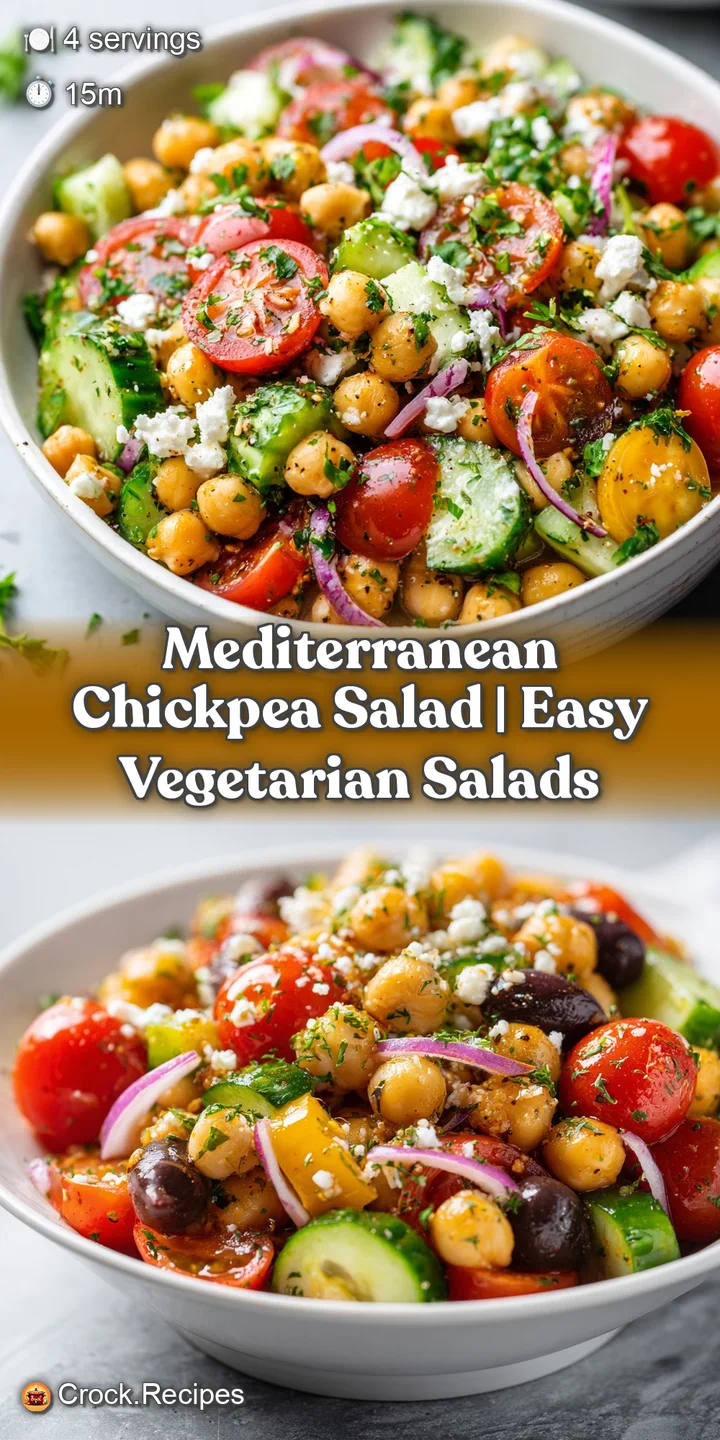
The visual contrast between the orange peppers, red tomatoes, and green cucumbers is what makes this dish look as nourishing as it actually is.
- If you want more crunch, add 1/4 cup of toasted pine nuts.
- If you want a creamier texture, stir in half a mashed avocado right before serving.
- If you want a heartier meal, serve this over a bed of quinoa or farro.
High in Sodium (⚠️)
965 mg 965 mg of sodium per serving (42% 42% of daily value)
The American Heart Association recommends limiting sodium intake to about 2,300mg per day for adults.
Tips to Reduce Sodium in Your Chickpea Salad
-
Reduce Feta Cheese-20%
Feta cheese is a significant source of sodium. Reduce the amount from 4oz to 2oz or substitute with a lower sodium cheese like fresh mozzarella. This simple change can significantly lower the sodium content. Consider adding nutritional yeast for a cheesy flavor.
-
Limit Olives-15%
Kalamata olives contribute a considerable amount of sodium. Halve the quantity of olives used, or substitute with a small amount of finely chopped sun-dried tomatoes (oil-packed, drained well) for a burst of flavor without the added sodium. Consider using a lower sodium olive variety.
-
Reduce Added Salt-15%
Eliminate the 0.5 tsp of added sea salt and taste the salad before adding any salt. You might find that the feta and olives provide enough saltiness. If needed, add just a pinch of salt at the end. Remember a little goes a long way.
-
Skip the Brine-10%
Make sure to buy chickpeas canned in water without any salt added. This significantly reduces the overall sodium content of your salad. Look for labels that say "no salt added".
-
Flavor with Herbs & Spices
Experiment with fresh herbs and spices like basil, mint, or a pinch of chili flakes to enhance the flavor of your salad. These additions can help you reduce the need for salt without sacrificing taste. Freshly ground black pepper can also provide a flavorful kick.
Recipe FAQs
What is the Jennifer Aniston salad?
It is a common nickname for a high protein, grain free salad. While Aniston has referenced several healthy mixes, this Mediterranean Chickpea Salad fits the description due to its heavy reliance on pulses, fresh vegetables, and olive oil dressing.
What are some common mistakes when making Mediterranean salad?
Over salting the vegetables too early is the biggest flavor culprit. Salt draws water out, which waters down the dressing, so always dress the salad immediately before serving, or salt very lightly at the beginning. If you struggle with balancing acidity, review how we achieve that perfect zing in our Spinach and recipe vinaigrette, as the principles of acid cutting fat are identical.
Is it okay to eat chickpea salad every day?
Yes, provided you vary the other components of your diet. Chickpeas are excellent sources of fiber and plant based protein, making this highly nutritious for daily consumption. However, long term dietary health requires variety, so rotate your greens and protein sources.
What are some common chickpea salad mistakes?
Failing to rinse the chickpeas adequately creates a metallic aftertaste. You must rinse them until the water runs clear to remove the canning liquid residue. If you mastered controlling texture in this mix, you will see that same skill directly transfer when working on a sturdy base like The Cobb Salad recipe.
How do I stop the cucumbers from making the salad watery?
Dice the cucumbers and lightly salt them separately first. Let them sit for 10 minutes, then gently blot the moisture released with a paper towel before adding them to the main bowl. Persian cucumbers are inherently less watery than standard varieties, so using those helps immensely.
Can I substitute the feta cheese with a different dairy item?
Yes, goat cheese or Cotija work well as textural stand ins. Goat cheese will lend a creamier texture and tang, while Cotija offers a saltier, drier crumble similar to feta. If you enjoy strong salty/tangy notes, you could even explore adding brined olives to a recipe like our Classic Italian Pasta recipe.
Why does my dressing separate so quickly after whisking?
You need a proper emulsifier to stabilize the oil and acid bond. Whisking vigorously while slowly drizzling in the oil helps, but adding a tiny amount of Dijon mustard or using a blender creates a much more stable emulsion. This technique is crucial for preventing separation, similar to how we ensure a perfect binding in our Ham Salad Classic recipe filling.
Mediterranean Chickpea Salad
Ingredients:
Instructions:
Nutrition Facts:
| Calories | 465 kcal |
|---|---|
| Protein | 15.2 g |
| Fat | 27 g |
| Carbs | 40 g |
| Fiber | 12.1 g |
| Sugar | 6.2 g |
| Sodium | 965 mg |
