Mississippi Beef Noodles: Tender and Savory
- Time: Active 15 minutes, Passive 480 minutes, Total 495 minutes
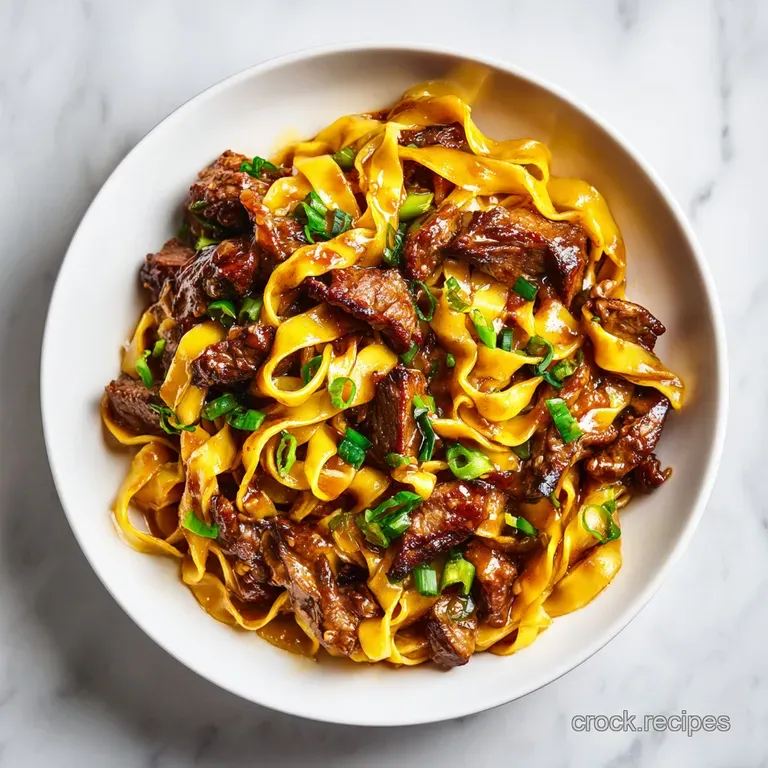
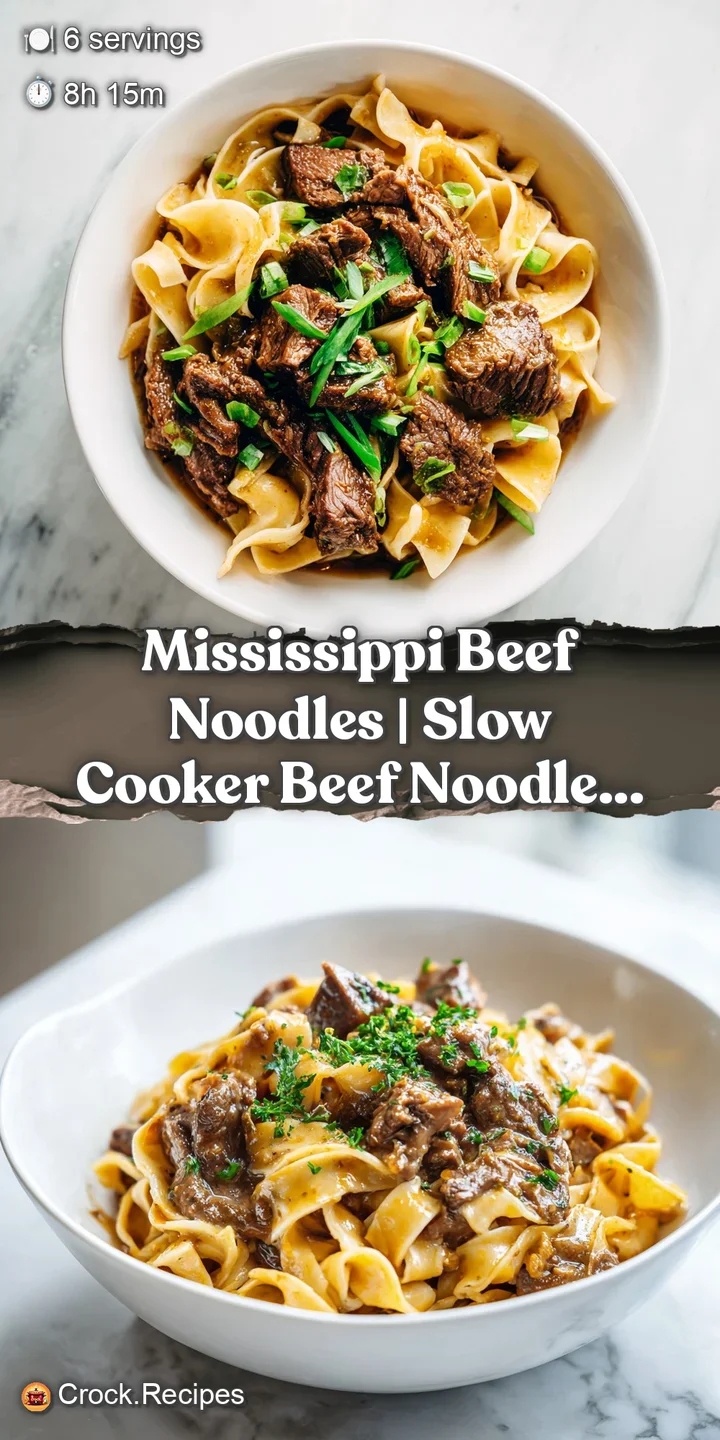
- Flavor/Texture Hook: Zesty, buttery sauce with tender, pull apart beef and silky noodles.
- Perfect for: Busy weeknights, feeding a crowd, or anyone who loves a low effort, high reward dinner.
- The Best Mississippi Beef Noodles Slow Cooked
- Why Most Slow Cooker Recipes Fail
- Essential Recipe Specs and Timings
- Deep Dive Into Every Key Ingredient
- Minimal Tools Needed for Success
- Complete Step By Step Cooking Process
- Solving Common Cooking Mistakes Quickly
- Simple Ways to Personalize This
- Myths About Mississippi Pot Roast
- Storing Leftovers and Minimizing Waste
- Perfect Sides for This Hearty Dish
- Very High in Sodium (🚨)
- Recipe FAQs
- 📝 Recipe Card
The Best Mississippi Beef Noodles Slow Cooked
You know that specific smell that hits you when you walk through the door after a long day? It’s that warm, savory, slightly tangy aroma that tells you dinner is already finished and waiting. That is the magic of making Mississippi Beef Noodles in your slow cooker.
There is something incredibly satisfying about tossing a few ingredients into a pot in the morning and returning to a meal that looks like you spent hours at the stove.
I remember the first time I tried this combination. I was skeptical about the peppers and the ranch seasoning working together, but one bite of that buttery, salty sauce changed everything. The beef doesn't just get tender; it becomes so soft it practically shreds itself if you look at it too hard.
It’s a dish that feels like a big, warm hug, and honestly, we all need that sometimes.
We’re keeping things simple today. No fancy techniques or complicated equipment required. Just a reliable slow cooker, a few packets of seasoning, and a little bit of patience.
Whether you’re a seasoned pro or just starting your journey with a crockpot, this recipe is designed to work every single time without the stress. Let’s get into why this specific method is such a winner for busy kitchens.
Why Most Slow Cooker Recipes Fail
Most people treat their slow cooker like a "set it and forget it" machine for everything, including the pasta. But if you throw dry noodles in at the start with 1.36 kg of beef, you’ll end up with a gray, mushy mess that tastes more like cardboard than comfort food.
The secret to this dish is the timing of the starch. By letting the beef braise alone for 7 hours, you allow the collagen to melt without overcooking the delicate egg noodles.
Another common mistake is skipping the brine. People see those pepperoncini peppers and think they are just for garnish, but the vinegar in that jar is doing heavy lifting. It cuts right through the 115g of salted butter, balancing the richness so the dish doesn't feel heavy.
Without that acid, the gravy can feel a bit one note. We want layers of flavor, not just a salt bomb.
Finally, we have to talk about the liquid. Some folks add too much water early on, which dilutes the seasonings. We rely on the natural juices from the chuck roast and a focused amount of beef broth added later.
This ensures the sauce stays velvety and coats every single noodle instead of pooling at the bottom of the bowl like a thin soup.
Slow Breakdown: 1.36 kg of chuck roast contains tough connective tissue that only turns into gelatinous, tender shreds after several hours of over low heat cooking.
Acid Activation: The vinegar from the pepperoncini brine acts as a tenderizer for the meat fibers while providing a necessary contrast to the fats.
Starch Suspension: Adding the 450g of wide egg noodles at the very end allows them to cook in the beef infused broth, thickening the sauce naturally as they release starch.
Fat Integration: Using a whole stick of salted butter (115g) creates a stable emulsion with the au jus and ranch seasonings, resulting in a glossy, rich coating.
| Meat Thickness | Internal Temp | Rest Time | Visual Cue |
|---|---|---|---|
| 2 cm slice | 90°C | 5 mins | Fibers pull apart easily |
| 5 cm chunk | 93°C | 10 mins | Shreds with a light fork touch |
| Whole 1.36 kg roast | 95°C | 15 mins | Bone (if present) slides out |
Beef chuck roast is the preferred choice here because it has the perfect ratio of fat to lean meat. While leaner cuts like round roast might seem "healthier," they often turn out dry and stringy in the slow cooker. You need that marbled fat to keep the beef moist during the 8 hours of cooking. If you happen to be looking for a different kind of comfort, this beef stew recipe uses similar slow cooking principles for a more traditional vegetable heavy meal.
| Component | Science Role | Pro Secret |
|---|---|---|
| Beef Chuck Roast | Provides fat and collagen | Pat it dry before adding to help seasonings stick. |
| Salted Butter | Adds richness and mouthfeel | Don't melt it first; let it slow melt over the meat. |
| Pepperoncini Brine | Tenderizes and balances salt | Use the brine from the jar for an extra zing. |
| Wide Egg Noodles | Provides structure and starch | Only add these in the final hour to avoid mush. |
The interaction between the ranch seasoning and the au jus mix is where the "Mississippi" flavor profile really comes to life. The ranch provides a creamy, herbal note with hints of dill and garlic, while the au jus brings deep, beefy umami.
When these mix with the melted butter, they create a sauce that is significantly more complex than the sum of its parts.
Essential Recipe Specs and Timings
This recipe is designed for a 6 quart slow cooker, which provides enough surface area for the beef to cook evenly and enough volume for the noodles to expand later. If you use a smaller pot, you might find it difficult to submerge the noodles in the final hour.
Accuracy with your timing is the difference between a "good" meal and the best version of this dish you’ve ever had.
- Prep time:15 minutes (mostly opening packets and trimming large fat caps)
- Slow Cooker Setting: LOW (always use low for chuck roast for the best texture)
- Beef Cook Time:7 hours
- Noodle Cook Time: 45 to 60 minutes
- Total Time:8 hours 15 minutes (495 minutes)
- Yield: 6 hearty servings
The 450g of wide egg noodles will absorb a significant amount of the 475ml of beef broth you add in step five. If you prefer a "soupier" result, you can increase the broth slightly, but I find the 2 cups (475ml) creates a perfect, gravy like consistency.
Remember that the noodles continue to soak up liquid even after you turn the slow cooker off, so serving immediately is usually best.
Deep Dive Into Every Key Ingredient
The foundation of Mississippi Beef Noodles is the 1.36 kg chuck roast. When shopping, look for a piece that has good "marbling" those little white flecks of fat running through the meat. This fat is what keeps the beef juicy through the long cook time.
I usually trim off any massive chunks of hard white fat from the outside, but leave the internal marbling alone.
Next, we have the seasonings. Using 28g of ranch seasoning and 28g of au jus mix provides all the salt and flavor you need. I rarely add extra salt to this dish because the packets and the salted butter (115g) usually provide plenty. The pepperoncini peppers (8 total) add a mild heat and a massive amount of flavor.
Don't worry the dish isn't "spicy" in the traditional sense; the peppers become quite mild after 8 hours of cooking.
| Original Ingredient | Substitute | Why It Works |
|---|---|---|
| 1.36 kg Beef Chuck | Bottom Round Roast | Leaner, but still shreds. Note: May be slightly drier. |
| 115g Salted Butter | Unsalted Butter + 1/4 tsp salt | Gives you more control over the sodium levels. |
| 450g Egg Noodles | Fettuccine or Rotini | Similar surface area for sauce. Note: Adjust cook time. |
| 475ml Beef Broth | Chicken Broth | Provides liquid and savory notes. Note: Lighter flavor profile. |
| 8 Pepperoncinis | Pickled Jalapeños | Adds a much sharper, spicy kick to the gravy. |
Egg noodles are the traditional choice here for a reason. Their flat, wide shape is designed to hold onto thick sauces. If you switch to a thinner pasta like spaghetti, the dish loses some of its "rib sticking" appeal. If you're in the mood for a different pasta experience entirely, you might enjoy this sloppy cheeseburger pasta which also focuses on quick, comforting flavors.
Minimal Tools Needed for Success
One of the reasons I love this recipe is that it doesn't require a sink full of dishes. You really only need one main piece of equipment: a 6 quart slow cooker. A larger one is fine, but avoid using a tiny 3 quart model as the 1.36 kg of beef and the noodles simply won't fit once the pasta starts to expand.
You will also need two large forks for shredding the beef. I’ve seen people use hand mixers to shred meat, but for Mississippi Beef Noodles, I prefer the texture of hand shredded "ribbons." It feels more rustic and authentic.
A simple measuring cup for the 475ml of beef broth and a knife for the parsley are the only other items you'll pull from the drawer.
Chef's Tip: If your slow cooker has a "sear" function, you can brown the beef for 3 minutes per side before starting. It's not strictly necessary, but it adds an extra layer of savory depth. If not, don't worry the recipe is still fantastic without it.
Complete step-by-step Cooking Process
- Prepare the meat. Place the 1.36 kg beef chuck roast at the bottom of a 6 quart slow cooker. Note: No need to add oil or water at this stage.
- Season the roast. Sprinkle 28g of ranch seasoning and 28g of au jus mix directly over the meat. Cover the surface evenly.
- Add fats and aromatics. Top the seasoned meat with 115g of salted butter and 8 pepperoncini peppers.
- Add the zing. Pour 2 tbsp of pepperoncini brine around the edges of the meat. Note: This helps start the steam process.
- Initial braise. Cover and cook on LOW for 7 hours until the beef is tender and falling apart.
- Shred the beef. Open the lid and shred the beef into bite sized ribbons using two large forks. Remove any large pieces of unrendered fat.
- Infuse the liquid. Pour in 475ml of low sodium beef broth and add 450g of wide egg noodles. Stir gently to submerge the noodles.
- Final cook. Cover and cook on LOW for an additional 45 to 60 minutes until the noodles are tender and the sauce is velvety.
- Garnish and serve. Sprinkle with 1 tbsp of fresh parsley and serve immediately while the sauce is at its thickest.
Solving Common Cooking Mistakes Quickly
Even with a recipe this simple, things can occasionally go sideways. The most common complaint is that the dish ends up too salty. This usually happens if you use a full sodium beef broth in combination with the seasoning packets. Always opt for low sodium broth to give yourself a safety margin.
If it’s already too salty, adding a splash of heavy cream at the end can help mellow it out.
Another issue is the beef remaining tough. If your 1.36 kg roast isn't shredding after 7 hours, it simply needs more time. Every slow cooker runs at a slightly different temperature. Don't panic just put the lid back on and give it another 30 to 60 minutes.
The collagen will eventually give up and melt; you just have to be more stubborn than the cow.
Why Your Beef is Dry
If the beef is tough and dry rather than tender, it usually means it was cooked on the "HIGH" setting for too long. High heat can cause the muscle fibers to seize up and squeeze out their moisture before the collagen has a chance to break down.
Always stick to the "LOW" setting for a chuck roast to ensure that melting, silky texture we’re after.
| Problem | Root Cause | Solution |
|---|---|---|
| Mushy Noodles | Cooked too long | Add noodles only in the final 45 mins. |
| Thin Sauce | Too much liquid | Leave lid off for last 15 mins to reduce. |
| Tough Beef | Under cooked | Cook for an extra 45 mins on LOW. |
Common Mistakes Checklist
- ✓ Ensure the beef is fully thawed before starting (never put frozen meat in a slow cooker).
- ✓ Use wide egg noodles specifically; thin pasta will disintegrate.
- ✓ Don't skip the butter; it’s essential for the "velvety" sauce texture.
- ✓ Keep the lid closed during the first 7 hours to maintain consistent heat.
- ✓ Check noodle tenderness at the 45 minute mark to prevent overcooking.
Simple Ways to Personalize This
While the classic Mississippi Beef Noodles are perfect as is, I sometimes like to tweak things depending on what's in my pantry. If you want an "Extra Creamy" version, stir in 120ml of sour cream or heavy cream right before serving.
This turns the au jus into a luxurious, pale gravy that reminds me of a beef stroganoff but with that signature Mississippi tang.
For those who want more vegetables, you can add sliced mushrooms or onions at the very beginning with the beef. They will practically melt into the sauce, adding a wonderful earthy sweetness.
If you find the peppers too mild, try slicing them up before adding them to the pot so the seeds and spicy oils can fully integrate into the cooking liquid.
Scaling the Recipe
If you need to feed a massive crowd, you can double the recipe. Use a 2.7 kg roast and double the seasoning packets and butter. However, do not double the cooking time it will still take about 8 to 9 hours for a larger roast.
When doubling, work in batches for the noodles if your slow cooker is getting too full, or cook the noodles separately on the stove and toss them with the shredded beef and sauce at the end.
If you are cooking for just two people, you can halve the ingredients. Use a 0.7 kg roast and half the butter. You can still use the full packets of seasoning if you like a very bold flavor, or just use half of each.
In a smaller 3 quart slow cooker, the cook time for the beef might reduce by about 20%, so start checking it at the 5 hour mark.
Myths About Mississippi Pot Roast
There’s a common myth that you must sear the meat to "lock in the juices." In reality, searing doesn't create a moisture seal; it creates flavor through a process of browning. While it tastes great, the slow cooker environment is so moist that your 1.36 kg roast will stay juicy regardless.
The packets provide so much concentrated flavor that the extra step of browning is truly optional.
Another myth is that you can't overcook beef in a slow cooker. You absolutely can. After about 10 or 11 hours on low, even the best chuck roast will start to lose its structure and become "mushy" rather than "tender." Stick to the 7 hour mark for the beef and the 1 hour mark for the noodles to keep the textures distinct and pleasant.
Storing Leftovers and Minimizing Waste
This dish actually tastes even better the next day as the noodles continue to absorb the flavors of the sauce. Store any leftovers in an airtight container in the fridge for up to 4 days. When reheating, you might notice the noodles have soaked up all the gravy.
Simply add a splash of water or beef broth before microwaving to loosen the sauce back up to its velvety state.
- Freezing: You can freeze the shredded beef and sauce (without the noodles) for up to 3 months. I don't recommend freezing the noodles, as they tend to become very soft and mushy upon thawing.
- Zero Waste: If you have leftover gravy but no meat, use it as a base for a soup. Add some frozen peas, carrots, and a bit more broth for a quick "beef less" vegetable stew. You can also use the leftover shredded beef in a toasted sandwich with some melted provolone cheese for a quick lunch.
Perfect Sides for This Hearty Dish
Since Mississippi Beef Noodles are quite rich and salty, I like to serve them with something fresh or acidic to balance the plate. A simple green salad with a sharp vinaigrette is my go to. It cleanses the palate between bites of the buttery noodles.
Steamed broccoli or roasted green beans also work beautifully, providing a much needed pop of color and a crisp tender texture.
If you want to go all out on the comfort front, a side of crusty bread is essential for mopping up any leftover gravy at the bottom of the bowl. Garlic bread is particularly good here, as the garlic complements the ranch seasoning perfectly.
Just remember, this is a heavy meal, so you don't need a lot of complex side dishes let the slow cooker do the heavy lifting and keep the rest of the meal light and easy.
I hope this becomes a staple in your kitchen just like it has in mine. There's really nothing like the feeling of knowing dinner is handled, especially when it's as satisfying as these noodles. Happy cooking!
Very High in Sodium (🚨)
1280 mg 1280 mg (56% 56%)
The American Heart Association recommends limiting sodium intake to no more than 2,300mg per day, with an ideal limit of 1,500mg for most adults.
Tips to Reduce Sodium
-
Replace Gravy Mix and Ranch Packet-30%
Completely eliminate the au jus gravy mix packet and Hidden Valley Ranch Seasoning packet, as these are major sources of sodium. You can replace their flavor with a blend of low-sodium herbs and spices for the roast.
-
Use Low-Sodium Broth-30%
You are already using low-sodium beef broth, which is great! Ensure it's truly labeled 'low-sodium' or 'no salt added' for the best impact.
-
Opt for Unsalted Butter-10%
Swap the salted butter for unsalted butter to control the salt content of the dish from the start.
-
Reduce Pepperoncini Brine-10%
Significantly reduce or omit the pepperoncini brine. While it adds flavor, it's concentrated in sodium. You can add a splash of vinegar for tanginess instead.
-
Boost Flavor with Herbs & Spices
Enhance the natural flavors of the beef and vegetables by using fresh or dried herbs like garlic powder, onion powder, paprika, thyme, and rosemary, and skip adding extra salt.
Recipe FAQs
Can I use a different cut of beef instead of chuck roast?
No, stick with beef chuck roast. Its high fat content and marbling are essential for achieving the melt-in-your mouth texture required for this slow cooked dish. If you enjoyed the tenderizing process used here, note that other lean cuts will likely dry out or become stringy during the seven hour cook time.
How to prevent the noodles from becoming mushy?
Check for tenderness at the 45-minute mark. Wide egg noodles have a shorter structural lifespan than other pasta shapes, so once they reach an al dente texture, stop the cooking process immediately to keep them from disintegrating into the sauce.
Is it necessary to thaw the beef before slow cooking?
Yes, ensure the beef is fully thawed. Placing frozen meat into a slow cooker keeps the internal temperature in the "danger zone" for too long, which is a major food safety risk and results in uneven cooking.
How to store leftovers so the noodles do not absorb all the liquid?
Store the beef and noodles in an airtight container for up to 4 days. Because pasta naturally acts like a sponge, you should add a splash of beef broth before reheating to return the sauce to its original velvety consistency.
Can I freeze this meal for later?
Yes, but only freeze the shredded beef and sauce. The egg noodles become unpleasantly soft after thawing and reheating, so it is best to prepare fresh pasta whenever you decide to thaw and eat the base mixture.
Why is the butter considered an essential ingredient?
The butter is critical for creating a velvety emulsion. When combined with the beef broth and juices, it transforms the cooking liquid into a rich, cohesive coating for the noodles that prevents the dish from feeling dry.
Is it safe to open the slow cooker lid during the first 7 hours?
No, keep the lid closed to maintain consistent heat. Opening the lid releases trapped steam and significantly drops the internal temperature, which forces the slow cooker to work much harder to recover, potentially leading to undercooked meat.
Mississippi Beef Noodles
Ingredients:
Instructions:
Nutrition Facts:
| Calories | 1012 calories |
|---|---|
| Protein | 55 g |
| Fat | 61 g |
| Carbs | 59 g |
| Fiber | 3 g |
| Sugar | 2 g |
| Sodium | 1280 mg |
