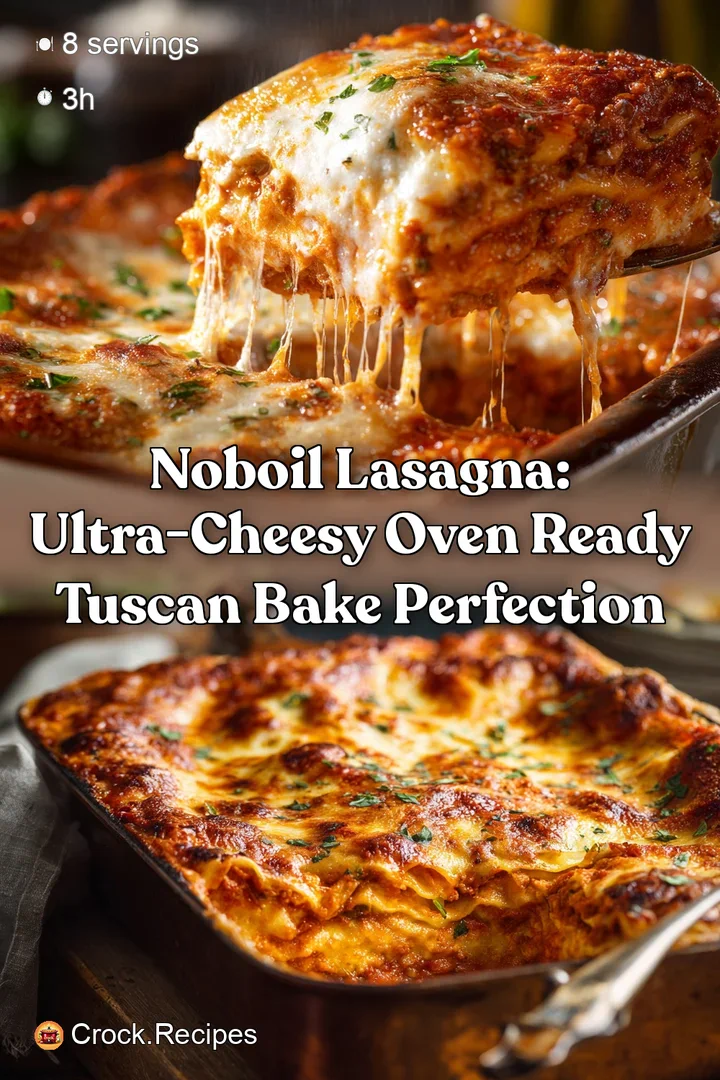
Noboil Lasagna: the Effortless Tuscan Bake Recipe

- Mastering the No-Boil Lasagna: Comfort Without the Chore
- The Science of the Effortless Lasagna: Sauce Hydration Secrets
- Essential Ingredients for the Perfect No-Fuss Lasagna Bake
- Layering Mastery: Step-by-Step Guide to Assembling Your Bake
- Troubleshooting the NoBoil Method: Expert Tips for Success
- Making Ahead and Meal Prepping: Storing Your Lasagna
- Complementary Pairings: What to Serve Alongside Your Tuscan Bake
- Recipe FAQs
- 📝 Recipe Card
Mastering the No-Boil Lasagna: Comfort Without the Chore
That smell when rich, slow simmered ragu meets creamy Béchamel and vast quantities of melting cheese? Pure, unadulterated Italian comfort. When this deeply flavorful Tuscan bake comes out of the oven, bubbling enthusiastically, you know that whatever stress the day held is officially gone.
Honestly, I used to dread the lasagna chore the giant, steaming pot, the sticky noodles clinging to each other, and the inevitable ripping when you tried to peel them apart.
This incredible NoBoil Lasagna changes everything, completely freeing up an hour of frustrating, active kitchen time. It’s fast, deeply complex in flavor, and perfect for feeding a crowd without losing your mind.
Forget everything you think you know about classic lasagna preparation. We’re skipping the boiling step entirely by embracing the power of hydration, but we are keeping all the necessary flavor depth. Let’s crack on and make the best, easiest NoBoil Lasagna you’ve ever served.
The Science of the Effortless Lasagna: Sauce Hydration Secrets
The secret to a perfect NoBoil Lasagna isn't magic; it's simply moisture management. Traditional recipes rely on boiling water to soften the pasta; we rely on the extra wet consistency of both the ragu and the Béchamel to do the job right in the oven.
It’s a genius swap that delivers incredible results.
The Traditional Lasagna Trap: Why Pre-Boiling Wastes Time
The truth is, boiled noodles are delicate, prone to sticking, and they introduce unnecessary starch and water into your final dish. You end up wasting time wrangling slippery pasta, only for it to slightly dilute your gorgeous sauce. This traditional approach to lasagna prep is simply inefficient.
When you embrace the NoBoil Lasagna method, you get to skip the mess and focus all your energy on building flavor.
What Makes This Tuscan Bake Truly Effortless
The key to success when making a homemade NoBoil Lasagna is ensuring your components are warm and sufficiently moist before assembly. Cold sauces take longer to heat up and start hydrating the pasta, often resulting in crusty, chewy edges.
Using warm, slightly runnier ragu and a very thin Béchamel means the hydration process starts the second the dish enters the oven, cutting down on total cooking time and guaranteeing tenderness.
Deep Flavor Profiles: Ragu, Béchamel, and The Ultimate Cheese Pull
While speed is the priority here, we are not sacrificing flavor. The 60 minute simmer for the beef and pork ragu is non-negotiable; that reduction time builds depth you simply can’t fake. We are concentrating the tomato and meat flavor, which then penetrates the dry noodles.
That deep, savory foundation, layered with the fragrant, nutmeg laced Béchamel, is what turns this quick weeknight bake into a showstopper NoBoil Lasagna .
Achieving Al Dente: How Dry Noodles Absorb the Sauce
Dry lasagna noodles, unlike instant or "oven ready" versions, are designed to absorb a set amount of liquid. When we layer them with enough warm, high moisture sauce and seal the dish tightly with foil, we essentially create a pasta sauna.
The steam and liquid absorb into the pasta, resulting in a perfect, toothsome al dente texture throughout the entire NoBoil Lasagna —not mushy, not hard, but just right.
The Critical Role of a Wetted Beef and Pork Ragu
Your ragu must be thinner than standard Bolognese, plain and simple. If you find your sauce is too thick after simmering, add an extra half cup of beef stock before turning off the heat. That extra liquid is not padding; it is the fuel the dry noodles need to soften.
Remember: A slightly runnier ragu is the foundation of a successful NoBoil Lasagna.
Perfecting the Thin Béchamel Consistency for Baking
We need a Béchamel that flows. Don't make a standard, thick gravy like white sauce. This Béchamel should coat the back of a spoon lightly but still be visibly thin and pourable. I once made the mistake of using cold milk directly from the fridge, which caused the roux to seize and clump.
Rookie mistake alert! Always warm your milk slightly before incorporating it into the roux for the creamiest, thinnest Béchamel, which is absolutely vital for this easy NoBoil Lasagna .
Essential Ingredients for the Perfect No-Fuss Lasagna Bake
This recipe relies on high-quality basics. Since the ingredient list is short, making small upgrades here delivers exponential flavor returns in your finished NoBoil Lasagna .
Choosing the Right Cut: Beef and Pork Blend Ratios
I swear by the 50/50 mix of ground beef (80/20 fat ratio for flavor) and ground pork or mild Italian sausage. The pork provides sweetness and richness that balances the acidity of the tomatoes beautifully.
| Ingredient | My Top Choice | Viable Substitution |
|---|---|---|
| Ground Pork | Mild Italian Sausage | Ground Veal (for lighter flavor) |
| Crushed Tomatoes | San Marzano (DOP) | Pomi or Mutti Passata (add water if too thick) |
| Ricotta Cheese | Whole Milk Ricotta | Well drained cottage cheese (pulsed smooth) |
| Dry Red Wine | Merlot or Chianti | Beef Stock + 1 tsp Balsamic Vinegar |
Are All 'No-Boil' Noodles Created Equal? A Deep Dive
Here is where I get pedantic: We are using the NoBoil method with standard dried lasagna noodles —the stiff, wavy sheets you buy in the regular pasta aisle.
We are not using the pre-cooked, pre-treated "oven ready" noodles that sometimes come labeled with the same name. Standard sheets absorb liquid slowly and evenly, which is why they work so perfectly in this specific NoBoil Lasagna recipe.
Selecting High Moisture and Melting Cheeses
For the ultimate cheese pull, you need moisture. We use whole milk mozzarella, not low-fat, because it melts far better and stays creamier. For the ricotta filling, make sure you drain it if it looks watery; excess moisture can lead to a runny slice when combined with the sauces.
The blend of fresh parsley, egg, and ricotta binds the entire middle layer, providing necessary structure to the finished NoBoil Lasagna .
Quick Substitution Notes for Pre-Made Sauces
Look, I get it. Sometimes time is non-existent. If you need to use pre-made jarred marinara, please do! Just make sure you thin it out significantly with at least 1 cup of beef stock per jar and bring it to a simmer first. You need that extra liquid to ensure the noodles hydrate properly.
If you’re pressed for time, this hack still delivers a fantastic, quick NoBoil Lasagna experience.
Layering Mastery: step-by-step Guide to Assembling Your Bake
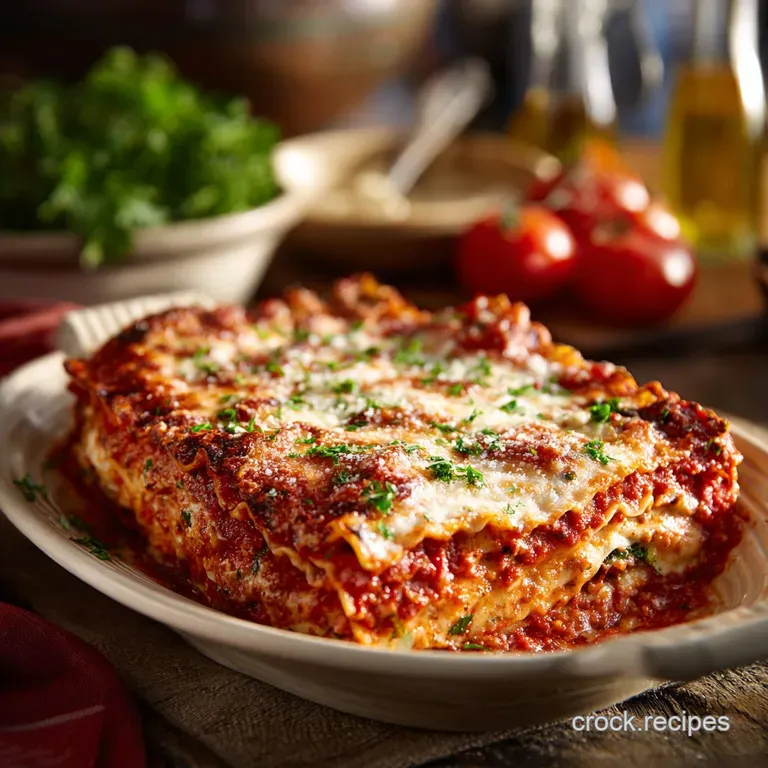
Assembly is fast, but precision counts. The order and quantity of sauce are the difference between chewy, dry noodles and pillowy, tender perfection.
Simmering the Deeply Flavored Tuscan Ragu Base
Start with your soffritto onions, celery, and carrots sautéed until completely soft. This step builds the foundation. Brown the beef and pork aggressively before draining the fat; depth of color equals depth of flavor.
Once you add the wine, be sure to scrape up every browned bit from the bottom of the pan that’s called deglazing, and it’s a pro move. Then, let the ragu simmer, uncovered, for a full hour. The resulting concentrated sauce is what makes this the best NoBoil Lasagna .
The Ideal Layering Order for Maximum Moisture Retention
We are building a lasagna with five key layers. Start with a generous ladle of the warm ragu on the bottom of the pan; this is your anti scorching layer. Then place the dry pasta sheets. The key sequence is always Noodle, Ragu, Béchamel, Ricotta.
Repeat that sequence once, finishing the final layer of noodles with the remaining ragu and Béchamel. Critical Tip: Make sure the very top noodles are completely submerged in sauce before adding the mozzarella. If the pasta is visible, it will dry out and refuse to cook.
Achieving Golden Perfection: Oven Temperature and Resting Time
We start the bake at 375°F (190°C) covered tightly for 40 minutes. That foil traps the steam and provides the environment needed for the pasta to soften.
After 40 minutes, remove the foil careful of the steam! and bake uncovered for the remaining 15– 20 minutes until the mozzarella is melted, bubbly, and deeply golden brown.
This two-stage bake ensures your NoBoil Lasagna is cooked through and perfectly browned on top.
Troubleshooting the NoBoil Method: Expert Tips for Success
Making this specific NoBoil Lasagna is easy, but there are a few places where home cooks often slip up. I made all these mistakes, so you don't have to!
The Most Common Mistakes When Skipping the Boil Step (and How to Fix Them)
People fail at the NoBoil Lasagna method when they try to use cold, store-bought sauce straight out of the fridge, or when they skimp on the liquid.
- Using Cold Sauce: If your ragu and Béchamel are cold, the internal temperature takes too long to reach the boiling point needed to hydrate the pasta. Fix: Always use warm or hot sauces during assembly.
- Not Covering the Edges: Dry, exposed noodle edges will turn rock hard and crunchy. Fix: Smother every single edge with sauce, especially Béchamel, before baking. If you need to break noodles to fit the dish, do it!
Preventing Dry Edges and Crusty Corners During Baking
If you notice the edges starting to look dry halfway through the covered bake, simply pour a thin stream of warm beef stock or milk around the perimeter of the dish before re-sealing the foil. This creates extra steaming liquid where it's needed most.
This extra preventative measure is rarely needed, but it’s a great insurance policy for your NoBoil Lasagna .
The Importance of the Post Bake Rest (The Ultimate Slicing Secret)
Seriously, do not skip the 15 minute rest. This is not a suggestion; it is a mandate. When the lasagna comes out of the oven, the sauces are still very loose and liquid. Resting allows the starches in the pasta to finish absorbing liquid and lets the cheese structure tighten up.
If you slice too soon, you get a floppy mess. Resting ensures gorgeous, clean slices of your magnificent NoBoil Lasagna .
Making Ahead and Meal Prepping: Storing Your Lasagna
This NoBoil Lasagna is an incredible make-ahead dish, perfect for busy weekends or holiday dinners.
Can You Freeze Assembled Lasagna Raw? Best Practices
Yes, absolutely! Assemble the entire NoBoil Lasagna exactly as instructed, but stop right before the baking step. Cover the dish tightly with a layer of plastic wrap followed by aluminum foil. Label and freeze for up to 3 months. To cook from frozen, remove the plastic wrap, replace the foil, and bake at 350°F (175°C) for about 90 minutes. Remove the foil and finish baking until bubbly. You might also be interested in my recipe for Keto Zucchini Lasagna: The Ultimate Low Carb Comfort Classic if you are looking for other freezer friendly comfort food.
How to Reheat Slices Without Drying Out the Noodles
The microwave works in a pinch, but the oven is better. Place individual slices in an oven safe dish, add a tablespoon of sauce or water to the side, cover loosely with foil, and reheat at 300°F (150°C) for 15– 20 minutes.
This method gently steams the slice, keeping the noodles tender and the cheese moist.
Safety Guidelines for Refrigerated Lasagna Leftovers
Baked lasagna should be refrigerated within two hours of cooking. It keeps beautifully in an airtight container for 3 to 4 days. If it smells sour or looks slimy, ditch it. But honestly, leftovers from this particular NoBoil Lasagna rarely last longer than 48 hours in my house.
Complementary Pairings: What to Serve Alongside Your Tuscan Bake
Because the NoBoil Lasagna is rich, hearty, and deeply comforting, you want something light and bright alongside it to cut through the richness.
The Best Pairing Choices
- Simple Green Salad: Toss mixed greens with a sharp red wine vinaigrette. No heavy, creamy dressings needed here we want contrast.
- Garlic Bread or Focaccia: A simple crusty sourdough baguette sliced, brushed with garlic butter and herbs, and baked until crispy.
- A Light Soup Starter: If you crave more pasta, try making a small batch of my Lasagna Soup: Rich Hearty Comfort in One Hour before the main event!
Chef's Note: If you want a more unusual, bold pairing, try a Cheesy Taco Lasagna variation, but you’ll need a completely different set of sauces for that one! The Tuscan profile demands classic, Italian restraint.
The beauty of the NoBoil Lasagna method is that it democratizes this classic Italian comfort food. It takes away the tedious steps without sacrificing the complex, slow cooked flavor we all crave. You truly deserve to skip the boiling pot, and trust me, you will never go back. Enjoy!
Recipe FAQs
Why are the edges of my no-boil lasagna dry or crispy?
Dry edges usually occur when the pasta sheets around the perimeter are not fully submerged in the sauce, leading to evaporation and hardening during the bake. To fix this, ensure your sauce layers are generous enough to completely cover the noodles, particularly the corners and edges of the pan.
Tenting the lasagna loosely with foil for the first 45 minutes of baking will also help trap steam and humidity, facilitating proper hydration.
Can I use regular lasagna noodles instead of the "oven ready" no-boil kind?
While possible, it is highly discouraged as standard lasagna sheets require significantly more moisture and cooking time than the specialized no-boil variety. If you only have regular sheets, your best bet is to soak them in very hot tap water for about 15 minutes before assembling the casserole to give them a head start on hydration.
Alternatively, you must substantially increase the thinness and volume of your sauces (both ragu and Béchamel) to compensate for the absorption needed.
How do I know when the no-boil noodles are fully cooked through?
The lasagna is fully cooked when the cheese is deeply golden and bubbly, and the texture is soft and yielding. The most reliable test is to insert a thin knife or fork deeply into the center; it should slide in with little to no resistance, similar to cutting through soft butter.
If you feel any stiffness or chewiness, the lasagna needs another 10 to 15 minutes, perhaps covered, to continue steaming.
Do I have to use Béchamel sauce, or can I substitute it with a ricotta mixture?
In no-boil recipes, Béchamel (or a thin, creamy sauce) is highly recommended because its high liquid content is crucial for hydrating the pasta sheets. If substituting with a ricotta mixture, you must thin the ricotta significantly by mixing it with milk, cream, and/or eggs to achieve a much runnier consistency than traditional ricotta filling.
Skipping this thinning step will almost certainly result in a dry and undercooked interior.
Can I prepare this lasagna ahead of time and bake it later?
Yes, assembly can be completed up to 24 hours in advance; this resting time actually allows the flavors to meld beautifully. If preparing ahead, cover the lasagna tightly and refrigerate, then allow it to sit at room temperature for about 30 minutes before baking.
You may need to add an extra 10 15 minutes to the total baking time since it starts cold.
Is it possible to freeze the No-Boil Lasagna?
Lasagna freezes exceptionally well, either baked or unbaked. For unbaked freezing, ensure the casserole is completely cooled after assembly, then wrap it tightly in plastic wrap followed by aluminum foil.
When ready to serve, thaw the dish overnight in the refrigerator, remove the plastic, cover with foil, and bake, allowing an extra 20 30 minutes for it to heat through completely.
Can this recipe be adapted to be vegetarian or vegan?
The recipe is highly adaptable; simply replace the beef and pork ragu with a hearty mushroom, lentil, or roasted vegetable filling (like eggplant and zucchini). For a vegan version, use oat or almond milk to create the Béchamel (using vegan butter and flour) and substitute the cheeses with high-quality vegan alternatives.
Remember to keep the vegetable filling slightly looser and wetter than usual to ensure proper noodle hydration.
No Boil Lasagna Easy Bake
Ingredients:
Instructions:
Nutrition Facts:
| Calories | 700 kcal |
|---|---|
| Fat | 40 g |
| Fiber | 5 g |
