Old Fashioned Date Bars: Toasted Oat and Fruit
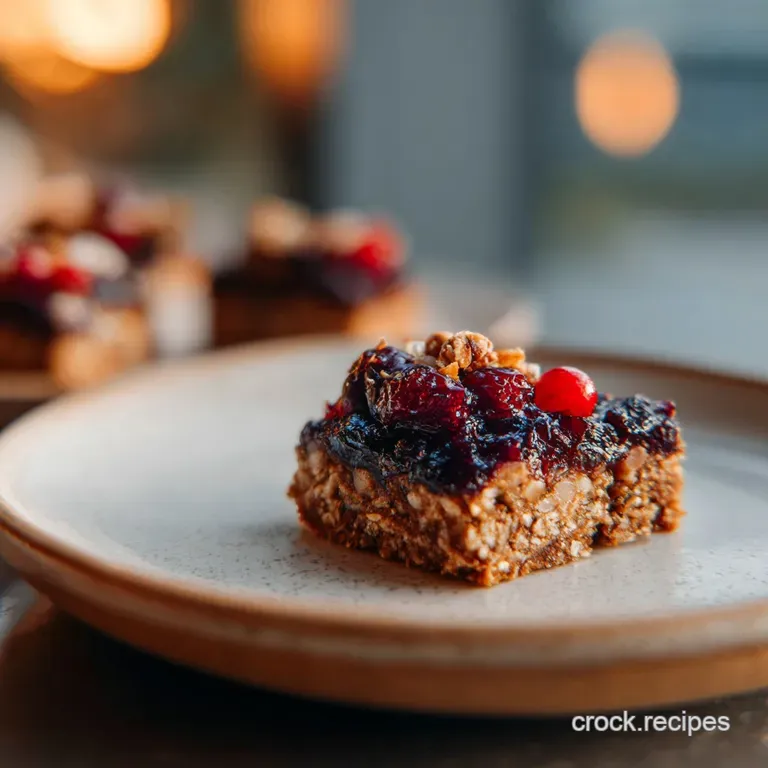
- Time: Active 20 minutes, Passive 30 mins, Total 50 minutes
- Flavor/Texture Hook: Hearty oats meeting a velvety, sun ripened sweetness
- Perfect for: Afternoon tea, lunchbox treats, or a comforting weekend bake
- Making the Most Hearty and Chewy Date Bars
- Why the Date Filling Stays Velvety
- Selecting Your Elements for Maximum Flavor
- Essential Tools for the Home Baker
- Master the Technique Step by Step
- Managing the Textural Balance
- Adjusting the Batch Size Easily
- Debunking Common Fruit Bar Misconceptions
- Storage and Sustainable Kitchen Practices
- How to Serve and Enjoy
- Recipe FAQs
- 📝 Recipe Card
Making the Most Hearty and Chewy Date Bars
The sound of a heavy saucepan simmering on the stove always takes me back to my aunt’s kitchen on rainy Tuesday afternoons. I remember the specific "thwack" of her wooden spoon hitting the side of the pot as the dates transformed from tough, wrinkled nuggets into a dark, glossy mahogany paste.
The aroma was intoxicating like burnt sugar, earth, and a hint of citrus that cut right through the richness.
When those pans came out of the oven, the sizzle of the butter hitting the hot edges was the only signal we needed to gather around. These aren't those dry, crumbly health food store blocks that taste like cardboard; these are soul warming treats that feel substantial in your hand and melt away once you take a bite.
It’s about that specific tension between the golden, crisp top and the soft, almost fudgy interior.
We’re chasing a specific kind of comfort here the kind that comes from simple ingredients treated with a bit of respect. There is something deeply satisfying about rubbing cold butter into oats and flour, feeling the mixture turn from sandy to clumping right between your fingers.
It’s tactile, it’s messy, and it’s the only way to get that perfect "rubbed in" crumb that holds its shape while still feeling tender.
Why the Date Filling Stays Velvety
I’ve always wondered why some bars turn out dry while others stay plush for days. It all comes down to how we handle the moisture in the fruit and the structure of the grain.
- Hydration Control: Simmering the dates in water first breaks down their fibrous exterior, turning them into a cohesive paste that won't pull moisture from the crust.
- Acidity Balance: The lemon juice acts as a chemical brightener, breaking through the heavy sugars of the fruit to keep the flavor profile from becoming one dimensional.
- Fat Distribution: Using softened butter rather than melted butter creates tiny pockets of steam during baking, which helps the oat layers stay flaky instead of greasy.
| Thickness | Internal Temp | Rest Time | Visual Cue |
|---|---|---|---|
| 1 inch | N/A (Set) | 1 hour | Deep golden edges and matte top |
| 1.5 inches | N/A (Set) | 1.5 hours | Top feels firm when pressed lightly |
| 0.5 inches | N/A (Set) | 45 minutes | Edges start to pull away from the pan |
Getting the timing right is the difference between a bar that shatters and one that bends perfectly. If you slice these too early, the date filling will simply ooze out like lava, ruining those clean, professional looking squares we’re after. Let the residual heat finish the job while they sit on the counter.
Component Analysis
| Ingredient | Science Role | Pro Secret |
|---|---|---|
| Medjool Dates | Primary humectant and sweetener | Use a splash of bourbon in the water for a deeper, woodsy flavor profile |
| Rolled Oats | Structural framework and chew | Pulse 1/4 cup of the oats in a blender first to create a "flour" that binds better |
| Unsalted Butter | Shortening agent for tenderness | Ensure it's cool room temp; if it's oily, your crust will be sandy and weak |
Selecting Your Elements for Maximum Flavor
When you’re picking out your ingredients, remember that the fruit is the star. I always reach for Medjool dates because they have that natural caramel like quality that smaller, drier Deglet Noor dates just can't match.
If you can only find the drier variety, you might need to simmer them for an extra 2 or 3 minutes to get that same velvety texture.
- 1.5 cups rolled oats: Use old-fashioned oats for the best texture. Why this? Quick oats vanish into the dough, losing that signature hearty chew we want.
- 1 cup whole wheat pastry flour: This offers a finer crumb than regular whole wheat. Why this? It provides the earthy flavor of grain without the heavy, dense weight.
- 0.5 cup unsalted butter, softened: high-quality butter makes a difference here. Why this? It carries the flavor of the oats and creates a melt in-the mouth finish.
- 0.5 cup coconut sugar: A lower glycemic option with a deep toasted taste. Why this? It mimics brown sugar’s moisture but adds a unique hint of toasted nuttiness.
- 0.5 tsp baking soda: Helps with browning and a slight lift. Why this? It reacts with the lemon juice to keep the crust from being too dense.
- 0.5 tsp sea salt: Crucial for contrast. Why this? It wakes up the natural sugars in the dates and prevents the bars from tasting flat.
- 3 cups Medjool dates, pitted and chopped: The heart of the recipe. Why this? Their high moisture content creates a jam like filling without needing added refined sugar.
- 0.75 cup water: The medium for softening. Why this? Just enough to hydrate the fruit without making the bottom crust soggy.
- 1 tbsp lemon juice: The secret brightness. Why this? The acid balances the intense sweetness of the Medjool dates perfectly.
- 1 tsp vanilla bean paste: For those beautiful little black flecks and deep aroma. Why this? It offers a more concentrated flavor than standard extract.
Essential Tools for the Home Baker
You don't need a high tech kitchen for this, but a few specific items make the process much smoother. I personally love using a light colored metal baking pan. Dark pans tend to absorb too much heat, which can lead to the bottom of your bars burning before the top is golden.
A sturdy pastry cutter is also a lifesaver here. While you can use a fork, the pastry cutter allows you to work the butter in quickly without the heat from your hands melting it. If you're feeling adventurous with your baking lately, you might find that the technique of rubbing fat into flour is very similar to what I use in my Southern Pecan Pie Bars, though the ratios here are much more focused on that oat heavy crunch.
Finally, parchment paper is non negotiable. Don't just grease the pan; the sugar in the dates is incredibly sticky once it bakes. Using a "sling" of parchment where the paper hangs over two sides allows you to lift the entire block out of the pan once it's cool.
This makes slicing infinitely easier and keeps your pan clean.
Master the Technique step-by-step
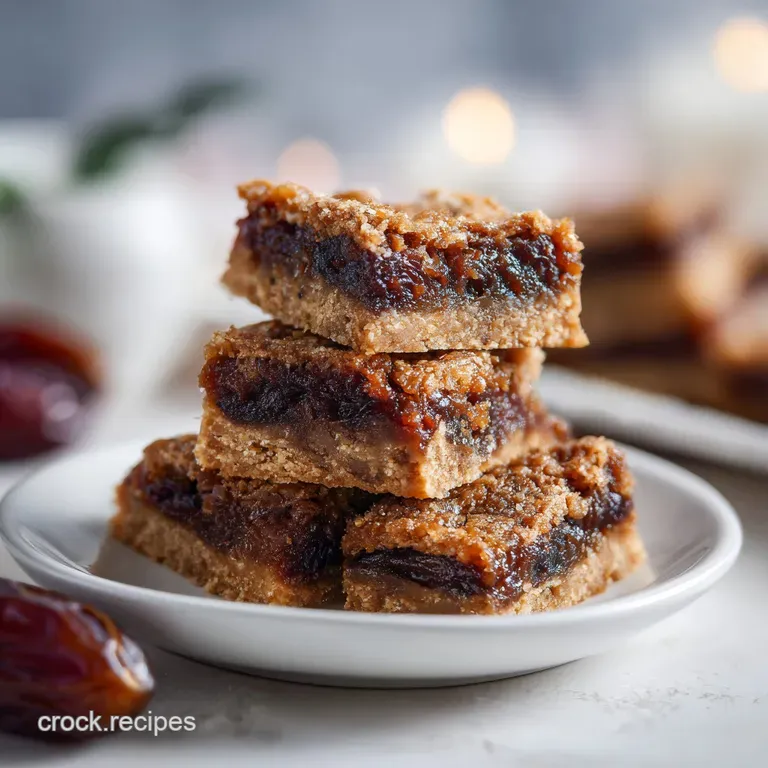
- Combine the chopped dates, water, and lemon juice in a saucepan over medium heat.
- Simmer for 8–10 minutes, stirring occasionally, until the dates have absorbed the liquid and formed a thick, spreadable paste. Note: If it looks too dry before the time is up, add a tablespoon of water.
- Remove from heat and stir in the vanilla bean paste.
- In a large mixing bowl, whisk together the rolled oats, whole wheat pastry flour, coconut sugar, baking soda, and sea salt.
- Use a pastry cutter or fork to work the softened butter into the dry ingredients until the mixture becomes a crumbly, uniform texture.
- Press half of the oat crumble mixture firmly into the bottom of a parchment lined 8x8 inch baking pan to form the base.
- Spread the warm date filling evenly over the bottom oat layer.
- Sprinkle the remaining oat mixture over the top and press down lightly to ensure the layers bond.
- Bake at 350°F (175°C) for 25–30 minutes until the top is golden brown.
- Allow the bars to cool completely in the pan for at least 1 hour before slicing into 16 squares to ensure they set properly.
Managing the Textural Balance
The most common hurdle with these bars is the "crumble collapse." This happens when the base isn't packed tightly enough, or the butter was too cold to actually bind the oats. If you find your base is falling apart as you try to spread the dates, use the bottom of a flat measuring cup to really put some weight into that first layer.
Another thing to watch for is the consistency of your date paste. It should look like a thick fruit butter. If it’s too runny, the moisture will seep into the bottom crust and make it soggy.
If it’s too thick, it won’t spread evenly and you’ll end up with "islands" of fruit rather than a continuous layer. Trust your eyes over the timer if it looks like jam, it's ready.
Why Your Crust Is Crumbling
| Problem | Root Cause | Solution |
|---|---|---|
| Bars fall apart when sliced | Sliced while still warm | Wait the full 1 hour cooling time |
| Bottom layer is soggy | Date paste had too much water | Simmer longer until paste is very thick |
| Top layer is too dry | Butter wasn't incorporated well | Rub butter until no large dry flour spots remain |
Common Mistakes Checklist
- ✓ Don't skip the lemon juice; the acid is vital for cutting through the date's heavy sugar profile.
- ✓ Use a metal pan if possible; glass retains heat differently and can cause the edges to get too hard.
- ✓ Press the bottom layer with significant force think of it like a cheesecake crust.
- ✓ Ensure your dates are truly pitted; even "pitted" store-bought dates occasionally hide a stray stone.
- ✓ Let the bars cool in the pan, not on a wire rack, to keep the base from drying out too fast.
Adjusting the Batch Size Easily
If you're baking for a crowd or just for two, scaling this recipe is quite straightforward. For a half batch, you can use a standard loaf pan. You’ll want to reduce the baking time by about 5 minutes, as the smaller surface area can sometimes lead to faster browning on the edges.
When doubling the recipe for a 9x13 pan, I recommend keeping the spice levels (salt and vanilla) to about 1.5 times the original amount rather than a full double to keep the flavors balanced.
When working with larger batches, the date simmering process might take an extra 2 to 4 minutes simply because there is more mass to heat up. Just keep an eye on that "thick paste" visual cue. If you find yourself making these often for meal prep, you might also enjoy the versatility of my homemade granola bars, which use a similar oat binding logic but with a different flavor profile.
| Premium Option | Budget Alternative | Flavor Impact | Savings |
|---|---|---|---|
| Medjool Dates | Deglet Noor Dates | Slightly less caramel like, firmer texture | Save $4-6 |
| Coconut Sugar | Brown Sugar | Sweeter, less "toasty" flavor | Save $2-3 |
| Vanilla Bean Paste | Vanilla Extract | Lacks the visual black flecks | Save $5-10 |
Debunking Common Fruit Bar Misconceptions
One thing I hear all the time is that you have to soak dates overnight to get a smooth filling. That’s actually a myth! While soaking helps for raw applications, the stovetop simmer method we use here is much faster and more effective at creating a concentrated flavor.
The heat from the water and lemon juice penetrates the fruit fibers instantly, saving you hours of prep time.
Another misconception is that the butter needs to be melted to make a good crumble. In reality, melting the butter causes the flour to hydrate too quickly, leading to a greasy, heavy crust rather than a light, flaky one.
Softened butter, when rubbed in, coats the flour and oat particles, creating a barrier that results in that perfect "short" texture that breaks cleanly when bitten.
Storage and Sustainable Kitchen Practices
These bars are incredibly resilient. You can keep them in an airtight container at room temperature for up to 5 days, though they rarely last that long in my house. If you want them to stay "bakery fresh," placing a small piece of parchment paper between layers prevents them from sticking together.
For long term storage, they freeze beautifully for up to 3 months. Just wrap each square individually in beeswax wrap or foil before placing them in a freezer bag.
Don't throw away those date pits if you bought whole fruit! While not edible, they can actually be roasted and ground to make a caffeine free coffee substitute, or simply tossed into your compost bin where they break down into rich organic matter.
If you have leftover date paste, it’s a brilliant sweetener for morning oatmeal or even swirled into plain yogurt.
How to Serve and Enjoy
While these are fantastic straight out of the pan, I love serving them slightly warm with a sharp, aged cheddar cheese on the side. The salty, savory kick of the cheese against the deep sweetness of the fruit is a total "flavor" win.
If you’re looking for a more traditional dessert vibe, a dollop of cold Greek yogurt or a smear of salted butter on top is enough to make it feel like a real treat.
The contrast here is key: the hearty, textured oats against the silky fruit center. It's a satisfying, comforting experience that works just as well for a quick breakfast on the go as it does for a quiet moment with a cup of coffee.
No matter how you serve them, the goal is that perfect balance of sweet, salty, and chewy that keeps you coming back for just one more square.
Recipe FAQs
Are date bars good for you?
Yes, they are a nutrient dense option. By using whole foods like rolled oats and Medjool dates, these bars provide fiber and sustained energy compared to highly processed desserts.
What are the date bars called?
They are traditionally known as date squares or oat-crust date bars. The name refers to their signature crumbly oat base and topping, which sandwich a thick, sweet layer of pureed fruit.
Should date bars be refrigerated?
No, room temperature is ideal. Keep them in an airtight container for up to 5 days, or freeze them individually for up to 3 months to maintain their chewy texture.
What is a good snack with dates?
Dates pair exceptionally well with salty or acidic elements. While these bars balance sweetness with lemon juice and sea salt, you could serve them alongside light savory dishes if you are looking for a complete flavor balanced experience.
How to ensure the crust holds together without crumbling?
Press the bottom oat layer into the pan with significant, firm pressure. Treating the base like a dense crust ensures the oats bond with the softened butter, preventing the bars from falling apart when you slice them after the required 1-hour cooling time.
Is it true I should bake these in a glass dish for better results?
No, this is a common misconception. A metal pan is preferred because glass retains heat differently and often causes the edges to become unpleasantly hard before the center finishes baking at 350°F.
How to prevent the filling from becoming too runny?
Simmer the dates, water, and lemon juice for the full 8 10 minutes. You must cook them until the fruit has completely absorbed the liquid, resulting in a thick, spreadable paste that won't make the oat layers soggy.
Old Fashioned Date Bars
Ingredients:
Instructions:
Nutrition Facts:
| Calories | 215 kcal |
|---|---|
| Protein | 2.8 g |
| Fat | 6.6 g |
| Carbs | 39.1 g |
| Fiber | 3.7 g |
| Sugar | 24.4 g |
| Sodium | 78 mg |
