One Pot Sausage Pasta: the Ultimate Creamy Midweek Lifesaver
- The Ultimate Weeknight Meal: Mastering One Pot Sausage Pasta
- The Science of Speed and Flavor: Why One Pot Cooking Works So Well
- Essential Components for Your Creamy One Pot Sausage Pasta
- Method Guide: Preparing the One Pot Sausage Pasta (Step-by-Step)
- Troubleshooting and Expert Tips for Perfect Results
- Meal Prep and Leftovers: Storing Your Sausage Pasta
- Elevating the Experience: What to Serve Alongside This Dish
- Recipe FAQs
- 📝 Recipe Card
The Ultimate Weeknight Meal: Mastering One Pot Sausage Pasta
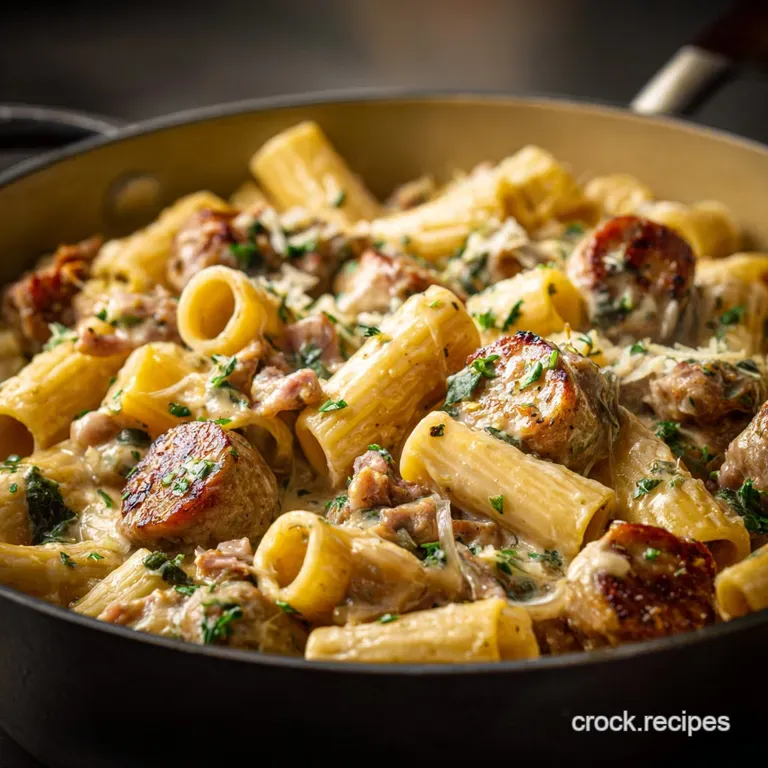
Imagine walking into your kitchen, smelling that rich, deeply savory blend of browned Italian sausage and sweet simmering tomatoes. That is the exact aroma of this one pot sausage pasta hitting your soul, and let me tell you, the velvety, creamy texture that coats every piece of pasta is pure comfort food genius.
It just tastes like a Saturday night, even when it’s a Tuesday.
We all need dinner recipes that are fast, cheap, and actually deliver maximum flavor without requiring a dishwasher intervention afterward. This isn't just a recipe; it's a weeknight lifesaver that only asks you for about 30 minutes of cook time and virtually no messy cleanup.
Why mess up three pots when you only need one?
So, if you’re ready to ditch the colander and learn the magic of cooking pasta directly in its sauce, grab your biggest Dutch oven. This specific technique guarantees a lush, creamy finish that you simply cannot achieve by boiling the pasta separately.
Let's crack on and make the best one pot sausage pasta creamy recipe you'll ever find.
The Science of Speed and Flavor: Why One Pot Cooking Works So Well
Ditch the Dishes: Why One-Pot Cooking is a Game Changer
I used to be a maniac about boiling pasta separately. It felt traditional, right? Well, that approach meant using one pot for the sauce, one pot for the water, and then dirtying a colander just for the transfer. It’s too much washing.
The beautiful efficiency of a one-pot meal is that everything the browning, the simmering, the thickening happens in a single vessel.
This system saves time and energy, which is essential for busy cooks. On top of that,, cooking everything together ensures that no precious flavor is lost down the drain with the pasta water.
The Creamy Finish: Unlocking the Velvety Texture in 30 Minutes
The secret to why this one pot sausage pasta is so incredibly creamy relies entirely on starch. When you boil pasta in water, you dump all that released starch down the sink. But when you cook the pasta directly in the broth, that released starch acts as a natural thickener.
It emulsifies the fat from the sausage and the liquid from the tomatoes, creating a sauce that is naturally velvety smooth before you even add the heavy cream. That's real magic, guys.
What Makes This the Best Italian Sausage Pasta Recipe?
We aren't relying on copious amounts of cheese or cream to carry the flavor here. This recipe is superior because we build flavor layers from the start. We toast the spices, we caramelize the tomato paste, and most importantly, we use Italian sausage which provides an incredible, complex fat base.
The final dish is ridiculously satisfying, definitely the best version of this classic one pot pasta recipes idea.
Building Depth: Browning the Italian Sausage Properly
This is the non-negotiable step: you must properly brown your Italian sausage. Never just cook it until it's barely pink. The browning process (the Maillard reaction) creates thousands of flavorful compounds that are crucial to the final taste.
I made the mistake once of browning the sausage on too high a heat, and it scorched instead of developing flavor; big mistake. Low-to-medium heat ensures you get deep, savory crusty bits that you'll scrape up later when you deglaze the pot.
The Starch Secret: Achieving Natural Creaminess in the Pot
As I mentioned, the starch is everything here. When the dry pasta is added to the simmering liquid, it slowly absorbs the broth while releasing its starches. This process means the sauce slowly reduces and thickens simultaneously, coating the pasta perfectly.
Stirring frequently is key to ensuring that starch distributes evenly and prevents sticking.
Infusing Flavor: Pasta Absorbing the Tomato Broth Directly
The pasta isn't just cooking; it’s drinking the sauce! Since the pasta absorbs the seasoned tomato broth instead of bland water, every single noodle swells with the complex flavor of garlic, oregano, sausage, and tomato paste.
This deep infusion is why the final product tastes so much better than standard separate sauce pasta dishes.
Essential Components for Your Creamy One Pot Sausage Pasta
Choosing the Right Sausage: Mild vs. Hot Italian Varieties
Italian sausage is the star, bringing fennel, garlic, and seasoning right into the dish. I usually opt for Mild Italian sausage for family dinners, but if you love a kick, definitely use the Hot Italian variety. The best part? You must remove it from the casing before browning it.
Pantry Staples: The Critical Role of Crushed Tomatoes and Broth
We need the liquid to cook the pasta, so choosing a good quality broth is important; low-sodium chicken or vegetable broth works best. The crushed or diced tomatoes add acidity and body, balancing the richness of the sausage and cream. Always make sure you scrape the bottom after adding the broth!
Selecting the Best Short Pasta Shape (Penne, Rigatoni, or Ziti)
Short, sturdy shapes work far better in one-pot dishes than long, delicate strands. Penne, rigatoni, and ziti hold up well to the constant stirring and simmering required in this one pot sausage pasta recipe . They also have great texture for catching that thick, creamy sauce.
Dairy Decisions: Finishing Touches with Heavy Cream or Parmesan
The heavy cream added at the very end stabilizes the sauce and adds a luxurious richness, while Parmesan brings essential salty, nutty depth. Don't add the cream until the pasta is completely cooked; adding it too early can destabilize the dairy under high heat.
| Ingredient | Substitution Tip |
|---|---|
| Italian Sausage | Ground turkey or lean pork seasoned heavily with fennel and paprika. |
| Chicken Broth | Water plus 1 teaspoon of vegetable bouillon paste or a stock cube. |
| Heavy Cream | Coconut cream (the thick top layer from a canned full fat coconut milk). |
| Penne/Ziti | Fusilli or Rotini pasta shapes. (Avoid thin egg noodles.) |
| Parmesan | Nutritional yeast or Pecorino Romano for a sharper taste. |
Method Guide: Preparing the One Pot Sausage Pasta (step-by-step)
Stage 1: Sautéing the Aromatics and Browning the Sausage
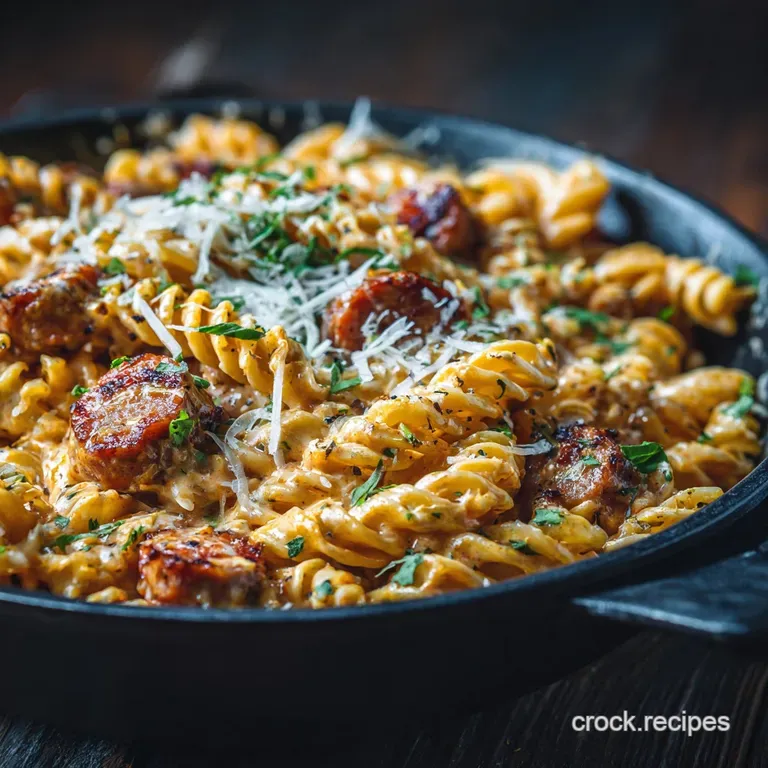
- Sausage Time: Heat a tablespoon of olive oil in your Dutch oven over medium high heat. Add the sausage meat, breaking it up roughly with a spoon. Cook for 5– 7 minutes, ensuring those beautiful brown crusty bits form on the bottom.
- Aromatics: If your sausage rendered a lot of fat, spoon out all but about one tablespoon. Reduce the heat to medium, then toss in the diced onion. Cook until soft, about 4 minutes. Add the minced garlic and dried oregano, cooking until you smell that signature nutty aroma (about 1 minute).
- Toast the Paste: Stir in the tomato paste. Cook and stir for two full minutes. This simple step concentrates the tomato flavor deeply and is crucial!
Stage 2: Adding Liquids and Bringing the Mixture to a Boil
- Liquid Base: Pour in the canned diced tomatoes and the specified amount of broth. Scrape the bottom of the pot vigorously to release all those browned, flavorful sausage bits. We call this deglazing, and it’s non-negotiable flavor heaven.
- Boil: Increase the heat to high and bring the entire mixture to a rolling, vigorous boil.
Stage 3: Simmering the Pasta Until Perfectly Al Dente
- Add Pasta & Simmer: Stir in the dried pasta. Once it's boiling, immediately drop the heat right down to low/medium low. The goal is a steady, gentle simmer.
- The Stirring Rule: Put the lid on, but set a timer for 3– 4 minutes. You must stir frequently! Remove the lid, give it a thorough scrape and stir, and replace the lid. Repeat this process for 15– 20 minutes until the pasta is al dente and the liquid is mostly absorbed, leaving a thick sauce.
Stage 4: Stirring in Cream and Parmesan for the Final Finish
- The Finish Line: Remove the pot completely from the heat. Stir in the heavy cream and the grated Parmesan cheese until everything melts into a gorgeous, thick sauce.
- Rest & Serve: Let the pasta rest for 5 minutes off the heat it will continue to thicken. Taste for seasoning, adding salt and pepper as needed. Garnish heavily with fresh parsley and serve immediately.
Chef's Note: If you think the sauce looks too thick while stirring, add a splash of warm broth (about 1/4 cup) before adding the cream. You can always add more liquid, but you can't easily take it away!
Troubleshooting and Expert Tips for Perfect Results
The Liquid Ratio Trap: When to Add More Broth
The biggest fail point for any one-pot recipe is the liquid ratio. If your heat is too high, the liquid evaporates faster than the pasta can cook, leaving you with dry, crunchy pasta. If this happens, don't panic!
Simply add 1/2 cup of hot broth or water, stir well, and continue simmering gently until the pasta is tender.
Preventing Pasta From Sticking to the Bottom of the Pot
Sticking is inevitable because the starch acts like glue, but scorching is preventable. The key is consistent, aggressive stirring. Every time you open the lid (which should be every 3– 4 minutes), ensure your spoon scrapes the very bottom corners of the pot.
A wooden spoon works great for scraping up starch before it burns.
Fixing a Sauce That Is Too Thin (Thickening Methods)
Did you overdo the liquid? Or maybe your pasta wasn't as starchy as mine? If the sauce is too thin after adding the cream and cheese, simply mix 1 tablespoon of cornstarch (cornflour) with 2 tablespoons of cold water in a small bowl to create a slurry.
Stir this slurry into the simmering sauce, bring it to a gentle boil for 60 seconds, and the sauce will instantly thicken.
Meal Prep and Leftovers: Storing Your Sausage Pasta
Refrigerating Safely: Keeping Cooked Pasta Fresh
This sausage pasta stores beautifully in the fridge. Transfer leftovers to an airtight container once they have cooled completely (within two hours of cooking). It keeps safely for 3 to 4 days.
Be aware that the pasta will continue to soak up the sauce during storage, making it slightly thicker the next day.
Reheating Leftovers Without Drying Out the Sauce
When reheating, whether in the microwave or on the stovetop, you must add liquid. Put your pasta in a pan over medium heat and stir in a splash of water or broth (about 1/4 cup per serving). Stir constantly until the sauce loosens up and becomes creamy again.
Freezing One Pot Pasta: Is It Recommended?
But does it freeze well? You can freeze it, but it's not ideal if you used heavy cream. Dairy sauces tend to separate and become slightly grainy when thawed. If you know you are freezing half the batch, omit the cream and Parmesan from that portion.
Add them fresh when you reheat the thawed sauce for the best texture. It’s a good freezable meal prep option if you stick to the broth base.
Elevating the Experience: What to Serve Alongside This Dish
This creamy one pot pasta is hearty, rich, and deeply savory, so it absolutely cries out for something fresh and acidic to cut through the richness.
A perfect pairing is a simple side salad tossed in a sharp vinaigrette. Alternatively, I love making a batch of Savory Roasted Sweet Potatoes: Crispy Garlic and Smoked Paprika Recipe to serve alongside; the slight sweetness and crispy exterior are a delightful contrast to the creamy pasta.
If you’re looking to round out your sausage repertoire, you might also be interested in my recipe for Campfire Recipes: Easy Sausage Halloumi Foil Packs (Minimal Wash Up!) — it’s another fantastic low-effort, high flavor option!

Recipe FAQs
Why is my pasta drying out before it’s fully cooked?
You might be cooking at too high a heat, causing the liquid to evaporate too fast. If the pasta is still hard, immediately add an extra half cup of broth or water and cover the pot briefly, ensuring you stir well to prevent sticking.
The starch released by the pasta helps create the final creamy texture, so do not panic about a little extra liquid early on.
My sauce seems watery after the pasta is cooked; how can I thicken it?
This often happens if the initial cooking temperature was too low, or if the lid was secured too tightly. To correct it, remove the lid, increase the heat slightly, and allow the sauce to simmer uncovered for 3 5 minutes, which naturally reduces the liquid via evaporation and thickens the sauce with released starch.
Alternatively, stir in an extra tablespoon of grated Parmesan cheese or a splash of heavy cream at the very end.
Can I substitute the Italian sausage with other types of meat or make it vegetarian?
Yes, ground chicken, turkey, or lean pork seasoned heavily with fennel and Italian herbs works perfectly fine, though you may need to add a bit more olive oil if using very lean meat.
For a vegetarian option, swap the sausage for canned chickpeas or hearty mushrooms like portobello, making sure to season intensely with smoked paprika and garlic powder.
I need to make this dairy-free; what alternatives work for achieving creaminess?
To achieve a luxurious creamy texture without heavy cream or traditional cheese, you can stir in 1/4 cup of full fat coconut milk (it won't noticeably taste like coconut if used sparingly) or a tablespoon of cashew cream at the end of cooking.
Alternatively, incorporate a dollop of non-dairy cream cheese spread or nutritional yeast just before serving for a savory, umami richness.
Can I use different shapes of pasta, like penne or rotini?
You can certainly use other short pasta shapes, but always check the package cooking time and adjust the liquid accordingly. Shorter, thicker shapes like rigatoni or ziti might require a minute or two longer cook time than standard penne, so ensure you taste test for doneness as you go.
Avoid very long, thin pasta shapes, as they tend to clump excessively in one-pot methods.
Do I have to stir the pasta frequently while it cooks?
Yes, stirring is crucial, especially in the first five minutes and every couple of minutes thereafter. Since the pasta is cooking in a high starch environment with limited liquid, regular stirring prevents the noodles from sticking firmly to the bottom of the pot or clumping together into a solid mass.
Consistent stirring ensures even cooking and promotes better starch release into the sauce.
What is the best way to store and reheat leftovers?
Store leftovers in an airtight container in the refrigerator for up to 3 days; freezing is generally not recommended as the pasta texture degrades significantly upon thawing. When reheating, always add 1 to 2 tablespoons of water or broth per serving before microwaving or heating gently on the stovetop, as the pasta continues to absorb the sauce while stored.
One Pot Sausage Pasta Creamy Dinner
Ingredients:
Instructions:
Nutrition Facts:
| Calories | 1040 kcal |
|---|---|
| Protein | 49.8 g |
| Fat | 54.8 g |
| Carbs | 84.6 g |
