Best Chocolate Chip Cookie from Pastry: Fudgy Center
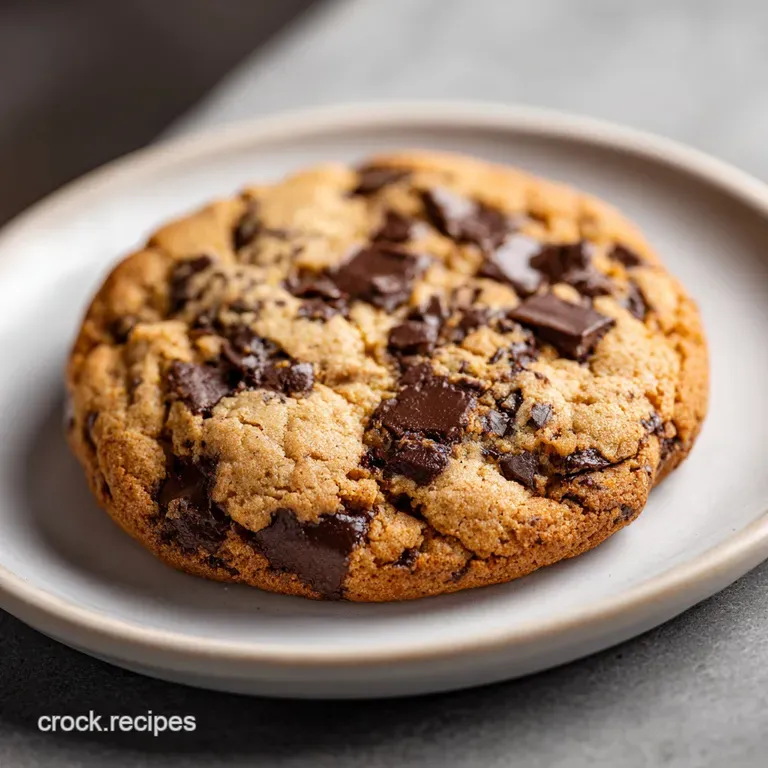
- Time: Active 33 minutes, Passive 12 minutes, Total 45 minutes
- Flavor/Texture Hook: Shattering edges with a velvety, bittersweet center
- Perfect for: Impressing friends or a high end weekend treat
- Best Chocolate Chip Cookie from Pastry Box Mastery
- The Chemistry of the Crinkle
- Comparing Baking Methods for Success
- Breaking Down the Recipe Specs for Your Next Batch
- Gathering the Elements for a Gourmet Cookie Experience
- Selecting Essential Tools for a Professional Pastry Finish
- A Step-by-Step Guide to the Ideal Cookie Texture
- Identifying Common Pitfalls and Quick Fixes for Success
- Adapting the Recipe for Different Nutritional and Dietary Needs
- Scaling Your Batch for Large Crowds or Small Snacks
- Unmasking Popular Cookie Myths
- Maintaining Freshness Through Proper Storage and Reheating Methods
- Creative Ideas for Serving and Pairing Your Homemade Treats
- Recipe FAQs
- 📝 Recipe Card
Best Chocolate Chip Cookie from Pastry Box Mastery
The nutty aroma of browning butter hitting a cold stainless steel bowl is a scent that lives in my head rent free. I remember the first time I pulled a warm Best Chocolate Chip Cookie from Pastry out of a crisp white box at that famous bakery downtown.
I spent nearly seven dollars on a single cookie, watching the clerk sprinkle a tiny pinch of flaky salt over the top before sliding it across the counter. It was heavy, warm, and the chocolate was still a swirling pool of liquid gold.
Indulge in the best chocolate chip cookie from a pastry box, enhanced with a touch of sea salt for a truly unforgettable treat. For years, I tried to replicate that exact experience in my own kitchen, but my cookies always came out either too cakey or tragically flat.
I realized I was missing the science of the fat and the specific way the sugars interact with the heat. After dozens of batches and a few burnt pans, I finally cracked the code to getting that artisan, gourmet look right at home.
The secret isn't a secret ingredient; it's the technique. We aren't just mixing dough; we are building a structure that can support massive chunks of bittersweet chocolate while maintaining a delicate, crinkled surface.
When you bite into this, you get the crunch of the salt, the bitterness of the cocoa, and the sweet, buttery finish that lingers. It is a complete sensory experience that makes a standard bagged cookie feel like a distant, boring memory.
The Chemistry of the Crinkle
Maillard Reaction: Browning the butter triggers a chemical reaction between amino acids and reducing sugars, creating hundreds of flavor compounds that taste like toasted nuts and toffee.
Sugar Hydrophilia: The high ratio of dark brown sugar pulls moisture from the air, ensuring the center remains fudgy and dense rather than dry and crumbly.
Comparing Baking Methods for Success
| Method | Texture Result | Best For |
|---|---|---|
| Traditional Oven | Even rise with a shattering, crispy outer ring | The classic bakery style experience |
| Cast Iron Skillet | Dense, gooey center with a deeply caramelized bottom | Sharing as a warm, spoonable dessert |
| Toaster Oven | Quicker browning on top, often softer in the middle | Small batches or single serving cravings |
When you are aiming for that specific bakery style finish, the oven is your best friend because it allows the heat to circulate around each individual cookie. This circulation is what creates the "ripple" effect on the edges. If you have ever tried our How to Make recipe, you know that temperature control is everything when dealing with high fat doughs.
Using a skillet on the stovetop isn't really for the whole cookie, but browning your butter there first is non negotiable. You want to see those little brown specks at the bottom of the pan that is where the soul of the flavor lives.
Trust me, skipping the butter browning step is like watching a movie in black and white when you could have full Technicolor.
Breaking Down the Recipe Specs for Your Next Batch
| Component | Measurement | Role in the Bake |
|---|---|---|
| European Butter | 225g (1 cup) | Provides a higher fat to water ratio for a richer, more velvety crumb. |
| Dark Brown Sugar | 200g (1 cup) | Adds molasses for chewiness and that deep, golden brown color we crave. |
| Bittersweet Chocolate | 250g (9 oz) | Balances the sugar with intense cocoa notes and creates molten pools. |
Chef Tip: The Freeze Trick
Grate your bittersweet chocolate bars into uneven chunks and pop them in the freezer for 10 minutes before folding them into the warm dough. This prevents the chocolate from melting entirely into the batter, leaving you with distinct, beautiful layers of cocoa.
Gathering the Elements for a Gourmet Cookie Experience
To get that specific Best Chocolate Chip Cookie from Pastry texture, we have to be picky about our ingredients. Every gram matters when you want a cookie that doesn't just taste good but feels professional.
- 225g (1 cup) Unsalted European style butter: Why this? Higher fat content ensures a more supple, melt in-your mouth texture. (Substitute: Standard unsalted butter, but reduce flour by 1 tablespoon)
- 200g (1 cup, packed) Dark brown sugar: Why this? The extra molasses creates a signature "chew" and toffee like undertone. (Substitute: Light brown sugar, though the flavor will be less intense)
- 100g (½ cup) Granulated cane sugar: Why this? This provides the structural crispness on the outer edges. (Substitute: Standard white sugar)
- 1 Large egg + 1 Egg yolk: Why this? The extra yolk adds fat and lecithin for a fudgier, richer center. (Substitute: Two small eggs)
- 2 tsp Pure vanilla bean paste: Why this? The flecks of vanilla bean offer a more premium look and concentrated flavor. (Substitute: 2 tsp pure vanilla extract)
- 325g (2 ½ cups) Unbleached all purpose flour: Why this? Provides enough protein for structure without making the cookie tough. (Substitute: Pastry flour for a more delicate, crumbly result)
- 1 tsp Baking soda: Why this? Reacts with the molasses in the brown sugar to create lift and browning. (Substitute: 3 tsp baking powder, but expect a puffier cookie)
- ¾ tsp Fine sea salt: Why this? Enhances the chocolate and balances the sweetness within the dough. (Substitute: ½ tsp table salt)
- 250g (9 oz) Bittersweet chocolate (60% cocoa or higher): Why this? Roughly chopped chunks create better texture than uniform chips. (Substitute: Semi sweet chocolate chips for a sweeter, standard taste)
- Flaky Maldon sea salt: Why this? The final crunch that defines a professional pastry box cookie. (Substitute: Fleur de sel or any coarse sea salt)
Selecting Essential Tools for a Professional Pastry Finish
You don't need a kitchen full of gadgets, but a few specific items make a world of difference. First, a heavy bottomed stainless steel saucepan is vital for browning the butter. You need to see the color change, and dark non stick pans make that nearly impossible.
You’ll also want a sturdy whisk to emulsify the sugars into the warm fat.
A kitchen scale is your best friend here. While I've provided cup measurements, weighing your flour ensures you don't accidentally pack too much into a measuring cup, which leads to dry, dome shaped cookies.
Finally,, a large cookie scoop (about 3 tablespoons) ensures every Best Chocolate Chip Cookie from Pastry is identical in size, allowing them to bake evenly.
A step-by-step Guide to the Ideal Cookie Texture
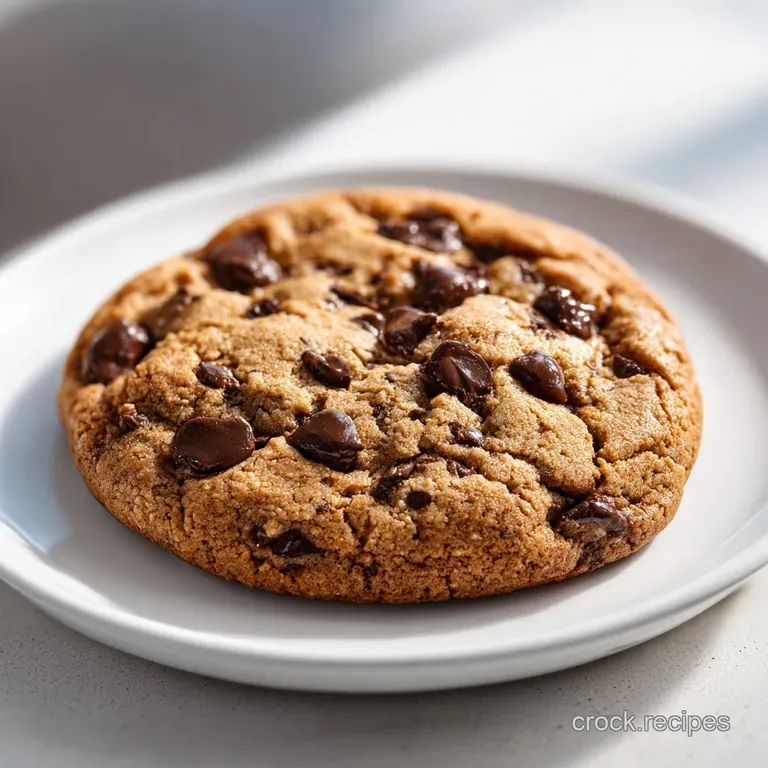
- Brown the butter. Place the 225g of European butter in a light colored saucepan over medium heat. Melt and continue cooking until it foam and smells intensely nutty. Note: Watch for small brown bits at the bottom.
- Cool slightly. Pour the browned butter into a large mixing bowl. Let it sit for 5 minutes so it doesn't scramble the eggs.
- Mix the sugars. Add the 200g dark brown sugar and 100g granulated sugar to the butter. Whisk vigorously until the mixture looks like wet sand.
- Incorporate liquids. Add the large egg, the extra egg yolk, and the 2 tsp vanilla bean paste. Whisk for 2 full minutes until the batter lightens in color and becomes glossy.
- Whisk dry ingredients. In a separate bowl, stir together the 325g flour, 1 tsp baking soda, and 3/4 tsp fine sea salt.
- Combine. Gradually fold the dry ingredients into the wet until only a few streaks of flour remain. Note: Over mixing will make the cookies tough.
- Prep the chocolate. Roughly chop your 250g bittersweet chocolate into varying sizes. Fold these into the dough.
- Chill (Crucial!). Cover the dough and refrigerate for at least 30 minutes, though 2 hours is better. This allows the flour to hydrate fully.
- Bake. Preheat your oven to 350°F (180°C). Scoop 3 tablespoon mounds onto a parchment lined sheet. Bake for 12 minutes until the edges are golden but the center still looks slightly underdone.
- Finish. Remove from the oven and immediately sprinkle with flaky Maldon sea salt. Let them rest on the pan for 10 minutes to set.
Identifying Common Pitfalls and Quick Fixes for Success
One of the biggest heartbreaks is pulling a tray of cookies out only to find they've fused into one giant "mega cookie." This usually happens when the butter was too hot or the dough wasn't chilled. If your dough feels greasy or oily to the touch, it needs more time in the fridge.
The fat needs to be solid so it melts slowly in the oven, creating those beautiful ripples.
Why Your Cookies Stayed Puffy
If your cookies look more like muffins than bakery treats, you likely used too much flour. This is why weighing your ingredients is so important. Another culprit could be the temperature of your oven; if it's too low, the cookies won't spread properly before the structure sets.
| Problem | Root Cause | Solution |
|---|---|---|
| Cookies are flat and greasy | Butter was too hot or dough wasn't chilled | Chill dough for at least 1 hour before baking |
| Edges are burnt but center is raw | Oven temperature is too high | Lower oven by 25°F and use a middle rack |
| Chocolate didn't melt | Used low quality chips with stabilizers | Switch to chopped chocolate bars with 60%+ cocoa |
Common Mistakes Checklist
- ✓ Ensure you use "European style" butter for that specific fat content.
- ✓ Never skip the 2 minute whisking step after adding eggs; it builds the meringue like top.
- ✓ Pat your chocolate chunks dry if they were in the fridge to prevent steam.
- ✓ Space your cookies at least 3 inches apart to allow for the signature spread.
- ✓ Use a fresh box of baking soda; old soda won't give you that golden brown finish.
Adapting the Recipe for Different Nutritional and Dietary Needs
While this is a budget smart recipe that uses standard pantry staples, you can make a few swaps if you have specific needs. Just remember that the Best Chocolate Chip Cookie from Pastry relies heavily on the interaction between the dairy fat and the cane sugar. If you change those, the texture will shift.
| Original Ingredient | Substitute | Why It Works |
|---|---|---|
| European Butter | Refined Coconut Oil | Same fat ratio. Note: Result will be crunchier and lack toffee notes. |
| All Purpose Flour | 1:1 gluten-free Blend | Starch based blends mimic the structure. Note: Dough may need 2 hours of chilling. |
| Dark Brown Sugar | Coconut Sugar | Similar moisture content. Note: Adds a slightly earthy, toasted flavor. |
For a vegan profile, you can swap the butter for a high-quality vegan buttery stick (like Miyoko's) and use a flax egg (1 tbsp ground flax + 3 tbsp water). The edges won't be as shattering, but the center will remain quite soft.
Scaling Your Batch for Large Crowds or Small Snacks
If you are baking for a big party, you can easily double this recipe. However, when doubling, I recommend only increasing the salt and baking soda to 1.5 times the original amount. For some reason, doubling leavening and salt can sometimes lead to a metallic aftertaste in large batches.
Also, work in batches when browning the butter so it doesn't splash out of the pan.
Scaling down is even easier. If you only want 8 cookies, simply use one large egg and skip the extra yolk. You'll get a slightly less fudgy center, but the cookie will still be excellent. For the most consistent results when halving, use a scale to measure out exactly 112g of butter.
Unmasking Popular Cookie Myths
One common myth is that you must sift your flour for cookies. Honestly, don't even bother. Sifting is great for delicate sponge cakes, but for a robust Pastry Box with Sea Salt style cookie, a simple whisking of the dry ingredients is plenty. You want that dense, substantial bite, not a crumb that dissolves into air.
Another misconception is that "more chocolate is always better." If you overcrowd the dough with too much chocolate, the cookie loses its structural integrity and falls apart. The ratio in this recipe ensures there is enough dough to hold those molten pools of bittersweet chocolate together.
Maintaining Freshness Through Proper Storage and Reheating Methods
These cookies are at their absolute peak about 20 minutes after they come out of the oven. If you have leftovers, store them in an airtight container at room temperature for up to 4 days.
To keep them soft, toss a single slice of white bread into the container; the cookies will absorb the moisture from the bread.
For long term storage, these freeze beautifully. You can freeze the baked cookies for up to 2 months, but I prefer freezing the raw dough balls. When you're ready for a treat, just pop a frozen dough ball into the oven and add 2 minutes to the bake time.
Zero Waste Tips
Don't throw away the tiny shards of chocolate left on your cutting board! Those "chocolate dust" pieces are perfect for stirring into your morning coffee or melting down to drizzle over vanilla ice cream. If you have older cookies that have gone hard, crush them up and use them as a base for a cheesecake crust or as a topping for a Frozen Peanut Butter Pie recipe.
Creative Ideas for Serving and Pairing Your Homemade Treats
The best way to serve a Best Chocolate Chip Cookie from Pastry is slightly warm with a cold glass of whole milk. The cold dairy cuts through the richness of the browned butter and the intensity of the bittersweet chocolate.
If you're hosting a dinner, serve one of these in a small bowl with a scoop of high-quality vanilla bean gelato and a tiny extra pinch of flaky salt.
For a more casual gathering, these cookies are a great follow up to a salty, savory meal. If you're looking for another fun treat to add to a dessert board, you might enjoy a Chocolate Chip Cookie recipe which offers a different take on the classic flavor profile. Regardless of how you serve them, the combination of the shattering crust and the sea salt finish will make everyone think you spent all morning at a high end bakery. Just let them think that it'll be our little secret.

Recipe FAQs
What does sea salt do for cookies?
It enhances flavor and balances sweetness. The salt acts as a flavor amplifier, making the chocolate taste deeper and preventing the cookie from becoming cloyingly sweet. A final sprinkle of flaky salt also adds a satisfying textural crunch.
What to add to box cookie mix to make it better?
Replace the water with melted, browned butter. This immediately introduces a complex, nutty, toffee flavor that box mixes lack. You should also substitute one egg white with an extra egg yolk for a chewier texture.
Should I put sea salt on cookies before or after baking?
Apply flaky sea salt immediately after baking. If added before, the salt dissolves fully into the dough during the bake, losing its visual appeal and punchy flavor. Applying it to the warm cookie ensures it adheres and provides that signature shattering top layer.
What is the #1 cookie in the world?
There is no single definitive #1, but the Chocolate Chip Cookie is the most popular. Subjectively, many pastry chefs consider the specific style outlined here with browned butter and sea salt to be the pinnacle of the category. Mastering this balance of fat and sugar is key; if you enjoyed learning the science of texture control here, see how the same principle applies to achieving the perfect crisp edge in our Classic Christmas Cookies recipe.
How do I ensure my cookies spread but don't become thin and greasy?
Chill the dough for a minimum of 60 minutes. Cold fat melts slowly in the oven, allowing the cookie structure to set before it spreads too far. This technique builds the thick, bakery style height while still achieving those desirable rippled edges.
Can I use margarine instead of butter for this recipe?
No, stick to butter for authentic pastry quality. Margarine has a lower fat content and higher water content than European butter, which changes the chemical reaction entirely. Using real butter allows you to brown it properly, which is essential for flavor; if you enjoy deep, rich flavors from cooked fat, you should definitely try mastering that technique in our Classic Scotcharoo Recipe.
Why is my cookie center still raw after 14 minutes of baking?
Your oven temperature is likely inaccurate or the dough balls are too large. Always use an oven thermometer to verify your actual temperature is 350°F; many ovens run cold.
For a fudgy center, you must remove the cookies when the edges are set but the middle still looks slightly shiny and underdone.
Pastry Chocolate Chip Cookies
Ingredients:
Instructions:
Nutrition Facts:
| Calories | 341 kcal |
|---|---|
| Protein | 3.8 g |
| Fat | 17.7 g |
| Carbs | 42.9 g |
| Fiber | 1.6 g |
| Sugar | 24.8 g |
| Sodium | 194 mg |
