Texas Hash Casserole with Ground Beef and Rice: an Old-Fashioned Classic
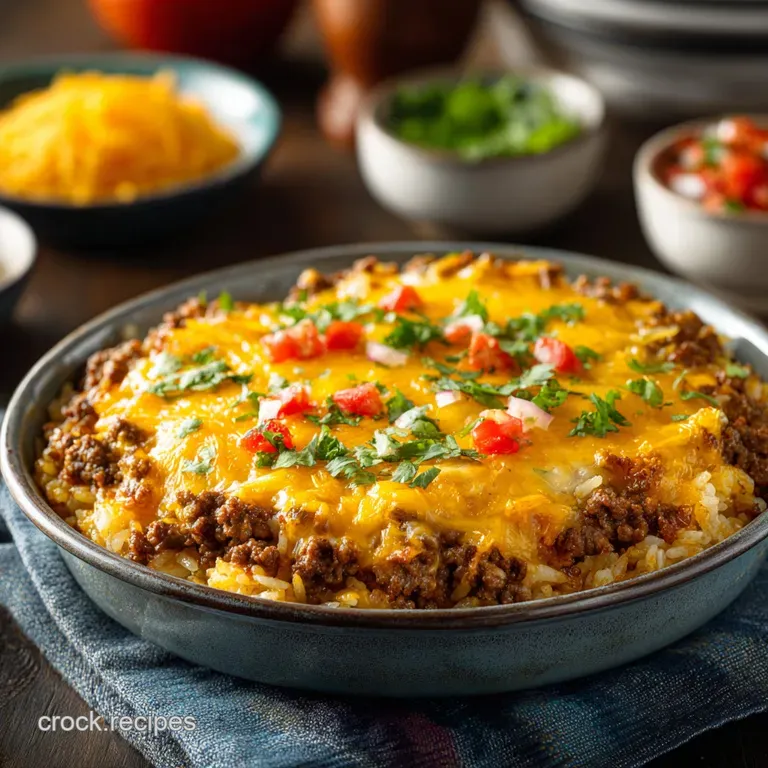
- The Definitive Texas Hash Casserole: An All-in-One Comfort Meal
- Unpacking the Perfect Flavor Profile
- Essential Components for Authentic Texas Hash Casserole
- Mastering the Method: How to Build the Texas Hash Casserole
- Troubleshooting and Expert Tips for the Best Results
- Preparing Ahead: Storage, Freezing, and Reheating Texas Hash
- What to Serve Alongside This Hearty Dish
- Recipe FAQs
- 📝 Recipe Card
The Definitive Texas Hash Casserole: An All-in-One Comfort Meal
Oh man, let me tell you about the smell. That aroma that fills your kitchen when this Texas Hash Casserole is baking? It’s pure, primal comfort. It's the scent of robust chili powder warming up, deep, savory ground beef melding with tangy tomatoes, and that sharp, nutty cheddar topping achieving peak golden meltiness.
This recipe is my absolute weeknight hero. We're talking maximum flavor payoff for minimal effort and cost. It’s perfect when you need to feed a crowd without panicking about complicated techniques or expensive ingredients.
Honestly, this dish is a budget lifesaver, and leftovers are somehow even better the next day.
Forget those dry, bland hashes you might have seen floating around online. We’re upgrading this classic skillet supper into a properly baked casserole that is rich, deeply flavored, and perfect every time. Are you ready to dive into the ultimate recipe for old fashioned Texas Hash Casserole? Let's crack on.
Unpacking the Perfect Flavor Profile
What Exactly Is Texas Hash?
Traditionally, Texas Hash is a super simple, one-skillet dish. It combines seasoned ground meat (usually beef), rice, and a rich, tomato based sauce spiced heavily with chili powder and cumin. Think of it as a Tex-Mex Sloppy Joe meets a chili infused rice pilaf.
We’re taking that brilliant concept and transforming it into a baked, bubbly masterpiece.
The Transformation: From Skillet Hash to Baked Casserole
Why bother baking it? Because baking the hash lets the flavors deepen and concentrates the starches in the rice perfectly. When you make it on the stovetop, it can sometimes be a bit loose and sloppy.
Turning it into a casserole allows the cheese topping to form a magnificent crust and locks all that delicious, savory moisture right where it belongs. This is the difference between a quick meal and a truly hearty, cohesive dinner.
The History of This All-American Comfort Food
While recipes for ground beef and rice mixtures have existed for centuries, the specific iteration known as "Texas Hash" really took off during the mid-20th century. It became wildly popular because it was economical and used pantry staples like canned tomatoes and rice.
It’s the ultimate reflection of post war ingenuity, offering huge flavor without requiring much fuss.
The Magic of Maillard: Achieving Deep Beef Flavor
This might sound fancy, but it just means browning your meat properly. Do not steam your beef. Using a hot pan and cooking the ground beef in batches, if necessary, ensures you get those beautiful caramelized bits.
Those crispy, browned edges are where the deep, savory, complex flavor of the whole casserole comes from.
Balancing Tang and Spice: Tomatoes, Cumin, and Worcestershire
Our flavor anchor is the tomato based sauce, and it needs backbone. I use crushed tomatoes for a smoother sauce base. The cumin and chili powder bring warmth and subtle smokiness, but the Worcestershire sauce is the unsung hero.
That splash of Worcestershire adds an incredible, non-specific depth (umami!) and cuts through the richness of the ground beef beautifully.
Why Par-Cooking the Rice is Essential for Texture
Listen up, this is my biggest Texas Hash Casserole secret: Use fully cooked rice. If you try to bake raw rice in the sauce, you'll end up with a huge mess. It will either absorb too much liquid and become mushy glue, or it will be undercooked and crunchy.
Using cold, pre-cooked rice ensures every grain stays distinct and perfectly tender during the bake time.
Essential Components for Authentic Texas Hash Casserole
Getting the right ingredients makes all the difference in this easy casserole recipe. Here’s what you need, along with smart substitutions.
The Right Blend: Ground Beef Fat Content Recommendations
I recommend 80/20 (15 20% fat) ground beef for the best flavor. Yes, you will drain the excess fat later, but that bit of fat is crucial for carrying the flavor of the spices while you’re browning the meat. If you go too lean (95/5), your final product might taste dry or slightly cardboard-y.
Tomato Choices: Crushed vs. Diced for the Sauce Base
I strongly prefer crushed tomatoes for a smoother, richer sauce consistency. If you use diced tomatoes, you will get larger chunks, which is fine, but it changes the texture slightly. If you only have diced, give them a quick blitz with an immersion blender before adding them.
The Spice Cabinet Core: Chili Powder and Cumin Mastery
These two spices are non-negotiable for that classic Texas flavor. A vital tip: Make sure your spices aren't ancient! If that jar of chili powder has been sitting next to the flour for three years, it's time for a refresh. Old spices taste like dust.
Smart Substitutions for Rice and Cheese
| Ingredient | My Recommendation | Easy Substitution |
|---|---|---|
| Ground Beef | 80/20 Ground Beef | Ground pork or a mix of pork/beef for richness. |
| Cooked Rice | Long Grain White Rice | Cooked quinoa or short grain brown rice (may absorb more moisture). |
| Cheddar Cheese | Sharp/Mature Cheddar | Colby Jack, Monterey Jack, or even Pepper Jack for a kick. |
| Beef Stock | Low-Sodium Beef Stock | Vegetable stock is fine, but the beef stock adds depth. |
Chef's Note: Don’t skip the dry mustard powder in the sauce! It sounds weird, but it is an old-school trick that secretly brightens and intensifies all the savory flavors, making the beef taste even beefier.
Mastering the Method: How to Build the Texas Hash Casserole
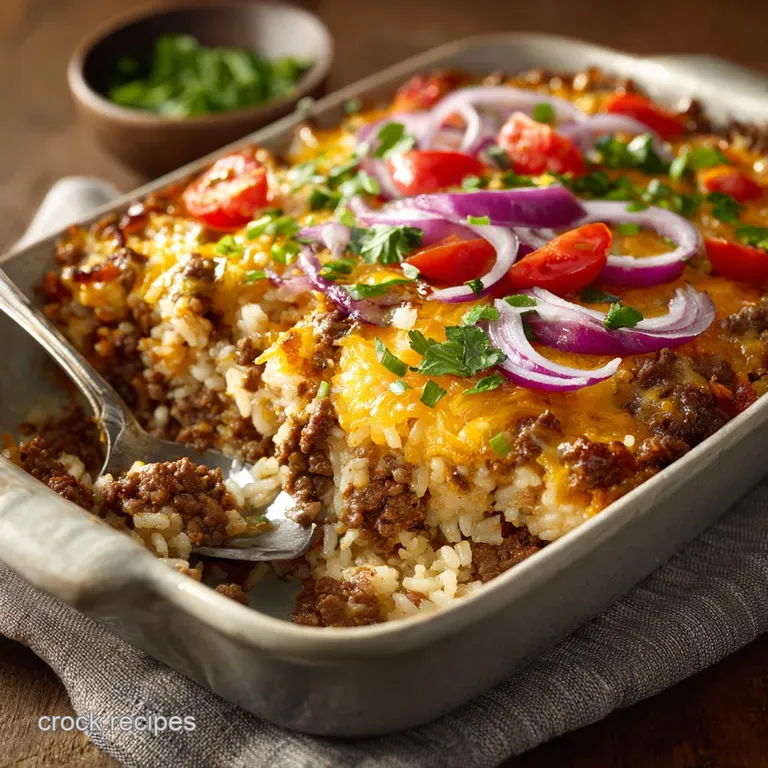
This is an incredibly easy casserole, but sequence matters. Follow these phases for optimal results.
Phase 1: Browning and Seasoning the Beef Base
Start by sautéing your diced onion and green bell pepper until they are nice and soft. They should smell sweet, not burnt! Next, get that ground beef into the hot skillet and break it up. Once all the pink is gone, this is your cleanup moment. Drain all that rendered fat off the meat.
Trust me, nobody wants a greasy casserole. After draining, add your minced garlic and the chili powder, cumin, and dry mustard. Cook these for 60 seconds until they smell intensely aromatic that's called 'blooming the spices,' and it’s massive for flavor.
Phase 2: Simmering the Rich Tomato Sauce
Pour in your crushed tomatoes, beef stock, ketchup, and Worcestershire sauce. Stir everything together until it’s a beautiful, rich red color. Bring the sauce to a gentle simmer and let it bubble away for just 5 minutes.
This simmering step ensures the sauce thickens slightly and all those spicy, savory flavors properly marry before meeting the rice.
Phase 3: Assembling the Layers and Topping
Take the skillet off the heat immediately. Gently fold in the three cups of cooked rice until they are fully incorporated into the beef mixture. We fold it gently so we don’t smash the rice grains. Transfer this entire mixture into your prepared 9x13 baking dish, spreading it out evenly.
Finally, shower the top generously with your grated cheddar.
Phase 4: Baking Time and Rest Period
Bake the Texas Hash Casserole for about 20– 25 minutes at 375°F (190°C). You’re looking for a bubbly sauce around the edges and a beautifully melted, slightly golden cheese crust. Do not skip the rest period!
Pull it out and let it sit on the counter for 10 minutes. That rest lets the sauce redistribute and stops the casserole from collapsing into a watery mess when you cut it.
Troubleshooting and Expert Tips for the Best Results
I've made some mistakes in my time, mainly involving rice that was crunchy or a dish that was too runny. Here are the common pitfalls and how to steer clear of them.
Avoiding a Watery Casserole: Draining the Meat Properly
The number one cause of a watery casserole is not fully draining the fat and liquid from the ground beef after browning. Even if you use paper towels to blot the pan after pouring off the liquid, you should do it.
If you skip this, the fat emulsifies into the sauce, making it oily and preventing proper absorption by the rice.
Ensuring Even Rice Texture Throughout the Bake
We covered using cooked rice, but the second key is making sure the rice is evenly distributed. When you fold it in (Phase 2, Step 7), make sure there aren't any huge pockets of just sauce or just rice. Even spreading ensures every serving is balanced and cooks consistently.
The Cheesy Crust Secret: When to Add the Topping
Some people cover their casseroles entirely for the whole bake time, but for Texas Hash, we want that crust. Add the cheese right before baking. Because the base mixture is already hot from the stovetop and the baking time is relatively short ( 25 minutes), the cheese melts and browns perfectly without burning.
Can You Assemble the Texas Hash Casserole Ahead of Time?
Yes, absolutely! This is one of the best things about this recipe. You can complete all the steps through Phase 3 (assembling the layers, without the cheese topping) and cover the dish tightly. Refrigerate it for up to 24 hours.
When you’re ready to bake, add 10– 15 minutes to the total bake time since you’re starting with a cold dish, and add the cheese for the last 15 minutes.
Preparing Ahead: Storage, Freezing, and Reheating Texas Hash
Best Practices for Freezing Leftovers
Texas Hash Casserole freezes brilliantly, making it ideal for batch cooking or meal prep. Once completely cooled, you can freeze it either in individual portions or as a whole dish. Wrap it tightly in foil, then in plastic wrap, and label it with the date. It lasts wonderfully for up to 3 months.
Reheating Instructions for a Perfect Second Day
From the Fridge (Leftovers): Scoop a serving onto a microwave safe plate, cover it loosely, and reheat in 90 second increments until steaming hot. Alternatively, cover the whole dish with foil and bake at 350°F (175°C) for 15– 20 minutes.
From Frozen: Thaw the casserole overnight in the fridge. Once thawed, follow the reheating instructions above. If you must bake it from frozen, cover the dish completely in foil and bake at 325°F (160°C) for about 50 minutes, removing the foil for the last 10 minutes to crisp the cheese.
What to Serve Alongside This Hearty Dish
Because this Texas Hash Casserole is such a complete meal it has your protein, carb, and veggies (onion/pepper) you don't need much. If you’re looking for another comfort classic to pair it with, try my recipe for Crockpot Turkey Stuffing Casserole Easy Slow Cooker Sunday Roast Hack on another night when you're craving that deep, slow cooked flavor.
For sides, I always go simple:
- A Sharp, Crunchy Salad: Something bright and vinegar based (like a basic red wine vinaigrette) cuts through the richness of the hash perfectly.
- Simple Steamed Greens: Broccoli or green beans, lightly buttered and salted. That’s it!
- For Dessert: Since we are already embracing the Texas theme, you absolutely need to check out my recipe for Keto Texas Sheet Cake Bites The Fudgy, sugar-free Low Carb Dessert . It’s the perfect end to this hearty meal.
Recipe FAQs
Do I need to pre-cook the rice before assembling the casserole?
Yes, the rice must be fully cooked before adding it to the meat mixture, otherwise, it will absorb too much liquid during baking, resulting in a very dry final casserole. Use long grain white rice or brown rice, ensuring it is prepared according to package directions and cooled slightly before mixing everything together.
Why did my Texas Hash Casserole turn out dry or crumbly?
This usually occurs if the ground beef wasn't drained properly, or if your rice was slightly undercooked or over packed. If the mixture looks too dry before baking, stir in 1/4 cup of beef broth or water, and ensure you cover the dish tightly with foil to seal in moisture during the initial baking time.
Can I substitute the ground beef with another type of meat?
Absolutely. You can easily substitute ground turkey or ground chicken, but be mindful that both are leaner and might require a bit more oil when browning to prevent sticking. If using ground turkey, you may want to add an extra pinch of cumin and chili powder to boost the overall flavour profile.
Can I assemble this casserole ahead of time, or is it better to bake immediately?
This casserole is an excellent make-ahead meal. Assemble the entire casserole (up to the point of adding the cheese), cover it tightly, and refrigerate for up to 24 hours. When ready to bake, add 10 to 15 minutes to the total baking time since you are starting from a cold state.
How can I freeze Texas Hash Casserole?
This casserole freezes very well both baked and unbaked. If freezing baked, allow it to cool completely, then wrap the dish tightly with plastic wrap followed by aluminum foil and freeze for up to three months. Thaw overnight in the refrigerator and reheat covered at 350°F (175°C) until piping hot throughout.
What type of cheese works best, and can I make this dairy-free?
Sharp cheddar is traditional for its robust flavour, but Monterey Jack or a Mexican blend also melt beautifully over the top. If you need to skip the dairy, the flavour integrity of the hash will remain, but the dish will lose its golden, bubbly topping; consider topping with gluten-free breadcrumbs instead for a pleasant texture.
How can I increase the smoky or spicy heat in the casserole?
To increase the heat, try stirring in one small, diced jalapeño or a teaspoon of canned green chilies when sautéing the onions. For an enhanced smoky flavour, substitute a teaspoon of the regular chili powder with chipotle powder, or add a dash of liquid smoke to the meat mixture.
Proper Texas Hash Casserole Recipe
Ingredients:
Instructions:
Nutrition Facts:
| Calories | 676 kcal |
|---|---|
| Protein | 53.0 g |
| Fat | 44.2 g |
| Carbs | 22.5 g |
