Slowbraised Lamb Shoulder with Ruby Port and Winter Herbs
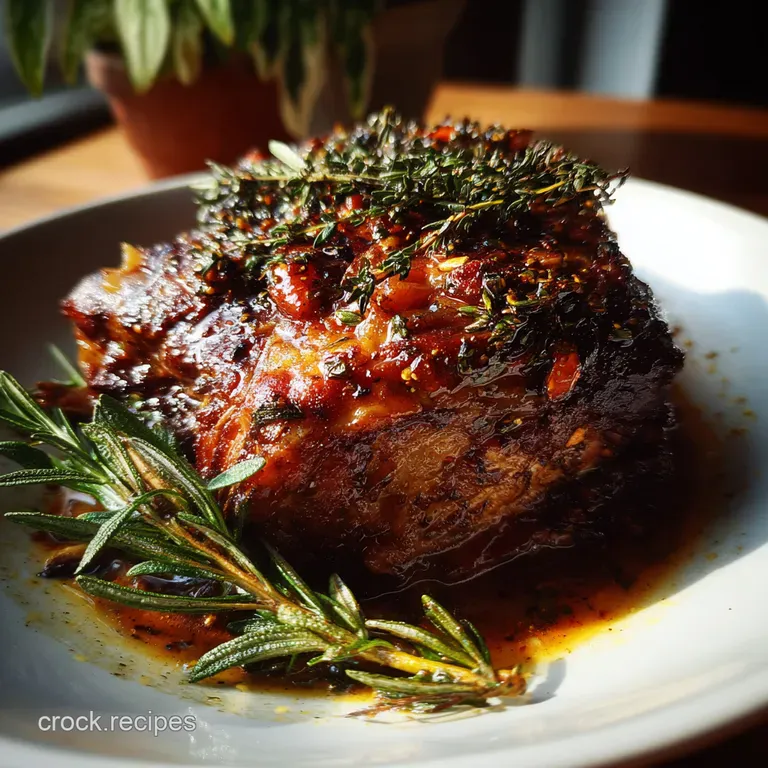
The Ultimate Sunday Roast Upgrade
Have you ever had a meal so good it just makes the rest of the world melt away? That’s what this slow braised lamb shoulder does for me.
Making a brilliant Sunday dinner can feel stressful, but I finally figured out how the process is properly managed . We are taking a tough, inexpensive cut and transforming it into pure bliss.
Honestly, this recipe is peak Dutch oven comfort food . Forget boring gravy. We’re using a rich, complex ruby port lamb sauce to elevate things.
This dish takes inspiration from traditional British casseroles, but it’s given a sophisticated twist.
Why You Need This in Your Life
I rate this dish as medium difficulty. Why? The actual work is minimal, but it demands careful attention to detail.
You must nail the initial searing and precision cooking temperature . We are aiming for about four hours of cook time total.
But most of that time, you'll be on the sofa, pint in hand! This recipe easily serves six very happy people.
Mastering the Initial Steps
I used to mess up braising all the time. Dry meat, weak sauce, you name it. The secret is that initial blast of heat we call it the Maillard reaction searing .
If you don't get that deep, dark brown crust on the meat, the entire flavour base of your dish is ruined.
Seriously, trust me on this.
The next crucial step is incorporating the degreasing fond flavor from the bottom of the pot. We use the ruby port to scrape up all those sticky brown bits.
That sticky residue is pure gold. This simple technique is the foundation of the sauce.
The Science of Tenderness
Once the pot is sealed, we’re keeping a close watch on the controlled braising liquid . Too much steam escaping, and your meat will dry out.
Too little liquid, and the exposed lamb will be tough. That's why the process must be carefully managed in a sealed pot.
This recipe is fantastic because it’s economical and nutritious. Lamb is packed with protein. Plus, this version incorporates beautiful root vegetables.
It makes a killer swede and rutabaga recipe side dish, all cooked perfectly in the sauce.
Don't Skip the Rest!
The final secret to those unbelievable meltingly tender results ? Resting the meat. Once it's out of the oven, do not touch it for 15 minutes.
This rest allows the juices to redistribute, fully managing the resting meat moisture content . Skipping this step is the difference between a good roast and one you’ll talk about for weeks.
Now, let’s grab the ingredients!
Right then, let’s talk shop: the gear and the ingredients. Getting this part right means the difference between dried out meat and glorious, meltingly tender results .
We are laying the foundations for serious Dutch oven comfort food . Honestly, the less you have to panic later, the better.
This prep must be perfectly managed .
Essential Ingredients for the Slow Braised Lamb Shoulder
This is where the magic starts. You need a good piece of lamb. I always choose the shoulder. It's tough, cheap, and transforms beautifully.
The Meat and the Mirepoix
Grab 1.8 kg (4 lb) of boneless lamb shoulder. Tie it up neatly. This keeps the shape while cooking.
Crucially, pat the meat bone dry. If it’s wet, you won't get that gorgeous, deep Maillard reaction searing . That crust is everything!
For the vegetables, keep it simple. We need the classics: onions, carrots, and celery. Don't worry about neat chopping. They’re just building the flavour base.
And yes, we are using the swede and rutabaga recipe combo. You need about 100 g of chunky swede pieces.
They soak up the sauce like sponges.
Flavour Anchors and Aromatics
The liquid is the soul of this dish. We’re using 240 ml (1 cup) of rich ruby port lamb sauce base.
If you skip the wine, you lose huge flavour depth. Just use good beef stock instead. Make sure your stock is low sodium.
You want to control the salt yourself, you know?
My biggest challenge used to be the skimming. Remember to scrape up every bit of that delicious brown stuck stuff after searing.
That process ensures maximum degreasing fond flavor . We want all those deep, caramelised bits in the sauce, not sticking to the bottom of the pot forever.
Kit Check: Precision and Control
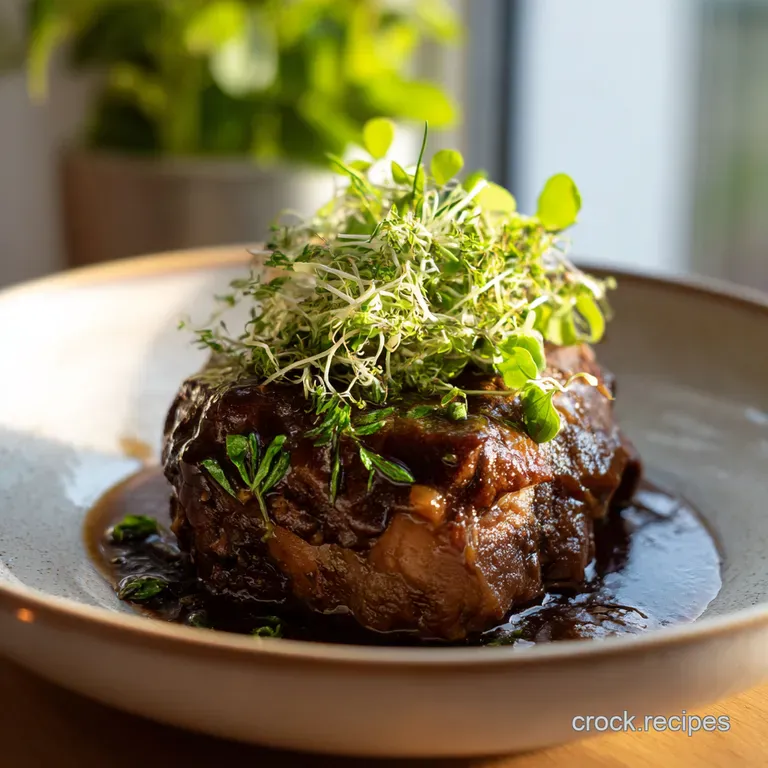
You don't need fancy gadgets. Just reliable workhorses.
The Heavy Lifting Equipment
The hero here is the heavy bottomed Dutch oven. Mine is a 6-quart beast. It keeps the heat incredibly even. This helps maintain the precision cooking temperature needed.
If your heat wobbles, the lamb will seize up. A lid that seals tightly is non-negotiable. This prevents the steam from escaping.
We need that moisture to stay put. This manages the controlled braising liquid levels throughout the cook.
Don’t forget the meat thermometer. Seriously, it's not cheating. It’s smart cooking. You need to know when that lamb hits 93° C ( 200° F) for true tenderness.
A slotted spoon and a sharp knife complete the essential kit. Oh, and a little fat separator is brilliant for refining the sauce later.
It makes the degreasing fond flavor extraction so much cleaner.
Why Resting is Crucial
The final piece of equipment? A chopping board and foil. Letting the lamb rest for at least 15 minutes is essential.
This step is about actively managed moisture. It ensures the fibres relax, guaranteeing maximum resting meat moisture content . Skip the rest, and you’re serving a dry roast.
You don’t want that after four hours of patient waiting, do you?
The Foundation of Flavour: Getting Your Prep Managed
Oh my gosh, I love slow braised lamb shoulder . Truly. But you know what separates the great from the just okay? The starting line.
We need to get things totally managed before the heat even turns on. This is where the initial effort means you can relax for the next four hours.
This first stage is what chefs call mise en place . It just means "everything in its place." Chop your onion, celery, and carrots.
That’s your base flavour right there. Grab the tough cut of lamb and pat it until it’s drier than the Sahara desert.
Seriously. If it’s wet, it steams, and we need a fierce sear.
The Maillard Magic: Searing and Deglazing
This step is non-negotiable for real Dutch oven comfort food . If you miss the sear, you miss the deep flavour.
Get the oil shimmering almost smoking. Lay that lamb down carefully. We are aiming for the deepest, darkest crust possible, about 3 to 4 minutes per side .
This is the Maillard reaction searing , turning simple sugars and proteins into complex, smoky goodness.
Once the lamb is out, you'll see those beautiful brown bits stuck to the bottom of the pot. Those bits are gold.
They hold the key to fantastic degreasing fond flavor . Reduce the heat to medium low. Add your chopped veg and let them sweat.
Use a wooden spoon to scrape up every single fragment while they cook.
Then comes the moment for the ruby port lamb sauce base. Pour in the port. Listen to that satisfying sizzle! This liquid lifts all those stuck-on, caramelized bits.
Let that reduce by half for about 3 minutes before adding the stock. This is crucial for managed flavour depth.
Precision Cooking Temperature and Results
Now we set up the long haul. The goal is meltingly tender results . Bring the pot back to a brief simmer on the stove.
Seal it tight and transfer it to the oven. We need a steady, precision cooking temperature of 160° C ( 325° F) .
I learned the hard way that an oven thermometer is your best friend here. If your temperature spikes, the meat tightens up.
Pro Tip: Check your controlled braising liquid halfway through. It should cover two-thirds of the meat. If it looks low, splash in some hot water or stock.
After 2. 5 hours , toss in your potatoes and the chunky swede and rutabaga recipe pieces. They will cook perfectly in the steam and sauce.
When the internal temperature hits 93° C ( 200° F) , pull it out! Don't skip the resting meat moisture content stage let it rest for 15 minutes .
That patience is what ensures the lamb collapses under its own weight. It’s what makes all the difference, you know?
The Payoff: Tips, Tricks, and Keeping the Comfort Going
Right then, you’ve nailed the hard bit. You successfully managed the high heat of the initial sear and maintained that precision cooking temperature in the oven.
Now, let’s talk about enjoying this magnificent slow braised lamb shoulder and making sure those leftovers are just as good.
Serving Up the Glory
This is proper, honest-to-goodness Dutch oven comfort food . Don’t overthink the plating. I usually shred the meltingly tender results right in the serving dish.
It looks rustic, you know? Then, pour a good ladle of that intense ruby port lamb sauce right over the top.
Honestly, the smell alone is heaven.
My absolute go-to side is a buttery mash. You need something soft to capture all that rich flavour. We threw the potatoes and swede and rutabaga recipe right in the pot, which is fantastic.
But if you want a splash of colour, try steamed green beans with a tiny knob of butter. The slight bitterness cuts through the richness beautifully.
And crucially, remember the resting meat moisture content technique it stops the meat drying out when you serve it up!
Stashing the Leftovers
If you’ve got any of this left which is a big ‘if’ it keeps brilliantly.
I’m serious, this might be better the next day. Once it's completely cooled, stick it in the fridge in an airtight container for up to 4 days.
Before reheating, I recommend tackling the sauce. This is where degreasing fond flavor comes into play. Skim off any solidified fat floating on top.
That fat protected the sauce overnight, but now we don’t need it. That way, the rich flavour shines through, not the grease.
If you want to freeze it, separate the lamb and the controlled braising liquid . Freeze them in separate containers for up to three months.
To reheat, thaw overnight and then gently warm everything together on the hob until piping hot. Easy peasy!
Simple Swaps and Adjustments
Need to adapt the recipe? It’s totally doable because the low and slow process is forgiving.
For a gluten-free twist, swap out the small amount of flour we used for searing with a cornflour or rice flour dusting.
It still helps promote that crucial Maillard reaction searing crust without the gluten. Or just skip the flour entirely the searing will still be spot on, just slightly less brown.
If you don't fancy the sweetness of the port, use a dry red wine, like a Merlot. The key is just making sure you scrape up those gorgeous brown bits left after the initial sear.
That’s pure flavour gold!
The Simple Scoop on Nutrition
Now, I’m not a nutritionist, so take this as chat, not gospel. But lamb shoulder is packed with protein, which keeps you feeling full.
The long braise and the addition of root veg means you get a good dose of vitamins too. Since you've managed to get that deep flavour using high-quality stock and fresh herbs instead of just loads of salt, it's actually a pretty wholesome meal.
It’s warm, it’s restorative, and frankly, it makes you feel like everything in the world is right.
Go on, give it a go. It’s a guaranteed crowd pleaser!
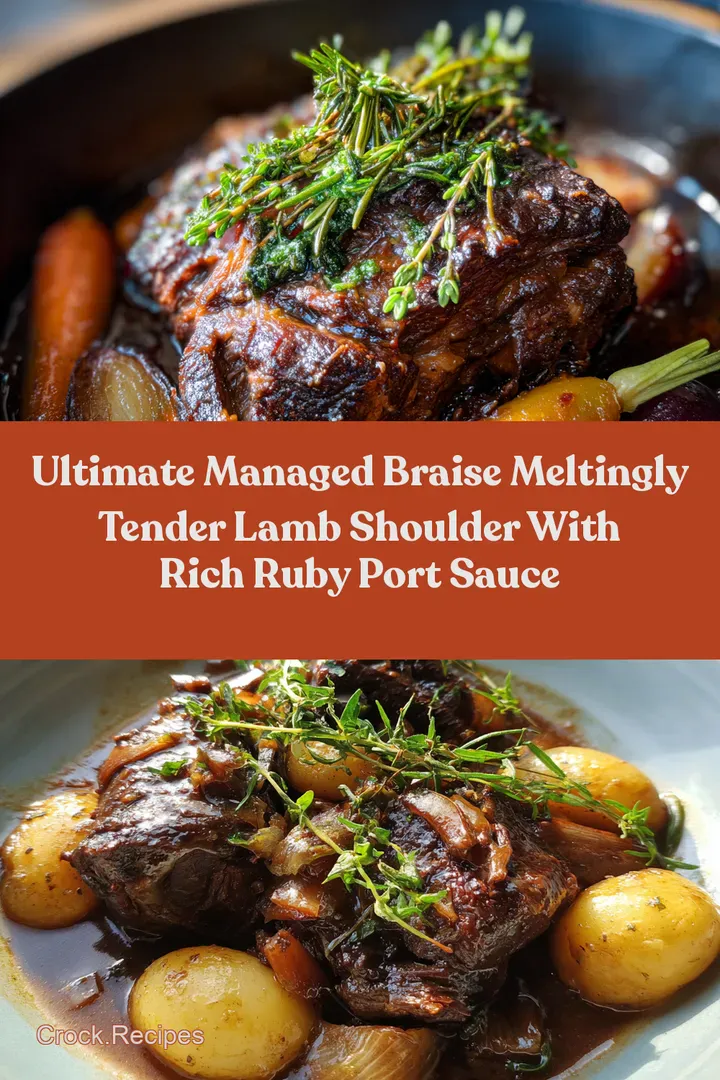
Frequently Asked Questions
This recipe relies on things being perfectly managed why is my lamb still tough even after hours in the oven?
If your lamb hasn't reached that glorious, fall apart texture, it usually means you haven't cooked it long enough or the temperature wasn't consistent. Braising breaks down tough collagen only at sustained, low heat, so rushing the process or opening the lid too often is a no-no.
Keep the pot tightly sealed and continue cooking until the meat registers 93°C (200°F) and sheds easily with a fork.
Can I make this managed melting pot lamb ahead of time, and how long will the leftovers last in the fridge?
Absolutely, this is a brilliant "cook once, eat twice" dish, as the flavours actually marry and deepen overnight, which is a proper bonus for a busy household. Cook the lamb and vegetables completely, then store everything submerged in the sauce in an airtight container in the fridge for 3 4 days.
When reheating, you can easily skim off any solidified fat for a lighter sauce.
I fancy making this for Sunday lunch, but I've run out of Port what's the best substitute for the braising liquid?
Don't fret, dear reader! A robust, fruity dry red wine (like a decent Merlot or Cabernet Sauvignon) works beautifully to deglaze the pot and add depth. For a really traditional British twist, you could even substitute the Port for a dark, malty stout like Guinness, which lends a deep, slightly bitter richness that perfectly complements lamb.
What’s the big fuss about the initial sear? Surely it doesn’t matter if it’s going to stew for four hours?
A proper sear is the foundation of flavour, providing the deep, caramelised crust (the Maillard reaction) necessary for an intensely savoury final dish. Those browned bits left in the pot the 'fond' dissolve into the braising liquid when you add the Port, enriching the entire sauce.
Without that crucial browning stage, your sauce will taste surprisingly weak and flat, so don’t skip this bit!
The description sounds wonderfully rich, but how can I manage the fat content in the sauce?
The best tip for controlling richness is to cool the braise entirely after cooking and before serving. Once chilled, the solid lamb fat will congeal on the surface, allowing you to easily scrape it off with a spoon or use a dedicated fat separator.
This leaves you with a deeply flavourful, clearer sauce that is much less heavy on the palate and better for the waistline!
Slowbraised Lamb Shoulder With Ruby Port And Win
Ingredients:
Instructions:
Nutrition Facts:
| Calories | 675 kcal |
|---|---|
| Protein | 57.5 g |
| Fat | 37.5 g |
| Carbs | 37.5 g |
| Fiber | 6 g |
| Sodium | 700 mg |
