Cut out Sugar Cookies: the Sturdy Recipe That Never Spreads

- The Baker’s Best Friend: Classic Vanilla Cut-Out Sugar Cookies
- The Science of Sturdy Cookies: Why This Recipe Holds Its Shape
- Mastering Your Supplies: Detailed Ingredients and Pro Baker’s Notes
- The Method: Step-by-Step Instructions for Flawless Cookie Dough
- Troubleshooting Your Bake: Expert Tips and Fixing Common Mistakes
- Preservation Guide: Storing Dough, Baked Cookies, and Freezing
- The Final Canvas: Decorating and Pairing Suggestions
- Recipe FAQs
- 📝 Recipe Card
The Baker’s Best Friend: Classic Vanilla Cut-Out Sugar Cookies
There is nothing in the world that smells quite like a fresh batch of Cut Out Sugar Cookies baking in the oven. That warm, buttery cloud infused with rich vanilla is just pure magic. You know that scent, the one that instantly pulls you back to childhood Christmases or rainy Saturday afternoons?
This recipe delivers that perfect nostalgia, paired with perfectly crisp edges and a soft, tender center.
I get it, cookie decorating can be frustrating. You spend an hour rolling and cutting the most intricate reindeer shapes, only to have them morph into blob like amorphous puddles in the oven. That stops today, seriously.
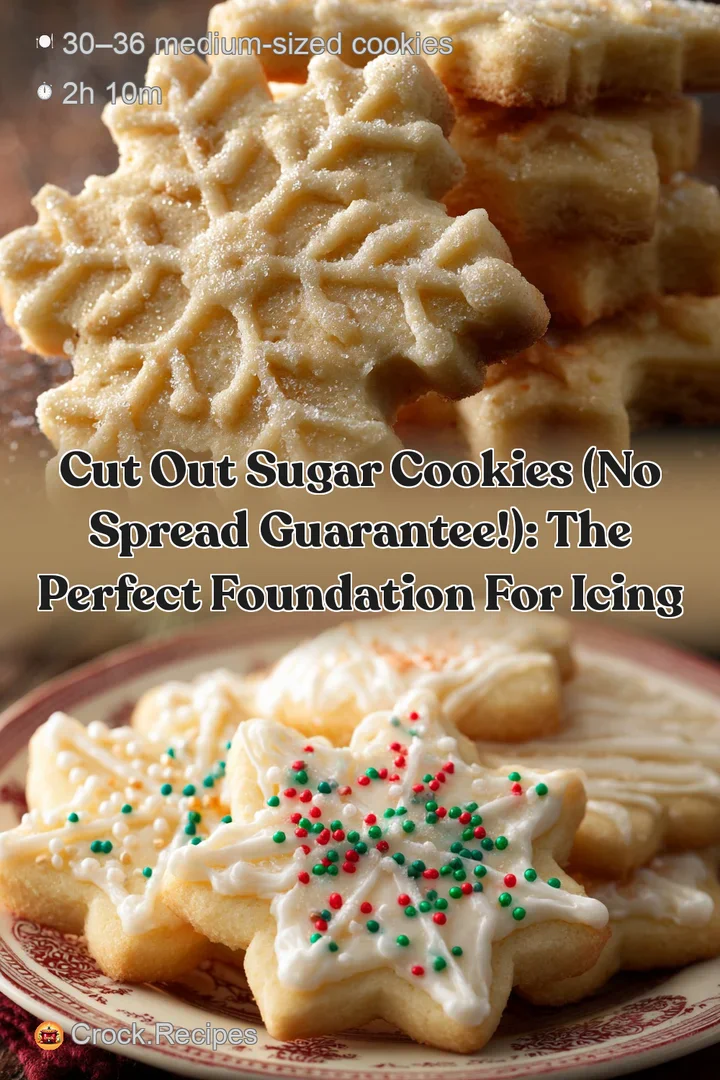
This specific cut out sugar cookies recipe is reliable, foolproof, and fast it’s the foundational recipe I always use when I need a guaranteed, sturdy canvas. It’s absolutely essential for holiday baking, or whenever you need a blank slate for beautiful royal icing work.
So ditch the recipes that promise "no chill" but secretly lie to you. We are doing this the right way, with patience and science, to create the very best Christmas sugar cookies you’ve ever made. Let’s crack on and talk about why this simple dough is actually brilliant.
The Science of Sturdy Cookies: Why This Recipe Holds Its Shape
This isn't just about mixing ingredients; it’s a focused strategy to prevent spread. We are actively manipulating the gluten and the fat content to ensure maximum structural integrity. If you are tired of dough chaos, understanding these three principles will change your baking life forever.
Why Your Cookies Spread (And How We Stop It)
Cookies spread for two main reasons: too much liquid and too much leavening. When your oven heat melts the fat too quickly, gravity takes over and the dough flows outward before the flour structure can set. We combat this aggressively by keeping the fat cold and the overall moisture content low.
We want fat molecules to be firm , delaying the melt until the starches have a chance to solidify the cookie’s shape.
An Overview of the Shape Holding Dough Method (Med Difficulty)
This method focuses on chilling and reverse creaming, ensuring the butter is incorporated in a way that minimizes air. By minimizing the air we cream into the butter, we reduce the amount of lift the cookie gets in the oven.
A flat, dense structure is the goal here, producing soft sugar cookies that won't puff up or bubble over the edges. It takes a little precision, but the results are always worth it.
The Essential Ingredients for Perfect Cookie Canvas
We are going back to basics here flour, fat, sugar, egg, and flavor. Because this is the foundational recipe for everything, every ingredient must be top-notch. I swear by pure vanilla extract here; it truly makes a huge difference. When planning your holiday baking, this is the reliable base you need, whether you’re making Peppermint Brownie Cookies: The Fudgiest Crinkle Top Recipe or something simple like these classic cut out sugar cookies .
The Importance of Cold Butter and Reverse Creaming
Why is cold butter the star? Warm or melted butter means immediate spread when the cookies hit the oven. We use slightly softened, cool butter and cream it with sugar just enough to incorporate it, not to whip excessive air into the mixture.
The firmer the fat is going into the oven, the longer it takes to melt, which gives your flour structure time to set up.
Eliminating Leavening: Why We Skip the Baking Powder
Wait, no baking powder? That’s right! Standard sugar cookies use leavening agents (baking powder or soda) to create a soft, puffy texture. We want zero puff and zero spread. Skipping the leavening agent entirely guarantees that the cookie stays exactly the shape you cut it.
The cookie will be denser and wonderfully buttery, perfectly setting that clean edge we are hunting for.
Achieving That Perfect Vanilla Depth (Extract vs. Paste)
If you only use vanilla once a year, let it be in your sugar cookies. I recommend using vanilla bean paste, not just extract, for tiny visible specks and a depth of flavor that is truly remarkable. If you're using extract, please use the good stuff.
Don't skimp on this step, because vanilla is the entire personality of these basic cookies.
Mastering Your Supplies: Detailed Ingredients and Pro Baker’s Notes
You don’t need many ingredients for perfect cut out cookie recipe success, but you need to respect the ones you have. Room temperature is a huge factor here, especially for the egg.
Flour Ratios: Preventing Tough Cookies with Precision Measuring
Flour is the biggest variable in baking. Seriously. If you scoop flour directly from the bag, you will pack in too much, which leads to dry, tough cookies that crack when you roll them out.
Use a kitchen scale for best results , or at least spoon the flour into your measuring cup and level it off. It stops your cookies from turning into hockey pucks.
The Best Fats for Cut Out Sugar Cookies (Butter Quality Matters)
Always use unsalted butter. Why? Because salt content varies dramatically between brands, and we want to control the exact amount of salt in the dough. Higher quality butter (with a higher fat percentage) will also give you a richer, tender crumb.
Substituting Ingredients: dairy-free or Gluten Friendly Notes
| Ingredient | Substitute Suggestion | Key Adjustment Notes |
|---|---|---|
| Unsalted Butter | high-quality Vegan Butter Block | Must be a block, not a soft tub spread. Ensure it stays very cold. |
| Egg | Flax Egg (1 Tbsp ground flax + 3 Tbsp water) | The texture will be slightly denser. Keep chilling time strict. |
| All-Purpose Flour | 1:1 gluten-free Baking Blend | Ensure your GF blend contains xanthan gum for structure. |
| Granulated Sugar | Powdered/Confectioners’ Sugar (Partial) | Replacing some granulated sugar with powdered sugar makes the cookie slightly softer and helps prevent browning. |
Quick Fix: How to Soften Butter to Room Temperature Safely
You need the butter to be cool enough that your finger leaves an indentation but warm enough that it doesn't break your mixer paddle. If you forgot to take it out, cut your butter into small cubes and let it sit for 15 minutes.
Do not microwave it, or you’ll ruin the consistency and your cookies will spread.
The Method: step-by-step Instructions for Flawless Cookie Dough
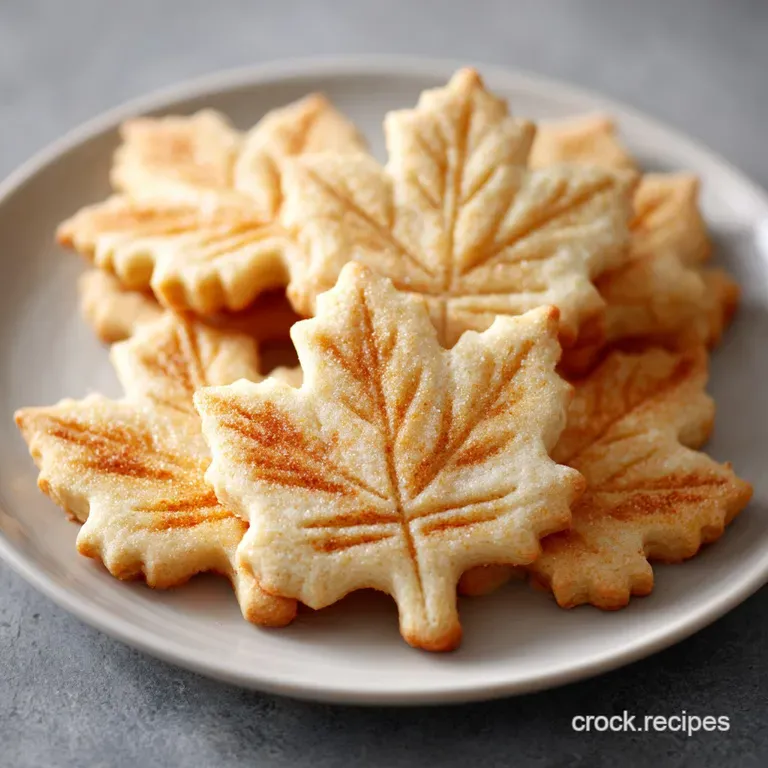
The process is straightforward, but timing is everything. Pay close attention to when I tell you to stop mixing!
Mixing Method: Creaming the Butter and Sugar Properly
First, whisk your dry ingredients (flour and salt) together and set them aside. Next, cream your slightly softened butter and sugar until they are just combined and pale about 3 minutes. Scrape down the sides of the bowl religiously.
Add the egg and vanilla extract; mix only until incorporated. Then, reduce the speed to low and gradually add the dry mixture.
The Mandatory Chill: Achieving the Perfect Dough Consistency
As soon as the flour disappears, stop the mixer. I mean it! Divide the dough into two discs and wrap them tightly. This dough must be refrigerated for at least 60 minutes . This allows the gluten to relax (preventing tough cookies) and hardens the butter (preventing spread).
If I try to roll dough warm, it's always a disaster.
Chef's Note: When in doubt, chill it out. A cold dough is a happy dough. If your kitchen is warm or humid, you might need a full 90 minutes of chilling time.
Rolling Thickness & Preventing Sticking (A Parchment Paper Trick)
I swear by rolling dough between two sheets of parchment paper. It eliminates the need for excess flour, ensuring your cookies stay tender, not tough. Roll the dough out to a uniform thickness, about 1/4 inch (6 mm). If you don't have thickness guides, just eyeball it, but aim for consistency.
Oven Settings: How to Bake for Sturdiness, Not Browning
Bake these cookies at 350°F (175°C) for 8– 10 minutes. We are baking for structure, not color. You want them to be set and dry on the top, with the very edges just barely hinting at golden. Overbaking makes them dry.
If you want truly white sugar cookies for decorating, reduce the baking time by one minute, but ensure the center is completely set before cooling.
Troubleshooting Your Bake: Expert Tips and Fixing Common Mistakes
Help! My Dough is Too Sticky (Humidity Adjustments)
If you live somewhere humid (like I do during the summer), sometimes the dough will feel too soft even after chilling. This is because the flour absorbs ambient moisture. The fix? Add flour, but very carefully. Start by dusting the sticky dough with 1 2 tablespoons of flour and gently fold it in by hand.
If it’s still sticky, repeat, but do not add more than 1/4 cup total.
Why Are My Cookies Tough? (Preventing Overworking the Gluten)
This is almost always due to overmixing the dough when adding the flour. The moment you introduce liquid (the egg) and mix it with flour, you develop gluten. The more you mix, the tougher the resulting cookie. Stop mixing when the flour streaks are almost gone.
The remaining mixing will happen when you gently bring the dough together and roll it out.
Achieving Clean Edges with Sharp Cookie Cutters
For the cleanest edges, use metal cutters that are sharp. Dip the cutter into flour between cuts. If you're cutting a really intricate shape, try pressing the cutter firmly into the dough, then moving the entire cutout on the parchment paper and peeling the excess dough away from it, instead of lifting the fragile shape.
Maximizing Batch Yield (Re-rolling Scraps Safely)
Gather your scraps, press them gently together, wrap them up, and chill them for 15 minutes before rolling again. Do not just immediately roll the warm scraps. If you re-roll warm dough, the butter has softened too much, and those cookies will spread.
Chilling is mandatory for scrap usage!
Preservation Guide: Storing Dough, Baked Cookies, and Freezing
This recipe is incredibly practical because you can prep the dough days, or even weeks, ahead of time. I usually have a few logs of cut out sugar cookies no chill dough waiting in my freezer, just in case. (Okay, they still need a little chilling time, but the hard work is done!)
Short Term Storage: Keeping Unbaked Dough Fresh in the Fridge
You can store the unbaked dough discs, tightly wrapped, in the refrigerator for up to 3 days. When you’re ready to roll, you may need to let the dough sit out for 5– 10 minutes so it’s pliable enough to roll without cracking.
Freezing Raw Cookie Dough for Future Use
This is my favorite trick. You can freeze the dough in two ways:
- As a Disc: Wrap the flat discs tightly in plastic wrap, then place them in a freezer bag. Freeze for up to 3 months. Thaw overnight in the fridge before rolling.
- As Cutouts: Cut the shapes, place them on a parchment lined tray, and flash freeze them for 30 minutes. Once solid, transfer the shapes to an airtight container or freezer bag. Bake from frozen, adding 1– 2 minutes to the bake time.
Baked sugar cookies last well in an airtight container at cool room temperature for 5 7 days. If they are frosted with royal icing, they will last about 4 5 days.
The Final Canvas: Decorating and Pairing Suggestions
Once these cookies are cooled, they are your perfectly prepared canvas. I love to use a simple vanilla buttercream for a quick treat, but if you need those professional, flawless edges, make sure you use a sturdy Sugar Cookie Icing or royal icing. If you're looking for a slightly different holiday treat that also holds shape well, check out my Toffee Cookies: The Ultimate Chewy Crispy English Toffee Recipe for a variation!
For pairing, since the cookies themselves are quite simple, they go great with something rich and comforting. A strong black coffee, an afternoon tea, or maybe a fancy homemade latte is the ticket. They also make a fantastic, sturdy base for elaborate dessert architecture think crushing them for a crust or using them as a garnish for something decadent, like Keto Nanaimo Bars: The Ultimate Low Carb sugar-free Canadian Dessert . Enjoy the reliable bliss of a cookie that actually keeps its shape!
Recipe FAQs
Why did my cut-out cookies spread and lose their intricate shape?
The primary causes for spreading are butter that was too soft when mixing or dough that wasn't sufficiently chilled before baking. Ensure the butter is only slightly softened, never melted, and place the fully cut-out cookies on the baking sheet into the freezer for 5 to 10 minutes before placing them in the hot oven.
My cookies turned out hard and crumbly. What went wrong?
This is usually a sign of either adding too much flour or overbaking the cookies. Always measure flour by spooning it lightly into a measuring cup and leveling off, avoiding scooping directly from the bag.
Additionally, sugar cookies should look pale when done; pull them from the oven the moment the edges begin to hint at a golden color.
Is chilling the dough truly mandatory, and how long should I chill it?
Yes, chilling is absolutely mandatory for sugar cookies designed to hold their shape; this process solidifies the fat in the butter. Chill the dough for a minimum of 2 hours, but preferably overnight, to ensure the best shape retention during baking.
Can I freeze this sugar cookie dough or the baked cookies for later?
This recipe freezes beautifully, both before and after baking. Wrap the unbaked dough disks tightly in plastic wrap and foil for up to three months, or freeze fully cooled baked cookies in an airtight container layered with parchment paper for up to six months.
What is the optimal thickness for rolling the dough?
For sturdy cookies that are perfect for royal icing decorations, 1/4 inch is the standard optimal thickness. If you prefer a slightly puffier and softer cookie texture, you can roll them to 3/8 inch, though you may need to add a minute or two to the baking time.
Can I make these cut-out cookies dairy-free or vegan?
Yes, you can substitute the butter with a high-quality, solid plant based butter stick, ensuring it has a low water content. Avoid using soft tub margarines, as the extra moisture can negatively affect the dough consistency and cause spreading.
How can I easily vary the flavor profile beyond the classic vanilla?
The easiest variation is switching the vanilla extract for alternatives like almond, lemon, or peppermint extract. For a brighter flavor, you can incorporate the zest of one lemon or orange directly into the butter and sugar mixture during the initial creaming process.
Sturdy Cut Out Sugar Cookies Recipe
Ingredients:
Instructions:
Nutrition Facts:
| Calories | 160 kcal |
|---|---|
| Protein | 2.0 g |
| Fat | 8.0 g |
| Carbs | 21.0 g |
