Thai Chicken Salad Peanut Dressing Recipe
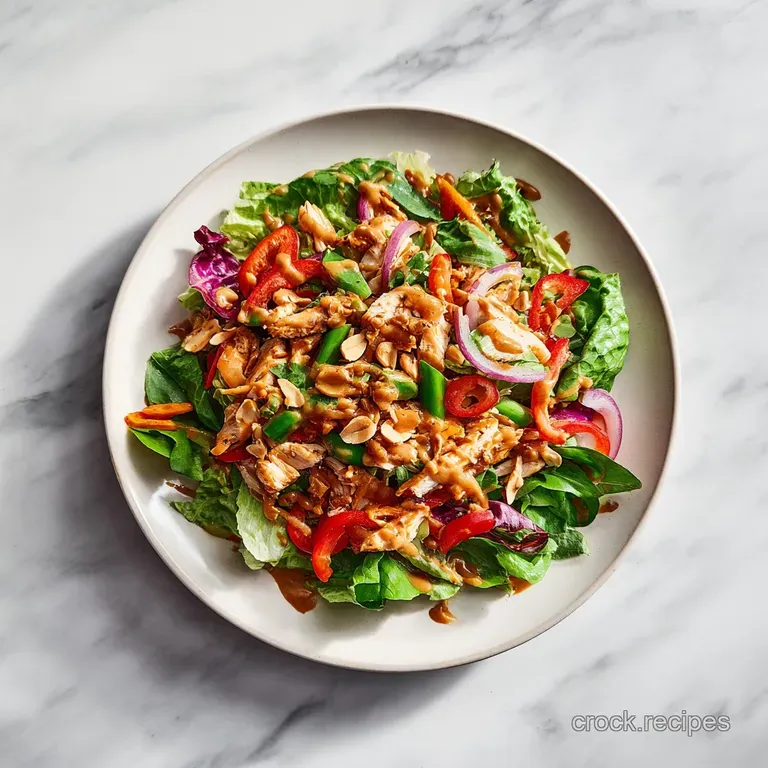
- Time: Active 15 minutes, Passive 10 minutes, Total 25 minutes
- Flavor/Texture Hook: Shatter crisp cabbage meets a velvety, ginger spiked peanut finish.
- Perfect for: Outdoor dinner parties, meal prep, or high protein lunches.
- Vibrant Thai Chicken Salad Peanut Dressing
- Why This Global Dish Sizzles
- Vital Recipe Stats and Timing
- The Science of Creamy Emulsions
- Sourcing Your Irresistible Fresh Elements
- Essential Gear for This Prep
- Step-by-Step Culinary Assembly Guide
- Fixing Texture and Flavor Errors
- Creative Swaps for Every Palate
- Keeping Leftovers Vibrant and Fresh
- Serving Ideas for Special Occasions
- Debunking Common Kitchen Myths
- High in Sodium
- Thai Chicken Salad Peanut Dressing FAQs
- 📝 Recipe Card
Vibrant Thai Chicken Salad Peanut Dressing
The first time I really nailed this dish, it was a humid Tuesday evening when the air felt thick enough to chew. I wanted something that would shatter between my teeth something vibrant and cold that didn't feel like "diet food." As the chicken hit the avocado oil in my skillet, that sharp sizzle filled the kitchen, followed immediately by the earthy aroma of cracked black pepper and sea salt.
It was one of those rare kitchen moments where everything just clicked.
You know that feeling when you order a salad at a restaurant and it arrives as a sad, soggy pile of greens? This is the exact opposite. We're talking about a massive bowl of color where the Napa cabbage stays structurally sound and the peanuts provide a rhythmic crunch in every bite.
It’s the kind of meal that makes you actually want to eat your vegetables, mostly because they're a vehicle for that silky, punchy sauce we're about to build.
We've all made the mistake of using a dressing that's basically just sugar and oil. But once you try this version, you'll see why the balance of acidity from the rice vinegar and the depth of the low sodium soy sauce is a total game changer.
It’s global street food meets your kitchen counter, and honestly, you'll probably want to double the batch just to dip carrot sticks in it later. Trust me on this one; the ginger and garlic are not optional if you want that authentic zing.
Why This Global Dish Sizzles
- Emulsification Stability: The warm water thins the natural fats in the peanut butter, allowing the honey and lime juice to bond into a velvety coating rather than a clumpy mess.
- Myoglobin Retention: Searing the chicken strips quickly over high heat ensures the interior stays juicy while the exterior develops a light, savory crust.
- Cellular Integrity: Mixing red and Napa cabbage provides a varied fiber structure that resists wilting even after being tossed in the acidic dressing.
- Aromatic Infusion: Grating fresh ginger directly into the liquid base releases essential oils that powder simply cannot replicate.
| Thickness | Internal Temp | Rest Time | Visual Cue |
|---|---|---|---|
| 1/2 inch strips | 165°F (74°C) | 3 minutes | Opaque white throughout |
| 1 inch cubes | 165°F (74°C) | 5 minutes | Firm to the touch |
| Shredded breast | 165°F (74°C) | 2 minutes | Pulls apart easily |
Getting the chicken right is about speed. If you crowd the pan, the meat will steam instead of sear, losing that beautiful golden color we're after. If you're looking for another protein packed inspiration, you'll love the technique used in my How to Make recipe for Thai style drumsticks.
Vital Recipe Stats and Timing
When we talk about "25 minutes," we mean it. The prep is the bulk of the work here, as the actual cooking time for the chicken is lightning fast. You want to have your "mise en place" that's just fancy talk for having your stuff chopped ready before the heat goes on.
The Napa cabbage is the star of the show here because of its crinkly texture, which acts like a sponge for the peanut sauce. Unlike romaine, which collapses the second it sees salt, cabbage keeps its integrity. This makes it a stellar option for a buffet or a long lunch where the salad might sit out for a bit.
The Science of Creamy Emulsions
| Ingredient | Science Role | Pro Secret |
|---|---|---|
| Natural Peanut Butter | Primary Emulsifier | Use "drippy" room temp butter for a smoother pour. |
| Fresh Lime Juice | Protein Denaturant | The citric acid brightens the heavy fats and cuts through the honey. |
| Warm Water | Viscosity Regulator | It breaks the surface tension of the nut fats for a silky texture. |
The magic happens when the warm water meets the peanut butter. If you use cold water, the fats in the nut butter will seize up, leaving you with a chunky, unappealing texture. The warmth helps the honey dissolve and ensures the soy sauce incorporates fully.
Sourcing Your Irresistible Fresh Elements
- 1.5 lbs chicken breast: Slice these into thin, even strips so they cook in under 6 minutes. Why this? Lean protein absorbs the bold ginger garlic flavors without becoming greasy.
- 0.5 cup creamy natural peanut butter: Look for the kind where the only ingredients are peanuts and salt. Why this? Processed nut butters contain palm oil which alters the mouthfeel.
- 4 cups Napa cabbage: Shred this into 1/2 inch ribbons for the best texture. Why this? It provides a lighter, more delicate crunch than green cabbage.
- 1 tbsp fresh ginger: Grated finely on a microplane. Why this? It provides a spicy, floral heat that dried ginger lacks.
- 0.5 cup fresh cilantro: Roughly chopped, including the tender stems. Why this? The stems hold more flavor than the leaves alone.
- 2 tbsp unseasoned rice vinegar: Adds a mellow, fruity acidity. Why this? It's less harsh than white vinegar, keeping the dressing balanced.
For the chicken, make sure you pat it bone dry with paper towels before it hits the oil. Moisture is the enemy of a good sear. If you're into succulent poultry textures, you should definitely check out my Creamy Chicken Breast recipe which uses a similar over high heat searing method.
Essential Gear for This Prep
You don't need a professional kitchen, but a few tools make this way easier. A large, heavy bottomed skillet ideally cast iron or stainless steel is non negotiable for getting that chicken to sizzle.
If you use a thin non stick pan, you might find the chicken boils in its own juices rather than browning.
A microplane or a very fine grater is your best friend for the ginger and garlic. You want those aromatics to turn into a paste so they melt into the dressing. Nobody wants to bite into a big chunk of raw garlic in the middle of a fresh salad. Finally, grab the biggest bowl you own.
Tossing a salad this size requires some serious "headroom" so you don't end up with red cabbage all over your floor.
step-by-step Culinary Assembly Guide
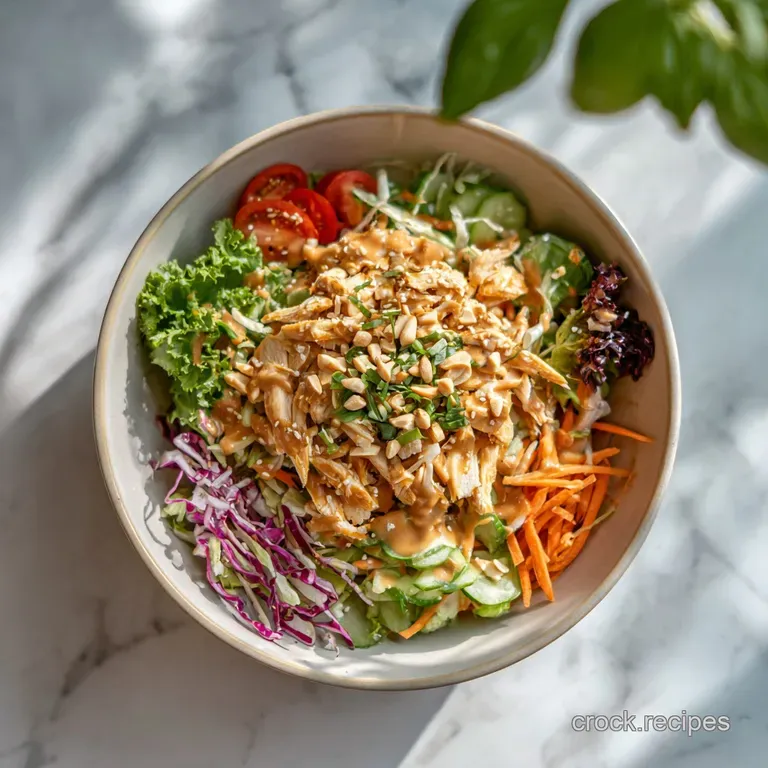
1. The Science of Cold Emulsification
In a medium bowl, whisk together the 0.5 cup peanut butter, 3 tbsp lime juice, 2 tbsp rice vinegar, 2 tbsp soy sauce, 1 tbsp honey, 1 tbsp grated ginger, and 2 cloves minced garlic. Slowly drizzle in the 2 tbsp warm water until the sauce is velvety and pourable.
2. Osmotic Balance for Maximum Crunch
Combine the 4 cups Napa cabbage, 2 cups red cabbage, julienned red pepper, and 1 cup matchstick carrots in your largest mixing bowl. Toss them together until the colors are vibrantly distributed.
Note: Mixing the vegetables before adding the dressing prevents "pockets" of unseasoned greens.
3. Aromatics vs. Powders
Heat the 1 tbsp avocado oil in a large skillet over medium high heat. Season the chicken strips with 0.5 tsp sea salt and 0.25 tsp cracked black pepper. Add the chicken to the pan until you hear a sharp, consistent sizzle.
4. Sear the Protein
Cook the chicken for 5 to 7 minutes, flipping once, until the edges are golden brown and the center is opaque. Remove from heat and let it rest on a clean plate for 3 minutes.
5. Build the Foundation
Fold the 3 sliced green onions, 0.5 cup chopped cilantro, and 0.25 cup torn mint leaves into the cabbage mixture. The herbs should be fragrant and bright.
6. The Final Assembly
Pour about three quarters of the peanut dressing over the vegetables. Use tongs to toss everything vigorously until every ribbon of cabbage is glossy.
7. Plating and Garnish
Top the salad with the warm chicken strips. Sprinkle the 0.5 cup crushed roasted peanuts and the 0.5 tsp red pepper flakes over the top until it looks like a global street food masterpiece.
8. The Finishing Touch
Drizzle the remaining dressing over the chicken and serve immediately while the contrast between the hot meat and cold vegetables is at its peak.
Fixing Texture and Flavor Errors
The Dressing Is Too Thick
If your peanut butter was particularly dry, the dressing might look more like a paste. This usually happens if the natural oils have separated in the jar. Don't panic and add more oil; that will just make it greasy.
| Problem | Root Cause | Solution |
|---|---|---|
| Clumpy Dressing | Cold ingredients or dry PB | Whisk in 1 tsp of warm water at a time until smooth. |
| Soggy Salad | Dressing added too early | Only toss the salad right before you plan to eat. |
| Too Salty | Over seasoned chicken | Add an extra squeeze of lime or a pinch more honey. |
The Salad Is Watery
Cabbage and peppers release water once they come into contact with salt. If you let the salad sit for two hours, you'll end up with a pool of liquid at the bottom. The fix is all in the timing keep the dressing in a jar and the veg in a bowl until the guests are literally sitting at the table.
Common Mistakes Checklist
- ✓ Pat the chicken strips completely dry to ensure a golden sear rather than a grey steam.
- ✓ Grate the ginger fresh; the stuff from a jar is often pickled in vinegar and will ruin the balance.
- ✓ Don't skip the mint it provides a cool counterpoint to the spicy red pepper flakes.
- ✓ Use unseasoned rice vinegar; "seasoned" versions have added sugar and salt that will throw off the recipe.
- ✓ Let the chicken rest before slicing or adding to the salad so the juices don't run out.
Creative Swaps for Every Palate
If you're looking to mix things up, this recipe is surprisingly flexible. You can swap the chicken for grilled shrimp or even firm tofu if you're going meatless. The key is to keep the protein to dressing ratio consistent so you don't overwhelm the delicate cabbage.
| Original Ingredient | Substitute | Why It Works |
|---|---|---|
| Peanut Butter (0.5 cup) | Almond Butter (0.5 cup) | Similar fat content. Note: Slightly heartier, less sweet flavor profile. |
| Honey (1 tbsp) | Maple Syrup (1 tbsp) | Liquid sweetener. Note: Makes the dish vegan friendly with a woody undertone. |
| Chicken Breast (1.5 lbs) | Shelled Edamame (2 cups) | High protein. Note: Changes texture to a consistent "pop" rather than a chew. |
If you want a Low Carb Swap, replace the honey with a Monk fruit sweetener and double the red bell peppers for extra volume without the carbs. For a Zesty Mango Twist, add 1 cup of julienned under ripe mango; the tartness plays beautifully with the peanut sauce.
| Method | Time | Texture | Best For |
|---|---|---|---|
| Stovetop Sear | 10 mins | Crispy, charred edges | Maximum flavor depth |
| Poached Chicken | 12 mins | Soft, velvety shreds | Meal prep longevity |
| air-fried | 8 mins | Uniformly firm | Hands off convenience |
Keeping Leftovers Vibrant and Fresh
Store the salad components separately if you can. The shredded cabbage mixture will stay crisp in an airtight container for up to 3 days. The peanut dressing is even heartier it'll keep in a mason jar for about a week.
If the dressing firms up in the fridge (which it will, thanks to the natural fats in the peanut butter), just microwave it for 10 seconds or let it sit on the counter for 15 minutes before whisking.
Don't freeze the dressed salad. Cabbage has a high water content, and once frozen, the cell walls shatter, leaving you with a mushy mess upon thawing. However, you can freeze the cooked chicken strips for up to 2 months.
For a zero waste tip: save the cabbage cores and cilantro stems to toss into your next homemade vegetable broth.
Serving Ideas for Special Occasions
This is a "wow" dish for a summer barbecue or a backyard birthday party. It's vibrant, global, and looks incredible on a large white platter. If you're hosting, I recommend setting up a "build your own" station.
Put the cabbage base in a massive bowl and have the warm chicken, crushed peanuts, and extra lime wedges in separate smaller dishes.
- If you want a party appetizer, serve the mixture inside butter lettuce cups for a handheld version.
- If you want a fuller meal, serve this over a bed of chilled rice noodles to soak up every drop of that sauce.
- If you want maximum crunch, add a handful of fried wonton strips or crispy shallots right before serving.
The beauty of this dish is its temperature contrast. Serving the chicken warm over the ice cold cabbage creates a sensory experience that feels much more expensive than it actually is. It’s a bold, irresistible meal that proves "salad" doesn't have to be a boring word.
Debunking Common Kitchen Myths
One big myth is that you need to use "light" peanut butter to make a healthy dressing. Honestly, don't even bother with the low-fat stuff. The healthy fats in natural peanut butter are what create the emulsion and keep you full.
The "light" versions usually just replace the fat with corn syrup and thickeners, which actually makes the dressing harder to whisk and cloyingly sweet.
Another misconception is that Napa cabbage and green cabbage are interchangeable. While you can use green cabbage, it’s much denser and tougher. Napa cabbage has those wonderful ruffled edges that trap the dressing, giving you a much more luxurious mouthfeel.
If you do use standard green cabbage, make sure to slice it paper thin and let it sit in the dressing for 10 minutes to soften slightly before serving.
High in Sodium
895 mg mg of sodium per serving (39% % of daily value)
The American Heart Association recommends limiting sodium intake to no more than 2,300mg per day for overall health.
Sodium Reduction Tips for Your Recipe
-
Reduce Added Salt-25%
Eliminate the 0.5 tsp of sea salt added to the chicken. You can enhance the flavor using other spices and herbs instead.
-
Unsalted Peanuts-20%
Use unsalted roasted peanuts instead of salted roasted peanuts. This will significantly decrease the sodium content without sacrificing the nutty flavor and texture.
-
Low Sodium Soy Sauce-15%
Ensure you are using a truly low-sodium soy sauce and consider reducing the amount to 1 tablespoon or substituting with a sodium free alternative like coconut aminos.
-
Dilute Peanut Butter-10%
Use unsalted peanut butter, and experiment with using more warm water to dilute it, reducing the amount needed while maintaining the desired consistency and flavor.
-
Spice It Up!
Boost flavor with sodium free spices and herbs! Experiment with increased amounts of cracked black pepper, red pepper flakes, fresh ginger, garlic, cilantro, and mint. This will distract from the missing salt.
Thai Chicken Salad Peanut Dressing FAQs
Is it necessary to use both cilantro and mint in the dressing?
No, but mint adds critical balance. While cilantro provides the essential earthy base, the mint cuts through the richness of the peanut butter, offering a necessary cooling contrast.
How to prevent the peanut dressing from becoming thick or seizing up in the fridge?
Whisk in warm water slowly during initial preparation. The warmth helps the nut fats emulsify properly with the acid, maintaining a pourable consistency longer, even when chilled.
How to achieve maximum crunch in the cabbage for make-ahead salads?
Store the dressing and vegetables completely separately. Tossing the salad immediately before serving ensures the Napa cabbage cell walls remain intact and avoid wilting from the dressing's acidity.
What protein should I use if I want to make this dish vegetarian?
Use firm tofu, pressed and pan-fried until golden brown. The cooking principle is the same: high heat creates a desirable crust that holds up well against the rich sauce, similar to the technique used in my Marry Me Chicken Meatballs recipe for searing protein.
Is it true that I must sear the chicken on high heat if I plan to eat the salad cold later?
No, this is a common misconception. Searing over high heat builds flavor depth and a superior texture that remains pleasant even when cooled, unlike poaching which results in a softer texture.
How to substitute the honey if I need a vegan friendly version?
Use maple syrup as a direct 1:1 replacement. Maple syrup provides the necessary liquid sweetness to balance the lime juice, though it will introduce a slightly deeper, woodier background note to the sauce.
What is the secret to getting that signature sweet and-sour balance in the dressing?
Use fresh lime juice and aim for a 2:1 ratio of sweet to acid. Achieving this perfect flavor interplay requires tasting often; if it’s too sharp, add honey, or if it's dull, add a few drops of rice vinegar.
Thai Chicken Salad Peanut Dressing
Ingredients:
Instructions:
Nutrition Facts:
| Calories | 664 kcal |
|---|---|
| Protein | 65.8 g |
| Fat | 34.2 g |
| Carbs | 21.4 g |
| Fiber | 6.8 g |
| Sugar | 11.2 g |
| Sodium | 895 mg |
