Japanese Breakfast: the Ichijū Sansai Method
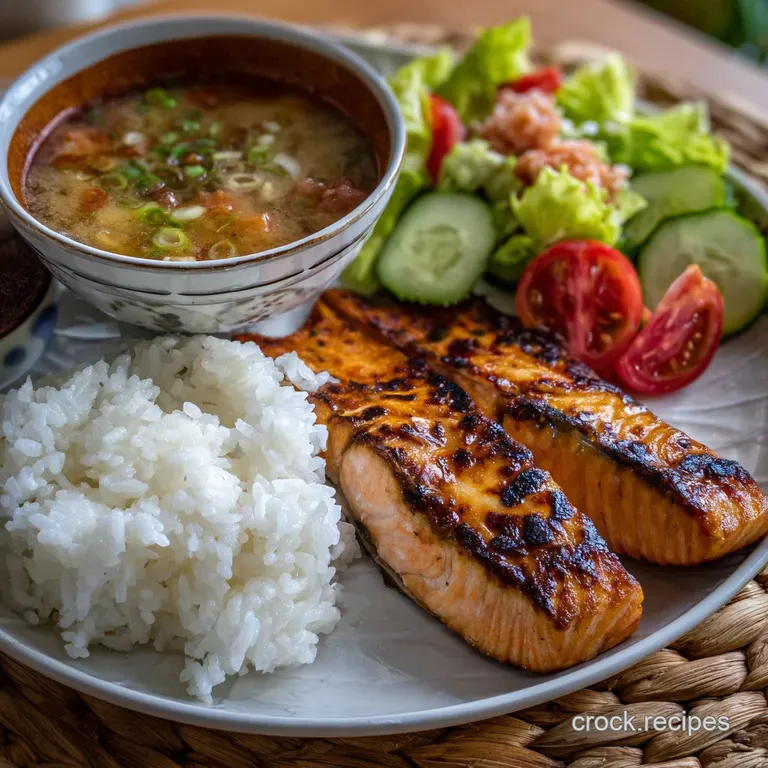
- Decoding Ichijū Sansai: The Ultimate Japanese Breakfast Tradition
- Flavor Science: Why This Balanced Set Works for Morning Fuel
- Essential Components & Ingredient Sourcing Guide
- Step-by-Step Assembly: Mastering the Morning Routine
- Troubleshooting and Achieving Pro-Level Results
- Preparing Ahead and Perfect Serving Pairings
- Recipe FAQs
- 📝 Recipe Card
Decoding Ichijū Sansai: The Ultimate Japanese Breakfast Tradition
The moment that steaming bowl of misoshiru hits the table, you know you’re about to have a good day. It’s the gentle, salty aroma mixing with the nutty perfume of freshly steamed rice that gets me every time.
This isn't just a meal; it’s a sensory experience that wakes up every cell in your body.
Forget the heavy, greasy breakfasts that leave you reaching for a nap by 10 AM. This traditional Japanese Breakfast is a powerhouse of clean energy fast, easy, and incredibly efficient if you meal prep correctly.
It’s naturally low in processed sugar and high in protein and healthy fats. It’s the ultimate food hack.
I’ve spent years trying to perfect the art of making a quick, complete, and authentic Japanese Breakfast (known as Ichijū Sansai ) at home. Now I’m sharing all the little tricks and timing secrets so you can skip my mistakes and get straight to the deliciousness.
This specific Japanese Breakfast recipe is the one that actually works on a weekday.
Flavor Science: Why This Balanced Set Works for Morning Fuel
What is Ichijū Sansai and Why It Matters
Ichijū Sansai translates literally to "one soup, three sides." It’s the philosophy that governs the structure of a proper Japanese meal. When you approach this traditional Japanese Breakfast , you realize it’s an exercise in balance and restraint, unlike our Western obsession with supersizing.
It provides light hydration, substantial protein, complex carbohydrates, and crucial acidic/fermented sides.
The Essential Components of a Balanced Morning Set
We're focusing on the foundational set: fluffy steamed rice ( gohan ), savoury miso soup ( misoshiru ), perfectly salted grilled salmon ( shiozake ), and the slightly sweet, rolled omelet ( tamagoyaki ).
This variety ensures you hit every macronutrient needed to power through the morning. Preparing this complete Japanese Breakfast is an exercise in culinary efficiency.
The Health Benefits of a Protein Rich Start
If you're still fueling your mornings with sugary cereals or sweet muffins, stop! Switching to a balanced, healthy Japanese Breakfast fundamentally stabilized my energy levels. Salmon is packed with omega-3s, and the eggs provide high-quality protein, giving you sustained energy.
Plus, the fermented miso paste supports gut health.
The Magic of Umami: Miso and Salmon Synergy
Umami that satisfying, deep savory quality is the backbone of Japanese cuisine. The salty exterior and flaky interior of the grilled salmon (Shiozake) create a perfect counterpoint to the deeply earthy, salty flavour of the miso soup.
This beautiful synergy defines what a truly great Japanese Breakfast tastes like.
Contrasting Textures: Fluffy Rice Meets Crispy Fish
Texture is key, always. The soft, almost sticky short grain rice contrasts beautifully with the crispy skin of the shiozake . The smooth, slightly gelatinous silken tofu in the soup is softened further by the layers of the tamagoyaki .
Every element of this authentic Japanese Breakfast plays a specific role.
Sweet, Salty, and Savoury: Achieving Taste Equilibrium
This meal is never boring because you're constantly refreshing your palate. We have the saltiness from the fish, the pure savoriness of the dashi based soup, and the subtle, addictive sweetness from the tamagoyaki .
It's this intentional layering of flavour profiles that makes the Japanese Breakfast so incredibly addictive and satisfying.
Essential Components & Ingredient Sourcing Guide
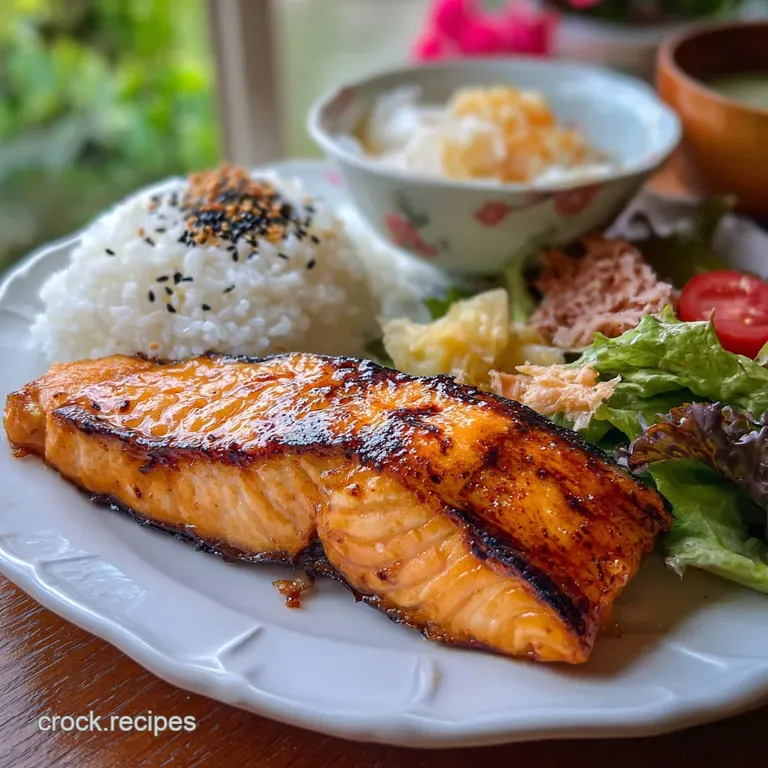
Selecting the Perfect Fillet for Shiozake (Grilled Salmon)
You want fillets that are about one inch thick. I prefer to leave the skin on because that crisp, crackling skin after grilling is non-negotiable for texture, making your Japanese Breakfast feel much more luxurious. Pat those fillets bone dry before salting; moisture is the enemy of crispiness.
| Ingredient | Why it Works | Quick Swap |
|---|---|---|
| Short Grain Rice | Sticky texture holds well with chopsticks. | Skip it and serve with sliced sweet potato if you must, but avoid long grain rice. |
| Dashi Stock | Provides fundamental Umami flavour base. | Quality low-sodium vegetable or fish broth. |
| Salmon Fillets | Quick cooking, rich source of Omega-3s. | Salt grilled Mackerel (Saba) or grilled, glazed Tofu. |
Understanding the Difference Between Miso Paste Varieties
The most accessible miso types are Shiro (white) and Aka (red). Shiro miso is fermented for a shorter time, giving it a milder, slightly sweet flavour this is ideal for the delicate nature of a morning soup in a traditional Japanese Breakfast .
Aka miso is much saltier and stronger; save that for intense winter stews.
Sweetening Agents for Tamagoyaki (Rolled Omelet)
Mirin (sweet rice wine) is the traditional component that gives tamagoyaki its signature glossy finish and subtle sweetness. If you can't source mirin, mix a tiny bit of white wine (like dry sherry) with a pinch of granulated sugar.
Do not just use sugar alone, as you will miss the depth that the fermented rice base provides.
Quick Swaps for Traditional Side Dishes
If you can't find dried wakame, try adding very thinly sliced Napa cabbage or spinach to the soup at the very end. For the silken tofu, if you’re in a rush, you could technically substitute it with small chunks of hard boiled egg white, but the soup's texture will be best with soft tofu.
Making this foundational Japanese Breakfast flexible is the key to daily success.
step-by-step Assembly: Mastering the Morning Routine
This whole process should feel like a perfectly choreographed dance. If you want a complete hot Japanese Breakfast on the table within 30 minutes, you must start the longest step first.
Phase 1: Preparing the Salmon and Steaming the Rice Base
First, wash that short grain rice. Wash it until the water is running almost clear this removes excess starch and ensures fluffy, not gluey, rice. Start the cooking process, either in a rice cooker or covered saucepan.
While that’s bubbling away, pat your salmon fillets dry and sprinkle them liberally with coarse salt. Let them rest for 15 minutes at room temperature. This resting period helps firm the protein and promises a better sear for your Japanese Breakfast protein.
Phase 2: Whisking and Rolling the Delicate Tamagoyaki
Whisk the eggs gently with dashi, mirin, soy sauce, and a pinch of salt. Don't over whisk! We aren't making fluffy scrambled eggs. Now, the chef's secret: pass the liquid through a fine mesh sieve. This removes any stringy bits and makes the rolling process silky smooth.
Rolling the omelet is the most delicate part of preparing your Japanese Breakfast set.
Phase 3: Crafting the Savoury Misoshiru (Miso Soup)
Bring your high-quality dashi to a light simmer. Add the cubed silken tofu and the rehydrated, drained wakame. Let them cook just until the wakame fully unfurls. Now, turn the heat off .
Ladle out some hot dashi into a small bowl, whisk in your miso paste until it’s fully dissolved, and pour the smooth mixture back into the main pot. Never, ever boil miso after the paste is added, or you kill the delicate flavour and good bacteria.
The Final Plating: Achieving Authentic Presentation
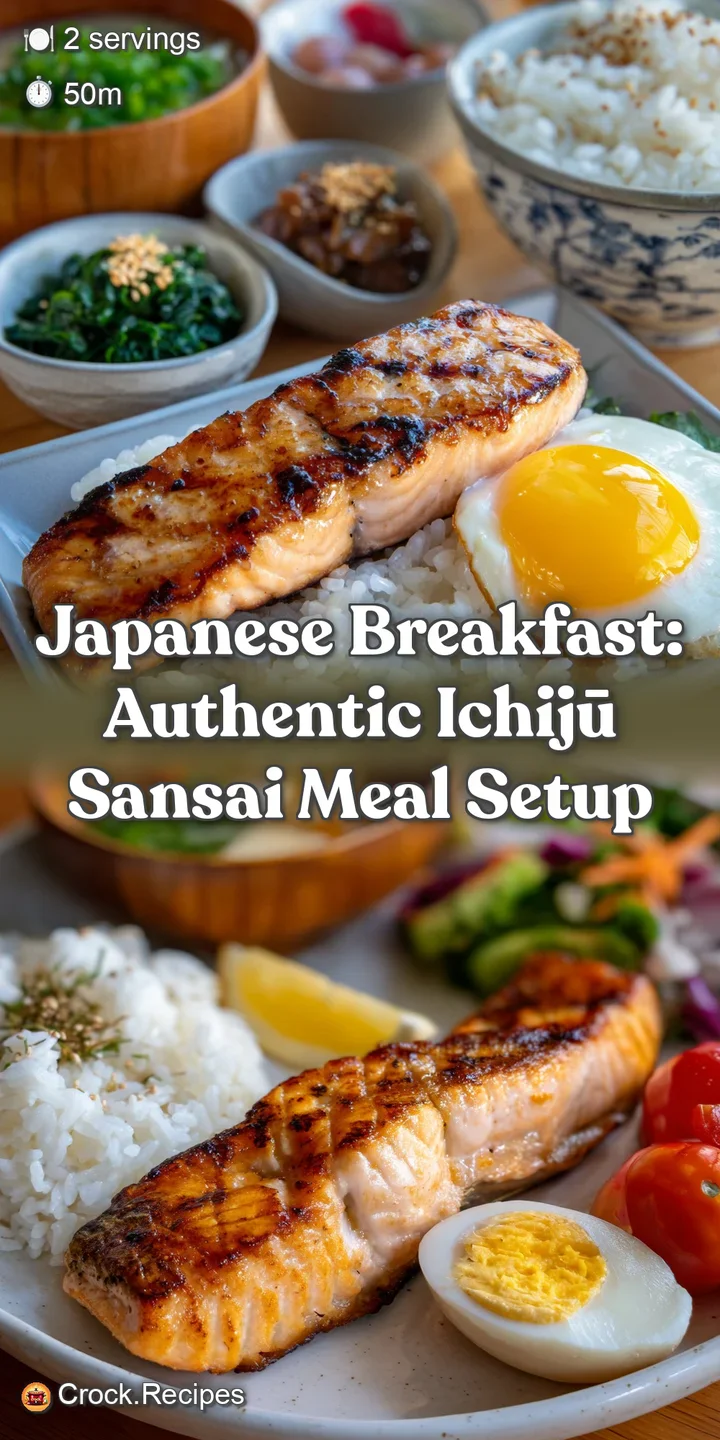
The presentation is part of the tradition of this beautiful Japanese Breakfast . Serve each element in its own dedicated dish a medium bowl for the rice, a deep, slightly smaller bowl for the soup (garnished with spring onion), and flat plates for the sliced tamagoyaki and the glistening shiozake .
It should look beautiful, clean, and inviting. This visual element makes the whole Japanese Breakfast experience complete.
Troubleshooting and Achieving Pro-Level Results
Common Mistakes When Grilling Shiozake
The single biggest mistake people make with the salmon (or any fish in this style of Japanese Breakfast ) is pan placement and heat. If you put cold, wet fish onto a lukewarm pan, it sticks immediately and tears when you flip it.
Use medium high heat, a generous brush of oil, and place the fish skin side down first. You must hear the immediate, aggressive sizzle.
How to Get a Perfectly Layered Tamagoyaki
The goal is thin layers that fuse together. If your pan is too hot, the layers will brown and break when you try to roll them. Keep the heat low. Once the first layer is rolled into a tight log, brush the empty pan space with a little oil, and pour the next layer under the log.
Gently roll the existing log over the new batter. Practice makes perfect, but consistent low heat is the true secret to this element of the Japanese Breakfast .
Timing Your Components for a Hot Serve
Since the rice takes 20+ minutes (including resting), it starts first. While it rests ( 10 minutes covered), you have ample time to grill the salmon (6- 8 minutes), cook the tamagoyaki (5- 7 minutes), and make the miso soup ( 5 minutes).
This tight timeline ensures that every component of your delicious Japanese Breakfast hits the table warm.
Preparing Ahead and Perfect Serving Pairings
Storage Life for Cooked Rice and Salmon
The cooked salmon and tamagoyaki can be stored in the fridge for up to 3 days. The rice, however, must be handled carefully due to bacteria risks. Store the cooked rice quickly in the fridge, and use it within 2 days. Reheating the rice with a splash of water and a damp paper towel in the microwave works wonders to restore moisture. If I'm preparing a different kind of batch breakfast, sometimes I turn to my Sour Cream Pancakes: Chefs Secret to Extra Fluffy Breakfast too, but nothing beats this traditional set.
Freezing Guidelines for Misoshiru and Leftovers
You can prep your misoshiru base ahead of time, but never freeze the whole thing. Freeze the plain dashi stock, and it will last for months. When you want quick soup, thaw the dashi, bring it to a simmer, and then add fresh miso and tofu.
Freezing miso paste integrated into liquid changes its texture dramatically. This simple prep hack ensures you can have a complete Japanese Breakfast on the fly.
Elevating the Dish: Suggested Pickles and Condiments
Do not skip the pickles ( Tsukemono )! They are the crucial acidic counterpoint that balances the entire Japanese Breakfast set. A small pile of pink pickled ginger ( gari ) or pickled daikon ( takuan ) provides the necessary crunch and tartness to cut through the richness of the shiozake and the sweetness of the tamagoyaki .
It completely finishes the whole flavour profile. Adding a sprinkle of roasted nori seaweed or a dash of shichimi togarashi over the fish are also great Japanese Breakfast ideas.
Recipe FAQs
Can I prepare any components of the Ichijū Sansai ahead of time?
Yes, the Tamagoyaki (rolled omelet) can be made a day in advance and stored tightly wrapped in the refrigerator. The Miso soup broth (dashi) can also be prepared and kept refrigerated, but it is best to stir the miso paste in right before serving to preserve its flavor and beneficial enzymes.
Why is my grilled salmon (Shiozake) drying out or sticking to the pan?
Dryness usually occurs from overcooking or cooking too slowly; ensure your grill or pan is properly oiled and very hot before introducing the fish. To prevent sticking, cook skin side down first to crisp the skin, and flip only once after a robust crust has formed.
How can I adapt this traditional breakfast to be fully vegan?
Replace the grilled salmon with grilled, marinated firm tofu or a substantial vegetable simmer. For the Miso soup, ensure you use pure kombu dashi (seaweed stock) instead of dashi made with bonito flakes, and substitute the Tamagoyaki with savory pickles (tsukemono) or seasoned greens.
My steamed rice (Gohan) comes out mushy or sticky. What went wrong?
The main causes are improper rinsing or disturbing the rice too early after cooking. Always rinse the rice thoroughly until the water runs completely clear, and crucially, allow the rice to steam undisturbed with the lid on for at least 10 15 minutes after the heat is turned off.
What is the correct traditional arrangement for serving the components?
In the traditional arrangement, the rice bowl is positioned on the left and the miso soup bowl is placed on the right, closest to the diner. The main dish (like the salmon) is centered toward the back of the tray, with smaller sides like pickles and nori arranged neatly around it.
I only have light (Shiro) miso. Can I still use it for the Misoshiru?
Yes, Shiro (white) miso is actually very commonly used for breakfast as it is milder and has a sweeter, less intense flavor than dark Aka miso. If you use Shiro miso, you might need to add a slightly larger quantity of paste to reach your preferred depth of savory flavor.
Traditional Japanese Breakfast Guide
Ingredients:
Instructions:
Nutrition Facts:
| Calories | 501 kcal |
|---|---|
| Protein | 32.2 g |
| Fat | 12.4 g |
| Carbs | 55.6 g |
