Greek Lemon Chicken: One-Pan Perfection
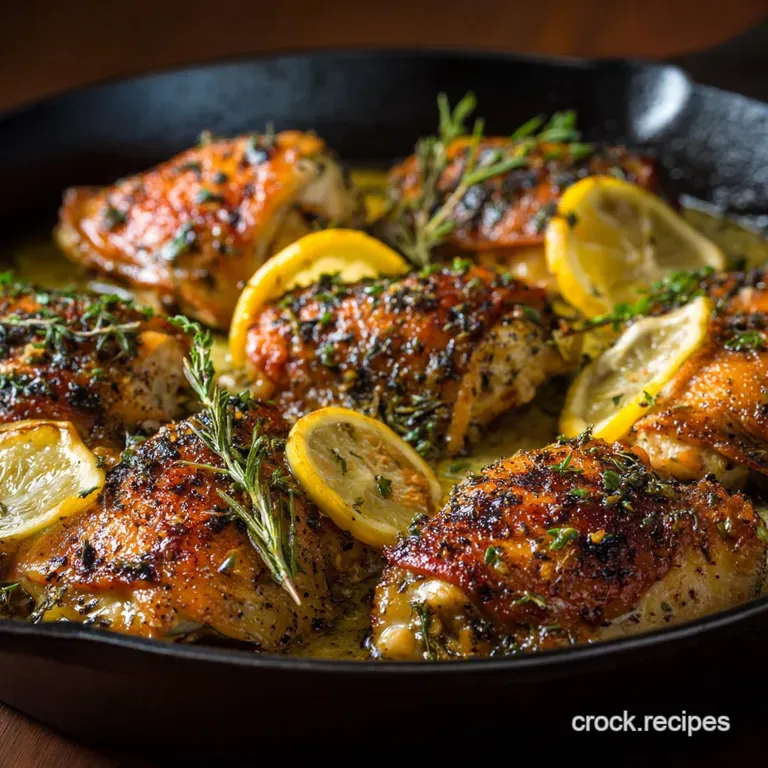
- Kotópoulo Lemonáto: The Definitive Greek Lemon Chicken Experience
- Mastering the Flavour Science of Kotópoulo
- Essential Ingredients and Expert Substitutions
- How to Achieve That Signature Caramelised Pan Sauce
- Pro Tips for Crispier Skin and Juicier Results
- Traditional Greek Pairings for Your Feast
- Practical Guide to Storing and Reheating Leftovers
- Recipe FAQs
- 📝 Recipe Card
Kotópoulo Lemonáto: The Definitive Greek Lemon Chicken Experience
That aroma? Fresh lemon, savory oregano, and roasting fat mingling together in the heat. When that scent hits the air, you know you’re about to eat something truly special. This Greek Lemon Chicken (Kotópoulo Lemonáto) is pure Mediterranean magic, and honestly, it’s my go-to recipe for guests because it smells like I tried way harder than I actually did.
Seriously, this recipe is a lifesaver for busy weeknights. It’s cheap, incredibly easy to pull together, and uses mostly simple pantry staples. It feels like a hearty, celebratory Sunday dinner but requires maybe 20 minutes of real hands-on prep time.
You just mix it, roast it, and boom, dinner is served.
I’ve tested this particular Greek Lemon Chicken recipe hundreds of times, tweaking the acid and fat ratios until it was absolutely perfect. Forget dry poultry and watery pan sauce; this method shows exactly how we achieve moist meat and caramelised, one-pan perfection.
Let's crack on and get this brilliant dinner sorted out.
Mastering the Flavour Science of Kotópoulo
If you want amazing food, you have to understand the why behind the what . This isn't just a basic traybake. The success of classic Greek Lemon Chicken relies on a delicate balance of fat, acid, and starch, all cooking in the same environment.
We’re aiming for crispy skin, tender, fluffy potatoes, and a thick, rich sauce that sticks to everything. It’s scientific, but in a totally delicious way.
The History and Cultural Significance of Kotópoulo Lemonáto
Kotópoulo Lemonáto is the ultimate expression of Greek home cooking, pure comfort food found on tables from Athens to the smallest island taverna. It translates simply to "chicken with lemon." The beauty of this dish is its simplicity; it proves that truly stunning flavor doesn't need a thousand ingredients.
Every family has their own twist, but the core is always robust olive oil and bright lemon. This traditional flavor profile is exactly what makes the authentic Greek Lemon Chicken so deeply satisfying.
What Makes This Recipe Truly One-Pan Perfection
This isn't one of those recipes where the potatoes end up soggy and the skin is floppy. We layer the ingredients strategically so the chicken juices and fat continuously baste the potatoes below. The potatoes, in turn, release starch into the pan, naturally thickening the highly acidic lemon oregano marinade. This process results in a caramelised, deeply savory, and tangy sauce the signature of a perfect Greek Lemon Chicken . If you usually rely on slow cookers, this method is a great change of pace, although if you prefer minimal effort for company, you might enjoy my recipe for Main Dishes: Elegant Slow Braised Chicken for Easy Company Dinner .
Necessary Equipment Check: Roasting Pans and Thermometers
Honestly, you don't need fancy gear for incredible Greek Lemon Chicken , but a sturdy 9x13 inch roasting pan is non-negotiable. If your pan is too small, you'll overcrowd the ingredients, and overcrowding means steam, not crispness.
Also, I absolutely preach the gospel of the instant read meat thermometer. There is no guesswork involved in properly cooked bone-in poultry when you have one. You pull the tray the second the deepest part of the thigh hits 165°F (74°C).
The Acid/Fat Ratio: Why Fresh Lemon Juice is Key
The marinade for Greek Lemon Chicken must be aggressive. We use a high ratio of fresh lemon juice to quality olive oil. The acid works hard, tenderizing the outer layer of the meat while injecting that signature bright flavor.
Warning: Never use bottled lemon juice here; it tastes flat and lacks the aromatic oils present in freshly squeezed juice. That brightness is crucial for cutting through the richness of the dark meat and the oil.
Oregano and Olive Oil: Building the Umami Base
We rely heavily on high-quality Extra Virgin Olive Oil (EVOO). Don’t use your cheapest oil here; the flavour profile of the EVOO shines right through. Paired with robust dried Greek oregano which is far more pungent than the standard supermarket variety you build a foundation of deep, earthy, Mediterranean umami.
This is the simple secret behind why great Greek Lemon Chicken tastes so complex.
Achieving Maximum Crispness and Caramelisation
The key to crisp skin is dryness and high heat exposure. We start this Greek Lemon Chicken recipe at a very hot temperature (425°F/220°C) to shock the skin and render the fat quickly. Crucially, we add the liquid after the initial crisping phase and reduce the heat.
This allows the potatoes to finish cooking without steaming the skin, resulting in wonderfully caramelised edges.
Essential Ingredients and Expert Substitutions
The beauty of this simple Greek Lemon Chicken recipe is that every ingredient plays a starring role. There are very few places to hide, so starting with quality components is vital.
| Ingredient | Role in the Dish | Viable Substitution |
|---|---|---|
| Bone-In Chicken | Flavour, texture, fat rendering | Boneless, skinless thighs (reduce cook time) |
| Yukon Gold Potatoes | Starch and texture | Sweet potatoes or thick carrot chunks |
| Fresh Lemon Juice | Acid, bright flavour | Lime juice (will alter flavour profile slightly) |
| Dried Greek Oregano | Essential aromatic base | Dried Thyme + Marjoram mix |
| Extra Virgin Olive Oil | Fat, binder, flavor | A quality avocado oil (neutral flavor) |
Selecting the Best Bone-In Pieces for Roasting
I highly, highly recommend using bone-in, skin-on chicken thighs and drumsticks for this Greek Lemon Chicken . The bone insulates the meat, ensuring juiciness, and the dark meat stands up beautifully to the high acid of the lemon marinade.
If you must use breasts, I won't stop you, but you need to remember they cook much faster and dry out easily. Use a thermometer and pull them at 160°F (71°C) to account for carryover cooking.
Choosing the Right Olive Oil and Dried Oregano
As I mentioned, EVOO matters here. Since we use half a cup, the flavor is prominent in the sauce. Go for a rich, slightly peppery oil. As for the oregano, if you can find the Greek variety (often labeled as "wild oregano"), grab it. It packs a massive punch.
If you absolutely can’t find it, use a tiny bit more of the standard variety, but don’t overdo it.
Preparing the Lemon and Potato Components
It’s tempting to cut your potatoes too small, especially if you’re hungry, but resist! Cut them into thick, even wedges, about one inch thick. This prevents them from turning into mush during the long roast and ensures they release enough starch to thicken the final sauce for the Greek Lemon Chicken .
When preparing the lemon, make sure you zest a little bit into the marinade before juicing it for an extra aromatic kick.
Measurement Conversion (US Standard vs. Metric)
I’ve included both measurements above because consistency is key, especially with the marinade. When dealing with the acid and fat ratios required for excellent Greek Lemon Chicken , using a proper set of measuring spoons and cups is essential.
Don't eyeball the salt; use the specified measurement, particularly Kosher salt, which is less dense than fine table salt.
How to Achieve That Signature Caramelised Pan Sauce

This is the glorious finish that separates the average tray bake from sublime Greek Lemon Chicken . The magic happens when the temperature drops and we add that cold liquid. Adding cold water or stock causes the temperature of the tray to momentarily drop.
Then, as the liquid heats back up, it grabs all those incredibly flavorful browned bits (the fond ) stuck to the bottom of the pan. The starch released by the potatoes stabilizes this liquid, creating a thick, tangy, deeply savoury lemon sauce.
Chef's Note: The cold liquid step is non-negotiable. Don't add warm stock! The cold temperature helps shock the fond loose from the pan, maximizing flavor pickup for the sauce of your Greek Lemon Chicken and potatoes.
Pro Tips for Crispier Skin and Juicier Results
Step 1: Preparing the Simple Marinade and Seasoning
The most common mistake people make is not fully coating the potatoes. Remember, the potatoes are the unsung hero of this Greek Lemon Chicken . They need seasoning just as much as the poultry does.
Once you’ve mixed the olive oil, lemon juice, garlic, and herbs, split the mixture exactly as instructed. I prefer to use a large Ziploc bag for marinating the poultry; it ensures every single crevice is coated in that powerful Greek Lemon Chicken marinade.
Step 2: Arranging the Tray for Maximum Roasting Surface
We aren't creating a casserole here; we are roasting. This means everything needs space. Lay the potatoes down first. Then, arrange the poultry on top of the potatoes. Yes, on top! This allows the fat and juices to drip directly onto the spuds, seasoning and basting them constantly.
If you crowd the tray, you’ll steam the pieces that are touching, preventing that satisfying crispness we want in every bite of our Greek Lemon Chicken .
Step 3: over High heat Roasting and the Critical Basting Technique
Start high and finish moderate. This ensures the skin crisps up quickly. The critical moment comes halfway through, when you reduce the heat and add the stock. At this point, gently turn the potatoes over so they can absorb some of that fresh liquid and get nicely coated in the pan juices.
We don't need to baste the poultry constantly, but turning the potatoes ensures even caramelisation and maximizes the sauce making potential for the ultimate Greek Lemon Chicken .
Step 4: Resting the Meal and Finishing the Pan Sauce
Please, please, please rest the poultry. If you slice into it right away, all the precious juice will run out onto your cutting board, leaving the meat dry. Tent the pieces loosely with foil while you focus on the sauce. Then, as directed, scrape the bottom of the pan vigorously. Those dark, stuck-on bits are pure flavor. This final step is what turns a watery liquid into that rich, glistening sauce perfect for drenching your Greek Lemon Chicken and potatoes. If you're looking for another brilliantly saucy dish, my recipe for Creamy Chicken Breast in Spinach Parmesan Sauce Ready in 35 Mins uses a very different technique but achieves similar saucy success.
The Mistake of Under Seasoning the Potatoes
I made this mistake once when I was rushing and only seasoned the meat. Big mistake! The potatoes ended up bland, and the dish fell flat. Remember, potatoes absorb a lot of salt and flavor.
They need that upfront toss in the marinade and they also need generous salt and pepper before they even go into the oven. Proper seasoning makes all the difference when creating the best Greek Lemon Chicken experience.
Why Overcrowding the Pan Kills the Crisp
If the edges of the poultry pieces or the potato wedges are touching too closely, they release steam instead of crisping up. You want the hot air of the oven to circulate fully around every surface. If you are cooking for a crowd and doubling the recipe, you must use two separate roasting trays.
If you try to cram ten pieces into one 9x13 pan, I promise you will end up with disappointingly soggy Greek Lemon Chicken . Trust me on this one; space is your friend.
Traditional Greek Pairings for Your Feast
This Greek Lemon Chicken is a complete meal in itself, thanks to the potatoes, but truly rounding out the Mediterranean experience calls for a few classic sides.
Recommended Side Salads (Beyond the Tray)
The best pairing is a simple Horiatiki Salad that rustic Greek salad with big chunks of tomato, cucumber, red onion, and Kalamata olives. Don't shred the lettuce; Horiatiki is lettuce free. A simple drizzle of quality olive oil and a splash of red wine vinegar are all you need.
The freshness and acidity contrast beautifully with the richness of the Greek Lemon Chicken and pan sauce. For something lighter, a simple bowl of warm, crusty bread is mandatory for soaking up the sauce.
Complementary Wine and Beverage Suggestions
Because of the high acidity of the lemon in the Greek Lemon Chicken , you want a dry white wine with high acidity to match, otherwise, the wine will taste flabby.
- Wine: Try a crisp Greek Assyrtiko or a dry Sauvignon Blanc. They both have the necessary citrus notes and structure to complement the dish perfectly.
- Non-Alcoholic: Sparkling water with fresh lemon slices or maybe some traditional Greek coffee after the meal. If you have any leftover lemon, you could even bake a loaf of my Baking with Coconut Flour: The Ultimate Moist Lemon Raspberry Loaf for dessert!
Practical Guide to Storing and Reheating Leftovers
When you put this much effort into creating a perfect Greek Lemon Chicken , you want the leftovers to be just as enjoyable. Fortunately, this dish stores and reheats wonderfully, often tasting even better the next day once the flavors have fully melded.
Safely Refrigerating the Leftover Dish
Store the leftover Greek Lemon Chicken and potatoes together in an airtight container. Make sure you include all of the pan sauce, as that liquid will help keep the pieces moist during reheating. It can be safely stored in the refrigerator for up to 3 4 days.
If you happen to be batch cooking large amounts, you can also freeze the fully cooked pieces, but the potatoes will likely become slightly mushy upon thawing.
The Best Way to Reheat Without Drying Out
Never use the microwave to reheat your Greek Lemon Chicken ! It turns the skin rubbery and dries out the meat instantly.
- Oven Method (Best): Preheat your oven to 325°F (160°C). Place the leftover pieces and potatoes in an oven safe dish, drizzling any remaining pan sauce over them. Cover the dish tightly with foil. This traps the moisture and reheats the meal gently without drying out the bone-in pieces. Bake for 15– 20 minutes until heated through.
- Air Fryer Method (Fastest): If you only have a piece or two, the air fryer works well for crisping the skin back up. Reheat at 350°F (175°C) for 5– 7 minutes.
This ultimate Greek Lemon Chicken recipe delivers on flavour, texture, and ease. Give it a go, and let me know how much you love that incredible, thick pan sauce! Happy cooking, my friend!

Recipe FAQs
Why did my chicken turn out dry, even though I used bone-in pieces?
Bone-in chicken is usually very forgiving, but dryness often results from overcooking or insufficient resting time. Ensure your internal temperature reaches exactly 165°F (74°C) in the thickest part of the thigh, not the breast, and allow the meat to rest, tented loosely, for 10 minutes post roast.
Additionally, be sure to baste the chicken with the pan juices halfway through roasting to lock in moisture.
Can I use boneless chicken breasts or thighs instead of bone-in pieces?
Yes, but you must adjust the cooking time significantly. Boneless breasts will cook 15 20 minutes faster than bone-in pieces, which risks dryness if paired with potatoes that require 45 60 minutes.
If using boneless cuts, slice the potatoes thinner (about 1 inch thick) so they finish cooking simultaneously with the faster cooking meat.
How do I achieve the lovely caramelization mentioned, instead of just a pale sauce?
True caramelization and reduction happen when the liquid is allowed to reduce and concentrate its sugars. Ensure you are using a sturdy roasting pan and, crucially, do not overcrowd it, as overcrowding causes the chicken and potatoes to steam rather than roast and brown.
If your pan seems full, use two smaller pans instead.
Is it okay to marinate the chicken longer than 2 hours in the lemon juice?
We recommend limiting the marinade time to a maximum of 3 hours. Prolonged exposure to acidic lemon juice (over 4 hours) can actually cause the protein to denature too much, resulting in a tougher or stringy texture when cooked. For maximum tenderness, 1 to 2 hours is ideal, or simply season and roast immediately.
My potatoes were undercooked or mushy. What went wrong?
If potatoes are undercooked, they were likely cut too large (aim for even 1-2 inch wedges). Mushy potatoes usually mean they were cut too small or were completely submerged in the liquid during the entire cooking period.
Ensure the potatoes are mixed well with the oil and placed directly on the hot pan to roast properly.
How should I store leftover Greek Lemon Chicken, and can I freeze it?
Store leftovers in an airtight container in the refrigerator for up to 3 days. While the chicken freezes well, the potatoes may become grainy upon thawing due to their high water content; therefore, we don't recommend freezing the full meal.
Reheat leftovers gently in a 300°F (150°C) oven covered with foil to prevent the chicken from drying out.
Can I add olives or feta cheese to this recipe?
Yes, adding pitted Kalamata olives is a delicious way to enhance the classic Mediterranean profile; add them during the last 20 minutes of roasting so they don't dry out. If you wish to use feta, crumble it over the finished dish as a garnish, as dairy tends to curdle when cooked at high heat in acidic pan juices.
Ultimate Greek Lemon Chicken

Ingredients:
Instructions:
Nutrition Facts:
| Calories | 620 calories |
|---|---|
| Fat | 38 g |
| Fiber | 4 g |
