Lemon Bundt Cake: the Ultimate Recipe for a Zingy, Sour Cream Drizzle Cake
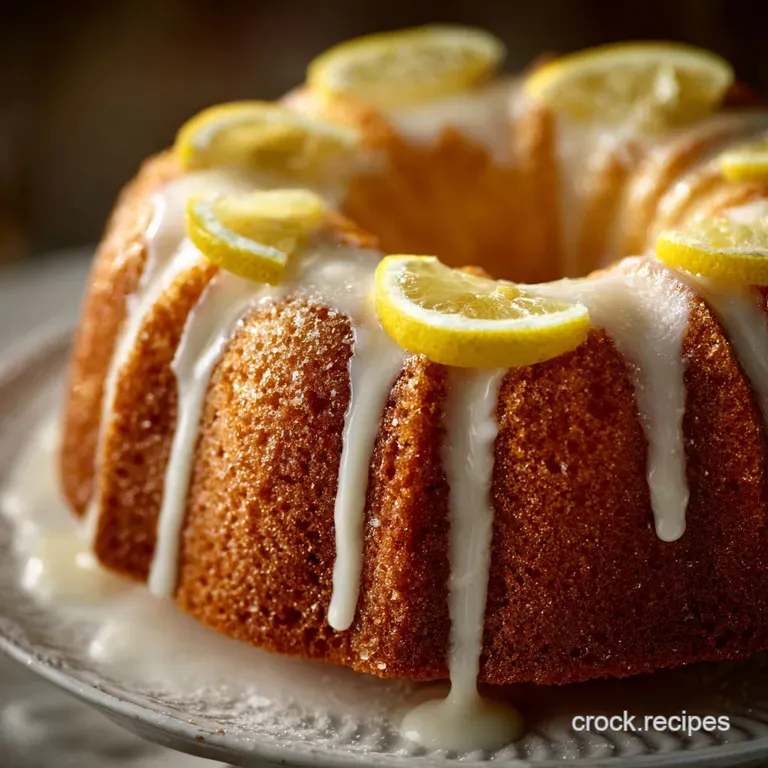
- The Ultimate Lemon Bundt Cake: A Centerpiece of Citrus Perfection
- The Science of Supreme Moisture: Why This Lemon Cake Won't Dry Out
- Essential Ingredients for the Perfect Lemon Bundt Cake
- Necessary Tools and Preparation Checklist
- Baking Your Bundt: Step-by-Step Method for Success
- Pro Baker Secrets: Mastering the Bundt Release and Glaze
- Preservation Guide: Storing Your Perfect Lemon Bundt Cake
- Perfect Pairings: Elevating Your Lemon Bundt Experience
- Recipe FAQs
- 📝 Recipe Card
The Ultimate Lemon Bundt Cake: A Centerpiece of Citrus Perfection
The smell alone is a hug. Seriously, when this lemon bundt cake comes out of the oven, that intense, bright citrus aroma fills every corner of the house and instantly elevates your mood. The texture?
It’s pure velvet , intensely moist thanks to a triple whammy of sour cream, butter, and that famous lemon drizzle soak.
You might think a gorgeous Bundt cake is reserved for professional bakers or fancy parties, but you’d be dead wrong. This recipe is fundamentally simple and shockingly easy to master once you know the core tricks.
It uses common pantry staples and is cheap to pull together, making it my go-to "show off" dessert when I need something fast. It’s a total lifesaver for last minute gatherings.
So many lemon cakes end up tasting like dry, dusty sponges, but we are fixing that today. I have tweaked and tested this method until it’s virtually foolproof, guaranteeing you a stunning, tender crumb every single time. Let's crack on and bake the best Lemon Bundt Cake you will ever eat, promise.
The Science of Supreme Moisture: Why This Lemon Cake Won't Dry Out
The key to preventing cake dryness isn't magic; it’s strategy. We are layering moisture, ensuring every ingredient contributes to the final plush texture. This isn’t a quick dump and stir cake, but the few extra minutes spent prepping are absolutely worth the results.
The 'Soak' Method: Achieving Intense Lemon Flavor and Moisture
This is the secret weapon, truly. The moment the cake leaves the heat, its internal temperature starts to drop, but it’s still steaming hot and ready to absorb liquid. We immediately poke holes and drench it with warm lemon syrup.
The hot syrup sinks deep into the crumb , creating a barrier that locks moisture inside as the cake cools, resulting in that incredible, zesty density.
Addressing the Common Dry Cake Dilemma
Most dry cakes suffer from two fatal flaws: over baking or low-fat content. We use both a high ratio of butter and full fat sour cream to ensure richness. The sour cream not only adds fat but also acidity, which helps tenderize the gluten strands in the flour.
What Makes the Bundt Pan Superior for Baking
A Bundt pan isn't just for looks; it's a structural genius. Because the center is hollow, heat can reach the middle of the batter quickly, meaning the entire cake bakes evenly. No more raw centers!
This geometry prevents the edges from drying out while you wait for the deep, thick center to finish.
The Role of Sour Cream and Buttermilk in Tender Crumb Development
Sour cream is crucial here. It’s full of fat and has a lovely tang that complements the lemon perfectly. The high acidity also slightly inhibits gluten development, keeping the texture plush and tight. Trust me , skipping the full fat dairy makes a huge difference in the final product.
Understanding the Creaming Method for Maximum Aeration
The creaming method (beating softened butter and sugar together) incorporates tiny air bubbles that expand during baking. You need patience here. Beat for a full five to seven minutes until the mixture is visibly pale yellow and incredibly fluffy.
That trapped air is what gives the cake lift and lightness, counteracting the heaviness of the sour cream.
The Dual Zest Infusion Technique
We want lemon flavor hitting you from all angles. I use two methods: first, I rub the zest into the sugar before creaming, which releases the essential oils beautifully. Second, I add the remaining zest right before the final mix, giving a fresh, vibrant burst that won't cook out in the oven.
Essential Ingredients for the Perfect Lemon Bundt Cake
Baking is chemistry, so measuring accurately is mandatory, especially for the flour. Use fresh, high-quality ingredients, particularly the lemons. Avoid those sad, shriveled lemons from the back of the fridge.
| Ingredient | The Best Practice | Quick Substitute (The Backup Plan) |
|---|---|---|
| All-Purpose Flour | Weighed (360g) | Good quality 1:1 gluten-free blend |
| Unsalted Butter | Softened, Room Temp | high-quality plant based baking sticks |
| Sour Cream | Full Fat, Room Temp | Greek Yogurt or Buttermilk (adjust liquid slightly) |
| Fresh Lemon Juice | Freshly squeezed, always | Bottled concentrate (use half the amount) |
| Eggs | Room Temperature Large | Chia or flax egg replacer for vegan needs |
Necessary Tools and Preparation Checklist
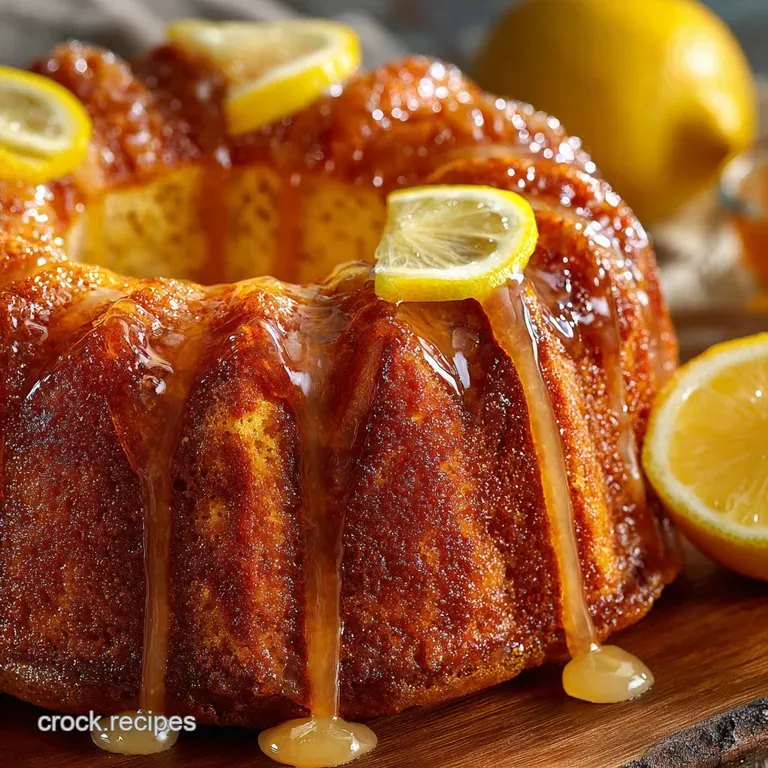
Zest vs. Juice: Extracting Maximum Citrus Oil
Always, always use a microplane zester. It gently shaves off only the yellow part of the skin, leaving the bitter white pith behind. Zest first, before slicing the lemon, or you’ll have a wet, slippery mess.
Choosing the Right Fat: Butter Temperature Explained
Your butter should be soft enough to leave a dent if you poke it, but not so soft that it looks greasy or melted. If it's too cold, the air pockets won't form properly during creaming; if it’s melted, the cake will be dense and flat.
Expert Notes on Flour Type and Gluten Control
We use standard all-purpose flour here, but do not overmix it. The moment you add the flour, start mixing slowly. Stop the mixer as soon as you see no dry streaks remaining in the batter. Overmixing creates too much gluten, leading to a tough, dry cake.
Dairy Alternatives for a Moist Crumb (Vegan Swaps)
If you need a dairy-free option, use full fat coconut yogurt or a plant based sour cream. They mimic the fat content well, and the slight acidity is still useful for tenderizing the cake. If you’re looking for other ways to get that lemon fix, check out my quick Keto Lemon Blueberry Mug Cake: The 5 Minute Zesty Single Serving Fix .
A Truly Nonstick Pan: The Best Way to Grease a Bundt Pan
A great Bundt cake can be ruined in the last minute by sticking. My secret weapon is melted shortening or softened butter applied with a pastry brush, ensuring you get into every nook and cranny. Then, dust the pan generously with flour or a small amount of granulated sugar. Tap out all the excess.
Measuring Spoons and Precision Scales
I strongly recommend using a kitchen scale for the flour (360 grams is the goal). If you scoop flour with a measuring cup, you compress it, often adding 25% too much. Too much flour means guaranteed dryness. Get a scale. Seriously.
Baking Your Bundt: step-by-step Method for Success
Preparing the Batter: Avoiding Overmixing the Dry Ingredients
- Prep Time: Preheat your oven to 350°F (175°C). Prepare your pan using the butter/flour method described above. Whisk together the sifted flour, baking powder, and salt.
- Creaming: In your stand mixer, beat the softened butter, sugar, and the four tablespoons of lemon zest on medium high speed for 5– 7 minutes until very pale and fluffy. This step is critical for air incorporation.
- Eggs: Add the four eggs one at a time, beating for 30 seconds after each addition. Scrape the sides down frequently. Mix in the vanilla.
- Alternating: Reduce the speed to low. Add one-third of the dry mixture, then half of the sour cream and half of the lemon juice. Repeat until all ingredients are incorporated. Mix only until just combined.
The Critical Baking Phase: Achieving an Evenly Golden Crown
Pour the batter into the prepared Bundt pan and tap it sharply on the counter a few times to settle the batter and release air pockets. Bake for 50– 60 minutes. The cake should be beautifully golden brown and pull slightly away from the edges of the pan.
Chef's Note: If you notice your cake browning too quickly on top before the center is done, loosely tent it with aluminum foil for the last 15 minutes of baking.
Creating the Intense Lemon Drizzle Soak
While the cake bakes, combine the syrup ingredients (sugar, water, and lemon juice) in a small saucepan and heat until the sugar dissolves. Keep this syrup warm until the cake comes out. Immediately poke deep, thorough holes all over the top surface (the future bottom) of the hot cake using a skewer.
Pour the warm syrup over the hot cake slowly, allowing it to soak in fully.
Cooling and Releasing the Cake Without Cracking
Allow the cake to cool in the pan for exactly 15– 20 minutes. This is crucial cooling time. If you try to release it sooner, the cake is too fragile. If you wait longer, the sugar in the soak will stick like glue. After 20 minutes, invert the cake onto a wire rack.
Let it cool completely before glazing about an hour.
Pro Baker Secrets: Mastering the Bundt Release and Glaze
Troubleshooting Sunken Cakes and Dense Textures
A sunken center usually means either the oven temperature was too low or you opened the oven door too early. If the cake is dense, you probably overmixed the batter once the flour was added. Remember: gentle folding at the end saves the day.
Recognizing the Exact Doneness Temperature
Forget the toothpick test for deep Bundt cakes. Use a digital thermometer. The cake is perfectly done when the internal temperature reaches between 195°F and 200°F (90°C and 93° C) . Anything higher, and you risk drying it out.
Achieving a Smooth, Glossy Glaze (No Clumps)
You must sift your confectioners’ sugar. I learned this the hard way when my first glaze looked like gritty paste. Mix the sifted sugar with lemon juice, adding the liquid one tablespoon at a time until you reach the desired consistency it should be thick enough to cling, but thin enough to drizzle.
Drizzle it over the completely cooled cake.
Preservation Guide: Storing Your Perfect Lemon Bundt Cake
Best Practices for Long Term Freezing
If you want to freeze it, always freeze it before adding the glaze. The glaze can turn watery upon thawing. Wrap the cooled, unglazed cake tightly in plastic wrap, then foil, and freeze for up to 3 months.
How to Store Glazed vs. Unglazed Cake
Since this cake is incredibly moist due to the soak, it stores wonderfully. A glazed cake should stay at room temperature, lightly covered, for 2 3 days. If it’s unglazed, or if you live in a very humid environment, you can store it in the fridge for up to five days.
Reviving a Chilled Cake to Room Temperature
Never serve this cake straight from the fridge; the flavor will be muted and the butter will be hard. If chilled, take it out at least an hour before serving to let it slowly come up to room temperature. This is essential for achieving that perfect, melt-in-your mouth tenderness.
Perfect Pairings: Elevating Your Lemon Bundt Experience
This bright, tangy cake goes perfectly with strong coffee or a classic cup of tea. If you're feeling extra fancy, serve slices with fresh raspberries and a dollop of slightly sweetened crème fraîche the subtle sourness plays beautifully with the intense lemon soak. If you are having people over for a proper dessert spread, this would sit beautifully next to something rich and dark, like my recipe for Pumpkin Pecan Cake Roll: The Ultimate Autumn Dessert with Cream Cheese Filling . It offers a nice balance!
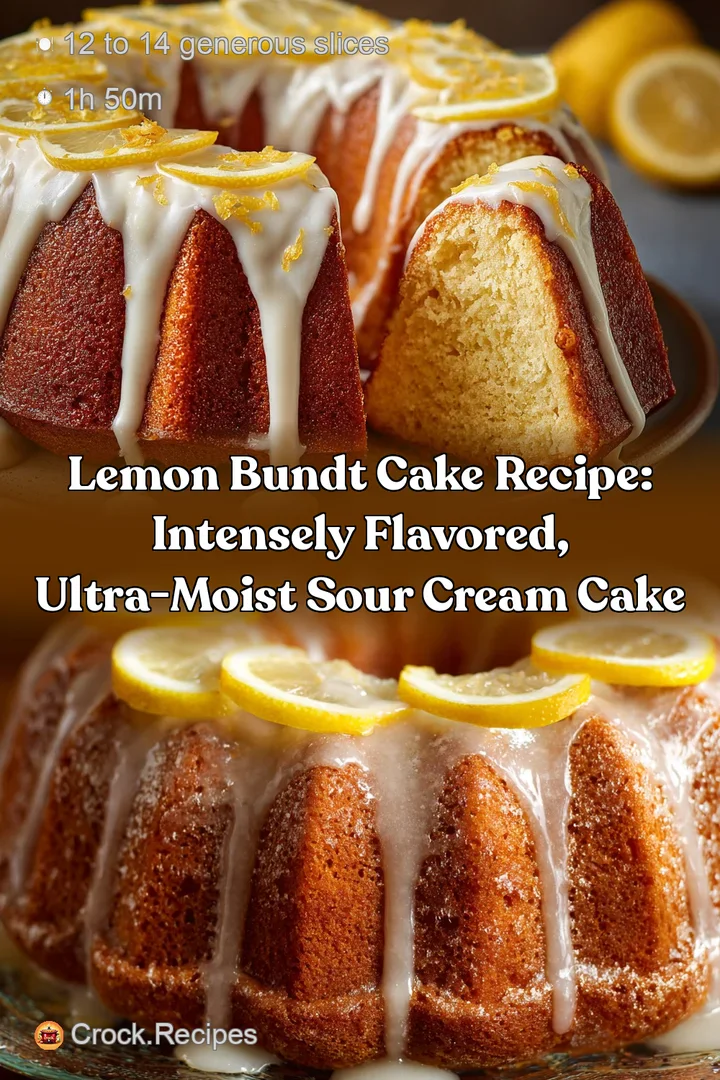
Recipe FAQs
How do I prevent my Bundt cake from sticking to the pan?
Proper pan preparation is absolutely crucial for successfully unmolding intricate Bundt cakes. We highly recommend using a quality non-stick baking spray that contains flour, ensuring you meticulously cover every ridge and crevice of the pan.
Alternatively, you can brush the pan thoroughly with melted shortening and then dust heavily with flour or fine granulated sugar, tapping out all the excess before pouring in the batter.
Why did my Lemon Bundt Cake turn out dry or dense?
Dryness is most often caused by over baking or incorrect measurement of flour. Ensure you measure the flour using the "spoon and level" method rather than scooping directly from the bag, which compacts the flour.
Always check for doneness five minutes before the listed bake time; the cake should be removed immediately when a thin skewer inserted in the center comes out clean with only a few moist crumbs attached.
Can I use bottled lemon juice instead of fresh for this recipe?
While bottled juice is convenient, it lacks the vital oils and intensely bright flavor profile found in fresh lemon zest and juice. Using fresh ingredients is essential for achieving the recipe's desired "zingy" flavour and aromatic complexity.
If substitution is necessary, ensure you still use fresh lemon zest, as those oils provide the majority of the sharp citrus fragrance.
How long does the Lemon Bundt Cake keep, and can I freeze it?
The finished cake, including the lemon soak and glaze, stores beautifully at room temperature, wrapped airtight, for up to 3 days, or refrigerated for up to one week. To freeze, cool the completely un-glazed cake, wrap it tightly in plastic wrap followed by aluminum foil, and freeze for up to three months.
Thaw it overnight in the refrigerator before applying the final glaze and serving.
My glaze is too thick or too runny. How do I fix the consistency?
The ideal glaze consistency should slowly drizzle, not pour rapidly, off a whisk. If the glaze is too thin, slowly whisk in an extra half tablespoon of powdered sugar until the desired opaque thickness is reached.
Conversely, if it is too thick, incorporate a half teaspoon of milk or fresh lemon juice at a time until it reaches a pourable, but still viscous, consistency.
Can this Lemon Bundt Cake recipe be adapted for gluten-free diets?
Yes, this recipe adapts well to gluten-free baking by using a high-quality, cup-for-cup gluten-free flour blend that contains xanthan gum. Substitute the flour volume directly, but be mindful of slightly shorter mixing times to prevent a gritty texture.
Since the cake is very moist due to the soak, the texture generally holds up well against traditional flour.
Can I incorporate other citrus fruits for a flavor variation?
Absolutely, this recipe acts as a fantastic base for various citrus flavors. You can substitute all the lemon for fresh orange juice and zest for a sweeter profile, or use key limes for a sharper, more tropical tang.
Ensure the total volume of juice and zest remains consistent with the original lemon recipe for optimal results.
Ultimate Moist Lemon Bundt Cake
Ingredients:
Instructions:
Nutrition Facts:
| Calories | 425 calories |
|---|---|
| Fat | 16 g |
| Fiber | 1 g |
