Homemade Spaghetti Sauce: Slow-Simmered Marinara
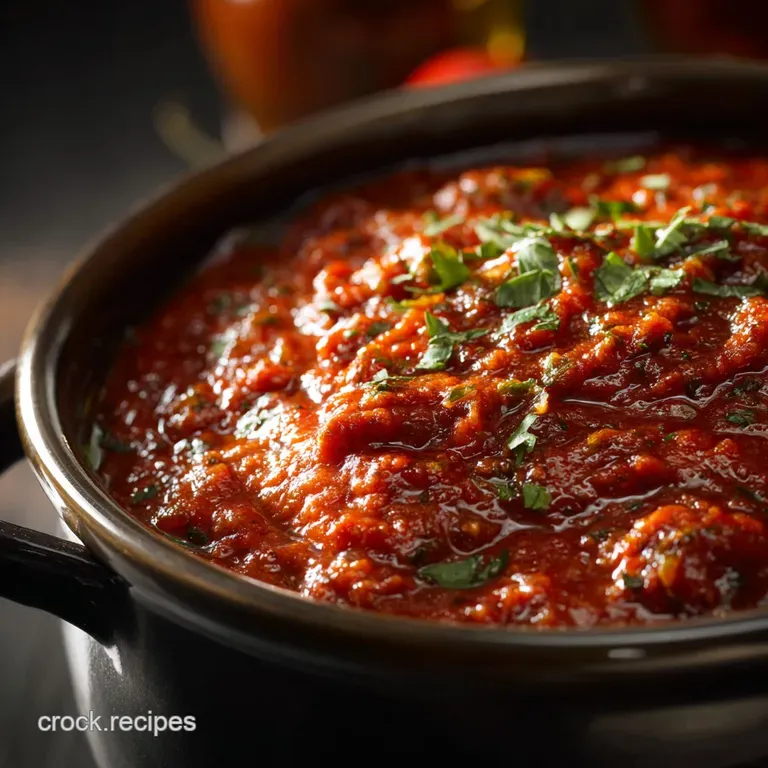
- Setting the Stage for the Ultimate Sunday Marinara
- The Science of Savor: Building Unmatched Flavor Depth
- Essential Components for a World-Class Tomato Gravy
- Method Guide: Slow-Simmering Your Marinara to Perfection
- Troubleshooting and Expert Secrets for Richer Sauce
- Beyond Pasta: Creative Uses for Your Marinara
- Troubleshooting and Expert Secrets for Richer Sauce (Continued)
- The Last Stir: Why This Homemade Spaghetti Sauce Wins
- Recipe FAQs
- 📝 Recipe Card
Setting the Stage for the Ultimate Sunday Marinara
The aroma hits you first. It’s that deep, rich, slightly sweet cloud of slow cooked tomatoes and garlic that immediately whispers, "It's Sunday." Forget those watery, overly sweet imposters from a jar; we are talking about gravy .
This is the ultimate, slow simmered, traditional Homemade Spaghetti Sauce that tastes like someone’s Italian grandmother spent eight hours stirring it. It is pure comfort in a pot.
This specific recipe is a total lifesaver, honestly. While the simmer takes time, the active work is minimal, and the ingredients are dirt cheap. If you make a huge batch of Homemade Spaghetti Sauce on a quiet Saturday, you have the base for lunches, quick weeknight meals, and spontaneous lasagnas for the entire month.
It saves money and, frankly, saves your soul when you need real food fast.
I’m going to walk you through exactly how to make the best Homemade Spaghetti Sauce you have ever tasted. We’re not cutting corners; we’re just being efficient about building massive flavor.
This foundational Homemade Spaghetti Sauce will change your life.
The Science of Savor: Building Unmatched Flavor Depth
The Cornerstone of Italian American Home Cooking
When people ask me for my secret, they expect some obscure spice blend or fancy vinegar. They are always surprised when I tell them it’s just patience and a classic soffritto . Every great batch of Homemade Spaghetti Sauce starts here.
This isn't just about throwing diced onions into hot oil. It's about coaxing every bit of sweetness out of the carrots, celery, and onion until they basically melt into the oil, forming a completely sweet, translucent base.
Why Slow Simmering Matters for Depth of Flavor
Look, I get it, sometimes you need dinner in thirty minutes. But a quick sauce is thin, bright, and acidic. A truly great slow simmered sauce? That’s different. Simmering for 90 minutes or more allows the water content to reduce dramatically, concentrating the natural sugars and flavour compounds.
The low, slow heat also gives the dried herbs time to hydrate and release their full flavour profile. This process thickens the sauce naturally and integrates the fatty molecules from the olive oil with the tomatoes, creating that signature rich texture.
Ditching the Jar: Elevating Your Homemade Spaghetti Sauce
Jars are fine for emergencies, but they can never compete with the depth you get when crafting your own Homemade Spaghetti Sauce from scratch. The biggest difference is the quality of the cooked flavour, especially when dealing with commercial acidity regulators.
When you make your own, you control the salt, the sugar, and the overall balance. Plus, you get to skip the preservatives! Mastering this specific Homemade Spaghetti Sauce technique ensures you never look back at the supermarket shelf.
Mastering the Soffritto: The Foundation of Aromatic Flavor
The holy trinity is onion, carrot, and celery. Finely diced, please! If the pieces are too big, they won't melt properly during the simmer, leaving you with crunchy, distracting chunks.
We cook this low and slow until the vegetables are translucent they should be soft enough that you can crush them against the side of the pot with your spoon. This aromatic foundation is the backbone of the entire Homemade Spaghetti Sauce operation.
Achieving a perfect soffritto means achieving a perfect batch of Homemade Spaghetti Sauce .
The Maillard Reaction: Caramelizing Tomato Paste for Umami
This step is arguably the most important flavor hack I ever learned for making a killer Homemade Spaghetti Sauce . When the soffritto is ready, you push it aside and add the tomato paste directly to the hot pan surface.
Cook the paste, stirring it constantly, until it turns a deep, brick red color. You are caramelizing the sugars and triggering the Maillard reaction. This process transforms the paste from tasting metallic and sharp into a deeply savoury, almost meaty umami bomb.
It’s what separates a decent sauce from truly amazing Homemade Spaghetti Sauce .
Balancing Acidity and Sweetness in Your Sauce
Tomatoes are acidic; that’s just a fact of life. If your sauce tastes too sharp, you have two options: add sugar or add time. This recipe includes a tiny pinch of sugar right at the start to help counter the initial acidity.
However, the best way to balance it is through the long simmer the acidity mellows out as the sauce concentrates. If, after 90 minutes, your Homemade Spaghetti Sauce still needs a lift, a little bit more sugar or, surprisingly, a dash of red wine vinegar can brighten everything up without making it taste sweet.
Trust me, the best Homemade Spaghetti Sauce requires constant tasting.
Essential Components for a World Class Tomato Gravy
Selecting the Best Canned Tomatoes (Whole vs. Crushed)
Do not skimp on your tomatoes! They are literally 90% of your Homemade Spaghetti Sauce . I swear by canned San Marzano style crushed tomatoes (DOP if you can swing it). They have lower acidity and fantastic natural sweetness.
I prefer crushed for this recipe because it already speeds up the breakdown process, but if you have whole peeled tomatoes, that’s totally fine. Just crush them manually with your hands or pulse them briefly with an immersion blender before adding them to the pot.
Aromatic Trio: Onion, Garlic, and Dried Herbs
We’ve covered the soffritto, but let’s talk about the herbs. Dried oregano and dried basil are essential, added at the beginning of the simmer. Why dried? Because they need time to rehydrate and infuse the liquid thoroughly, which fresh herbs won't do as effectively over a long cook time.
Fresh basil comes in right at the end for brightness. We also use bay leaves and, my personal secret weapon for the Best Homemade Spaghetti Sauce , a Parmesan rind.
Substitution Guide for Oil and Seasonings
Sometimes life happens and the pantry is sparse. Don’t panic! There are always easy swaps, even when making this complex Homemade Spaghetti Sauce Recipe .
| Ingredient | Viable Substitution | Notes on Swap |
|---|---|---|
| Extra Virgin Olive Oil | Butter + 1 Tbsp Neutral Oil | The fat is needed for flavor extraction. Butter adds richness. |
| Dry Red Wine | Beef Stock or Balsamic Vinegar | Use stock for savory depth, vinegar for balancing acidity. |
| Granulated Sugar | Maple Syrup or Honey | Use half the amount, as these are often sweeter than sugar. |
| Dried Oregano | Italian Seasoning Blend | Reduce the amount slightly, as blends often contain salt. |
Method Guide: Slow Simmering Your Marinara to Perfection
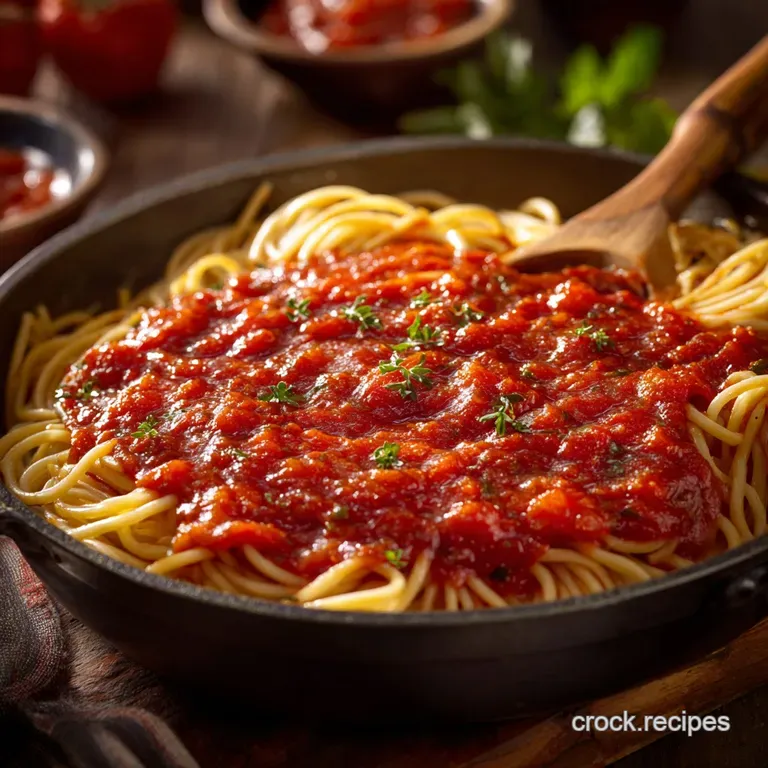
This is the detailed breakdown. Don't rush these initial stages; they make or break your final batch of Easy Homemade Spaghetti Sauce .
Step 1: Achieving the Perfect Soffritto Base
Start by setting your Dutch oven over medium low heat. Add your olive oil and then the finely diced onion, carrot, and celery. Sprinkle with salt. The salt helps draw moisture out of the vegetables, which stops them from browning too fast. You want them to sweat, not fry!
Cook them gently for 10 to 12 minutes until they are totally translucent and tender. If you taste them, they should be sweet. Now, stir in the minced garlic for just 60 seconds. Seriously, watch the clock; burned garlic ruins everything.
Step 2: Activating the Tomato Paste
Push the aromatic vegetables to one side and add the tomato paste directly to the exposed heat surface. Stir it constantly for about three to four minutes until it gets darker and smells almost savory sweet.
Pour in the red wine and use your wooden spoon to scrape up all those delicious brown bits from the bottom of the pot. This is called deglazing, and it adds incredible flavor to your Homemade Spaghetti Sauce . Let the wine reduce by half you should smell the sharp alcohol burning off.
Step 3: The Long Simmer: Flavor Fusion
Now, dump in the crushed tomatoes, your water or stock, the dried herbs, the bay leaves, that tiny bit of sugar, and that crucial Parmesan rind. Stir everything well. Bring the pot to a gentle bubble, then immediately drop the heat to the absolute lowest setting possible. The sauce should barely burp.
Partially cover the pot to allow steam to escape and simmer this beautiful mess for a minimum of 90 minutes. I prefer 2. 5 hours, honestly. The result is a profoundly rich, traditional Homemade Spaghetti Sauce .
Chef's Note: If you notice your sauce is getting too thick too fast, stir in a splash of water or stock. Consistency is key when making the perfect batch of Homemade Spaghetti Sauce From Scratch .
Step 4: Final Adjustments and Seasoning
After the long wait, remove the bay leaves and that soft, flabby Parmesan rind. Give the sauce a good stir. Taste it! This is where you become the master chef. Does it need salt? Does it taste a little flat? If so, a squeeze of lemon juice (or that dash of vinegar) will wake it right up.
Stir in your fresh, torn basil right before you serve it. The fresh basil retains its vibrant color and perfume this way. The result is a truly remarkable Traditional Spaghetti Sauce .
Troubleshooting and Expert Secrets for Richer Sauce
Avoiding the Metallic Taste: Deglazing Properly
The metallic flavor in bad jarred or rushed sauces comes from uncooked tomato paste or unactivated tannins. We beat this in two ways: first, by caramelizing the tomato paste (Step 2), and second, by deglazing with wine. Even if you use stock instead of wine, scrape up that fond .
It prevents scorching and integrates those deep, concentrated flavors into your Homemade Spaghetti Sauce .
How to Naturally Thicken Your Pasta Sauce (No Additives)
If your sauce is still too watery after the minimum 90 minute simmer, you rushed the simmer or you added too much liquid. The fix is simple: crank the heat up slightly and remove the lid entirely. Let it bubble vigorously for about 10 to 15 minutes, stirring often.
The surface area exposure will allow the water to evaporate quickly. Do not add flour or cornstarch; this is gravy , not soup!
The Critical Role of Finishing Oil (Olive Oil)
I highly recommend stirring in a tablespoon of excellent quality, fruity Extra Virgin Olive Oil right at the end, just before adding the fresh basil. This is called mantecare in some Italian preparations.
It adds a silken richness to the texture and brightens the overall flavour of the Slow Simmered Spaghetti Sauce . This final touch is non-negotiable for achieving that glossy, restaurant quality look on your Homemade Spaghetti Sauce .
Fridge Life: Proper Cooling and Airtight Containers
Once the sauce is finished cooking, let it cool completely on the counter (stirring occasionally to speed up the process) until it reaches room temperature. Transfer the Homemade Marinara Sauce into clean, airtight containers, leaving about an inch of headspace.
This sauce will last safely in the refrigerator for 5 to 7 days. That’s nearly a whole week of fantastic meals!
The Ultimate Guide to Freezing Spaghetti Sauce
This sauce freezes beautifully, which is why I always make a double batch. If you’re busy making things like Soy Milk: The Freshest Homemade Recipe for Creamy Results from scratch, you need freezer meals. The key to freezing this Homemade Spaghetti Sauce is portion size.
- Containers: Use freezer safe plastic containers or heavy duty freezer bags.
- Headspace: Always leave about 1.5 inches of headspace in containers, as the sauce will expand as it freezes.
- Life Span: Properly frozen, this sauce maintains its peak quality for 4 to 6 months. Be sure to label and date everything!
Reheating Without Sacrificing Texture
When you want to use the frozen sauce, transfer it to the refrigerator 24 hours ahead of time to thaw slowly. If you’re in a rush (and who isn’t?), you can place the frozen block directly into a saucepan over very low heat. Add a splash of water or stock to prevent scorching.
Stir gently until it melts and returns to a simmer. Do not boil it hard , or you risk separating the oil and liquid, which gives your glorious Homemade Spaghetti Sauce a watery texture. Low and slow wins again.
Beyond Pasta: Creative Uses for Your Marinara
This specific recipe for The Ultimate Sunday Marinara is so versatile because it lacks meat, making it a perfect base. You will find endless ways to use this robust Homemade Spaghetti Sauce . Toss it with gnocchi, of course, but think bigger!
- Pizzas and Calzones: Use it as a rich, savory layer on homemade pizza dough.
- Subs and Sandwiches: It's the perfect dip or topping for grilled cheese or eggplant parm subs.
- Stews and Soups: Thin it out slightly with stock and use it as the base for minestrone or a hearty bean stew.
- Poaching: Use it to gently poach eggs or fish, like cod or halibut, creating a simple, satisfying meal. This is a much richer experience than just making something like Creamy Chicken Breast in Spinach Parmesan Sauce Ready in 35 Mins , though that one is also brilliant!
Troubleshooting and Expert Secrets for Richer Sauce (Continued)
When I first started making Homemade Spaghetti Sauce , I was so impatient. I thought, "Tomatoes boil, they're done!" I added the garlic right with the onions and ended up with burnt, bitter garlic every time. It took me ages to realize that the order of operations matters more than anything else. Now, I swear by the two-stage garlic process. It’s the small steps that elevate simple food into something truly transcendent. Honestly, making a giant pot of this is just as satisfying as mastering something totally different, like making perfectly smooth Instant Pot Yogurt: Silky Smooth Homemade Yogurt Recipe . This particular method for Easy Homemade Spaghetti Sauce is the one you will keep coming back to.
The Last Stir: Why This Homemade Spaghetti Sauce Wins
This isn't just a recipe; it's a process, a Sunday ritual that fills your house with warmth and promises. By building flavor slowly, caramelizing the paste, and allowing the ingredients time to fuse, you create a complex, robust sauce that simply can't be replicated with speed or store-bought ingredients.
Making a high-quality batch of Homemade Spaghetti Sauce is a wonderful thing.
I hope you try this Best Homemade Spaghetti Sauce this weekend. Let me know if you used the Parmesan rind trick it truly is my favorite secret. Happy stirring, friends! Seriously, this is the definitive Homemade Spaghetti Sauce recipe you’ll ever need.
Recipe FAQs
Why does my slow simmered sauce taste overly acidic or sharp?
Acidity often stems from the quality of tomatoes used or insufficient simmering time. To immediately neutralize sharp acidity, add a tiny pinch (about 1/4 teaspoon) of baking soda to the sauce and stir until it dissolves.
Alternatively, a teaspoon of granulated sugar can help balance the flavor profile, though baking soda is chemically more effective for true neutralization.
My sauce is too thin after the required cooking time. How can I thicken it?
The simplest fix is to uncover the pot and let the sauce simmer vigorously for an extra 10 to 15 minutes, allowing excess moisture to evaporate. If you are short on time, you can create a quick slurry by dissolving one tablespoon of cornstarch in two tablespoons of cold water, then stirring it into the sauce until it thickens slightly.
What is the secret to achieving that deep, savory "umami" flavor?
That profound depth comes primarily from caramelizing the tomato paste alongside the soffritto (onion, celery, carrot) base. Cooking the paste until it turns a deep brick red color a process known as pizzaiola concentrates its natural sugars.
This crucial step eliminates the harsh, metallic undertones of the paste and provides the robust flavor foundation.
Can I add meat or meatballs to this Marinara recipe?
Absolutely. If incorporating meat like Italian sausage or ground beef, brown it thoroughly first, drain the excess fat, and then add it back to the sauce during the long simmer period.
For meatballs, gently drop pre-seared or raw meatballs into the simmering sauce during the last 45 minutes of cooking to ensure they cook through while absorbing the sauce flavor.
How long is the minimum simmering time required, and why is it so important?
While the sauce is safe to eat after 30 minutes, the true depth of flavor and texture of a Sunday Marinara requires extended cooking. Aim for a minimum of two hours, stirring occasionally, to allow the spices and herbs to infuse and the sauce to naturally reduce.
This patient process ensures all raw flavors disappear and the final result is rich and velvety.
How should I store leftover sauce, and can I freeze large batches?
Refrigerated sauce will keep well for up to 5 days when stored in an airtight container. For long term preservation, allow the sauce to cool completely, then transfer it to freezer safe bags or containers, remembering to leave about one inch of headspace for expansion.
Properly frozen marinara will maintain its peak quality for 4 to 6 months.
Is this recipe inherently vegan or vegetarian?
Yes, the classic Marinara is naturally vegan and vegetarian, provided you use vegetable stock or water instead of chicken or beef stock if liquid is added to thin the sauce. Ensure that any wine used during the deglazing process is confirmed as vegan friendly, as the rest of the ingredients are plant based.
Ultimate Slow Simmered Spaghetti Sauce
Ingredients:
Instructions:
Nutrition Facts:
| Calories | 260 kcal |
|---|---|
| Protein | 7.4 g |
| Fat | 11.6 g |
| Carbs | 28.6 g |
