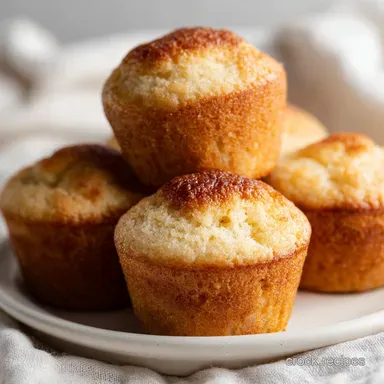
Basic Muffin Recipe: Failure-Proof and Tender
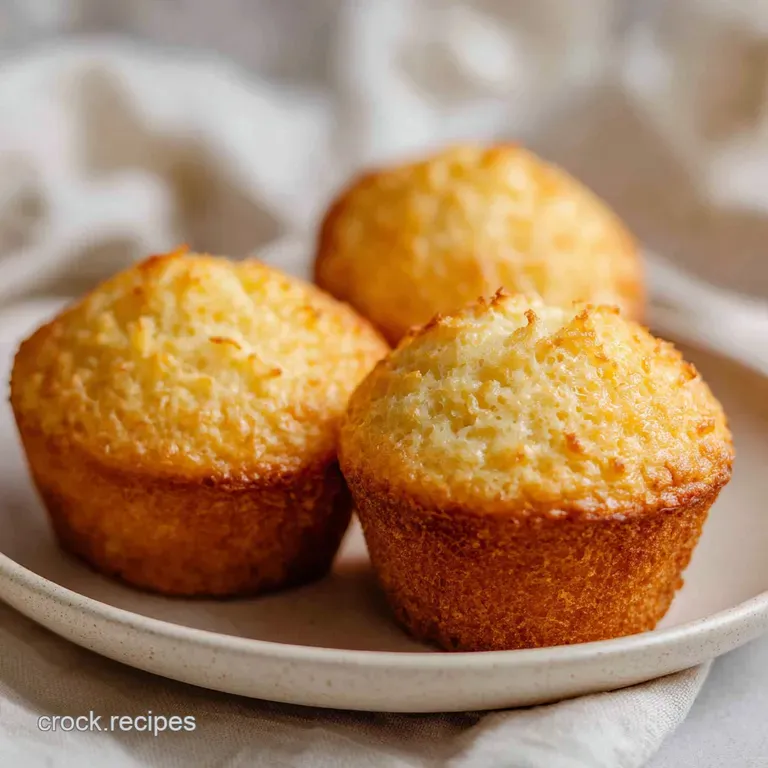
- Time:10 minutes active + 20 minutes bake = Total 30 minutes
- Flavor/Texture Hook: Mahogany colored tops with a soft, satisfying center
- Perfect for: Lazy Sunday mornings, school lunches, or beginner bakers
Baking a Classic Basic Muffin Recipe
The scent of warming vanilla and toasted sugar is like a hug for the whole house. I remember one rainy Tuesday a few years back when the mood in the kitchen was just... heavy. The kids were grumpy, the coffee had gone cold, and the grey sky felt like it was pressing down on us.
I decided to whip up a batch of these, and the second that first tray hit the oven, the atmosphere shifted.
There is something about the sizzle of batter meeting a hot pan that just settles the nerves. By the time the aroma of baking cake filled the air, the grumpiness had vanished. We sat around the table, tearing into warm muffins while they were still steaming, and suddenly the rainy day felt cozy instead of gloomy.
This basic muffin recipe is designed to be the foundation for everything you want to bake. It is not about being fancy, but about getting the textures exactly right. You can expect a hearty crumb that doesn't crumble away and a top that has just enough structure to hold a pat of melting butter.
Why the Heat Works
The magic here is all about how we handle the temperature and the mixing. Most people treat muffins like cupcakes, but they are different beasts entirely.
The Thermal Jump: Starting at 425°F (218°C) creates a sudden burst of steam. This forces the batter upward rapidly, giving you those high, bakery style domes.
The Lumpy Fold: By mixing only until the flour streaks vanish, we avoid developing too much gluten. This is what keeps the texture velvety rather than chewy like a piece of bread.
Fat Distribution: Using oil instead of butter ensures the muffins stay moist for days. Oil remains liquid at room temperature, providing a more consistent mouthfeel.
The Leavening Kick: The combination of baking powder and the high initial heat creates a rapid expansion of carbon dioxide. This results in a light, airy lift.
| Method | Time | Texture | Best For |
|---|---|---|---|
| Dual Temp Bake | 20 min | High dome, soft center | Classic bakery style |
| Constant Temp | 20 min | Flatter top, denser | Quick batches |
| Slow Bake | 25 min | Even color, cakey | Delicate flavorings |
The "muffin method" is a staple of home baking, as explained by King Arthur Baking, where the goal is to avoid overworking the gluten. When you keep the batter lumpy, you are essentially protecting the tenderness of the final product.
Quick Recipe Specs
When you are in the middle of a busy morning, you need the numbers fast. This recipe is a sprint, not a marathon, taking only 30 minutes from the first crack of an egg to the first bite.
The yield is exactly 12 muffins, which is the standard for most home tins. Because we use a over high heat start, you will notice the muffins "spring" in the oven. This is a great visual cue that your oven is properly preheated.
If you are looking for something with a bit more grain, my hearty homemade oatmeal muffins are a fantastic alternative that uses a similar base but adds a rustic chew.
Picking Your Ingredients
The beauty of a basic muffin recipe is that it uses pantry staples, but the quality of those staples determines the final result. Don't bother with low-fat milk or margarine here, as the fat is what carries the vanilla flavor.
Component Analysis
| Ingredient | Science Role | Pro Secret |
|---|---|---|
| All Purpose Flour | Structural Base | Spoon and level for accuracy |
| Granulated Sugar | Sweetness & Browning | Adds to the mahogany crust |
| Baking Powder | The Lift | Check the date for maximum rise |
| Vegetable Oil | Moisture Lock | Use a neutral oil like canola |
The Essentials List
- 2 cups (250g) all purpose flour Why this? Balanced protein for structure and softness
- 3/4 cup (150g) granulated sugar Why this? Helps with browning and crisp edges
- 2 tsp (10g) baking powder Why this? Provides the essential chemical lift
- 1/2 tsp (3g) salt Why this? Balances sweetness and enhances flavor
- 3/4 cup (180ml) whole milk Why this? Adds richness and helps activate leavening
- 1/2 cup (120ml) vegetable oil Why this? Ensures a velvety, moist crumb
- 1 large (50g) egg Why this? Acts as an emulsifier and binder
- 1 tsp (5ml) vanilla extract Why this? The primary aromatic profile
| Original Ingredient | Substitute | Why It Works |
|---|---|---|
| Whole Milk (180ml) | Buttermilk (180ml) | Adds tang and extra lift. Note: Results in a more tender crumb |
| Vegetable Oil (120ml) | Melted Butter (120ml) | Richer flavor. Note: Slightly denser texture and shorter shelf life |
| Granulated Sugar | Brown Sugar | Deeper, molasses flavor. Note: Makes the muffin moister and darker |
Honestly, don't even bother with low-fat alternatives here. The fat is what makes these satisfying, and substituting it with something lean usually leads to a dry, cardboard like texture.
Essential Muffin Tools
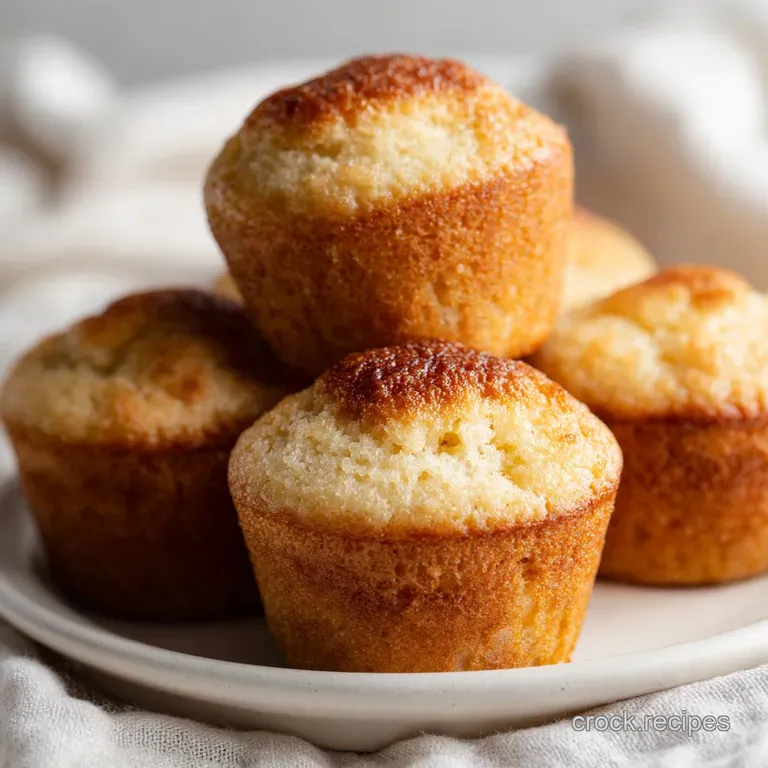
You don't need a professional kitchen to make these, but a few specific tools make the process smoother. If you have a kitchen scale, use it. Measuring flour by the cup can be wildly inconsistent, often leading to dry muffins.
A rubber spatula is non negotiable. You cannot use a whisk or a fork for the final mixing stage, as those tools incorporate too much air and overwork the gluten. The spatula allows you to "fold," which is a gentle lifting and turning motion.
Finally,, a standard 12 cup muffin tin is all you need. I prefer using paper liners because they make cleanup a breeze, but greasing the pan with non stick spray works just as well if you want a slightly more caramelized exterior.
Step-by-step Baking Guide
Right then, let's crack on with the actual baking. The key here is speed and gentleness.
- Preheat your oven to 425°F (218°C). Line a 12 cup standard muffin tin with liners or grease it well with non stick spray. Note: A hot oven is critical for the initial rise.
- In a large bowl, whisk together the 250g flour, 150g sugar, 10g baking powder, and 3g salt. Whisk until no lumps remain.
- In a separate medium bowl, whisk the 50g egg, 180ml milk, 120ml oil, and 5ml vanilla. Mix until the color is a uniform, pale yellow.
- Pour the wet mixture into the dry ingredients. Using a rubber spatula, gently fold the batter. Stop the moment the last streak of flour disappears. Note: The batter should stay lumpy!
- Divide the batter evenly among the 12 muffin cups. Use a scoop for consistency if you have one.
- Bake for 5 minutes at 425°F (218°C). This is the "burst" phase that creates the dome.
- Reduce the oven temperature to 375°F (190°C). Bake for the remaining 15 minutes.
- Remove from the oven when the tops are mahogany colored and a toothpick inserted into the center comes out clean.
Chef's Tip: For an even higher dome, let your batter rest for 15 minutes before scooping it into the tin. This allows the starch to hydrate and the baking powder to start reacting.
Fixing Common Muffin Fails
Even for those of us who bake all the time, things can go sideways. Most muffin problems come down to two things: temperature or overmixing.
Flat Muffin Tops
If your muffins look more like pancakes than domes, it's usually because the oven wasn't hot enough at the start. The 425°F burst is what pushes the batter up. Also, check your baking powder; if it's old, it won't have the strength to lift the batter.
Tunnels in the Crumb
Ever cut open a muffin and see long, vertical holes? Those are "tunnels." They happen when you overmix the batter. The gluten becomes too strong, trapping large bubbles of air that stretch upward as the muffin bakes.
Stuck to the Liner
This usually happens if the muffins are removed too early or if the liners are too thin. Let them cool in the pan for 5 minutes before transferring them to a wire rack.
| Problem | Root Cause | Solution |
|---|---|---|
| Tunnels | Overmixing | Fold batter only until streaks vanish |
| Flat Tops | Oven too cool | Ensure 425°F preheat is complete |
| Dry Texture | Too much flour | Use a scale or the "spoon and level" method |
Preventive Checklist:
- ✓ Preheat the oven for at least 20 minutes before baking.
- ✓ Use a rubber spatula, never a whisk, for the final fold.
- ✓ Measure flour by weight (250g) for consistency.
- ✓ Don't open the oven door during the first 5 minutes.
- ✓ Cool muffins on a wire rack to prevent soggy bottoms.
Easy Flavor Variations
Once you've mastered the basic muffin recipe, you can use it as a canvas. Since the base is neutral, almost any add in works. The trick is to fold in your extras at the very end, just before the flour disappears.
For a classic blueberry version, toss 1 cup of fresh berries in a tablespoon of flour first. This prevents them from sinking to the bottom of the muffin. If you want a fall vibe, check out these cinnamon applesauce muffins for some serious comfort.
If you're feeling fancy, try adding a pinch of nutmeg or a splash of almond extract to the wet ingredients. You can also top the batter with coarse sparkling sugar before baking; it creates a crust that will literally shatter when you bite into it.
Quick Decision Guide: If you want more zest, add 1 tsp lemon zest to the sugar. If you want a crunch, fold in 1/2 cup of chopped walnuts. If you want richness, swap 2 tbsp of oil for melted butter.
Freshness and Storage Tips
These muffins stay moist thanks to the oil, but they still need proper care to stay velvety. If you leave them on the counter uncovered, the edges will dry out within a day.
Store them in an airtight container at room temperature for up to 3 days. If you need them to last longer, the freezer is your best friend. These freeze beautifully for up to 3 months. Just wrap them individually in plastic wrap and then place them in a freezer bag.
To reheat, avoid the microwave if you want that mahogany crust back. Instead, pop them in a 300°F (150°C) oven for 5-10 minutes. This crisps the exterior while warming the center.
Regarding zero waste, if you have a small amount of batter left over, don't toss it. You can bake it in a small ramekin for a single serve "muffin cake" or use it as a base for a mini cobbler with frozen berries.
Serving and Plating Ideas
Presentation is everything, even for a simple breakfast. I love serving these warm with a generous slab of salted butter. The contrast between the salty butter and the sweet, mahogany top is simply satisfying.
For a more "brunch" feel, split the muffin in half and toast the inside faces in a skillet with a bit of butter. Top it with a dollop of ricotta cheese and a drizzle of honey. It turns a basic muffin recipe into something that feels like it came from a high end cafe.
If you're serving a crowd, arrange them on a wooden platter with fresh berries and a bowl of clotted cream. The rustic look of the muffins pairs perfectly with the brightness of the fruit, making the whole spread feel hearty and welcoming.
Recipe FAQs
What are the basic ingredients of muffins?
Flour, sugar, baking powder, salt, milk, oil, egg, and vanilla extract. These core components provide the necessary structure, sweetness, lift, and moisture for a standard muffin.
Can diabetics have muffins?
Generally no, unless the recipe is modified. This basic version contains granulated sugar and all-purpose flour, which can cause rapid blood sugar spikes.
What is the secret to a good muffin?
Minimize mixing and use a high initial oven temperature. Starting at 425°F creates the steam needed for a high dome. If you enjoyed mastering the stable emulsion of wet ingredients here, see how the same principle works in our light mayo.
What is the basic ratio for muffins?
A balanced blend of dry and wet ingredients. In this recipe, the ratio is 2 cups of flour to approximately 1 cup of combined liquids (milk and oil) and 3/4 cup of sugar.
How to prevent muffins from sticking?
Line the muffin tin with paper liners or grease it with non-stick spray. This ensures the muffins release cleanly from the pan without tearing.
Is it true that overmixing the batter creates a better texture?
No, this is a common misconception. Overmixing develops too much gluten, which results in tough, rubbery muffins with internal tunnels.
How to tell when muffins are finished baking?
Check for mahogany-colored tops and a clean toothpick. Insert a toothpick into the center; if it comes out clean, the muffins are fully baked.
Basic Muffin Recipe in 30 Minutes