Roasted Beet and Arugula Salad Recipe
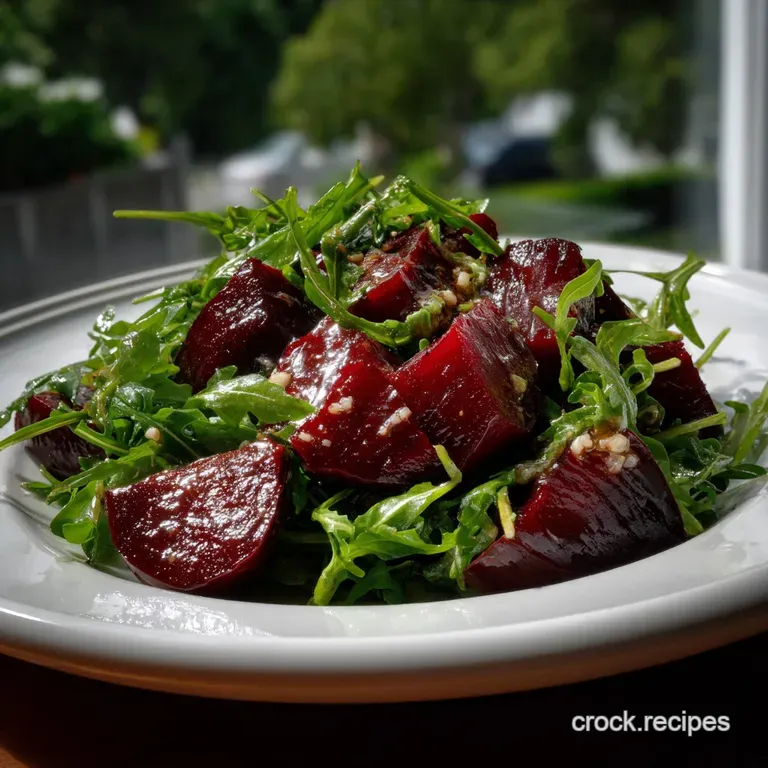
- Time: Active 15 minutes, Passive 50 minutes, Total 1 hour 5 minutes
- Flavor/Texture Hook: Peppery arugula paired with velvety, earth sweet roots
- Perfect for: Wholesome weeknight lunches or impressive dinner sides
- Roasted Beet and Arugula Salad Recipe
- Science Behind the Earthy Sweetness
- Key Details for Preparation
- Selecting Vibrant Plant Based Ingredients
- Recommended Tools for Easy Prep
- Creating Layers of Vibrant Flavor
- Solving Common Texture Problems
- Smart Swaps and Variations
- Fresh Storage and Waste Reduction
- Plating for Visual Appeal
- Clearing Up Kitchen Confusion
- Recipe FAQs
- 📝 Recipe Card
The aroma of beets roasting in a hot oven is something I look forward to every autumn. It's a scent that manages to be both deeply earthy and surprisingly sugary at the same time. If you have ever felt that beets taste a bit too much like "dirt," I promise this is the preparation that will change your mind.
By roasting them whole in their skins, we are essentially steaming them in their own juices, which concentrates the flavor and results in a texture that is incredibly tender.
This Roasted Beet and Arugula Salad Recipe is my go to when I want a meal that feels like a treat but actually nourishes the body. It’s all about the contrast between the warm, soft beets and the cool, peppery snap of baby arugula.
We aren't just tossing things in a bowl here; we are layering textures to make every bite interesting. Trust me, the combination of creamy goat cheese and the crunch of toasted walnuts is a classic for a reason.
I once made the mistake of boiling the beets for a similar salad, and the result was watery and dull. Boiling leaches out all that vibrant pigment and sweetness into the water. Roasting is the secret. It's a hands off process that does all the hard work for you.
Let's get into how we build these layers of flavor to create something truly special.
Roasted Beet and Arugula Salad Recipe
Science Behind the Earthy Sweetness
Roasting is a chemical transformation that turns a humble root into candy. When we apply high heat, the Maillard reaction occurs, where the natural sugars and amino acids in the beets react to create new, complex flavor compounds.
This is why roasted beets lack that "raw" edge and instead taste like caramelized earth.
The second scientific pillar here is emulsification in our vinaigrette. By whisking the 5g Dijon mustard with the 30ml balsamic vinegar before slowly adding the 60ml extra virgin olive oil, we create a stable mixture where the fat and acid won't separate.
This ensures every leaf of the 150g baby arugula is coated in a velvety film, preventing the greens from wilting instantly under the weight of the heavier beets.
Key Details for Preparation
When you are short on time, it's tempting to reach for the pre cooked, vacuum sealed beets at the store. While they are convenient, they lack the structural integrity and the caramelized exterior of a home roasted root.
I find that the extra 50 minutes in the oven is the difference between a good salad and one people ask for twice.
| Feature | Fresh Roasted Beets | Pre Cooked Shortcut | Result on Dish |
|---|---|---|---|
| Texture | Firm yet velvety | Often soft or mushy | Fresh beets hold their shape better |
| Sugar Profile | Concentrated and deep | Muted and one note | Roasted provides better contrast to cheese |
| Color Bleed | Minimal if cooled properly | Significant "pink soak" | Fresh roast stays visually cleaner |
Selecting Vibrant Plant Based Ingredients
Choosing the right components is the foundation of any wholesome dish. I always look for beets that are firm to the touch with their greens still attached if possible, as this indicates they were recently harvested.
For the greens, I prefer baby arugula because the leaves are more tender and have a milder peppery bite than the mature variety.
- 680g Fresh Beets: Red or golden both work beautifully. Why this? Roasting concentrates natural sugars more effectively than boiling.
- Substitute: Large carrots roasted in 1 inch chunks.
- 150g Baby Arugula: Provides a peppery base. Why this? The bitterness cuts through the sweetness of the roasted roots.
- Substitute: Baby spinach for a milder, less spicy flavor profile.
- 115g Goat Cheese: Use a high-quality log like Montchevre. Why this? The acidity and creaminess balance the earthy beet notes.
- Substitute: 115g Feta cheese for a saltier, firmer texture.
- 30ml Balsamic Vinegar: Adds depth and acidity. Why this? It mirrors the sweetness of the beets while adding brightness.
- Substitute: 30ml fresh lemon juice for a cleaner, citrusy finish.
- 50g Toasted Walnut Halves: Essential for crunch. Why this? Provides a fatty, earthy contrast to the soft cheese.
- Substitute: 50g toasted pepitas for a nut free option.
Recommended Tools for Easy Prep
You don't need a professional kitchen, but a few specific tools make this much smoother. I swear by my Lodge Cast Iron Skillet for roasting the beets; the heavy metal retains heat and helps with even cooking.
A Microplane Zester is also a savior for that 2g of grated garlic, ensuring it melts into the dressing without leaving any harsh, chunky bits.
To get the vinaigrette right, use a small glass jar with a tight lid. Shaking the dressing is often more effective than whisking for achieving a perfect emulsion. If you are looking for other salad inspirations to use your jars with, you might enjoy the dressing technique in this Cucumber Salad with recipe.
Creating Layers of Vibrant Flavor

Achieving Concentrated Sweetness
The key to a non watery beet is keeping the skin on during the roast. This acts as a protective barrier, trapping the moisture inside and allowing the sugars to concentrate without burning the exterior.
Phase 1: High Heat Roast
- Preheat your oven to 400°F.
- Scrub the 680g fresh beets thoroughly to remove any soil.
- Place beets on a large piece of aluminum foil and drizzle with 15ml extra virgin olive oil and 3g flaky sea salt.
- Seal the foil packet tightly and place it on a baking sheet or in a cast iron pan.
- Roast for 50 minutes until a knife slides into the center with zero resistance.
Phase 2: The Slip Technique
- Cool the beets for 10 minutes until they are safe to handle but still warm.
- Rub the skins with a paper towel; they should slip right off easily.
- Slice the peeled beets into 1 inch wedges or rounds.
Phase 3: The Emulsion
- Combine 30ml balsamic vinegar, 5g Dijon mustard, 7g honey, and 2g grated garlic in a bowl.
- Whisk in 60ml high-quality olive oil in a slow stream until the sauce is thick and glossy.
Phase 4: Final Assembly
- Toss the 150g baby arugula with half of the dressing in a large bowl.
- Arrange the dressed greens on a platter and top with the sliced beets.
- Crumble 115g chilled goat cheese over the top and sprinkle with 50g toasted walnuts.
- Finish with 2g torn fresh mint and the remaining dressing.
Solving Common Texture Problems
We have all had that salad where the greens are swimming in liquid or the beets are hard as rocks. Most of these issues come down to timing and temperature. If you add the vinaigrette too early to the arugula, the salt will draw out the water from the leaves, leaving you with a soggy mess.
Preventing the Pink Bleed
One of the biggest visual issues is when the beet juice stains the entire salad pink. To avoid this, never toss the beets with the arugula. Instead, dress the greens first, then lay the beets on top. This keeps the colors distinct and the presentation sharp.
| Problem | Cause | Fix | Pro Tip |
|---|---|---|---|
| Tough Beets | Under roasted | Roast 10 mins longer | Always check the largest beet for doneness |
| Soggy Arugula | Dressed too early | Dress just before serving | Keep dressing in a separate jar until the last second |
| Bitter Dressing | Poor oil quality | Use fresh EVOO | Taste your oil first; if it's tingly/acidic, use less |
Smart Swaps and Variations
This recipe is quite flexible depending on the season. In the winter, I love adding sliced pears for extra sweetness. If you want to make this a more substantial meal, you can serve it alongside a protein heavy dish like the one found in The Cobb Salad recipe, or simply add a scoop of cooked quinoa.
Chef's Note: For an unconventional twist, grate a little bit of fresh horseradish into the vinaigrette. The heat of the horseradish plays incredibly well with the sweetness of the beets.
- For a Mediterranean Twist: Replace the walnuts with toasted pine nuts and swap the balsamic for red wine vinegar and dried oregano.
- For a Vegan Alternative: Use a creamy almond based "feta" or simply omit the cheese and add extra avocado for that velvety fat content.
- The Side Dish Route: This salad pairs perfectly with light, vinegar based sides like this Traditional Hungarian Cucumber recipe.
Fresh Storage and Waste Reduction
I am a big believer in using the whole plant. If your beets came with the greens attached, do not throw them away! They are similar to Swiss chard. Sauté them with a little garlic and lemon juice for a secondary side dish.
- Fridge: Store the roasted beets and the vinaigrette in separate airtight containers for up to 5 days. Do not store the assembled salad, as the arugula will wilt.
- Freezer: I don't recommend freezing the salad. However, you can freeze roasted beets for up to 3 months, though the texture will be slightly softer upon thawing.
- Zero Waste: Use the beet peels and any trimmings to make a vibrant vegetable stock.
Plating for Visual Appeal
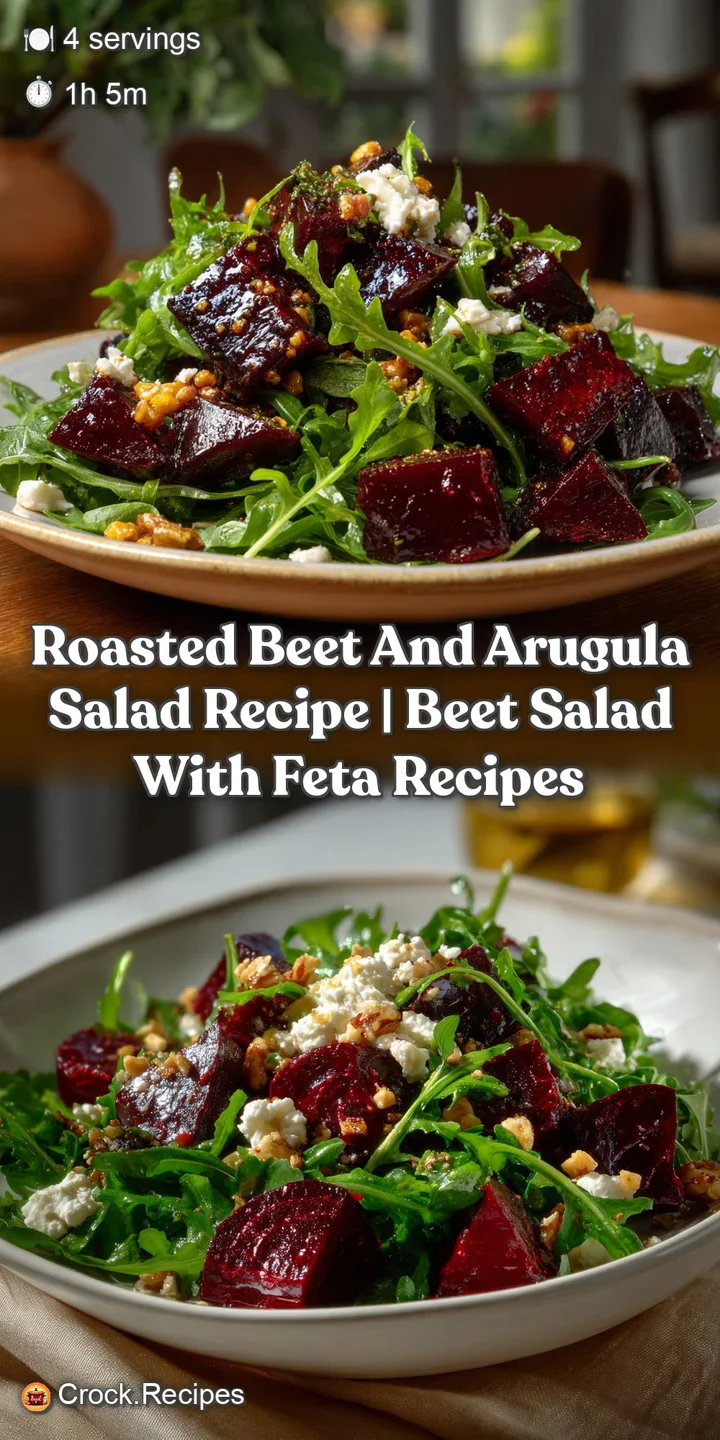
The contrast of deep red beets against bright green arugula and snow white goat cheese is naturally stunning. To make it look "restaurant quality," use a wide, shallow bowl rather than a deep one. This prevents the heavy ingredients from sinking to the bottom.
Decision Shortcut: If you want maximum sweetness, roast the beets whole. If you want maximum crunch, wait to add the walnuts until the absolute last second. If you want a cleaner look, use golden beets to avoid the red staining.
Clearing Up Kitchen Confusion
There are a few myths about beets that persist in many kitchens. One is that you need to peel them before roasting. Honestly, don't even bother! Peeling raw beets is difficult and messy. The skin acts as a natural steamer basket during roasting and will slide off with a simple paper towel rub once they are cooked.
Another myth is that beet greens are bitter and inedible. While they do have a slight mineral flavor, they are incredibly nutritious. If they are fresh and perky, treat them like spinach. Finally, some people think you must use expensive balsamic.
While high-quality vinegar is lovely, a standard grocery store balsamic is perfectly fine here because the honey and Dijon provide the necessary complexity.
- 1. Temperature
- Ensure your oven is truly at 400°F before the beets go in.
- 2. Size
- If your 680g of beets are different sizes, take the small ones out earlier so they don't overcook.
- 3. Cooling
- Let the beets sit for at least 10 minutes before peeling; the steam trapped under the skin makes the "slip" technique possible.
Recipe FAQs
Is roasting the only way to get that concentrated beet sweetness?
No, but it is the best way. Boiling leaches the sugars and color into the water, resulting in a duller flavor profile.
Can I substitute the goat cheese with a vegan alternative?
Yes, absolutely. You can substitute with a creamy almond based feta or simply omit the cheese and add avocado for the necessary fat content.
How can I prevent the red beet juice from staining the whole salad?
Dress the arugula first before adding the beets. Avoid tossing everything together in one big mix, as this ensures the colors remain distinct and the presentation stays vibrant.
Do I have to toast the walnuts, and is there a good nut-free alternative?
Yes, toasting develops essential depth of flavor and crunch. For a nut-free swap, 50g of toasted pepitas work wonderfully as a crunchy element.
Can the beets be prepared ahead of time?
Yes, they store very well. You can roast and peel the beets up to three days in advance; keep them refrigerated until you are ready to assemble the salad.
My vinaigrette keeps separating; what is the secret to a stable dressing?
The key is creating a proper emulsion by adding oil slowly. You must whisk the Dijon mustard and balsamic vinegar first, then slowly stream in the olive oil to stabilize the mixture.
What other vegetables roast well alongside beets for a similar flavor profile?
Carrots roast beautifully and complement the sweetness. If you enjoyed mastering the technique of deep caramelization here, see how that same high heat principle applies when you roast them for dishes like our Easy Roasted Veg Dishes: The Ultimate Guide to Flavourful Veggies.
Beet And Arugula Salad Recipe
Ingredients:
Instructions:
Nutrition Facts:
| Calories | 403 kcal |
|---|---|
| Protein | 11g |
| Fat | 32g |
| Carbs | 22g |
| Fiber | 6g |
| Sugar | 13g |
| Sodium | 425mg |
