Black Licorice Recipe from Scratch with Anise
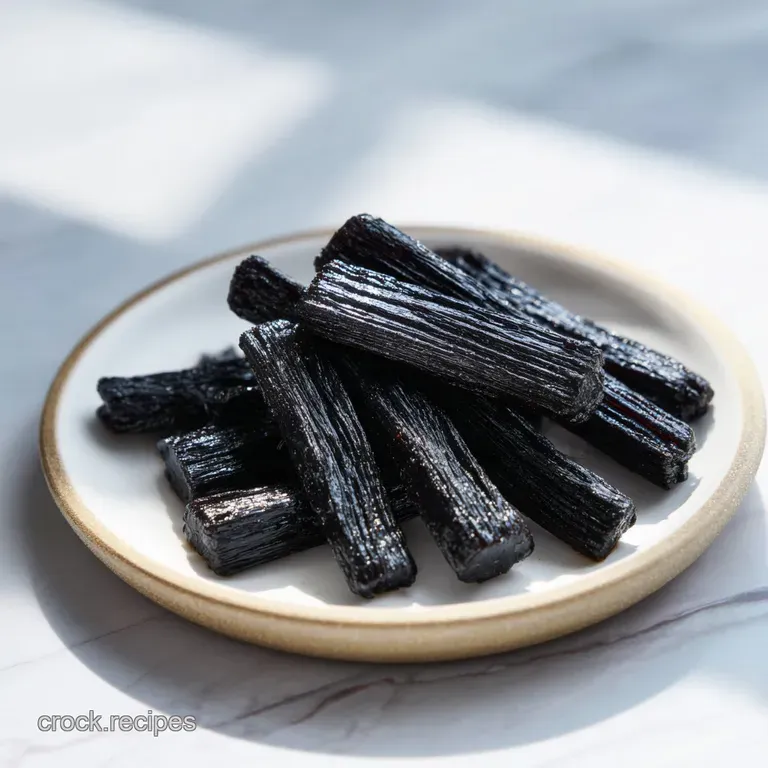
- Time: Active 25 minutes, Passive 15 minutes, Total 40 minutes
- Flavor/Texture Hook: Pungent, chewy, and tacky
- Perfect for: Nostalgic gifting, holiday treats, or adventurous home confectioners
- Master the Black Licorice Recipe from Scratch
- Essential Techniques for Smooth Candy
- Key Specifications for Success
- Essential Ingredients for Homemade Candy
- Necessary Gear for the Kitchen
- Guide to Cooking Homemade Licorice
- Solving Common Textural Candy Issues
- Flavor Variations and Ingredient Swaps
- Storing and Saving Your Treats
- Debunking Old Fashioned Candy Making Lore
- Best Pairings for Bold Flavors
- Recipe FAQs
- 📝 Recipe Card
Master the Black Licorice Recipe from Scratch
The first time I tried making this, my kitchen smelled like a spice market in the middle of a summer heatwave. There is something absolutely hypnotic about the way dark molasses swirls into melted butter, turning from a muddy brown into a glossy, midnight black.
I remember standing over the pot, watching the bubbles grow thick and heavy, like tiny volcanoes of sugar. If you have ever bitten into a piece of licorice and felt it was too waxy or lacked that soul warming spice, this is the remedy for that disappointment.
This black licorice recipe from scratch with anise delivers a truly unique, homemade candy. We aren't just making sugar ropes here; we are building layers of flavor that start with the savory depth of blackstrap molasses and end with the sharp, clear ring of pure anise.
It's a polarizing flavor, I know, but for those of us who crave that dark, herbal kick, nothing else even comes close to this chewy satisfaction.
Most people think candy making is a dark art reserved for professionals with copper vats and marble slabs. Honestly, it's more about patience and a decent thermometer than anything else.
I have ruined more than my fair share of pans by rushing the heat, but those mistakes taught me exactly when to pull the pot off the stove to get that tacky, satisfying pull that doesn't stick to your teeth like glue. Let's get into the details of how to make this work every single time.
Essential Techniques for Smooth Candy
Starch Gelatinization: The all purpose flour thickens the sugar syrup, creating a chewy, stable structure rather than a hard, brittle candy.
Emulsification Stability: Butter and syrups are forced together through constant whisking, preventing the fat from separating and leaving an oily film.
Hygroscopic Balance: Molasses and dark corn syrup attract moisture from the air, ensuring the licorice stays soft and tacky for weeks.
Maillard Reaction: The high heat interacts with the proteins in the flour and sugars in the molasses to deepen the savory, earthy undertones.
| Method | Cook Time | Texture | Best For |
|---|---|---|---|
| Traditional Stovetop | 25 minutes | Dense, chewy, glossy | Authentic texture and long shelf life |
| Quick Microwave | 8 minutes | Soft, slightly grainy | Immediate cravings, but loses its "pull" |
| Slow Cooker | 2 hours | Very soft, jam like | Large batches for fillings or sauces |
Getting the texture right is the biggest hurdle for most home cooks. If you have ever worked with a Blazing Black Pepper recipe, you know that heat management is everything. In this candy, we are looking for a specific temperature range to ensure the flour cooks out its raw taste while the sugar reaches the "soft ball" stage, giving us that signature bend.
Key Specifications for Success
| Ingredient | Science Role | Pro Secret |
|---|---|---|
| Blackstrap Molasses | Provides deep minerals and acidity | Use the darkest variety available for an earthy, savory base |
| All Purpose Flour | Acts as a structural binder | Sift twice to prevent tiny white "flour pockets" in the black candy |
| Dark Corn Syrup | Prevents sugar crystallization | Keeps the final texture velvety rather than sandy or crunchy |
| Anise Extract | Delivers the signature herbal punch | Add this at the very end to prevent the flavor from evaporating |
Every component plays a part in the final mouthfeel. For instance, the corn syrup isn't just there for sweetness; it acts as an "interfering agent." It stops the granulated sugar from bonding back together into crystals, which is why your homemade licorice will feel so much smoother than cheap, mass produced bags.
Using blackstrap molasses is a deliberate choice for this recipe from scratch with anise. Regular molasses is sweet, but blackstrap has been boiled three times, concentrating the flavors until they are almost salty and bitter. It provides a hearty backbone that stands up to the pungent anise.
Essential Ingredients for Homemade Candy
- 115g unsalted butter: Provides the fat for a velvety mouthfeel. Why this? Controlled salt levels allow the molasses flavors to shine without being overpowering.
- 200g granulated white sugar: The primary sweetener and structure builder. Why this? Dissolves cleanly into the syrups to create a consistent, stable candy base.
- 120ml dark corn syrup: Adds depth and prevents crystallization. Why this? Dark syrup has a hint of caramel that complements the blackstrap molasses perfectly.
- 120ml blackstrap molasses: The soul of the licorice flavor profile. Why this? Essential for that specific, old-fashioned mineral depth and dark, obsidian color.
- 0.5 tsp fine sea salt: Sharpens all the other flavors. Why this? Fine grains dissolve instantly, ensuring you don't get a salty crunch in your chew.
- 125g all purpose flour, sifted: The thickening agent that provides the "chew." Why this? Unlike cornstarch, flour creates a more substantial, traditional candy body.
- 1.5 tbsp anise extract: The concentrated flavor of licorice. Why this? Provides a clean, bright herbal note that cuts through the heavy syrups.
- 1 tsp black food coloring gel: Ensures a deep, consistent visual. Why this? Gel is more concentrated than liquid, so it won't thin out your candy mixture.
- 0.5 tsp pure licorice root powder: Adds authentic herbal complexity. Why this? This is the secret ingredient that makes it taste like a "real" boutique candy.
| Original Ingredient | Substitute | Why It Works |
|---|---|---|
| Blackstrap Molasses | Treacle | Similar dark, bitter sweet profile. Note: Treacle is slightly sweeter and less mineral heavy |
| Dark Corn Syrup | Honey | Provides the same liquid sugar structure. Note: Adds a floral note that may compete with the anise |
| Anise Extract | Star Anise (ground) | Provides the same flavor compound (anethole). Note: Use only 1 tsp and expect a slightly grittier texture |
If you are a fan of complex aromatics like those found in a Baharat Spice Blend recipe, you will appreciate how the licorice root powder adds an earthy finish. It’s not strictly necessary if you can’t find it, but it truly takes the recipe from "sweet treat" to "gourmet candy."
Necessary Gear for the Kitchen
You really don't need a factory to make this, but a heavy bottomed saucepan is non negotiable. Thin pans have "hot spots" that will scorch the molasses before the flour has a chance to cook. I also highly recommend a silicone spatula.
Wooden spoons are great, but they tend to absorb the pungent anise smell, and your next batch of risotto might taste a little... funky.
A candy thermometer is your best friend here. While you can use the "cold water test," having a digital readout takes the guesswork out of the equation. We are aiming for 240°F (115°C). Even five degrees too high can turn your soft chew into a tooth cracking hard candy.
Finally,, grab an 8x8 inch square baking pan and some parchment paper. Lining the pan is vital unless you want to spend three hours scraping candy off the metal.
Guide to Cooking Homemade Licorice
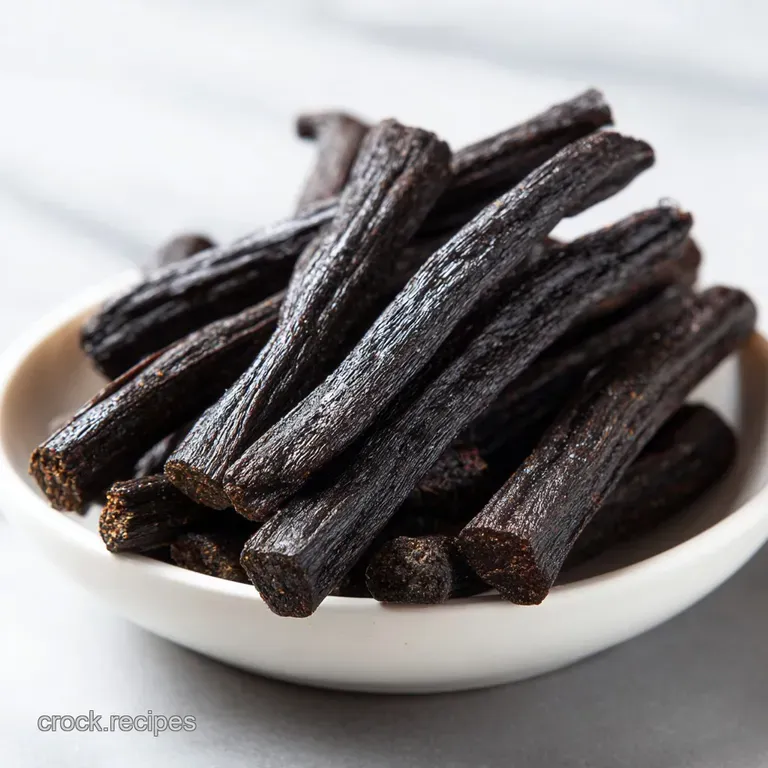
- Prepare the pan. Line an 8x8 inch pan with parchment paper, leaving an overhang on two sides for easy removal later. Note: This prevents sticking and makes cutting much cleaner.
- Combine the fats and sugars. In a heavy bottomed saucepan over medium heat, melt the 115g butter. Note: Keep the heat moderate to avoid browning the butter too quickly.
- Incorporate the syrups. Stir in the 200g sugar, 120ml dark corn syrup, 120ml blackstrap molasses, and 0.5 tsp salt until the mixture is smooth and bubbling gently.
- Whisk in the flour. Gradually add the 125g sifted all purpose flour to the pot. Note: Whisk vigorously to ensure no lumps remain in the thick syrup.
- Boil to temperature. Increase heat slightly and cook, stirring constantly, until the thermometer reads exactly 240°F (115°C).
- Add the color and flavor. Remove from heat immediately and stir in the 1.5 tbsp anise extract, 1 tsp black food coloring, and 0.5 tsp licorice root powder. Note: The mixture will hiss and steam as the extract hits the hot sugar.
- Transfer to the pan. Pour the thick, dark mixture into your prepared pan until the surface settles into a flat, glossy sheet.
- Cool and set. Let the candy sit at room temperature for at least 30 minutes, then refrigerate until the center feels firm and tacky.
- Cut into strips. Lift the parchment paper out and place the candy block on a cutting board. Note: Lightly oil your knife to prevent the candy from dragging.
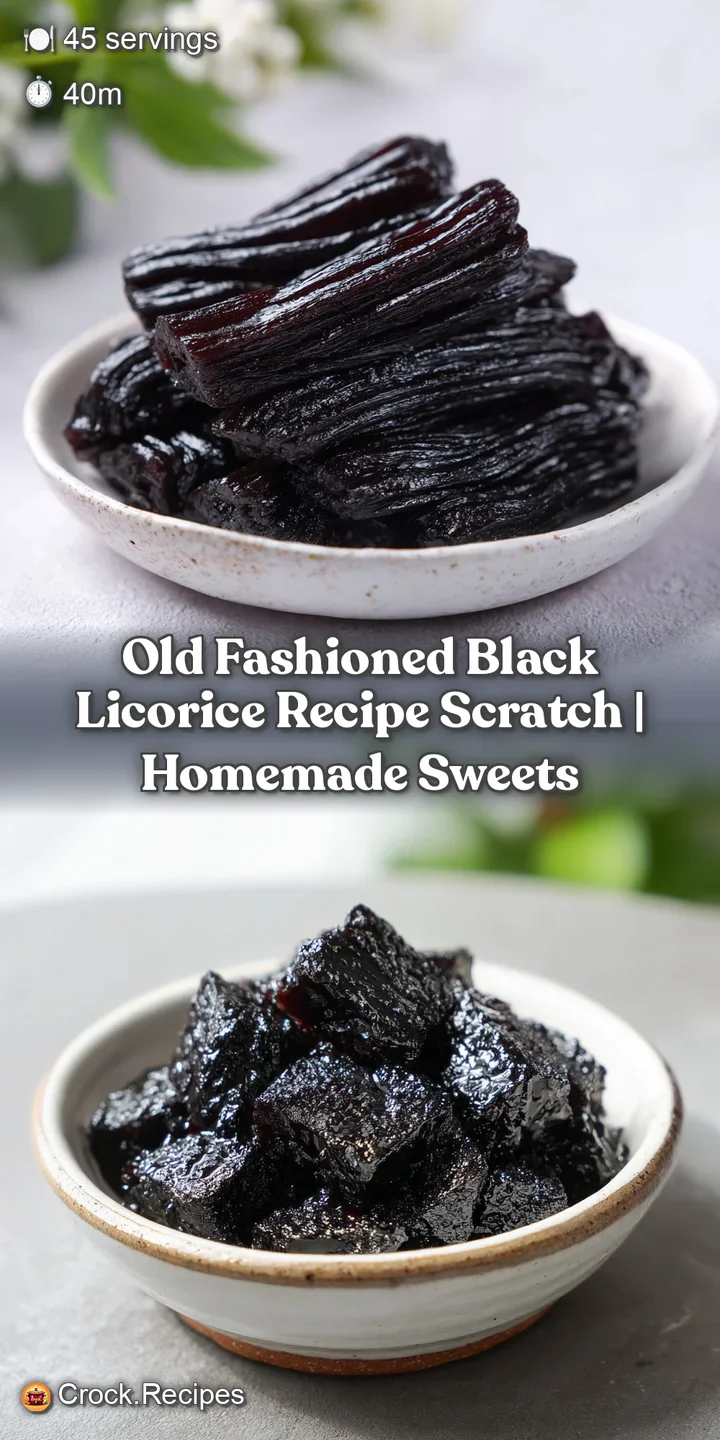
- Final shaping. Slice into long ropes or small bite sized squares until you have uniform pieces ready for snacking.
Chef's Tip: If the candy feels too soft to cut cleanly, pop it in the freezer for 10 minutes. The cold temperature temporarily hardens the fats, allowing for sharp, precise edges.
Solving Common Textural Candy Issues
The most common frustration with this from scratch with anise is the texture. If you don't hit that magic temperature, the candy won't set. Conversely, if you go over, it becomes brittle. Think of it like a delicate balancing act between liquid and solid.
Why Your Licorice Is Grainy
This usually happens because the granulated sugar didn't fully dissolve or crystals formed on the side of the pot and fell back in. It's an easy fix, though. When you're boiling the mixture, use a wet pastry brush to wipe down the sides of the saucepan.
This dissolves any stray sugar crystals before they can trigger a chain reaction.
What If My Candy Is Too Soft?
If your licorice feels like thick jam instead of candy, it likely didn't reach 240°F. Humidity can also play a role; on very rainy days, the sugar absorbs moisture from the air, keeping it soft.
If this happens, you can actually put the mixture back in the pot, add a tablespoon of water to loosen it, and bring it back up to the correct temperature.
| Problem | Root Cause | Solution |
|---|---|---|
| Separated Oil | Mixture wasn't whisked enough during the flour stage | Whisk more vigorously next time; blot excess oil with a paper towel now |
| Bitter Aftertaste | Scorched molasses or poor quality anise | Lower the heat during boiling; ensure you are using pure anise extract |
| Dull Surface | Candy cooled too slowly or too much humidity | Cover the pan loosely with parchment while it sets to protect the shine |
Common Mistakes Checklist
- ✓ Never stop stirring once the flour is added (prevents burning).
- ✓ Calibrate your thermometer in boiling water before starting.
- ✓ Sift the flour at least twice to ensure a velvety crumb.
- ✓ Avoid using "black" liquid food coloring; use gel for a darker obsidian look.
- ✓ Don't skip the salt; it's the only thing that balances the heavy molasses.
Flavor Variations and Ingredient Swaps
If you aren't a fan of the traditional black version, you can actually use this same base for other flavors. By swapping the molasses for more corn syrup and using different extracts, you can create a rainbow of chews.
However, keep in mind that the flour based structure works best with darker, heavier syrups that provide a bit of their own viscosity.
For those who like a bit of a kick, adding a pinch of cayenne pepper can create a "spicy" licorice that warms the throat. It's a fantastic contrast to the cooling sensation of the anise.
You could even dip the finished ropes in dark chocolate for a truly decadent treat that feels like something from a high end confectionery.
| Servings | Ingredient Adjustments | Pan Size | Cook Time |
|---|---|---|---|
| 20 people | Half the recipe; use half an egg if scaling further | 4x4 inch or small loaf pan | 18 minutes |
| 45 people | Standard recipe as listed in Schema | 8x8 inch square pan | 25 minutes |
| 90 people | Double all ingredients; watch for boil overs | 9x13 inch rectangle pan | 35-40 minutes |
When doubling this recipe from scratch, be very careful with the pot size. Sugar syrups expand significantly as they boil. A pot that looks half full at room temperature can easily boil over once it hits the "active bubble" stage, creating a massive, sticky mess on your stovetop.
Storing and Saving Your Treats
This candy is surprisingly hardy. Because of the high sugar content and the cooked flour structure, it doesn't spoil quickly. Keep it in an airtight container with layers of parchment paper between the pieces.
If they touch, they will eventually fuse into one giant block of licorice which might be fun to eat, but it's hard to share.
- Storage
- Store at room temperature in a cool, dry place for up to 3 weeks. You can refrigerate it for up to 2 months, but the texture will become much harder.
- Freezing
- This candy freezes exceptionally well. Wrap individual ropes in plastic wrap and store in a freezer bag for up to 6 months. To eat, let it sit at room temperature for 20 minutes to regain its chew.
- Zero Waste
- If you have small scraps or "ugly" ends, don't toss them! Chop them finely and stir them into softened vanilla ice cream. The cold fat of the cream works beautifully with the herbal anise.
Debunking Old Fashioned Candy Making Lore
Many people believe that you must use a copper pot to make good candy. While copper conducts heat beautifully, a heavy stainless steel or cast iron pot works just as well for this specific recipe. The key is the thickness of the bottom, which prevents the molasses from scorching.
Another myth is that homemade licorice will always be rock hard. This usually comes from people over cooking the mixture past the "soft ball" stage. If you follow the thermometer and pull it at 240°F, your candy will stay pliable and soft for weeks.
The flour in this black licorice recipe from scratch with anise acts as a buffer, keeping the sugar crystals flexible.
Best Pairings for Bold Flavors
Because this licorice is so pungent and rich, it pairs best with flavors that can stand up to its intensity. A strong cup of black coffee or a dark, roasty stout beer is an incredible companion. The bitterness of the drink cuts through the sugary syrupy notes of the candy, highlighting the herbal anise.
If you are putting together a gift box, try pairing this with something bright and acidic, like dried apricots or candied orange peel. The contrast between the dark, earthy licorice and the sun drenched citrus is addictive.
You can also serve it alongside salty nuts; the salt helps temper the sweetness of the molasses, making it much easier to eat more than one piece at a time.
For a true "flavor explosion," try serving a few pieces of this licorice with a glass of spiced chai. The cinnamon and cardamom in the tea dance perfectly with the anise and molasses. It’s a warming, satisfying combination that feels like a big hug in the middle of winter.
Trust me on this once you start experimenting with these pairings, you'll never go back to eating licorice straight from a plastic bag again.
Recipe FAQs
Do they use anise in black licorice?
Yes, anise is the defining flavor. Black licorice achieves its characteristic taste primarily from oil of anise, which contains anethole, the same compound found in the licorice root.
Why shouldn't you eat a lot of black licorice?
Excessive consumption is not recommended due to glycyrrhizin. This compound, derived from the root, can cause serious side effects like elevated blood pressure and abnormal heart rhythms if eaten in very large quantities regularly.
What spice gives black licorice its flavor?
The primary flavor is anise oil, often complemented by licorice root powder. While store-bought often relies entirely on anise extract, adding the actual root powder gives homemade versions a deeper, more complex herbal note.
What are the ingredients in old fashioned licorice?
Old fashioned licorice relies on dark molasses, flour, sugar, and anise extract. The flour acts as a unique binder to create that dense, chewy texture, distinguishing it from hard, brittle candies.
Is it true that boiling the mixture past 245°F is the only way to get it chewy?
No, this is a common misconception; going too high results in hard candy. For a traditional, soft chew, you must stop the cooking process precisely at the soft ball stage, which is 240°F (115°C) in this recipe.
How to ensure my homemade black licorice doesn't crystallize or become grainy?
Wipe down the sides of the saucepan with a wet pastry brush while boiling. This dissolves stray sugar crystals, preventing them from seeding the entire batch and causing graininess, a technique similar to what you need for stable syrups in a KnockYourSocksOff Romesco Sauce recipe.
How to achieve the deepest black color without thinning the candy mixture?
Use a concentrated black food coloring gel instead of liquid dye. Gel coloring provides maximum pigment saturation with minimal added liquid, ensuring your candy maintains the correct viscosity for a perfect chew.
Black Licorice Recipe Scratch
Ingredients:
Instructions:
Nutrition Facts:
| Calories | 64 kcal |
|---|---|
| Protein | 0.3 g |
| Fat | 2.1 g |
| Carbs | 11.4 g |
| Fiber | 0.1 g |
| Sugar | 8.9 g |
| Sodium | 27 mg |
