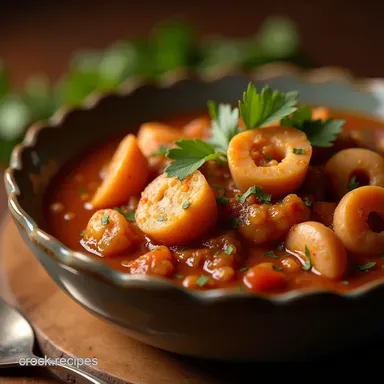
The Bayou Classic Authentic Louisiana Seafood Gumbo with a Dark Roux Foundation
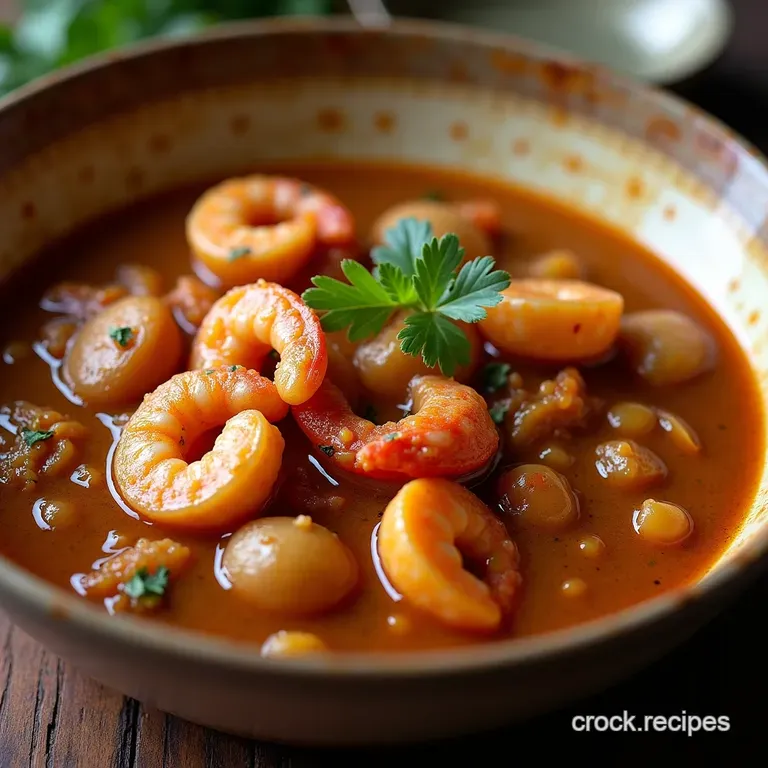
- Unlocking the Soul of the Bayou: Why This Louisiana Seafood Gumbo Stands Apart
- A Symphony of Flavor: What Makes Authentic Gumbo Essential Eating
- Assembling Your Bounty: Essential Components for Superior Seafood Gumbo
- The Alchemist's Art: Mastering the Dark Roux, Step by Crucial Step
- Building Layers: Integrating the Trinity and Simmering the Broth
- The Grand Finale: Introducing the Seafood for Peak Texture
- Serving Suggestions and Pairing Perfection for Your Gumbo
- Recipe FAQs
- 📝 Recipe Card
Unlocking the Soul of the Bayou: Why This Louisiana Seafood Gumbo Stands Apart
There are dishes, and then there is Louisiana Seafood Gumbo . This isn't just a soup; it’s a cultural centerpiece, a rich narrative told in layers of smoke, spice, and the bounty of the Gulf.
When you commit to making an Authentic Louisiana Seafood Gumbo , you are signing up for a tradition that demands respect for process, particularly that foundational roux.
Forget quick fixes; this Hearty Stew is a labour of love, yielding a depth of flavour that simply cannot be rushed. We are aiming for that mahogany magic that separates amateur attempts from true bayou classics, ensuring every spoonful of this Seafood Gumbo Recipe transports you straight to the Gulf Coast.
A Symphony of Flavor: What Makes Authentic Gumbo Essential Eating
The beauty of gumbo lies in its complexity it achieves harmony through diverse, seemingly disparate elements: the earthiness of the vegetables, the smoky punch of cured meats, the brininess of the sea, and the signature flavour provided by the roux.
This recipe moves beyond simply throwing ingredients into a pot; it’s about layering these flavours precisely so they bloom together during a long, slow simmer.
Beyond the Basics: A Commitment to Deep, Smoky Foundations
Many cooks fall into the trap of making a light coloured roux, believing it serves the same purpose. It doesn't. The deep, dark roux is the non-negotiable soul of a proper Louisiana Seafood Gumbo .
It contributes a nutty, almost smoky bitterness that balances the sweetness of the seafood and the heat of the spice. Achieving this colour, which should resemble dark chocolate or an old copper penny, is the defining characteristic separating a standard soup from a memorable Louisiana Seafood Gumbo Ingredients showcase.
The Comfort Quotient: Tradition Meets Modern Culinary Precision
While the origins of gumbo are deeply rooted in tradition blending African, French, Spanish, and Native American influences modern cooking allows us to refine the process. We use rich, warm seafood stock rather than water, ensuring an immediate flavour boost.
While we honor the slow cooking required, we marry that patience with precise seafood selection, ensuring our shrimp and fish remain tender, not rubbery, a common pitfall when integrating them into such a long cooking base.
Why Patience is the Key Ingredient in True Louisiana Cooking
If you are seeking an Easy Seafood Gumbo , I must advise you to temper those expectations slightly for this authentic approach. The total cook time spans nearly four hours, but the majority of that time is passive simmering.
The truly active, essential part the roux development requires unwavering attention for about 45 to 60 minutes. This dish teaches discipline; rush the roux, and you ruin the entire foundation of what makes this dish akin to the renowned Pappadeaux Seafood Gumbo .
Assembling Your Bounty: Essential Components for Superior Seafood Gumbo
To create a truly exceptional One Pot Wonder , careful selection of every component matters. From the fat used in the roux to the freshness of the stock, these elements coalesce to form the final, deeply satisfying texture and flavour profile.
The Holy Trinity and Beyond: Sourcing Premium Flavor Builders
Every great Louisiana dish begins with the Holy Trinity: onion, celery, and bell pepper. For this Seafood Gumbo Recipe , we dice them finely about 2 parts onion, 1.5 parts celery, and 1 part bell pepper so they dissolve elegantly into the broth as they cook down.
To elevate this base, we incorporate smoky, spicy Andouille sausage. The fat rendered from the sausage blends beautifully with the cooking oil for the roux, adding another layer of complexity before the main stock even hits the pot.
Stock Secrets: Choosing the Right Liquid Base for Richness
The stock is the body of your gumbo. While chicken stock is common in meat gumbos, for this version, a high-quality, homemade shrimp stock or rich seafood stock is mandatory. If store-bought is necessary, opt for the lowest sodium option you can find, as we will be adding plenty of salt and spice later.
Crucially, this liquid must be kept warm before introduction to the dark roux; cold stock will seize the fats and flour, resulting in frustrating lumps.
Seafood Selection: Tips for Perfectly Tender Shrimp and Shellfish
The seafood component requires timing management. We are using medium shrimp and firm white fish chunks. The shrimp should be peeled and deveined but left whole for the best texture. The fish needs to be sturdy enough to withstand a few minutes of simmering without disintegrating think snapper or redfish.
Oysters or crab meat, if desired, should always be reserved until the very last minute of cooking, as they require mere moments to heat through.
Tool Check: Essential Equipment for Roux Mastery
Do not attempt a dark roux in a thin bottomed saucepan. The concentration of heat will scorch the flour instantly. You must use a heavy bottomed Dutch oven or a very thick, large skillet. This disperses the heat evenly, allowing the flour and oil to toast slowly and uniformly.
Pair this with a sturdy, heatproof wooden spoon or silicone spatula you will be stirring constantly, ensuring every particle of flour is agitated.
Related Recipes Worth Trying
- Louisiana Kick Seafood Boil Sauce My Secret Recipe — Craving the best Mouthwatering Seafood Boil Sauce Recipe My Louisianainspired sauce has a spicy kick umami depth Drizzle dunk for flavour
- Delicious Seafood Enchiladas Recipe Youll LOVE — This Delicious Seafood Enchiladas Recipe Youll crave Shrimp fish tangy tomatillo sauce Easy Mexican Seafood Enchiladas for a fiesta Get the recipe now
- Coastal Comfort Delicious Seafood Chowder Recipe for You — Fancy a proper creamy hug in a bowl This Delicious Seafood Chowder Recipe for a chilly evening is inspired by classic New England Easy comforting and...
The Alchemist's Art: Mastering the Dark Roux, Step by Crucial Step
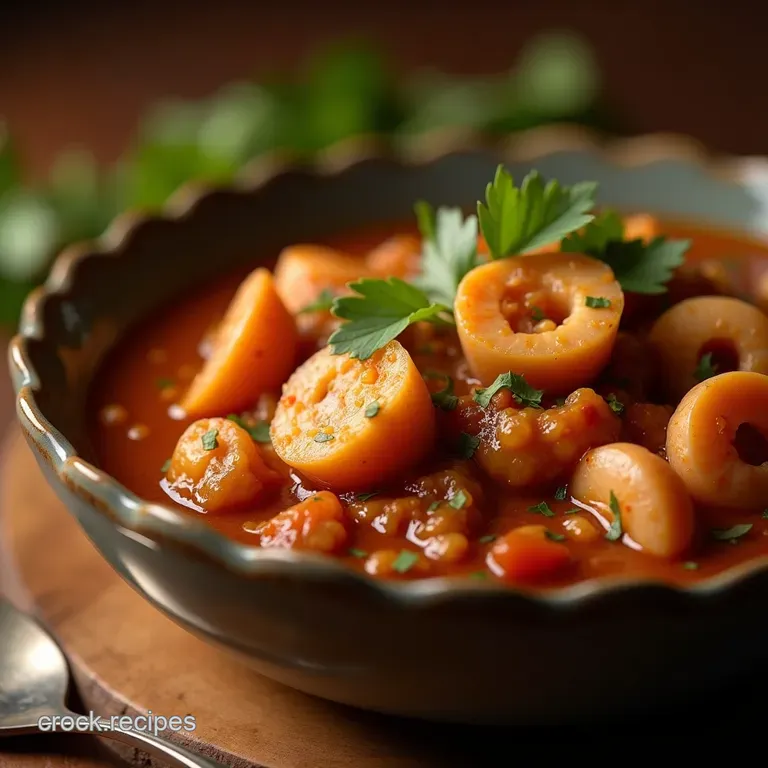
This is where the magic, and the mental fortitude, is tested. We combine equal parts flour and fat in this case, one cup of flour with one cup of vegetable oil or lard over medium low heat. The goal is to slowly toast the flour without burning it.
You must stir continuously, scraping the bottom and sides of the pot. As the roux begins to change colour from pale white to peanut butter, then to a rich caramel, resist the urge to increase the heat. It will take between 45 and 60 minutes to reach that coveted mahogany brown.
Achieving Chocolate Brown: Monitoring Temperature and Texture of the Roux
The final colour stage, moving from milk chocolate to dark, rich mahogany, happens surprisingly fast. You are looking for a consistency reminiscent of thick gravy, with a deep, smoky aroma that fills your kitchen.
If you see wisps of black smoke or smell acrid burning, immediately pull the pot off the heat and vigorously stir. If the smell persists, the batch is compromised, and starting over is the only path to a successful Louisiana Seafood Gumbo Recipe .
Building Layers: Integrating the Trinity and Simmering the Broth
Once that dark roux is achieved, you must immediately halt the cooking process by introducing the vegetables. Adding the diced onions, celery, and bell peppers the Holy Trinity to the hot fat will cause a vigorous sizzle.
Stir them quickly and continually until they soften, about 8 to 10 minutes. This step effectively "feeds" the roux, incorporating the vegetables into its flavour structure.
Deglazing the Pot: Incorporating the Trinity Without Burning
After the vegetables have sweated down, introduce the sliced Andouille sausage and cook for a few minutes to release its spices and smoke. Then, stir in the minced garlic, thyme, smoked paprika, cayenne, oregano, and black pepper.
Allow these dry spices to cook briefly with the vegetables until fragrant this blooming process dramatically enhances their flavour before the liquid arrives.
The Long Simmer: Developing Depth of Flavor Over Time
Now, slowly begin whisking in the warmed seafood stock, one cup at a time, ensuring the roux fully dissolves before adding the next addition. Once all the stock is incorporated and the mixture is smooth, toss in the bay leaves. Bring the mixture to a slow, lazy simmer.
Cover the pot partially and let this base cook for at least 90 minutes, up to two hours. This time allows the smokiness of the roux to mellow, the Trinity to dissolve, and the overall broth to deepen into a true Hearty Stew .
If you choose to use okra, add it during this simmering stage as a natural thickener.
Final Touches: Seasoning Adjustments for That Perfect Kick of Spice
Toward the end of the long simmer, remove the bay leaves and taste. This is when you adjust the salt and introduce the Worcestershire sauce for a final umami punch. Remember that the seafood will add residual saltiness, so season cautiously. Your seasoning should provide warmth and depth, not just raw heat.
The Grand Finale: Introducing the Seafood for Peak Texture
The final step requires timing precision. Increase the heat slightly to maintain a gentle bubble. If using firm fish chunks, introduce them now and let them simmer for about 3 minutes until they just begin to turn opaque.
Introducing the Seafood for Peak Texture
Next, add the shrimp. As soon as the shrimp begin to curl into a ‘C’ shape signifying they are cooked through but still tender the gumbo is done. This process takes only about 3 to 5 minutes.
Overcooked seafood is the quickest way to disappoint guests; aim for plump and succulent, never tough. Let the entire pot rest off the heat for ten minutes before serving, allowing the residual heat to further marry the flavours.
Serving Suggestions and Pairing Perfection for Your Gumbo
A bowl of rich Louisiana Seafood Gumbo demands the perfect accompaniments to balance its intensity.
The Unmatched Partner: How to Properly Serve with Fluffy White Rice
Gumbo must always be served over a generous mound of plain, fluffy, long grain white rice. The rice acts as a neutral canvas, absorbing the magnificent broth without competing with its flavour profile.
Do not stir the rice directly into the main pot; serve it alongside or place the rice in the bottom of the bowl before ladling the stew over top.
Storage Strategies: Reheating Your Louisiana Seafood Gumbo for Best Results
Gumbo is famously better the next day, as the flavours continue to meld. Store leftovers in an airtight container in the refrigerator for up to four days. When reheating, do so slowly over medium low heat, stirring occasionally.
If the gumbo has thickened too much upon cooling, simply whisk in a little extra warm stock or water to bring it back to the perfect consistency.
From Okra to File Powder: Customizing Spice and Thickness Levels
We have incorporated okra as an optional thickener, but the final seasoning is personal. Offer hot sauce (like Crystal or Tabasco) liberally at the table. Also, present File Powder (ground sassafras leaves) on the side.
Remind your guests that File is strictly a finishing seasoning; stirring it into the main pot before serving will cause the gumbo to become excessively stringy and unappetizing, as it reacts badly to prolonged heat.
Addressing Common Issues: When Your Roux Gets Too Dark or Too Thin
If, despite your best efforts, your roux turns out thin, do not panic. After simmering, if the liquid level seems too high, you can thicken it slightly by combining a few tablespoons of cornmeal with a little cold water to create a thin slurry, whisking it into the simmering gumbo until you reach your desired thickness.
If, heaven forbid, your roux went too dark and tastes slightly bitter, a little extra pinch of sugar mixed into the simmering base can sometimes mask the harshness, though a fresh start is always preferable for the very best Gumbo Recipe with Okra texture and taste.
Recipe FAQs
What is the secret to getting that rich, authentic flavour in my Louisiana Seafood Gumbo?
The secret, my friend, lies entirely in that roux! You must take your time think of it as a culinary meditation stirring the flour and oil constantly over medium low heat until it reaches the colour of dark chocolate or a shiny copper penny.
Don't rush it; that depth of colour is what gives the gumbo its signature smoky, nutty foundation.
I’m worried about burning the roux; what should I do if it starts smelling acrid?
If you catch a whiff of burning or see black specks, stop immediately! A burnt roux is irredeemable and will taste bitter throughout the entire batch, which is a terrible state of affairs.
If this happens, the quickest fix is to pour out the burnt batch and start a fresh one; better to waste an hour than ruin a whole pot of delicious potential.
How long can I store leftover Louisiana Seafood Gumbo, and can I freeze it?
Gumbo is one of those magical dishes that tastes even better the next day once all those complex flavours have properly married! Store leftovers in an airtight container in the fridge for up to 4 days.
Yes, you can absolutely freeze it; freeze in individual portions for best results, but remember to freeze the gumbo base without the seafood, adding the shrimp and fish back in when you reheat it.
Should I add File powder during cooking, and how should I serve it?
Absolutely not this is a crucial etiquette point! File powder, made from ground sassafras leaves, should only be sprinkled over the individual bowls at the table. If you boil file, it causes the gumbo to turn stringy and gummy; it’s meant as a finishing seasoning for texture and an earthy flavour boost, not a cooking thickener.
My seafood tastes rubbery; how can I prevent overcooking the shrimp and fish in my gumbo?
This usually happens because the seafood goes in too early or the gumbo is simmering too vigorously. Ensure your gumbo base has simmered sufficiently before adding anything delicate. The shrimp only need 3 to 5 minutes until they curl into a 'C' shape if they curl into an 'O,' they’re overdone!
Turn the heat down low when you introduce the seafood.
Dark Roux Seafood Gumbo